REVIEW · MUMBAI
Bombay Fort Heritage Walking Tour
Book on Viator →Operated by Reality Tours & Travel Pvt Ltd · Bookable on Viator
South Mumbai has a way of teaching you to notice. This Bombay Fort Heritage Walking Tour mixes landmark architecture with real street-level Colaba life, so you’re not just collecting photos—you’re getting context as you go.
I particularly love how the tour keeps you moving between major sights and quieter corners of the neighborhood. I also like the small comforts that make the walk easier, like water/cold drink on the route and frequent stops for questions. One heads-up: it’s still a 3-hour walking tour, so comfortable shoes matter, and you’ll want to dress modestly for temple stops.
In This Review
- Key things I’d pay attention to
- Why this 3-hour South Mumbai Heritage Walk works
- Getting started at Regal Cinema, Colaba (and why location matters)
- Gateway of India: the dramatic first stop
- Fort / Kala Ghoda: older architecture with a quieter pace
- Oval Maidan: where cricket culture becomes a street-level reality
- St. Thomas Cathedral: old church atmosphere and a lassi break
- Chhatrapati Shivaji Maharaj Terminus: beauty, film fame, and real tragedy
- The in-between moments: markets, back alleys, temples, and local hangouts
- Food, snacks, and what is actually included
- Guides and pacing: what you’ll experience day to day
- Price check: is $29.21 worth it?
- Who should book this tour
- Should you book the Bombay Fort Heritage Walking Tour?
- FAQ
- FAQ
- What time does the tour start?
- How long is the Bombay Fort Heritage Walking Tour?
- Where do I meet the guide?
- Is the tour wheelchair-accessible?
- What’s included in the price?
- Is food included?
- Are tickets or admissions required for the stops?
- How many people are in a group?
- Can I cancel for a full refund?
Key things I’d pay attention to
- A guide-led route through Colaba and South Mumbai instead of a drive-by checklist
- Stops include Gateway of India, Oval Maidan, St. Thomas Cathedral, and Chhatrapati Shivaji Terminus
- Water/cold drink included to help you keep going during the walk
- Group size capped at 25, with a max of 25 travelers for a manageable pace
- Free admission is noted for each listed stop, which helps the value add up
- You might get a closer look at local life, including back alleys and the possibility of a family home visit
Why this 3-hour South Mumbai Heritage Walk works
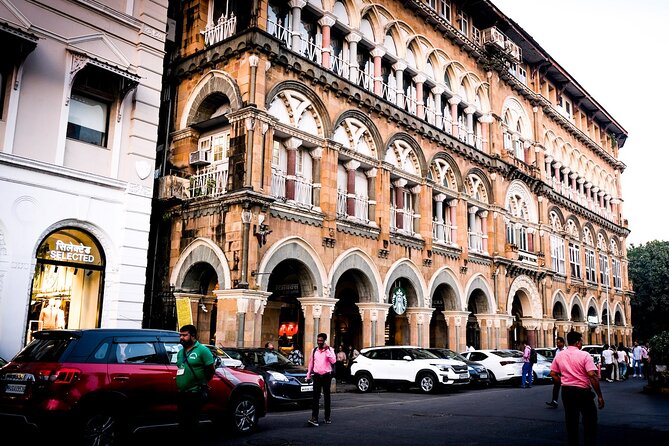
If you’re trying to get your bearings in Mumbai, this kind of guided walk is one of the smartest ways to spend a morning. You start in Colaba and walk through South Mumbai with a plan that connects architecture, public spaces, and everyday neighborhood rhythms.
The tour’s structure does a good job of pacing. You get solid anchor stops—big names you’ll recognize—then you also get the smaller moments that explain how the city actually functions: where people gather, how spaces get used, and how different communities have left their mark in the same area.
Value-wise, the price of $29.21 per person is easier to justify when you look at what’s included. You’re paying for a local guide for the full tour plus water/cold drink. Food isn’t included, but the itinerary does include time for snacks and a laid-back brunch-style pause where you can buy or choose what fits you.
You can also read our reviews of more tours and experiences in Mumbai.



Getting started at Regal Cinema, Colaba (and why location matters)
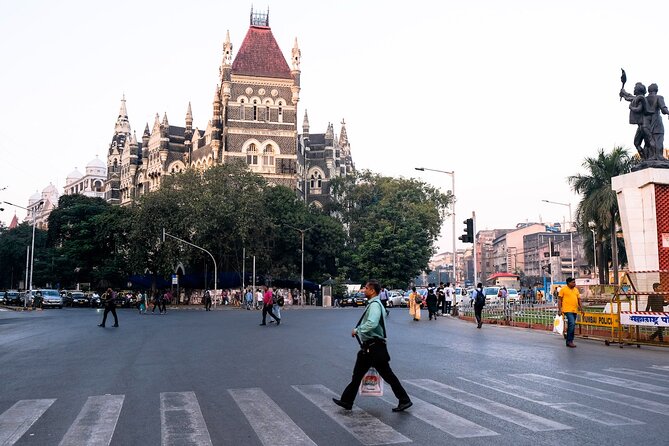
Your meeting point is Regal Cinema, Colaba Causeway, right by Apollo Bandar, opposite the Chhatrapati Shivaji Maharaj Vastu Sangrahalaya. The tour starts at 9:00 am, and it ends back near that same meeting spot.
This is a practical setup for two reasons. First, Colaba is a central starting area, so it’s easier to connect with public transportation. Second, returning to your starting point saves you from the “now what?” feeling—especially helpful if you’re planning to continue exploring after the tour.
You’ll want to plan your day around the walking time. Since the itinerary is about 3 hours, you’ll get a complete circuit without feeling like you’ve lost the whole morning. That makes it a good fit for first-timers and for people who want a history-and-architecture day without committing to a full afternoon.
Dress code matters too. You’ll be asked to dress modestly for temple visits, and you should wear comfortable shoes because you’re on foot for the entire experience.
Gateway of India: the dramatic first stop
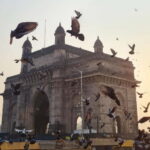
The tour begins with Gateway of India, about a 20-minute stop. This is a waterfront landmark in Southern Mumbai that draws on both Hindu and Islamic architectural styles. The key detail you’ll hear here is that since 1924, it’s been the first major sight visitors saw when arriving by boat.
Even if you’ve seen it in pictures, you’ll get more out of it by slowing down. Your guide’s job is to help you read what you’re seeing: why this structure became so tied to arrival and visibility, and how monumental architecture shapes how outsiders and locals both experience a place.
Practical note: since it’s a first stop, it’s the moment to settle in—know where you are, get your bearings, and ask your guide any big-picture questions about what you’re going to see next.
Fort / Kala Ghoda: older architecture with a quieter pace
Next up is Fort / Kala Ghoda, another 20-minute stop. This is where the tour shifts from the “big postcard” feeling to more of the area’s historic architecture. The emphasis here is on some of Mumbai’s oldest and finest buildings.
Why I like this stop: it helps you understand that South Mumbai isn’t one style or one era. It’s a layered city, and places like this show how older structures set the tone for what comes around them.
Because the stop is time-limited, don’t expect to study every facade like you would on your own. Instead, think of it as a guided orientation: you learn what to notice, then later you can return and look deeper.
Oval Maidan: where cricket culture becomes a street-level reality
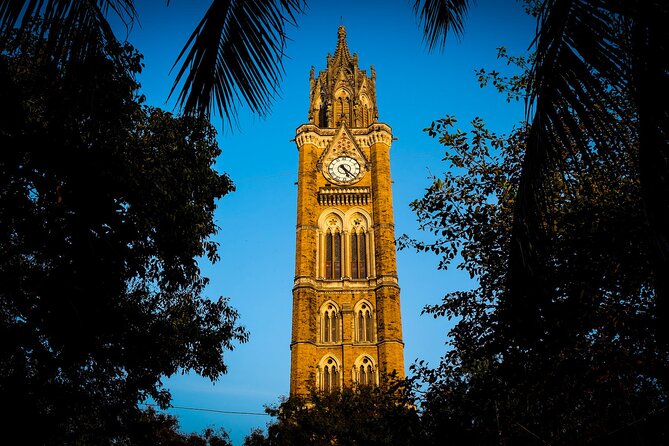
Then you’ll walk to Oval Maidan, also about 20 minutes. This is the large park where cricket games happen throughout the day. You’ll also get sightlines toward Mumbai University and its clock tower, the Rajabhai, plus views toward Mumbai High Court.
This is one of those stops where a guide changes everything. A park can feel like just open space until someone explains the role it plays in daily life. Here, the big point is how public space supports ongoing local activity—cricket isn’t just a sport; it’s a regular part of how people occupy the city.
A nice bonus is the framing effect. From the park you can “see the city” in a more connected way: campus and courts in the same visual field as a place where games are happening. That makes your later visits to other landmarks feel less random.




St. Thomas Cathedral: old church atmosphere and a lassi break
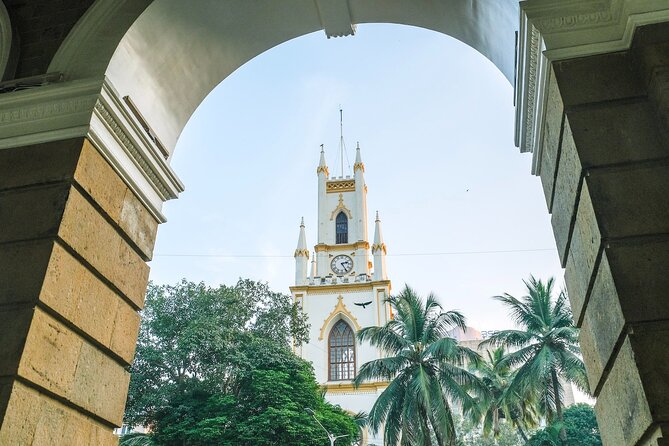
Next is St. Thomas Cathedral Mumbai, about 20 minutes. This Anglican church is described as UNESCO Heritage Award winning, in use since 1718, and one of the oldest churches in Mumbai.
You’ll likely feel the change in tempo here. Churches like this pull you toward stillness for a moment, even while you’re surrounded by the city outside. The guided angle helps, too—your guide connects the architecture and age to the wider story of how communities took root over centuries.
Your tour also includes a small refresh detail. The plan notes a stop for a refreshing lassi nearby, which is a practical touch when you’ve been walking and taking in lots of buildings and facts.
One thing to remember: this is a “look, learn, move on” stop. Don’t plan to treat it like a full independent visit where you sit for long periods. The goal is to understand why the church is significant and then continue.
Chhatrapati Shivaji Maharaj Terminus: beauty, film fame, and real tragedy
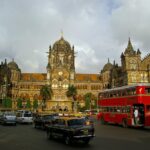
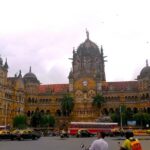
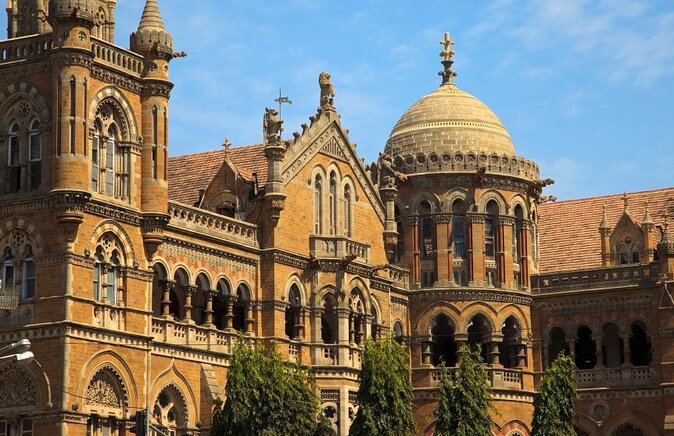
The last major listed stop is Chhatrapati Shivaji Terminus (CST), again about 20 minutes. It’s featured in Slumdog Millionaire, and it’s also a well-known site connected to the 2008 Mumbai attacks, where terrorists opened fire.
This is the stop where the tour becomes emotionally heavier, and you’ll want to give it respect. The value here isn’t only that it’s photogenic—it’s that you’re guided through the story of a world-class railway station that sits at the intersection of design, fame, and modern history.
Your guide’s job is important in how the information lands. You’ll likely spend the time tying together what you see in the building with why it matters beyond the movie association. It’s also a reminder that “architecture tour” doesn’t have to mean “only sightseeing.” Cities have lived history, and guides help you hold both sides at once.
The in-between moments: markets, back alleys, temples, and local hangouts
What makes this tour feel more like a lived-in city walk is what happens between the headline sites. The route is described as passing through local markets and neighborhood temples, plus back alleys where you can see daily life up close.
A key part is the “stop and ask questions” style. You’ll pause frequently, and you’re encouraged to learn from your guide about Mumbai history and daily life. That’s where things click: a building stops being a photo, and becomes a clue.
The tour also notes you might spot residents relaxing at the cricket maidan and hanging out around area restaurants. Those small observations are exactly what you want from a heritage walk—proof that the city’s traditions still run alongside the monuments.
There’s even a possibility of a family home visit. That’s not something you can plan for like a guaranteed ticketed stop, but it’s there as an option, and it’s the kind of detail that makes a walking tour feel personal rather than generic.
Food, snacks, and what is actually included
The tour does mention pauses for snacks and then sitting down for a laid-back brunch-style moment. But the important practical detail is this: food is not included.
So how should you handle this? Bring the mindset of: you’ll have time to grab something, not that you’re being fully provided a meal. This helps you make smart choices based on your own dietary needs and comfort level. If you want to try local drinks or a snack at that point, you’ll be positioned to do it without rushing.
The one reliable refresh you can count on is water or a cold drink included on the tour. That’s especially useful on a walking schedule, and it gives you one less thing to think about before you meet your guide.
Guides and pacing: what you’ll experience day to day
The tour is run by Reality Tours & Travel Pvt Ltd, and one review highlighted a guide named Chetan as friendly and able to explain buildings and history clearly. I like that detail because it hints at the real difference between a “walk and point” tour and a “learn as you go” tour.
You’ll also likely notice flexibility. Another detail from the reviews: the experience can run with small groups. One party reported doing it with only two people on the tour, which naturally makes Q&A easier and the pace more personal.
What stays consistent is the structure: a series of stops, each about 20 minutes, for a total duration of around 3 hours. That keeps the day from dragging while still giving you enough time at each point to ask questions and take photos.
Price check: is $29.21 worth it?
For many tours, price only makes sense when you compare it to what you’d otherwise pay in time and effort. Here’s the simple equation:
- You’re paying for a local guide for the entire walking route
- You get water/cold drink
- Admission tickets for the listed stops are marked as free
- You don’t pay for a long transit ride because it’s a walk through central areas
You’re also not paying for food or hotel pickup. That means you should budget a little extra for snacks if you want them, and you’ll handle getting to the meeting point yourself.
At $29.21, the tour is best when you want guided context. If you’re the type who reads plaques quietly and prefers to wander alone, you might feel you could do it yourself. But if you want help noticing what matters—why a gateway is significant, what a park reveals about local life, why a railway terminus carries both beauty and trauma—this cost is easier to accept.
Who should book this tour
This is a great match if you:
- want an orientation to South Mumbai in just a morning or early day
- care about the intersection of architecture, public spaces, and culture
- like asking questions and learning while you walk
- prefer a small group experience (max 25)
It’s also a good fit for travelers who aren’t in Mumbai for long. A three-hour guided walk can be the backbone of your day, helping you return later with better instincts about where to linger.
Should you book the Bombay Fort Heritage Walking Tour?
If you want a straightforward, guide-led way to connect major landmarks with how Mumbai actually feels on the ground, I think this one earns a yes. The price is reasonable given the guide time and the included drink, and the stop list hits the big names—Gateway of India, Oval Maidan, St. Thomas Cathedral, and CST—while still leaving room for local markets and neighborhood temples.
I’d only hesitate if you strongly dislike walking or if temple visits clash with your comfort level. And remember: food isn’t included, so plan for snacks or a brunch purchase on your own.
FAQ
FAQ
What time does the tour start?
The tour starts at 9:00 am.
How long is the Bombay Fort Heritage Walking Tour?
It’s about 3 hours.
Where do I meet the guide?
The meeting point is Regal Cinema, Colaba Causeway, opposite Chhatrapati Shivaji Maharaj Vastu Sangrahalaya, Apollo Bandar, Colaba, Mumbai, Maharashtra 400005, India.
Is the tour wheelchair-accessible?
The only guidance provided is that most travelers can participate. The tour is a walking tour, so comfortable shoes are recommended.
What’s included in the price?
A local guide for the entire tour and water or a cold drink are included.
Is food included?
No, food is not included.
Are tickets or admissions required for the stops?
For the listed itinerary stops, admission tickets are noted as free.
How many people are in a group?
The tour has a maximum of 25 travelers.
Can I cancel for a full refund?
Yes. You can cancel up to 24 hours in advance for a full refund. If you cancel less than 24 hours before the start time, the amount paid is not refunded.