Budapest turns heavy when you walk its Jewish sites. This Jewish Heritage tour strings together some of the city’s most important landmarks with a guide who makes the story feel personal, not textbook. I loved the small-group feel plus the guided discussion about what it means to be Jewish in Hungary today, and I loved going inside Dohány Street Synagogue with the cemetery and memorial garden. One catch: the synagogue ticket is extra (about €26 per person), so you’ll want to budget for it up front.
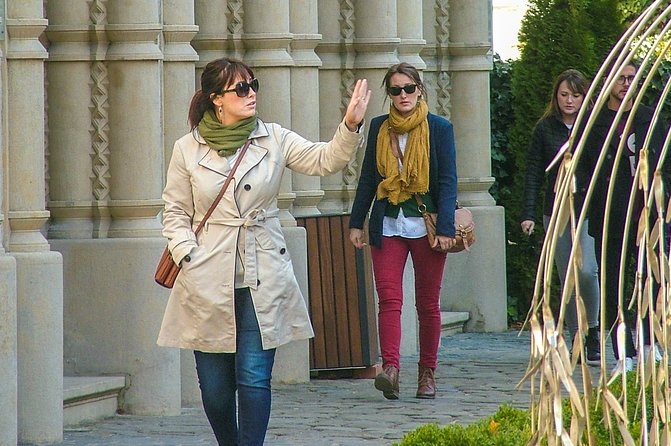
My guide in my experience was Edith, and that’s the kind of name you remember because she talks like a person who cares. The group stays small, and she encourages questions while keeping a calm pace—enough time at the emotional stops to actually feel what you’re looking at. If you want a fast “check-the-box” walk, this may feel a bit too thoughtful.
In This Review
- Key highlights at a glance
- Meeting at Deák Ferenc tér: easy start, smart pace
- Dohány Street Synagogue: more than the headline building
- The Emmanuel Tree connection (yes, it’s moving)
- A second synagogue view, and a neighborhood that still lives
- Jewish Quarter context: how Edith turns streets into meaning
- Shoes on the Danube Bank: 15 minutes that land hard (and fast)
- Memorial to the Victims of the German Invasion: controversial, and still alive in public debate
- Price and value: what $80.86 really buys you
- Tickets, timing, and practical logistics that matter
- How to get the most out of Edith’s tour (ask these questions)
- Who should book this Jewish Heritage tour?
- Emotional content note: expect moments that stick
- Should you book this tour? My honest take
- FAQ
- How long is the Jewish Heritage tour?
- What is the meeting point?
- What are the main stops on the tour?
- Is the Dohány Street Synagogue entrance fee included?
- How much is the tour per person?
- Is the tour offered in English?
- How big is the group?
- Is transportation included?
- What is the cancellation policy?
- When will I get confirmation after booking?
Key highlights at a glance
- Small-group format that keeps the conversation going, not just the walking
- Edith’s guiding style: clear English, real context, and room for questions
- Dohány Street Synagogue visit plus the Raoul Wallenberg garden and Jewish Cemetery
- Shoes on the Danube Bank: short stop, big impact (and it’s free)
- A controversial WWII-era memorial that still draws protest
Meeting at Deák Ferenc tér: easy start, smart pace
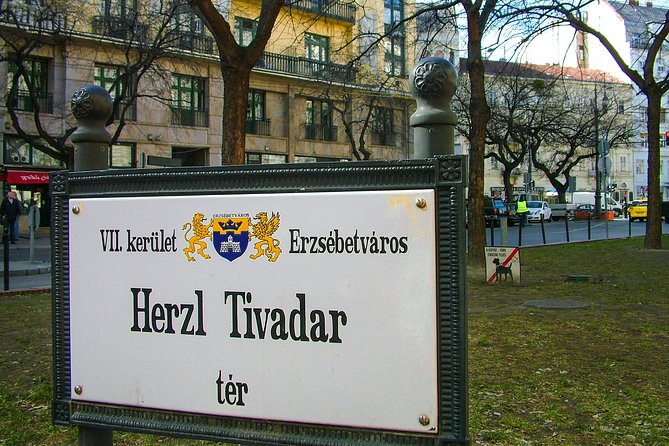
You meet near Deák Ferenc tér, one of Budapest’s busiest transit hubs. That’s a good thing. It means you can show up without stress and connect quickly if you’re coming from your hotel by metro or bus.
This tour runs about 3 hours, and it’s planned so you don’t spend the whole time in transit. You’ll walk, but you’re not stuck doing every kilometer on foot. One reason people rate this tour so highly is that the pace is balanced: enough time to look closely, enough structure to understand what you’re seeing.
You can also read our reviews of more tours and experiences in Budapest.


Dohány Street Synagogue: more than the headline building
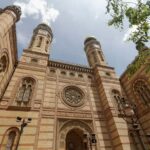
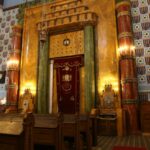
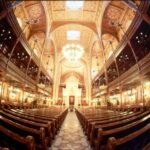
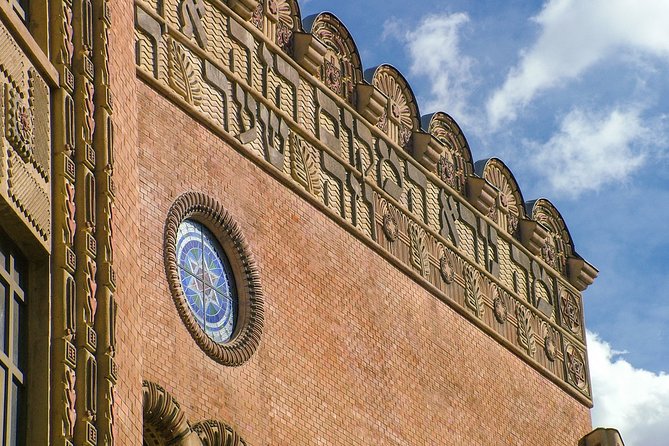
The tour’s first stop is the Dohány Street Synagogue, often described as one of the biggest synagogues in Europe. Don’t just think size, though. What you’re really visiting is a living memorial site—where architecture, community history, and remembrance all overlap.
You’ll see the synagogue building itself and also walk through key parts of the complex, including the Raoul Wallenberg Memorial Garden and the Jewish Cemetery. Those spaces matter because they shift the story from distant dates to names, places, and human loss.
The Emmanuel Tree connection (yes, it’s moving)
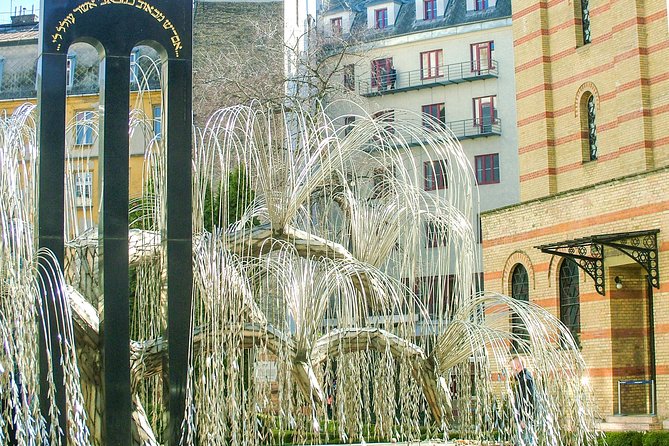
One of the standout details here is the Emmanuel Tree, a moving monument linked with the late Tony Curtis. It’s the kind of element that sticks in your head because it’s not only about tragedy. It’s also about memory, and about how people tried to preserve dignity even during impossible times.
A second synagogue view, and a neighborhood that still lives
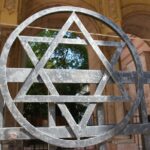
The tour also includes an outside look at a second functioning synagogue. That small detail is useful. It helps you see that this area isn’t only a museum district. The Jewish Quarter is also street-level real life—cafes, music, nightlife, and yes, even plenty of street art.
Your guide will connect today’s scene to the history, and that’s where the tour feels different from a standard site-only stop. You’re encouraged to talk about what Jewish identity and community look like in Hungary right now, not just during World War II.
Time note: this is the long stop, about 2 hours. That’s deliberate. The synagogue complex needs it.
Jewish Quarter context: how Edith turns streets into meaning
Between sites, you don’t just look at buildings and move on. You get a guided read on the neighborhood. Budapest’s Jewish Quarter has layers—older community patterns, memorials that changed over time, and modern city life running alongside it.
Edith’s approach is the reason people keep praising the tour. She doesn’t dump facts and rush away. She connects the dots while you’re walking—so the streets start to feel like chapters you can actually follow.
If you’re the type who likes to ask questions, this is the part where that works best. The tour encourages dialogue, and you’ll probably want to ask things like how the community changed after the war, or what the visible memorials are trying to communicate today.


Shoes on the Danube Bank: 15 minutes that land hard (and fast)
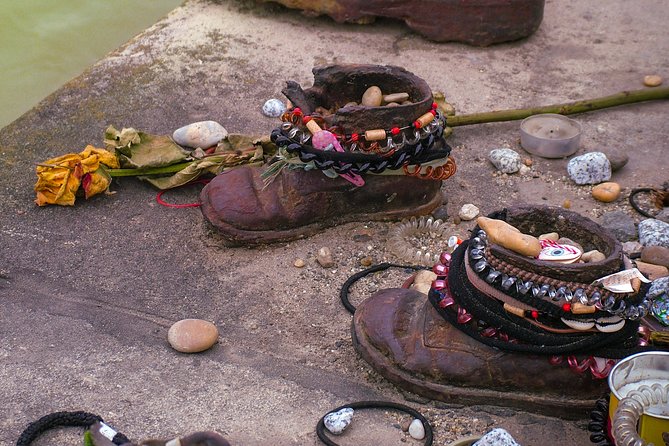
Next comes Shoes on the Danube Bank. It’s free and it’s short—about 15 minutes. But that brief timing is exactly why it works. You get enough time to take it in without dragging it out into numbness.
This memorial targets the thousands of Jews who were shot and forced into the Danube. The power here is in how plain the concept feels. No fireworks. No theatrics. Just a quiet reminder of what happened.
I like to use this stop as a reset moment in the tour—just a pause to let the history catch up with your eyes. If you try to rush, it stops being meaningful. Give it those full 15 minutes and let it hit.
Memorial to the Victims of the German Invasion: controversial, and still alive in public debate
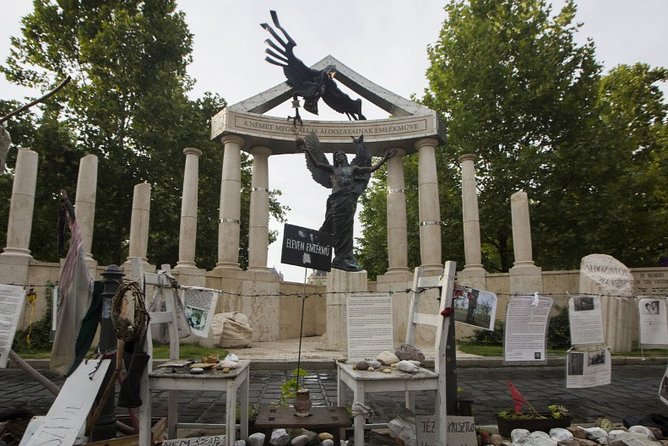
The final stop is the Memorial to the Victims of the German Invasion, also focused largely on Jewish victims. This one has a very specific emotional tone because it’s controversial. The memorial was erected under the cover of night, guarded by policemen, and protests have happened every day since it was established about ten years ago.
You’ll see why it’s controversial: how memory is handled, what counts as respectful, and how political pressure can shape public remembrance. This stop is free and brief—about 15 minutes—but it can feel heavier than longer attractions.
It’s also the moment where you’ll understand the tour’s theme about Judaism today. Remembrance isn’t frozen in the past. In Budapest, even modern memorial decisions can still spark real conflict in the present.
Price and value: what $80.86 really buys you
The tour price is $80.86 per person, and on paper that can seem like a lot for three hours—until you look at what’s included.
What you’re paying for:
- A local licensed guide
- A small group format
- Structured time at major memorials and the synagogue complex
- A guide who can answer questions and tie sites to real community history
What you’re not paying for:
- Transportation
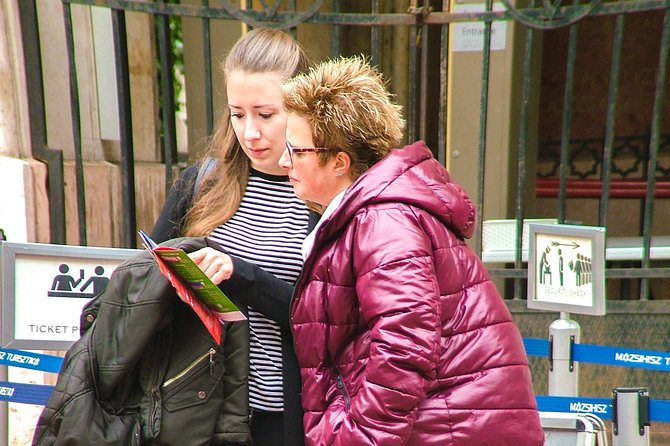
- The Dohány Street Synagogue entrance (about €26 per person)
So your real budget should include the synagogue ticket on top of the tour price. Even then, the value holds for a simple reason: you’re not just buying access. You’re buying context, pacing, and a guide who can explain what you’re seeing while you’re there.
Also, the tour isn’t trying to fill your day with stops you’ll forget. It keeps it focused: one major complex, one quick but powerful riverside memorial, and one historically and politically charged memorial.
Tickets, timing, and practical logistics that matter
A few practical notes make this tour easier:
- You’ll use a mobile ticket.
- Confirmation happens after booking (within about 48 hours, depending on availability).
- The tour has good-weather dependency, so if conditions are bad it may switch dates or refund.
- It’s offered in English.
- It runs on foot and transit connections because transportation isn’t included.
In my view, the best move is to plan your morning so you’re not rushing. Arrive a little early at Deák Ferenc tér. Even with a clear meeting point, you’ll have an easier start if you’re not juggling trains and backpacks.
How to get the most out of Edith’s tour (ask these questions)
Edith’s guiding style is built around dialogue. So don’t be shy. Here are smart questions that fit what this tour is designed to cover:
- What does being Jewish in Hungary look like today, and how do you see that on the streets around the Jewish Quarter?
- How should I think about the difference between memorial design and what people want to remember?
- Why were the synagogue complex parts—like the garden and cemetery—so important for the community?
- How did the city’s Jewish life change after World War II?
- How do you interpret the protests tied to the German Invasion memorial?
When you ask questions like these, you’ll get more than facts. You’ll get a way to connect the past to what you’re seeing right now.
Who should book this Jewish Heritage tour?
This is a strong fit if you:
- Want a focused Jewish heritage walk that connects synagogue life to WWII-era memory
- Prefer a small group and a guide who invites questions
- Like meaningful context more than a speed-run of photos
It’s also a good choice if it’s your first trip and you want a concentrated “core sites” experience without committing to a full day.
Emotional content note: expect moments that stick
This tour includes memorials tied to mass murder and persecution. Shoes on the Danube Bank is devastating by design. The German Invasion memorial is controversial and politically charged. Plan your day so you’re not immediately hopping onto something that requires lots of energy and upbeat mood.
After the tour, you may want a slower lunch, a calmer museum, or just a long walk to let everything settle.
Should you book this tour? My honest take
Yes—if you want an authentic, guided Jewish Heritage experience in Budapest that explains what you’re seeing and why it still matters.
The biggest reasons to book are practical:
- You get a licensed guide who can connect the sites to today.
- The group is small enough for real discussion.
- The tour hits the big emotional anchors without turning into a rushed marathon.
The only real reason to pause is the extra synagogue entrance fee. If you’d rather keep costs strictly inside the listed tour price, that matters. But if you’re okay budgeting for the €26 ticket for access inside the synagogue complex, this is the kind of tour that leaves you with understanding, not just photos.
FAQ
How long is the Jewish Heritage tour?
It runs for about 3 hours.
What is the meeting point?
You meet in Budapest at Deák Ferenc tér, Hungary.
What are the main stops on the tour?
You visit Dohány Street Synagogue (including the synagogue building, the Raoul Wallenberg Memorial Garden, and the Jewish Cemetery), Shoes on the Danube Bank, and the Memorial to the Victims of the German Invasion.
Is the Dohány Street Synagogue entrance fee included?
No. The synagogue admission is not included and is about €26 per person.
How much is the tour per person?
The price is $80.86 per person.
Is the tour offered in English?
Yes, it is offered in English.
How big is the group?
It is described as a small group, with a maximum around ten for a more personalized experience, and an overall cap listed as up to 13 travelers.
Is transportation included?
No. Transportation is not included.
What is the cancellation policy?
You can cancel for a full refund up to 24 hours before the experience’s start time, and the tour requires good weather. If canceled due to poor weather, you’ll be offered a different date or a full refund.
When will I get confirmation after booking?
Confirmation is received within 48 hours of booking, subject to availability.