REVIEW · CHARLESTON
Walking history tour Charleston SC
Book on GetYourGuide →Operated by Historic Charleston Tours · Bookable on GetYourGuide
Charleston rewards slow walking, especially when you have a sharp guide. This 2-hour walking history tour takes you through the oldest part of town, with stops tied to major events and movie-and-stage fame. I love how it mixes big landmarks (like Rainbow Row and White Point Gardens) with the quieter details that explain how Charleston grew.
Two things I especially liked: you’ll see Charleston’s original walled-city area while still getting present-day context for what you’re looking at, and the guide connects key Revolutionary and Civil War moments to specific viewpoints. A possible drawback is that it’s not suitable for mobility impairments or wheelchair users, so you’ll want to be comfortable on foot before you go.
In This Review
- Key Things You’ll Notice on This Walking Tour
- Meeting at 1 1/2 Meeting Street and Getting Oriented Fast
- What “Small Group History” Looks Like in Real Life
- Charlestowne and the Original Walled City: Why the Neighborhood Layout Matters
- Rainbow Row: More Than a Famous Photo Line
- Charleston’s Biggest Homes, Including the Williams Mansion (25,000 sq. ft.)
- Churches and Museum Houses: The Quiet Backbone of the Historic District
- High Battery Stories: Revolutionary War, Civil War, and Battery Wagner
- Tradd Street and The Patriot: Watching for Film Geography
- Church Street and Catfish Row in Porgy and Bess
- Who This Tour Is Best For (and Who Might Want a Different Plan)
- Price and Value: $47 for a Licensed Guide and a Tight Route
- The Guide Factor: Mike’s Stories and Local Detail
- Tips to Get the Most Out of Your 2-Hour Walk
- Should You Book This Walking History Tour?
- FAQ
- How long is the Charleston walking history tour?
- What’s the group size?
- Where is the meeting point?
- Is the tour guided?
- What major sights are included?
- Does the tour include food or drinks?
- Is it wheelchair accessible?
- Does it run in bad weather?
Key Things You’ll Notice on This Walking Tour
- The original walled city site in the Charlestowne neighborhood, giving you a fast sense of how Charleston was laid out
- Rainbow Row as a signature photo stop, paired with practical context about the streetscape
- Charleston’s largest homes, including the Williams mansion at 25,000 sq. ft.
- High Battery viewpoints where the guide talks Revolutionary War and Civil War events, including Battery Wagner tied to Glory
- Tradd Street filming locations, including a stop connected to The Patriot
- Church Street sights connected to Catfish Row in Porgy and Bess
Meeting at 1 1/2 Meeting Street and Getting Oriented Fast
You start at 1 1/2 Meeting Street, on the very southern end of Meeting Street. If you’re new to Charleston, this is a smart staging point because it drops you right into the Historic District rhythm quickly.
This is a small group tour limited to 10 participants, which matters more than you might think. In a bigger group, you end up watching from the back; here you’re close enough to hear the guide’s explanations and ask simple questions as you walk.
You can also read our reviews of more tours and experiences in Charleston.



What “Small Group History” Looks Like in Real Life
The tour runs 2 hours and is led by a licensed city guide in English. You’ll be walking steadily through the historic core, with the guide pointing out features you’d otherwise miss: street alignments, building scale, and why certain locations mattered during wars.
It’s also rain or shine, so plan clothing accordingly. Charleston weather can change fast, but the experience is designed to keep moving even when the sky isn’t cooperating.
Charlestowne and the Original Walled City: Why the Neighborhood Layout Matters
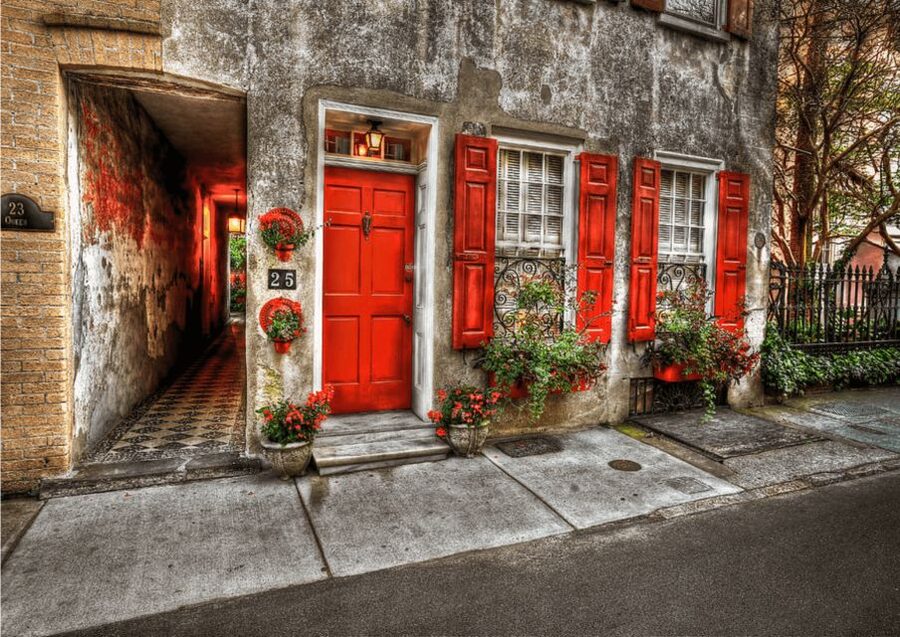
The centerpiece feeling of this tour is being in the oldest part of Charleston, the Charlestowne neighborhood. You’re not just looking at pretty buildings—you’re learning how the city used walls and placement to protect itself.
The guide includes the site of the original walled city, which is where a lot of people’s understanding clicks. Once you see where the city’s defensive thinking started, you can better read the street shapes and how neighborhoods developed outward from them.
Rainbow Row: More Than a Famous Photo Line
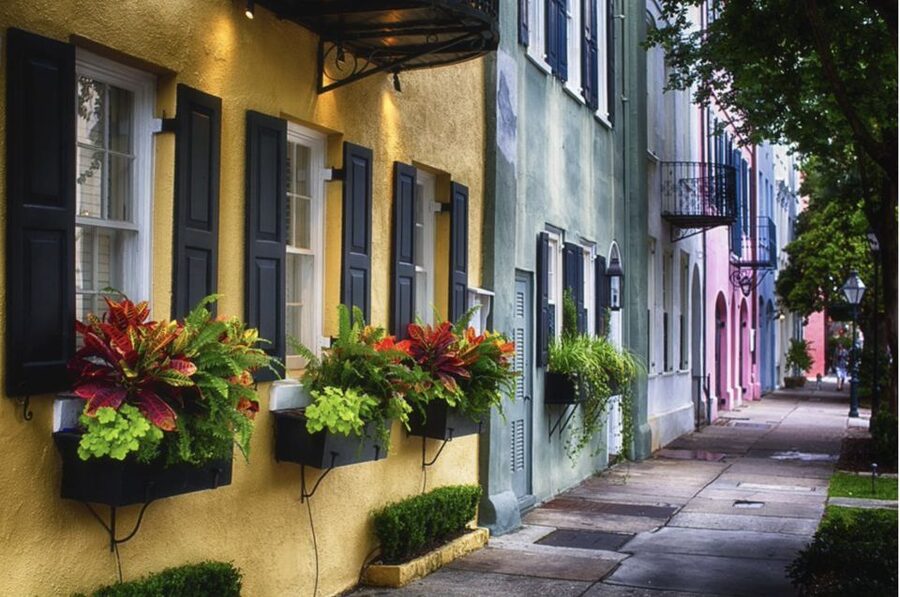
You’ll see Rainbow Row, Charleston’s most recognizable streetscape. It’s easy to treat it like a photo stop, but this tour makes it more useful by tying what you see to Charleston’s growth and the scale of what survived.
This is a classic place to appreciate details: the spacing of the homes, how the street behaves on foot, and how the architecture fits together. Even if you’ve seen pictures already, you’ll likely slow down once you understand what you’re actually looking at.
Charleston’s Biggest Homes, Including the Williams Mansion (25,000 sq. ft.)
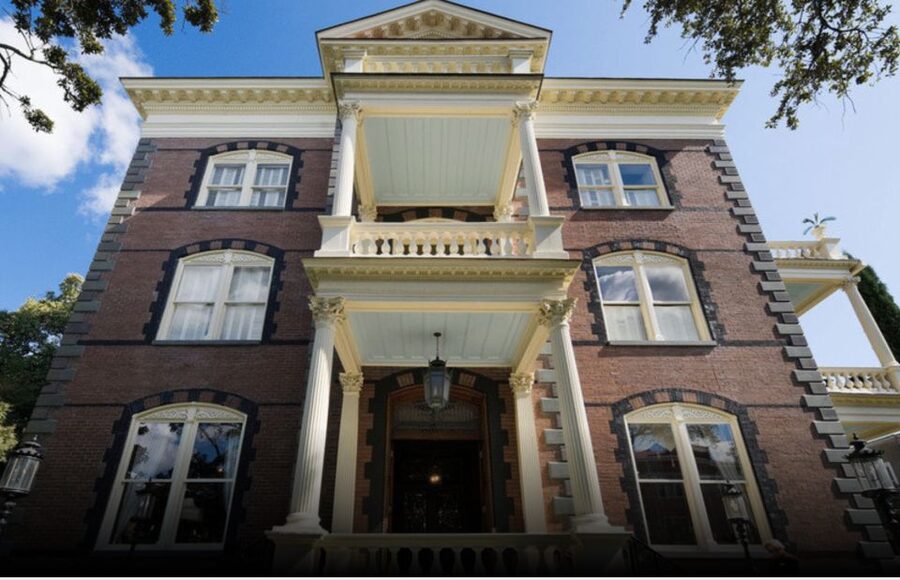
One of the strongest “wow” segments is the stop devoted to Charleston’s largest homes, including the Williams mansion at 25,000 sq. ft. The tour doesn’t frame it as bragging rights. Instead, it’s about understanding wealth, domestic life, and how a grand house signaled power in a city where status mattered.
You’ll also encounter White Point Gardens, which is a great contrast to the mansion scale. Gardens pull the eye out, while big homes pull your attention up and inward. Together, they give you a clearer sense of how Charleston balanced public beauty with private grandeur.





Churches and Museum Houses: The Quiet Backbone of the Historic District
The walking route includes some of Charleston’s oldest churches and museum houses. These stops matter because they show continuity. Streets and buildings can change around them, but places of worship and historic interiors often preserve the city’s identity.
If you’ve only toured Charleston via major highlights, this is where you build a more human picture. You start to see the historic district as a lived-in place, not just a set of postcard backdrops.
High Battery Stories: Revolutionary War, Civil War, and Battery Wagner
A key part of the tour happens when you walk the High Battery. This is where the guide brings the past into focus using the viewpoints you’re literally standing on.
You’ll hear about both the Revolutionary War and the Civil War, with attention to the battle of Battery Wagner—the one featured in Glory. The value here is that you’re connecting story to location. Instead of memorizing dates, you’re learning why this area mattered strategically and how the terrain shaped outcomes.
Practical tip: this segment is where you’ll benefit most from good shoes and patience. Even on a short walking tour, historic districts involve uneven surfaces and small hills.
Tradd Street and The Patriot: Watching for Film Geography
You’ll also walk Tradd Street, a place tied to scenes from the film The Patriot. This is one of those stops that can feel fun even if you’re not a movie person, because film locations teach you how a filmmaker “reads” a neighborhood.
The guide’s approach helps you see beyond trivia. You’re paying attention to street width, building fronts, and how the block feels when you walk it. That’s why this kind of stop is useful: you’ll look at the street differently long after the tour ends.
Church Street and Catfish Row in Porgy and Bess
On Church Street, you’ll see Catfish Row, made famous through Porgy and Bess. For many people, this is the moment they realize how Charleston’s reputation has traveled across mediums—opera, theater, film, and then back to the streets themselves.
This part of the tour works especially well if you like cultural context. You’re not just collecting names; you’re learning how Charleston’s identity shaped art and storytelling.
Who This Tour Is Best For (and Who Might Want a Different Plan)
This experience fits best if you want a high-impact orientation to Charleston’s historic core in a short time. It’s also a great choice if you enjoy history that’s anchored to real places, including war stories and the connections to popular culture.
You might want to skip it if you’re dealing with mobility limitations, since it’s not suitable for wheelchair users and people with mobility impairments. Also note it’s focused on walking and sights rather than comfort stops, so it’s best if you can handle a couple of hours outdoors.
Price and Value: $47 for a Licensed Guide and a Tight Route
At $47 per person for a 2-hour guided walk, you’re paying for two main things: a licensed city guide and a route that hits major landmarks without wasting time. This is the kind of spending that feels worth it if you want to understand what you’re seeing quickly.
The route covers big names and recognizable streets—Rainbow Row, White Point Gardens, plus the largest-home stop with the Williams mansion (25,000 sq. ft.)—and it also includes war and culture context at High Battery, Tradd Street, and Church Street. For many visitors, that combination is the difference between sightseeing and actually getting your bearings.
One small factor to consider: food and drink aren’t included, so you’ll want to plan a snack or a meal before or after. (Two hours goes faster when you’re not thinking about where to find coffee.)
The Guide Factor: Mike’s Stories and Local Detail
The strongest praise in the experience centers on the guide—specifically Mike Frederick. Multiple people highlighted that Mike brings a mix of facts about Charleston’s architecture, gardens, and history, plus local personality.
What I think makes a difference here is how the guide connects themes: the physical city, the war-era story, and the way Charleston shows up in pop culture. One review even called out that Mike goes further with strong restaurant recommendations. Even if you’re not hunting for food tips, that kind of local competence usually means better explanations on the street.
Tips to Get the Most Out of Your 2-Hour Walk
Wear shoes that work on uneven historic sidewalks and expect you’ll slow down at the photo stops. Bring a light layer if it’s cool, since you’ll be outside and moving.
If you like history, keep an open mind about how the guide handles major events. This tour doesn’t treat war as abstract—it ties it to specific areas you can see, like the High Battery viewpoint context around Battery Wagner.
And if you’re the type who likes to capture details, consider taking notes while the guide explains a spot. You’ll remember more when you can match the story to the street corner.
Should You Book This Walking History Tour?
Book it if you want a short, high-value way to understand Charleston’s historic core, including major sights like Rainbow Row, the largest-home stop, and the High Battery war stories tied to Glory. It’s also a strong pick if you enjoy tours led by a guide who clearly loves the city and communicates it well.
Skip it if walking for two hours isn’t realistic for you. And if you want food included or long museum-style stops, this isn’t that format. In most cases, though, this is exactly the kind of tour that helps you enjoy Charleston more once you’re on your own.
FAQ
How long is the Charleston walking history tour?
It lasts 2 hours.
What’s the group size?
It’s a small group with a limit of 10 participants.
Where is the meeting point?
You meet at 1 1/2 Meeting Street, at the very southern end of Meeting Street.
Is the tour guided?
Yes. It includes a licensed city guide who gives the live tour in English.
What major sights are included?
The tour includes Rainbow Row, the original walled city area in Charlestowne, White Point Gardens, and stops tied to High Battery, Tradd Street, and Church Street (including Catfish Row).
Does the tour include food or drinks?
No. Food and drink aren’t included.
Is it wheelchair accessible?
No. It’s not suitable for people with mobility impairments and wheelchair users.
Does it run in bad weather?
Yes. It takes place rain or shine.