REVIEW · CHARLESTON
Charleston History Tour – Small Groups Only – History & Alleyways
Book on Viator →Operated by Tour Charleston With Adam · Bookable on Viator
Charleston history, told at walking pace. This small-group tour keeps things personal with a maximum of 10 people, and Adam leads you through old streets, landmark-to-landmark stories, and the kind of details you can’t spot on your own. It’s a smart way to get your bearings fast and understand what you’re looking at as you walk.
I especially like how the tour mixes major sites with the lesser corners, including the forced reality of slavery’s impact, not just the pretty facades. One thing to consider: this is mostly a walk-and-stand tour, so it gives you views and context more than it delivers long museum time or full house access.
In This Review
- Key takeaways before you go
- A two-hour walk that makes Charleston make sense
- Small-group size: why 10 people changes everything
- Price and value: $28 for a tight route with real storytelling
- From Meeting Street to Waterfront Park: the route, explained
- Stop 1: The Powder Magazine (built 1713) and pirate storytelling
- Stop 2: French Huguenot Church and the French Quarter feel
- Stop 3: Dock Street Theater (1736) and a peek inside
- Stop 4: Chalmers Street and the Pink House
- Stop 5: Old Slave Mart Museum area—history outside the walls
- Stop 6: Broad Street (laid out 1680) and commerce
- Stop 7: Rainbow Row, with actual context
- Stop 8: Exchange Building (1771) and the Revolution connection
- Stop 9: Waterfront Park and the Pineapple fountain finish
- How Adam’s guide style keeps the walk fun and useful
- What to bring and when the weather matters
- Who should book this Charleston history tour
- Should you book it?
- FAQ
- How long is the Charleston history tour?
- How much does the tour cost?
- What group size should I expect?
- Where does the tour start and end?
- Is the tour offered in English?
- What should I bring for the walk?
- What happens if the tour is canceled due to weather?
Key takeaways before you go
- Max 10 people means you’ll actually hear the stories and ask questions
- Adam’s storytelling adds humor and clear context to famous (and overlooked) places
- Free-entry stops are built into the route, so your time stays efficient
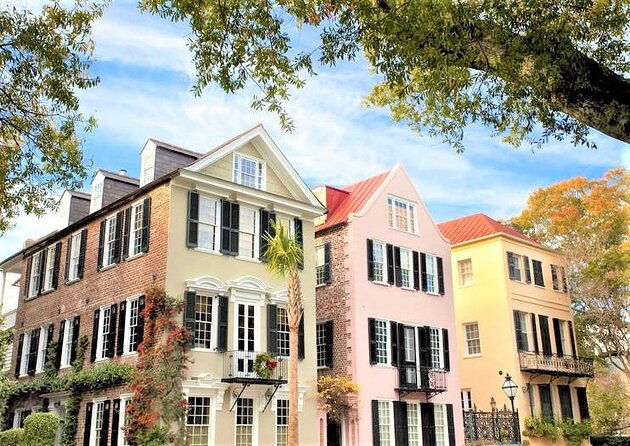
- Old streets + alleyways help you understand Charleston’s layout and surprises
- A smart end point at Waterfront Park gives you a breather with harbor views
A two-hour walk that makes Charleston make sense

If Charleston is your first stop in the South, you’ll feel the city’s layers right away. You’ll stand on streets that were planned for trade centuries ago, then turn the corner and hear how those same blocks fit into pirates, churches, theaters, and the American Revolution. The best part is pacing: you’re never stuck listening forever, and you’re not hopping around town in big crowds.
This tour is built for orientation. In about 2 hours, you get a storyline thread that connects the waterfront to the older downtown blocks. That helps later when you’re picking what to visit on your own, because you’ll already know why each place mattered.
You’ll also get an active walking experience that stays manageable. You do need moderate physical fitness for a city walk, but the stops are timed so you’re not rushing through everything. Bring your walking shoes and plan to slow down just enough to notice details you might otherwise miss.
You can also read our reviews of more tours and experiences in Charleston.



Small-group size: why 10 people changes everything
A maximum of 10 travelers is the whole point here. With a smaller group, Adam can keep the walk moving without turning it into a conveyor belt. You can hear the guide clearly at each stop, and you’re not competing with a wave of chatter from a larger tour.
This also changes the vibe. Instead of just hearing a script, you’ll get room for questions and back-and-forth as you go. That matters in Charleston, because the city’s history isn’t one-note. You’ll hear stories that include the painful parts, and you’ll have time to ask what you want to understand.
It’s also why the route works for families and mixed groups. One review mentioned a family with kids doing great on the walk, and the general pattern fits: short explanations, quick looks, then move on. If you like tours where you feel like a person, not a ticket number, this setup fits.
Price and value: $28 for a tight route with real storytelling
At $28 per person for about 2 hours, this isn’t “cheap” in the sense of being skimpy. It’s priced like a focused guided walk where you’re paying for the guide’s time and the organization of the route. You’re also getting a schedule that hits multiple high-value landmarks without making you waste hours figuring out logistics.
The itinerary is built around stops marked as free admission (the tickets are listed as free at each location). That doesn’t mean everything is free forever, but it does mean your guided visit time is efficient. You’re not paying extra just to stand at the gate and move on.
One more value factor: the tour tends to book ahead. The listing notes an average of 29 days in advance, which usually means weekends and prime time slots go fast. If Charleston is busy during your dates, book early so you’re not hunting for last-minute openings.
From Meeting Street to Waterfront Park: the route, explained
You start at 151 Meeting St and finish at the Waterfront Park near the Pineapple fountain. The whole walk is designed so you’re gradually moving through old Charleston’s most story-rich zones, not zigzagging all day.
Here’s what to expect in order, and why each stop matters.
Stop 1: The Powder Magazine (built 1713) and pirate storytelling
Your first big anchor is the Powder Magazine, built in 1713—the oldest public structure in South Carolina. It’s the kind of place that looks small at first, then gets more interesting as you hear why it existed and what it protected.
Then Adam adds a pirate thread. Even if you’ve heard Charleston pirate legends before, this is where the tour starts building connections: maritime trade, danger, secrecy, and the way the harbor shaped daily life. The stop is short (about 10 minutes), but it sets the tone for the rest of the walk.
Practical note: this is an early stop, so wear good shoes and get your water out early. You’ll be on your feet right from the start.

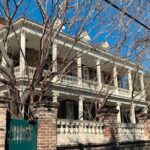
Stop 2: French Huguenot Church and the French Quarter feel
Next comes the walk into the French Quarter area around the French Huguenot Church. This is a shift from ship-and-coin energy into the community side of Charleston—where people built lives, worship, and identity around their roots.
The listed time is about 5 minutes. That might sound brief, but it works here because you’re using the stop to learn what makes the area feel distinct. You’re not trying to do a full religious history lecture; you’re learning enough to recognize the neighborhood’s character as you continue.
Drawback to know: if you want long interior time at every stop, this tour may feel fast. It’s better for understanding the city layout and the main historical arcs.
Stop 3: Dock Street Theater (1736) and a peek inside
The Dock Street Theater is next. It dates to 1736 and is noted as the first theater in the Colonies. That detail matters, because it tells you Charleston wasn’t just trading goods—it was also building culture and public life.
Your scheduled time is about 15 minutes, and in practice, the tour may include getting inside the theater. One review specifically called out visiting the interior as a plus, and that aligns with the guide’s approach of mixing street views with at least one historic interior whenever possible.
If you care about performing arts history, don’t rush past this stop. It’s one of the most concrete ways the city shows its long-term ambition, long before Hollywood-style tourism took over.
Stop 4: Chalmers Street and the Pink House
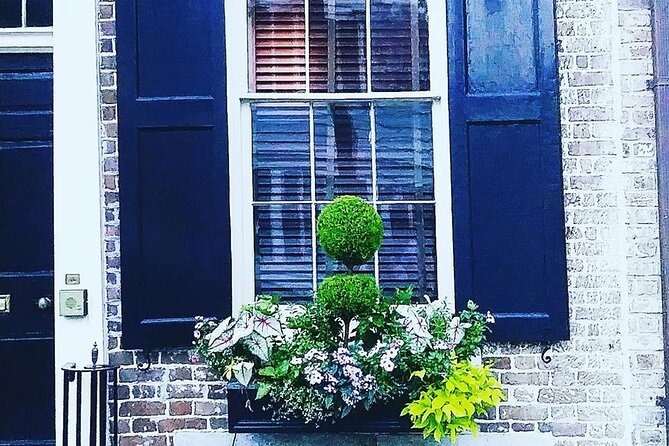
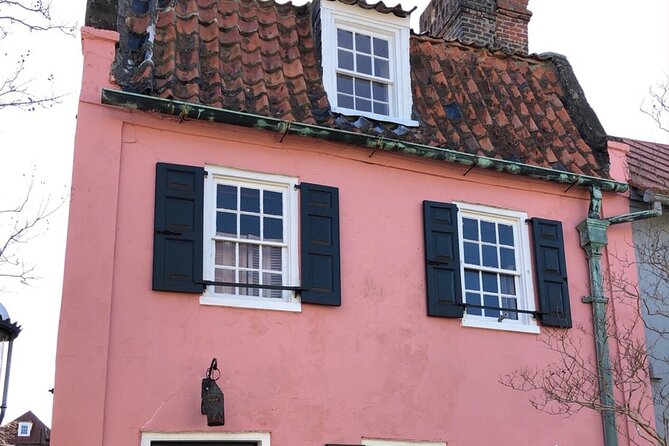
Now you hit Chalmers Street, a beautiful cobblestone lane lined with palmetto trees and crepe myrtle trees. The highlight here is the Pink House, described as one of Charleston’s oldest buildings.
This is also where the tour becomes good “Charleston photo logic.” You’ll learn what you’re seeing—why the color, the brickwork, and the placement matter. The stop is about 10 minutes, so it’s quick, but the explanation helps you see the architectural choices instead of just noticing the postcard look.
The tradeoff: many private houses aren’t open for viewing beyond what you can see from the street. If you want a full house tour, you might pair this walk with a separate ticketed property later.
Stop 5: Old Slave Mart Museum area—history outside the walls
At the Old Slave Mart Museum, you stand outside and discuss the huge impact slavery had on Charleston and its people. This stop is about honesty, not just aesthetics. It’s part of what makes this tour more than a highlights loop.
The listed time is about 10 minutes. You won’t get a long museum experience here, but you’ll leave with context that helps you understand what the museum represents if you choose to go inside afterward.
If you’re sensitive to heavy topics, plan for it. This isn’t a soft-focus version of Charleston. Still, it’s handled in a way meant to help you understand the city’s real past instead of skipping it.
Stop 6: Broad Street (laid out 1680) and commerce
Next is Broad Street, laid out in 1680 and described as the center of commerce in Charleston. Even if you only spend a few minutes here (about 5), the story helps you read the street like a timeline.
This stop connects the earlier maritime energy from the waterfront to the land-based business district. It also helps explain why Charleston’s downtown feels so structured—planned for movement of goods, money, and influence.
Stop 7: Rainbow Row, with actual context
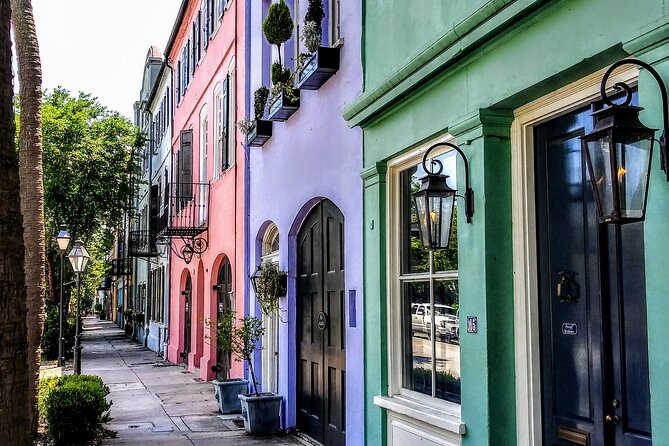
You get the classic Charleston photo stop: Rainbow Row. It’s scheduled for about 10 minutes, which is enough to snap pictures and hear what the buildings represent in the broader town story.
This is where you learn the difference between a view and a place. You’re seeing a row of colorful facades, sure, but you’re also hearing how this kind of architecture relates to wealth, development, and neighborhood evolution over time.
If you’ve seen Rainbow Row from tours already, you’ll still likely appreciate the added context. This isn’t only about looking; it’s about understanding why these buildings ended up here, and what they meant.
Stop 8: Exchange Building (1771) and the Revolution connection
Your next anchor is the Exchange Building, dated to 1771. The tour focuses on Charleston’s role in the American Revolution at this location.
Time is about 10 minutes, which means you’ll get clear, digestible context without getting lost in long lectures. This is a strong stop if you like history that links cities to national events.
Practical tip: this is one of those places where you’ll notice people around you doing sightseeing. Having a guide here helps you interpret what looks like a “historic building” but functions as a story about power, politics, and commerce.
Stop 9: Waterfront Park and the Pineapple fountain finish
Your tour ends at Waterfront Park near the Pineapple fountain, with views toward Charleston Harbor. The listed time is about 15 minutes, which gives you room to decompress and enjoy the scene.
This ending makes sense. You start with the city’s protective storage (Powder Magazine), move through neighborhoods, then land at the harbor—the place where so many of these stories ultimately connect.
If you’re hungry after the walk, this is a good spot to pivot into food planning. You’ll be in a high-energy area with easy options for the rest of your day.
How Adam’s guide style keeps the walk fun and useful
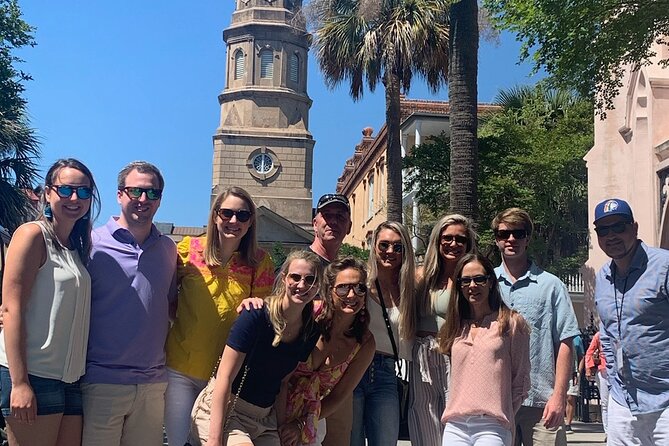
Adam’s approach isn’t “talk at you,” which matters more than people think. With a small group, he can adjust to what you’re curious about and answer questions as they come up. Multiple reviews praised his storytelling, his humor, and how well he explains both the geography and the history at the same time.
You’ll also notice how the tour uses short story bursts rather than long speeches. Each stop is timed, and the flow is designed so you’re always moving forward. That keeps the tour from turning into a lecture marathon.
One more detail to watch for: photos. A review noted photos were included, which can help when you’re standing on a street that has changed over time. Seeing an old image alongside the current view is often the best way to understand what’s “missing” from today’s skyline.
What to bring and when the weather matters
Charleston weather can be a curveball. The tour specifically suggests bringing an umbrella or rain coat, plus water and bug spray. That’s not just a random list—it’s practical advice for walking through shaded streets when humidity is high, or for sudden rain.
Wear footwear you like walking in. You’ll be on cobblestones at times, and those don’t reward flimsy shoes. If you’re visiting during hotter months, treat this like a warm-weather walk: hydrate early, and don’t wait until you feel thirsty.
Timing is flexible, but good weather helps. The experience notes it requires good weather, and if it’s canceled for poor conditions you’ll be offered a different date or a full refund.
Who should book this Charleston history tour
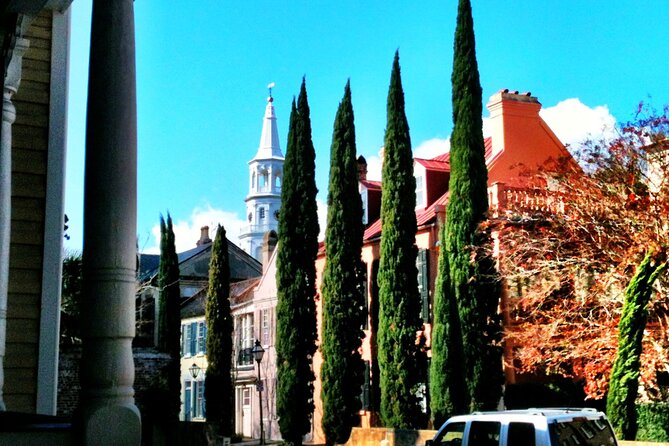
Book this if you want a strong first pass at Charleston. It’s perfect on day one because it gives you orientation, context, and a set of landmarks to build on. It also fits if you like walking tours where you can talk, not just listen.
It’s also a solid pick if you care about the full story—church history, theaters, commerce, and the reality of slavery’s impact. The route is designed to cover the big arcs, not only the sweet parts.
Skip it if you mainly want long museum time or extended inside visits to multiple buildings. This tour is built around short stops and city walking, so you’ll likely want to add separate ticketed attractions afterward if you want deeper dive experiences.
Should you book it?
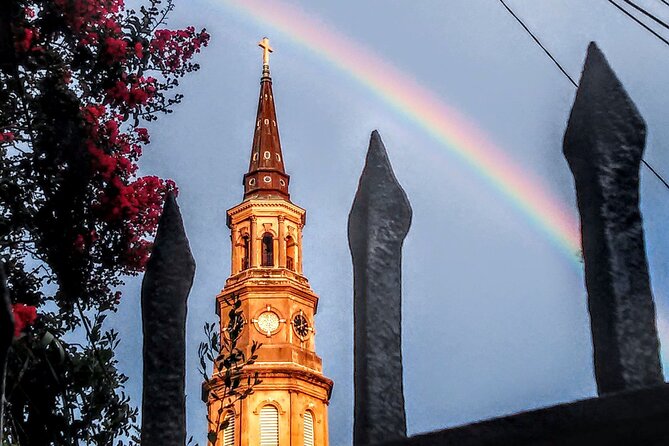
Yes, I’d book it if you want a smart, efficient introduction to Charleston with a guide who tells stories in a way you’ll remember. The value is strong for the price, especially with the 10-person max and the route hitting major landmarks like the Powder Magazine, Dock Street Theater, Rainbow Row, and the Waterfront Park finish.
If your main goal is to spend hours indoors at museums, you may find it shorter than what you want. But for most people—especially first-timers—this walk is a high-confidence way to understand the city fast and enjoy the day more.
FAQ
How long is the Charleston history tour?
The tour runs about 2 hours (approx.).
How much does the tour cost?
It costs $28.00 per person.
What group size should I expect?
The tour is limited to a maximum of 10 travelers.
Where does the tour start and end?
It starts at 151 Meeting St, Charleston, SC 29401, and ends at Waterfront Park near the Pineapple fountain.
Is the tour offered in English?
Yes, it is offered in English.
What should I bring for the walk?
Bring water, bug spray, and wear comfortable walking shoes. It also suggests an umbrella or rain coat since it rains a lot in Charleston.
What happens if the tour is canceled due to weather?
If it’s canceled due to poor weather, you’ll be offered a different date or a full refund.