REVIEW · KATHMANDU
Kathmandu World Heritage Sites Tour Sightseeing
Book on Viator →Operated by NBM Travel Company Pvt. Ltd. · Bookable on Viator
One day in Kathmandu can feel like a crash course in faith. This private tour hits four UNESCO World Heritage Sites in one smooth day, with a guide helping you connect Hindu and Buddhist stories to what you’re seeing in front of you. I especially like the hands-on explanations at Pashupatinath Temple and the calm, panoramic feel at Swayambhunath, where the city view makes the whole day click. One thing to consider: you’re doing four major stops, so it’s not the type of outing where you linger forever in every corner.
You’ll start with pickup in a private vehicle, then move site to site without the usual Kathmandu shuffle. It’s priced at $183 per person and runs about 6 to 8 hours, with lunch and admission tickets included—so you can focus on the places instead of the logistics. Also, the guide experience is a highlight here: people consistently praise friendly, accommodating guidance and memorable viewpoints.
In This Review
- Key points worth knowing before you go
- Why four UNESCO sites in one day works in Kathmandu
- Price and logistics: what $183 buys you (and what to watch)
- Stop 1: Pashupatinath Temple and the Bagmati River ambience
- Stop 2: Boudhanath Stupa, prayer wheels, and Tibetan monastery views
- Stop 3: Swayambhunath Monkey Temple, Hindu-Buddhist links, and city views
- Stop 4: Kathmandu Durbar Square—Malla and Shah royal art and Kumari devotion
- How long the day really feels: managing 6 to 8 hours of sacred space
- What the guide actually improves (beyond facts)
- Who should book this Kathmandu UNESCO tour
- Should you book this tour?
- FAQ
- Which UNESCO World Heritage Sites are included?
- How long is the tour?
- Is hotel pickup and drop-off included?
- What time does the tour start?
- What’s included in the price?
- What languages does the guide speak?
- What’s the cancellation policy?
Key points worth knowing before you go
- Private vehicle + hotel pickup so you spend less time wrestling transit and more time at the sites
- Four UNESCO stops packed into a day: Pashupatinath, Boudhanath, Swayambhunath, and Kathmandu Durbar Square
- Admission tickets included at each site, so the day flows without extra counter time
- Lunch included, which matters when you’re going temple to temple for 6 to 8 hours
- Mani walls, prayer wheels, and monastery surroundings at Boudhanath make this feel distinctly Tibetan in Kathmandu
- Monkey Temple energy at Swayambhunath adds a playful edge to a very spiritual hilltop
Why four UNESCO sites in one day works in Kathmandu
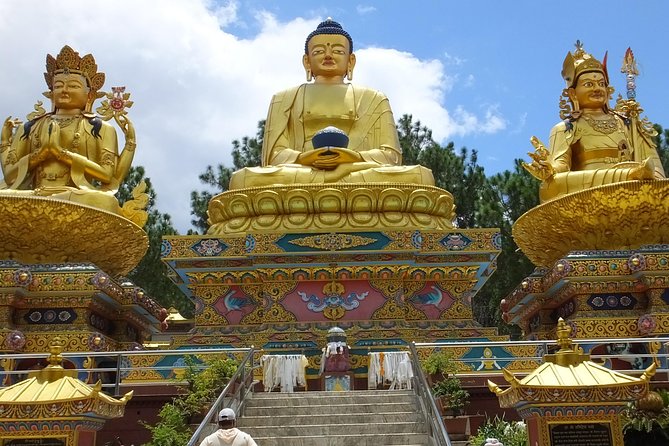
Kathmandu’s top sights aren’t far apart on a map, but they can be far apart in real time—traffic, short walks, and the rhythm of crowds at holy places all slow things down. This tour’s big advantage is that it treats the day like a guided route, not a hop-on hop-off scavenger hunt. You get a private vehicle, pickup and drop-off back at the meeting point, and a guide to keep the history understandable.
The other reason this setup works is that the sites talk to each other. You’re not just ticking boxes. You’re moving through Hindu and Buddhist space in a way that helps you see patterns: sacred architecture, devotional practices, and how different traditions coexist in the city. When your guide explains what you’re looking at—things like Shiva worship at Pashupatinath or the Buddha imagery and Hindu temples around Swayambhunath—the day feels connected instead of random.
You also get a built-in pace. Each stop is about an hour, which is long enough to take in the main structures and understand the basics, but short enough to avoid the common problem of spending half your day waiting around.
You can also read our reviews of more tours and experiences in Kathmandu.

Price and logistics: what $183 buys you (and what to watch)
At $183 per person for about 6 to 8 hours, the value hinges on what’s included. Here you’re not just paying for a checklist. You’re paying for private transport, pickup and drop-off, a guide who can work in multiple languages (English/Chinese/Hindi), lunch, and admission tickets for the sites.
If you’ve ever tried to self-plan UNESCO sites in Kathmandu, you’ll know the hidden costs: time lost to finding the right entrance, paying for each ticket separately, and trying to coordinate transportation between four different areas. This tour removes those friction points. Even if you’re used to traveling independently, the private format helps you spend energy where it matters—looking, listening, and asking questions.
What to watch: you’ll still be moving. Four stops in one day means you should plan for walking on uneven ground and climbing temple stairs when needed. The itinerary also includes a lot of sacred space, so you’ll want to bring your patience and keep expectations realistic: you’re there for atmosphere, not a quiet museum-like experience.
Stop 1: Pashupatinath Temple and the Bagmati River ambience
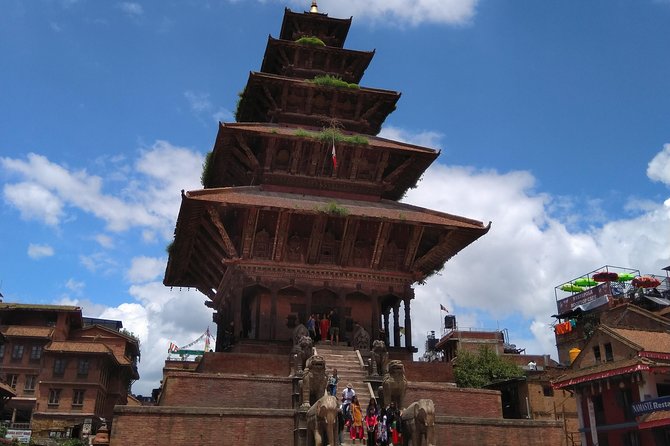
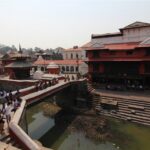
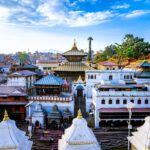
Pashupatinath is the kind of place that makes your senses pay attention. It’s dedicated to Lord Shiva, and the site’s character comes through quickly: it feels active with devotion, filled with Hindu deities, and closely tied to the Bagmati River.
I like how this stop is framed around atmosphere, not just monuments. Even if you don’t know much about the theology going in, the guide helps you read what you’re seeing. You can sense the religious significance in the way the temple space is used and in the traditions you observe around the complex.
And yes, it’s also famous for monkeys. That doesn’t mean the whole experience becomes a zoo—it just adds that Kathmandu quirk you’ll remember. Keep your eyes open, because the monkey activity can affect how quickly you move through certain areas, especially if you’re aiming for good photo angles.
This stop is about one hour and includes the admission ticket, so you’ll get enough time to understand what’s special and still stay on pace for the rest of the day.
Stop 2: Boudhanath Stupa, prayer wheels, and Tibetan monastery views
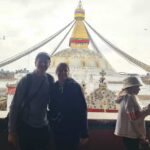
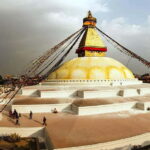
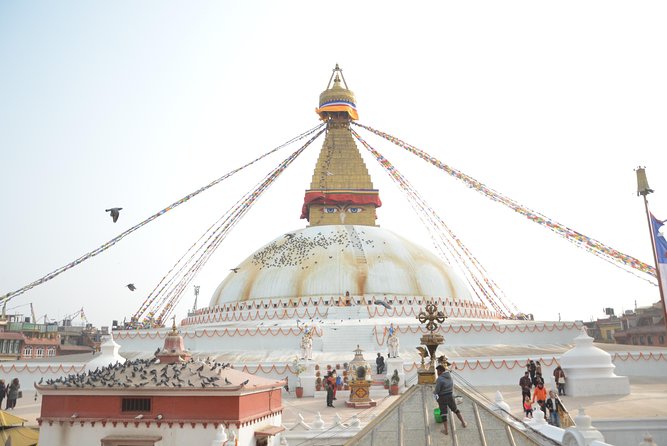
Boudhanath is one of South Asia’s largest stupas, and the scale is part of why it hits so hard. Around it you’ll see the surroundings associated with Tibetan Buddhism—Tibetan monasteries in the area give the stupa a distinct cultural setting compared to the purely Hindu-feeling spaces you’ll visit later or earlier.
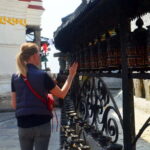
What makes this stop feel practical and immersive in a good way is the devotional design language. You’ll notice Mani walls and prayer wheels throughout the area. The guide can connect these elements to Buddhist practice, which helps you avoid treating the stupa like an isolated landmark. Instead, it becomes a place where people actively engage with their faith.
There’s also food. The tour description points out that you can explore Tibetan-style options around the area, which is a nice bonus because Boudhanath often sets a different tempo from the faster temple-photo routine. Even if lunch is already included later, you may find this is where your curiosity for flavors and small snacks kicks in.
Like the other major sites, you’re here for about one hour with the admission ticket included—enough time to walk the area, take in the stupa, and understand why so many visitors treat Boudhanath as a spiritual pause during a Kathmandu itinerary.
Stop 3: Swayambhunath Monkey Temple, Hindu-Buddhist links, and city views
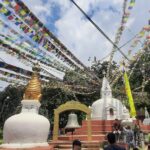
Swayambhunath is often called the Monkey Temple, and the nickname is earned. You’ll see monkeys on the hill and you can take photos of them as part of the experience. But the real reason Swayambhunath earns a spot near the top of most Kathmandu UNESCO days is its mix of traditions.
This is where you start seeing unity in diversity, in a way that’s visible rather than theoretical. The tour highlights that the temple area is known for joining Buddhist and Hindu cultural themes. You also have the chance to visit spaces tied to Hindu worship nearby—specifically Harati Temple and Saraswati temple mentioned in the tour details. That matters because it reframes Swayambhunath from a single-faith viewpoint into a place where religious boundaries overlap in everyday life.
Don’t miss the Buddha-themed artwork. The tour description notes stone carvings showing the life cycle of Buddha, along with sculptures across the complex. If your guide points these out, you’ll get more out of your walking time than you would by simply looking for the biggest stupa structure.
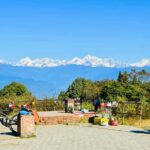
Then there’s the payoff: the view. From atop the hill, you can position yourself for a look over beautiful Kathmandu. This kind of viewpoint isn’t just a photo moment. It’s the moment where you understand why hilltop sacred spaces matter—sight lines, movement, and the feeling of looking out from a symbolic high point.
Another helpful detail: this stop also includes admission and is scheduled for about one hour, which keeps the day moving without rushing through everything important.

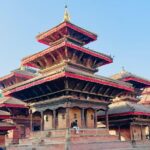
Stop 4: Kathmandu Durbar Square—Malla and Shah royal art and Kumari devotion
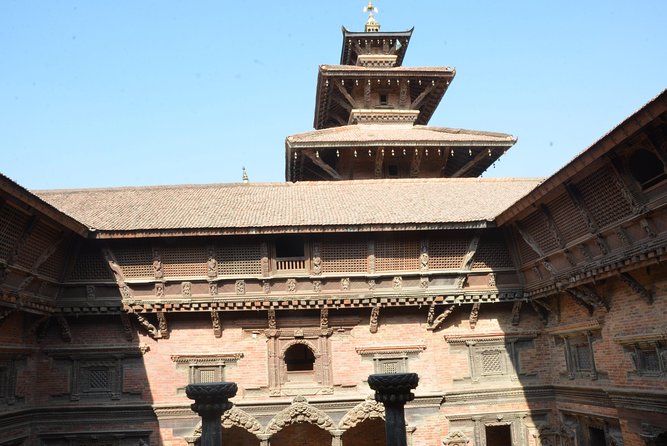
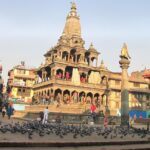
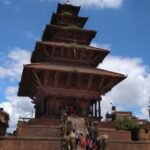
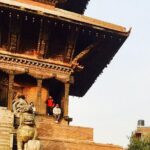
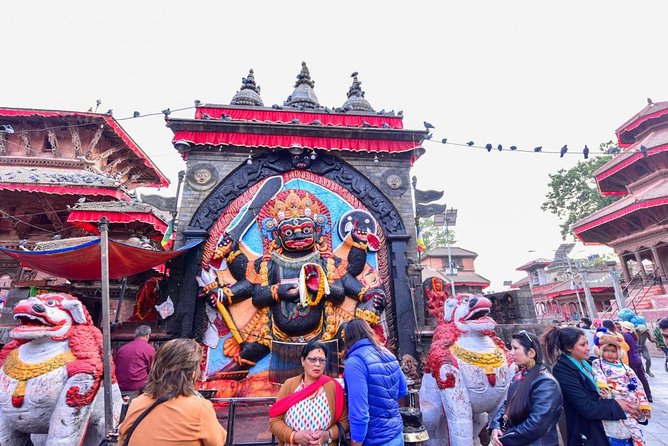
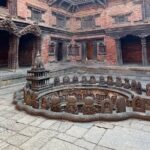
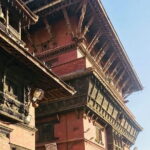
Kathmandu Durbar Square can feel like stepping into a living gallery of carved stone, temples, and royal-era design. The tour calls out handmade arts and links the complex to the late kings, referencing the Malla and Shah Dynasty periods from the 12th to the 18th century. That timeline helps you understand why the square looks like it belongs to a long arc of Kathmandu power and craftsmanship.
Here are the key places you’ll encounter in this stop: Hanuman Dhoka, Taleju Mandir, Hanuman Temple, the Royal Palace, and the Kal Bhairab temple. These aren’t random stops inside the square; they’re the main anchors that explain how the royal court connected to Hindu devotion and public space.
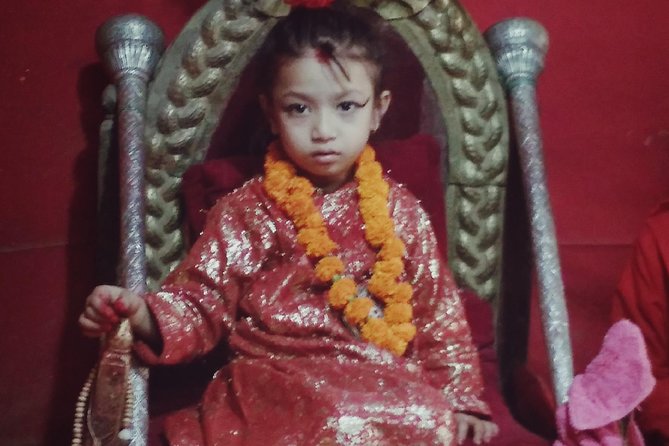
One of the most meaningful parts of the tour is the focus on sacred figures in the Durbar Square area. The description points out the sacred home of Shiva and Parvati, plus the presence of the living goddess, Kumari. That’s not just trivia. In a place like Kathmandu Durbar Square, these devotional elements explain why the square still matters beyond history. People don’t come here only to admire old architecture; they come for spiritual connection and tradition.
The tour highlights that even an atheist would find something divine here, mostly because of the visuals and the energy of the place. I’d put it more practically: you’ll feel the intensity of ritual space and the way the architecture supports belief.
You’ll have about one hour at Durbar Square, with admission included, which works well because the area is detailed. With a guide, you won’t get lost in the maze of stonework.
How long the day really feels: managing 6 to 8 hours of sacred space
A 6 to 8 hour day sounds simple until you do it. Four stops means you’ll spend roughly an hour per site, and that includes a mix of walking, looking, and listening. Because the tour is private, the pace can adjust a bit to your needs, and your guide can point out what to focus on so you don’t burn your time trying to decode everything alone.
The bigger time factor is transit between sites. With a private vehicle, that transit is easier to handle than public transport. Still, Kathmandu traffic and the movement required to reach temple entrances can stretch things. The start time is 9:15 am, which is smart. You avoid the worst heat and you give yourself a buffer for any delays.
Practical advice for your expectations: think of this as a guided overview day. You’ll get meaningful context at each UNESCO stop and a clear sense of what makes it important. But you won’t see every corner of every complex. If you want more time inside one specific place, plan to schedule a return visit on a separate day.
What the guide actually improves (beyond facts)
The strongest part of the reviews is the guide experience—friendly, accommodating, and genuinely helpful. That matters, because these sites can be overwhelming if you don’t know how to read them.
A good guide turns visual cues into understanding. For example:
- At Pashupatinath, the guide helps you connect the temple dedication to Shiva and explain why the space feels so intensely sacred, including the role of the Bagmati River area.
- At Boudhanath, the guide helps you see Mani walls and prayer wheels as devotional tools, not just decorative elements.
- At Swayambhunath, the guide helps you connect the Buddhist storytelling carved in stone with the Hindu shrine presence like Harati and Saraswati.
- At Kathmandu Durbar Square, the guide links the monuments to dynastic periods and points out what you should notice among Hanuman Dhoka, Taleju Mandir, the Royal Palace, and the Kumari tradition.
If you’re the type who asks questions, this tour is set up for you. Even if you don’t, you’ll still benefit from the explanations that keep you oriented through a complex day.
Who should book this Kathmandu UNESCO tour
This is a great fit if you want:
- Four UNESCO sites in one day with less planning stress
- A private format so the guide can keep you moving and answering questions
- A balanced look at Hindu and Buddhist cultural space
- A day that includes lunch and admission tickets, so you’re not constantly managing small logistics
It’s also ideal if you’re short on time in Kathmandu. If you have only a day to cover the top UNESCO highlights, the structure makes it doable.
If you’re a slow traveler who loves lingering for long periods inside a single site, you might find the pace brisk. In that case, I’d still recommend booking—but then choose one stop you want to return to on a later half-day.
Should you book this tour?
Yes, I’d book it if your goal is a high-value, guided UNESCO overview day. The combination of private vehicle + pickup, lunch, and tickets included is a real convenience win, and the route makes cultural sense as a progression through major sacred spaces.
I’d hesitate only if you strongly prefer unstructured time at one location or you dislike moving around between multiple sites in one day. If that’s you, spend more days in Kathmandu instead of compressing everything into 6 to 8 hours.
If you want a day that’s organized, explanatory, and still memorable—this one is a solid choice.
FAQ
Which UNESCO World Heritage Sites are included?
The tour includes Kathmandu Durbar Square, Swayambhunath Temple, Pashupatinath Temple, and Boudhanath Stupa.
How long is the tour?
The duration is about 6 to 8 hours.
Is hotel pickup and drop-off included?
Yes. The tour offers hotel pickup and drops in a private vehicle, and it ends back at the meeting point.
What time does the tour start?
The start time is 9:15 am.
What’s included in the price?
It includes an English/Chinese/Hindi speaking guide, hotel pickup and drop-off by private vehicle, guide and taxes, private transportation, lunch, and admission tickets at the listed stops.
What languages does the guide speak?
The guide is listed as English/Chinese/Hindi speaking.
What’s the cancellation policy?
You can cancel for a full refund if you cancel up to 24 hours before the experience’s start time. If you cancel less than 24 hours before, you won’t get a refund.