REVIEW · BUDAPEST
Budapest Jewish Heritage Memorial Walking Tour & Synagogue Entry
Book on Viator →Operated by Hungária Koncert Kft · Bookable on Viator
Budapest’s Jewish sites have a way of sticking with you. This small-group tour starts at the mighty Dohány Street Synagogue, then follows with Jewish museum stops and Holocaust memorials, with guides like Benji/Benjamin praised for story-telling and clear, on-the-ground context. I especially like how much you get for the money, including key admission tickets, and how the route balances big monuments with everyday life and architecture. One possible drawback: the synagogue segment can involve more sitting and listening than you’d expect if you prefer a faster, more walk-heavy pace.
You’ll be in good hands with guides who answer real questions, not just recite facts. People mention engaging guides such as Daniel, Barbara, and Barbie, and that matters here because the subject can be heavy, and you want narration that respects the tone. If you’re sensitive to long indoor stops, plan to wear comfortable clothing and bring the kind of patience that works well in places where history is literally on the walls.
In This Review
- Key Things to Know Before You Go
- Dohány Street Synagogue: where the story really begins
- Jewish Museum and Archives: art, daily life, and a hard room
- The old Jewish Quarter: streets that still carry memory
- Raoul Wallenberg Memorial Park: when a name becomes a story
- Essential vs. Grand: what changes in your route
- Grand Tour: extra synagogues, Orthodox architecture, and more memory
- Kosher sweets and the Carmel option: a practical reason to stay hungry
- Price and what you truly get for $83.44
- Group size, timing, and comfort tips for a smooth tour
- Who should book this Jewish Heritage tour
- Should you book it?
- FAQ
- Where does the tour start?
- How long is the tour?
- Are tickets and synagogue entry included?
- What language is the tour offered in?
- Do I get a mobile ticket?
- How many people are in the group?
Key Things to Know Before You Go
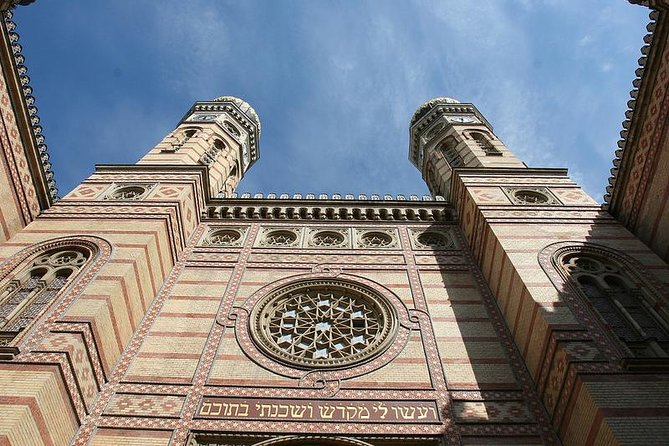
- Dohány Street Synagogue interior access where the guide sets context before you move through the space
- Jewish Museum and Archives time focused on art, Jewish everyday life, holidays, and a Holocaust-focused room
- Two route lengths: an essential 3-hour version and a longer grand option with more synagogues and memorials
- Holocaust memorials named for rescuers including Raoul Wallenberg, and in the grand tour Carl Lutz
- Kosher sweets at Fröhlich, with a 10% discount option at Carmel in the grand tour
- Max 15 people keeps the group tight, which helps with questions and pace
Dohány Street Synagogue: where the story really begins
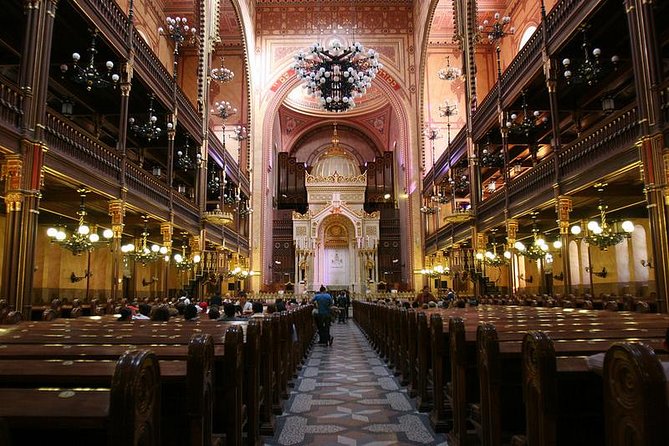
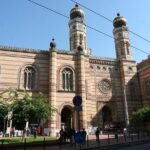
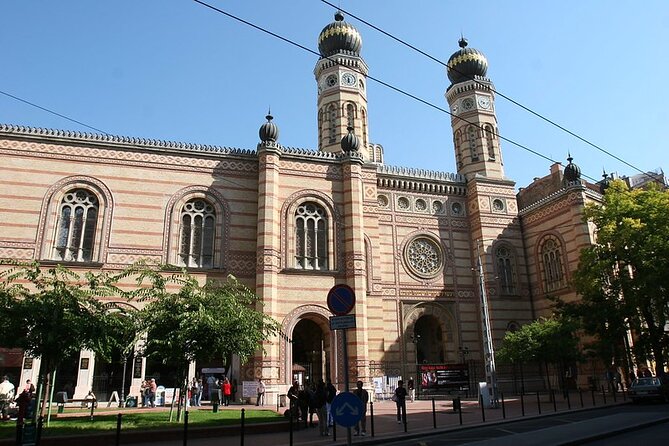
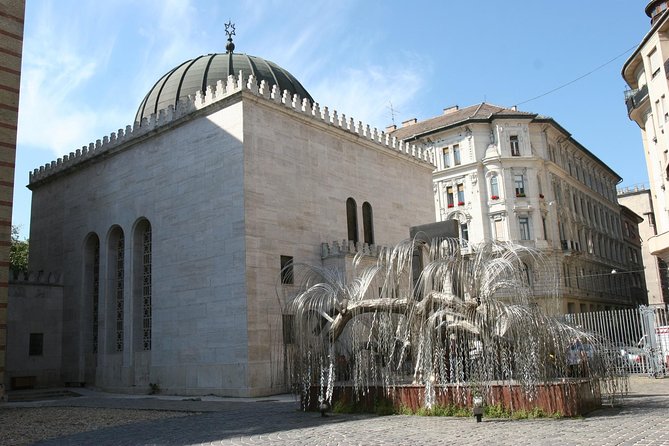
Your tour meet-up is at Dohány Street Synagogue (Dohány u. 2, 1074), and you start at 10:00 am with a small group. This is one of those places where the building does half the work for you. The synagogue is the largest in Europe and the second largest in the world, and even if you’ve seen big religious sites elsewhere, the scale here changes your sense of time.
Once inside, the guide doesn’t treat it like a photo stop. You get the “why this looks the way it does” background: how the community shaped the synagogue, how the building became part of Budapest’s Jewish identity, and how later history affected what people could practice and remember. This is also where guides like Benji/Benjamin get mentioned a lot, because they’re described as engaging, easy to follow, and willing to answer questions instead of rushing past them.
Practical note: the synagogue visit can feel like a mix of looking and listening. If you’re thinking you’ll do lots of moving around inside, be open to a more seated explanation first, then a slower walkthrough. It’s still a good value for the included time and admission, but it’s worth knowing if you’re the type who gets restless indoors.
You can also read our reviews of more tours and experiences in Budapest.

Jewish Museum and Archives: art, daily life, and a hard room
After the synagogue, you head to the Jewish Museum and Archives, with guided time built in. You’re not just left to wander. You’ll see how Hungarian Jewish heritage is presented through collections that include works by Hungarian and Eastern European artists, plus material that connects Judaism to holidays and everyday routines rather than treating it as only a historical topic.
This stop is one of the biggest reasons the tour feels worth it. Museums can be hit-or-miss on tours because the guide either speeds through everything or you’re stuck reading labels without context. Here, you get a local-style explanation that turns the galleries into a timeline you can actually understand.
And then there’s a separate room that commemorates the Hungarian Holocaust. This is the kind of place where you’ll likely want a slower pace and fewer distractions. If you come prepared for that emotional shift, the museum becomes more than educational. It becomes clarifying, showing how tragedy didn’t erase culture overnight—it interrupted lives, records, homes, and routines.
My advice: bring a bit of mental space for this part. If you’re traveling with someone who wants only upbeat sights, this segment may feel intense. If you want meaning and context, it’s a strong match.
The old Jewish Quarter: streets that still carry memory
As the walk continues, you pass through the old Jewish Quarter, including the story of how this area was used as a ghetto during World War II. You’re not looking at abstract dates here. You’re walking the streets where buildings and landmarks helped people understand what was taken, what was survived, and what was rebuilt.
A key stop in the essential route is Heroes’ Temple, which pays homage to lives lost during World War I. That detail matters because it widens the lens beyond the Holocaust alone. It reminds you that Jewish history in Budapest includes layers of loss and resilience across different periods, not one single catastrophe.
If you’re short on time in Budapest, this walking segment is practical. You’re learning what to pay attention to as you later explore independently: where to look for symbols, how architecture can signal community needs, and why certain memorials are placed where they are.
Raoul Wallenberg Memorial Park: when a name becomes a story
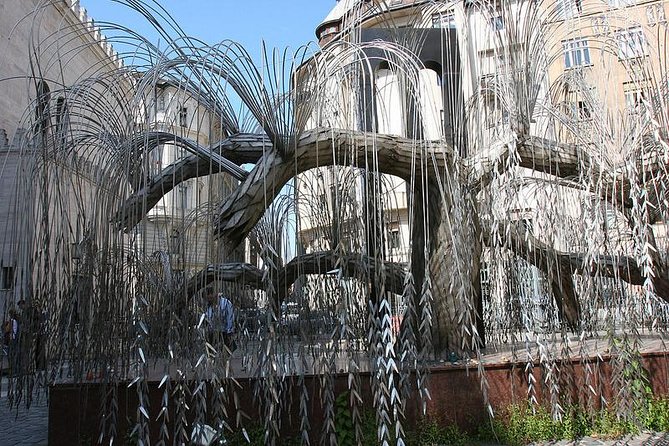
One of the most powerful stops on the essential route is the Raoul Wallenberg Holocaust Memorial Park. It’s named for Raoul Wallenberg, credited with saving thousands of Jewish lives. The guide’s job here is not only to explain who he was, but to connect the memorial to the real-world stakes of rescue during the war.
This is also where the tour’s tone tends to shift from learning to reflection. It’s easier to understand a memorial when you’ve already built the context in the synagogue and museum. By the time you reach the park, you’ve got the background to recognize why a single person’s actions can matter, and why memorials aren’t just objects—they’re part of how a city communicates its values.
If you appreciate stories that balance factual history with human behavior, this stop will land. It helps that guides are described as thoughtful and open to questions, because memorials often raise personal thoughts even when you came only for sightseeing.
Essential vs. Grand: what changes in your route
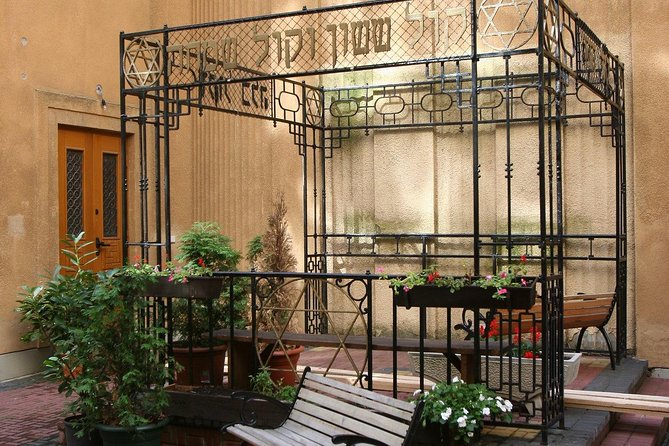
You get options. The essential tour is the fast, focused version that keeps you moving and wraps up around the core synagogues, museum time, and major Holocaust-era remembrance. The grand tour is longer and adds more religious sites and memorials, plus a few fun breaks that make the learning feel like an actual day out, not a classroom.
Here’s what the grand tour tends to add:
- A pass by the Gozsdu Udvar, a lively passageway you’ll recognize later when you’re wandering for dinner
- The Carl Lutz Memorial Park, named after another WWII rescuer
- More synagogue time, including Kazinczy Street Synagogue
- A kosher sweets stop and potentially a restaurant discount
If you’re the kind of traveler who likes to go deep enough to remember names and places, choose grand. If you’re on a tight schedule or you’re traveling with someone who gets tired from structured walking, the essential route still hits the big, meaningful landmarks.


Grand Tour: extra synagogues, Orthodox architecture, and more memory
The grand tour’s star for many people is Kazinczy Street Synagogue. This is the main synagogue of the Hungarian Orthodox Jewry, built in art-nouveau style, and described as one of the largest operating Orthodox synagogues in Europe. That architecture detail sounds like a sightseeing note until your guide explains why style, scale, and function matter to community life.
You’ll also spend time at Carl Lutz Memorial Park in the grand option. Like Wallenberg, Carl Lutz is tied to rescue during WWII. Having both memorial parks on your day gives you a broader view of how different individuals tried to protect lives, and how Budapest remembers those efforts.
There’s also a stop that fits travel rhythm: after the longer synagogue and memorial segments, you’re given a chance to reset at Fröhlich, a kosher sweets place. In the grand tour, you may be invited for cake at the glatt kosher Fröhlich confectionery. Alternatively, you can receive a 10% discount at the glatt kosher Carmel restaurant to use later that evening if you want to keep the experience going.
This is good planning. It turns the tour from a two-hour history lesson into a full-day thread that follows you into dinner.
Kosher sweets and the Carmel option: a practical reason to stay hungry
Food on tours can be random. Here, the sweets stop makes sense because it’s connected to Jewish life today, not only the past. The tour includes kosher Fröhlich Bakery and Café time in the overall experience description, and the grand version connects this to the Fröhlich confectionery invitation and the Carmel 10% discount option.
If you’re skeptical about mixing heavy history with dessert, I get it. But this stop gives you a small release valve. It also helps you remember this isn’t only about loss. Jewish Budapest still has daily culture you can experience.
One more practical note: if you’re the type who wants to eat as soon as the tour ends, plan that your timing will affect which restaurant you use. The Carmel discount is meant for later in the evening, so don’t assume you’ll use it immediately unless the schedule allows.
Price and what you truly get for $83.44
At $83.44 per person for the tour (about 3 hours for the essential route), you’re paying for three things that add up:
- Admission tickets included for key sights, including the Great/Central Synagogue and Jewish Museum experiences, plus Kazinczy on the grand tour
- A professional guide who ties buildings and memorials to story, questions, and context
- A route design that prevents the most common mistake: wandering the Jewish Quarter without knowing what to look for or how the sites connect
In other words, you’re not just buying entry into buildings. You’re buying the map inside your head. And that’s where guides like Benji/Benjamin and others earn the praise: clear explanations, engagement, and a sense that they genuinely care about what they’re showing.
If you’re cost-conscious, this is still a solid value because the synagogue and museum elements aren’t free, and the guide reduces guesswork. If you already have a lot of deep reading done and you prefer self-paced exploring, you might feel you’d rather spend less and walk alone. But for most visitors, this price makes sense because it compresses a lot into one day at a sensible pace.
Group size, timing, and comfort tips for a smooth tour
This is small group travel, capped at 15 travelers. That matters. It makes it easier to hear the guide, ask questions, and keep the pace from turning into a herding situation.
The tour also starts near public transportation, and there’s no hotel pickup, so you’ll want to arrive a few minutes early at the synagogue meet point. The experience uses mobile tickets, which is convenient if you don’t want to fuss with printed confirmations.
What to bring:
- Comfortable shoes, since you’re walking through multiple stops in Budapest
- A layer, because indoor air can feel colder than the street
- Patience for the more seated explanations (especially inside the synagogue)
- A question or two ready. Guides are described as open to questions, and that’s where the best moments can happen
Also, keep an eye on volume and pacing. One person felt the guide wasn’t loud enough, so if you rely on hearing clearly, stand closer when you can.
Who should book this Jewish Heritage tour
Book this if you want:
- A structured way to understand Budapest’s Jewish story across synagogue, museum, and memorial sites
- A guide who can connect architecture to real life and history
- A day that balances meaningful remembrance with practical sightseeing
I’d especially recommend it for first-time visitors who don’t have the time to research each site deeply. It also works well if you’re traveling with someone who likes history but doesn’t want to do it alone.
If your travel style is strictly “short stops, lots of movement, zero emotional weight,” this may feel like too much. On the other hand, if you want to understand why Budapest’s Jewish landmarks matter now as well as then, it’s a great match.
Should you book it?
Yes, if your goal is to see the Dohány Street Synagogue and Jewish Budapest with context, not just photos. The included admissions, the structured route, and the consistently praised guide style make it a smart value at $83.44 for a ~3-hour essential option. Choose the grand tour if you want extra synagogues, more memorial stops, and the kosher sweets/discount finale that turns learning into a full Budapest evening.
If you hate sitting in one place for long, go in expecting some of that inside the synagogue. But if you can handle a thoughtful pace, you’ll come away with names you remember and landmarks you understand.
FAQ
Where does the tour start?
The tour starts at Dohány Street Synagogue, located at Dohány u. 2, 1074 Hungary.
How long is the tour?
The tour duration is about 3 hours.
Are tickets and synagogue entry included?
Yes. The Great/Central Synagogue entrance is included. The grand tour option also includes entrance to Kazinczy Street Synagogue. Admission tickets to top sights are included as part of the tour.
What language is the tour offered in?
The tour is offered in English.
Do I get a mobile ticket?
Yes, you receive a mobile ticket.
How many people are in the group?
The tour has a maximum of 15 travelers.