REVIEW · ATHENS
Pauls Biblical Ancient Corinth by Mini-bus
Book on Viator →Operated by Great Greece Tours · Bookable on Viator
Corinth feels like another world from Athens. This Paul-focused route turns a half-day outing into a walk through places tied to the early church, with English-speaking guides like Nick and Aris helping you make sense of what you’re seeing. Just note you’ll still need to budget for monument entry at Ancient Corinth, and the guide won’t go inside with you there.
I also like the small group setup (max 11) and the comfort factor. You ride in an air-conditioned Mercedes mini-bus with WiFi, then spend enough time at the main sites to stop rushing and start noticing details—plus the guide can adjust if your day runs a little off schedule.
In This Review
- Key highlights to look for
- Why Paul’s Corinth Makes a Great Day from Athens
- Price and Logistics: What You Pay for (and What You Still Need to Pay)
- Corinth Canal: The Isthmus Cut Where Boats Used to Detour
- Kechries (Kenchreai): Priscilla and Akila’s Tents and the First Christian Footprints
- Acrocorinth Castle: Caesar’s Hilltop Views and the Roman Power Angle
- Apostolos Pavlos Church: A Quiet Anchor Stop for the Paul Route
- Ancient Corinth (Archaia Korinthos): The Big Ticket Area You Explore on Your Own
- The Diolkos: The Ancient Boat Railway That Solved a Big Problem
- Timing, Comfort, and Photo Spots That Matter
- Who This Tour Fits Best (and Who Might Want Something Different)
- Should You Book Paul’s Biblical Ancient Corinth by Mini-bus?
- FAQ
- How long is the tour?
- What is included in the price?
- Are monument tickets included?
- Where is the pickup point in Athens?
- Is the tour offered in English?
- How large is the group?
- Does the guide enter Ancient Corinth with you?
Key highlights to look for
- Luxury Mercedes mini-bus with WiFi and A/C, even on a long day
- Short, well-timed stops with free admission at multiple photo-worthy sites
- Acrocorinth views where you can see the Corinth Canal and imagine life on the hilltop
- Kenchreai connections to Priscilla and Akila, and Paul’s route to Ephesus
- Ancient Corinth self-exploration time after an orientation with your guide
- Diolkos boat-railway stop that explains how ships crossed the isthmus before modern canals
Why Paul’s Corinth Makes a Great Day from Athens
Corinth is the kind of place where you stop thinking like a tourist and start thinking like a traveler from 2,000 years ago. One minute you’re in modern Greece, the next you’re standing near roads, sanctuaries, and city spaces tied to early Christianity—exactly the vibe you want when you only have a short window.
This tour works because it mixes quick story stops with time in the big archaeological area. You’re not stuck in one long museum room. You get to bounce between viewpoints, city corners, and religious landmarks, then shift gears at Ancient Corinth where the ruins and structures do most of the talking.
It also helps that the guides on this route are English-speaking and detail-oriented about linking Bible references to real places. Expect less guessing and more “ah, that’s what they meant.”
You can also read our reviews of more tours and experiences in Athens.

Price and Logistics: What You Pay for (and What You Still Need to Pay)
The price is $80.68 per person for a 6 to 7 hour outing, departing Athens and running with a small group (up to 11). You’re paying for transport, onboard WiFi, air-conditioned comfort, and an English-speaking driver/guide.
What’s extra: monument tickets for Ancient Corinth (Archaia Korinthos). The cost listed is €15.00 per person, and those tickets are not included. The good news is that the other stops on the route have free admission based on what’s listed, so your extra spend is mainly tied to the big site.
Also pay attention to the rhythm of the day. This isn’t a “30-minute stop at everything” format. You’ll have multiple short stops plus around 2 hours at Ancient Corinth, where you’ll go at your own pace. That’s usually when the value clicks: you’re not just transported—you’re given time to look.
Corinth Canal: The Isthmus Cut Where Boats Used to Detour
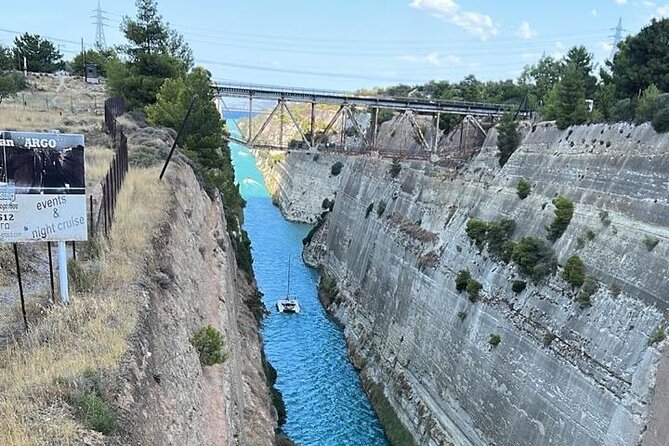
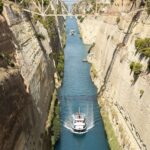
The day starts with the Corinth Canal, a famous isthmus passage. You’ll see the canal’s size right away: about 80 meters high and 27 meters wide, with that deep, steep-sided cut that makes it feel engineered for drama.
This stop is valuable for two reasons. First, it gives you a real sense of the geography that mattered to ancient travelers. The canal area is tied to a long story of attempts to connect seas. Second, it sets up the day’s theme of movement—how people and goods traveled, and why Corinth sat where it did.
You’ll also want your camera ready. The canal viewpoints here are built for photos, and the short time on-site is perfect if you’re trying to avoid a long “just looking” wait.
Kechries (Kenchreai): Priscilla and Akila’s Tents and the First Christian Footprints
Next up is Kechries, connected to Paul in 51 A.D. This is where the tour focuses on people, not just places. According to the tour narrative, Paul found Priscilla and Akila there making tents, and the story places him there for overnights. It’s also described as a site where you can see the very first Christian church.
Even if you’re not a Bible scholar, this kind of stop matters. Ruins can feel abstract, but personal names anchor the setting. You’re looking at a location tied to daily work—tentmaking—and that helps you picture what Christianity spread through: ordinary labor, real relationships, and travel schedules.
The visit here is about 30 minutes, and admission is listed as free. So treat it as a “get the story in your head first” stop, then use the later ruins for the bigger spatial picture.
Acrocorinth Castle: Caesar’s Hilltop Views and the Roman Power Angle
Then the tour climbs to Acrocorinth, the castle area above Corinth. The site is described as a fortress from the 5th century B.C., reaching about 530 meters high—plus a winter palace connection to Caesar. You’re looking at a place built for control: strong walls, strong positions, and a view that makes it hard to hide anything.
This is one of the stops where the tour’s payoff is all about perspective. From the hilltop, you can see the Corinth Canal and boats in the distance. That link between past and present is exactly what makes an ancient site feel alive.
The tour also mentions the Temple of Aphrodity and a dramatic detail about 1,000 women connected to the legend of the temple. Whether you take that literally or as part of how ancient writers described the cult, it signals one thing: Corinth wasn’t only about trade and politics. It was also about religion, status, and power.
You get about 1 hour at Acrocorinth, and admission is listed as free. Use the time for photos and also for a short scan of the town view—standing still long enough to orient yourself makes later sites easier to understand.




Apostolos Pavlos Church: A Quiet Anchor Stop for the Paul Route
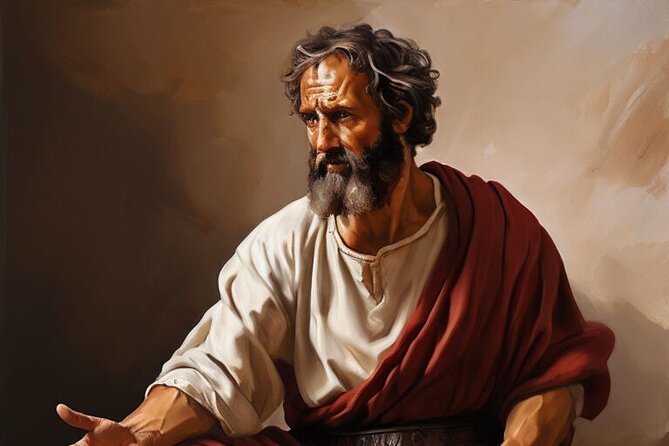
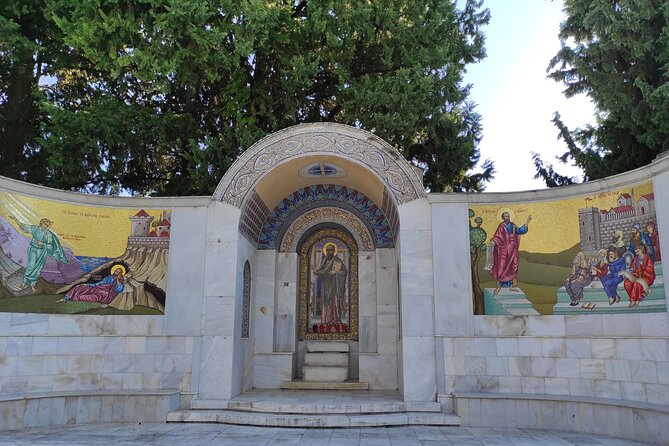
Apostolos Pavlos Church is next, described as an ancient church of Paul from 51 A.D. It’s a shorter stop (about 30 minutes) but it plays a useful role in the day.
Think of it as an anchor. After climbing hilltop history and shifting into geography, you need a calmer checkpoint that ties the day back to Paul and early Christianity. This stop also offers great views for photos, so it’s a nice moment to regroup before the main archaeological complex.
Admission is listed as free, so you’re not making another ticket decision here. Just take advantage of the view, then be ready to focus again when Ancient Corinth becomes the main event.
Ancient Corinth (Archaia Korinthos): The Big Ticket Area You Explore on Your Own
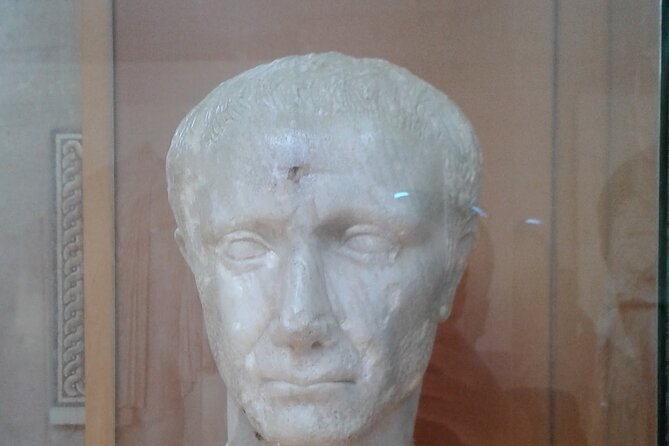
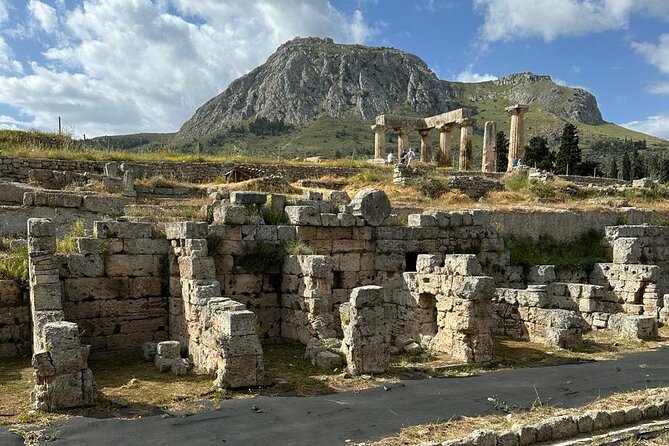
Ancient Corinth is the main stage, and the time you get here is where most value comes from. You’ll spend about 2 hours in the site complex.
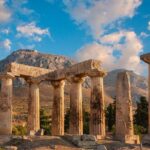
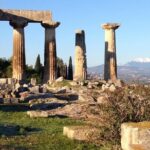
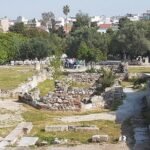
The ruins and landmarks you’re pointed toward include the Temple of Apollo, plus the Octavia’s Temple (connected to Caesar’s mother). You’ll also see areas like the Agora and the Oracle of Corinth, along with the Ancient Church of Paul and a museum.
The site is described as around 7,000 years old, which is a reminder that you’re not visiting one “moment.” You’re moving through layers—different eras leaving marks in the same place.
Here’s a key practical detail: the guide will not enter with you in Ancient Corinth. You’ll still get the context from your guide, but once you step into the area, you’re on your own for exploring. This is good news if you like control of your pace. It’s less ideal if you feel lost without constant direction.
Plan like this:
- Before you enter, decide what you want most: temples, the Agora feel, or the Paul connection points.
- Wear shoes you can trust. This area is where “walking comfort” matters most.
- Budget your ticket cost: entry for Ancient Corinth is €15.00 per person and not included.
The Diolkos: The Ancient Boat Railway That Solved a Big Problem
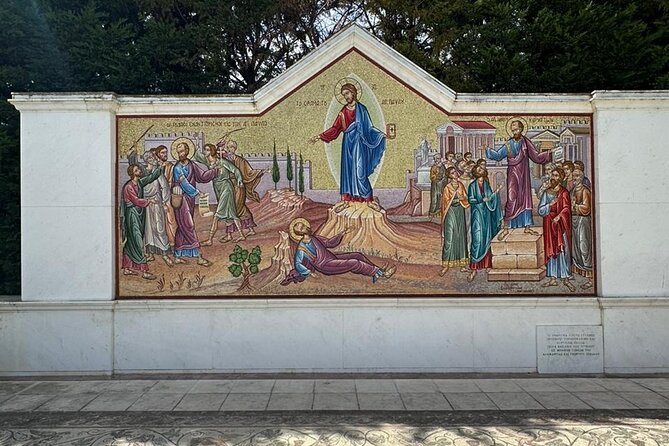
After Ancient Corinth, you’ll make the quick stop at the Diolkos, described as an ancient roll way dating back to 2700 B.C. The point of the Diolkos was to transfer boats from the Aegean Sea to the Ionian Sea across the isthmus.
This is a stop that makes the rest of the day click. Once you understand that people used a land route for ships long before modern canals, the whole geography lesson becomes more than trivia. It turns the canal and the region into a practical system that ancient travelers used.
You only spend about 15 minutes here, and admission is listed as free. So think of it as a quick “remember why Corinth mattered” moment rather than a long study stop.
Timing, Comfort, and Photo Spots That Matter
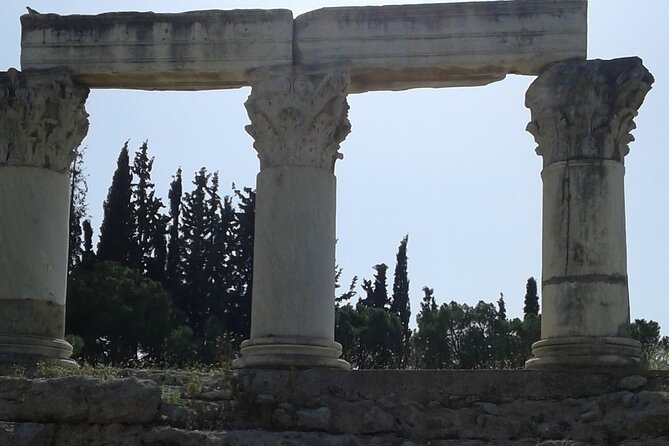
The full tour runs about 6 to 7 hours. With multiple sites included, it helps to treat the day as a series of short missions: take photos, get the story, then move on.
The transport side is well set up for a long day. You get an air-conditioned Mercedes mini-bus and onboard WiFi. That means you can cool down fast, check directions or messages, and avoid that end-of-day fatigue spiral.
The tour also has a smart balance built into the schedule: short visits for free-admission viewpoint stops, then a longer block at Ancient Corinth where you can actually wander.
If you’re the kind of person who plans around photo light, aim your timing at Acrocorinth and Corinth Canal, since those are the most naturally “camera-first” stops. For everything else, the best move is to keep your eyes up and read the site layout before you start moving fast.
Who This Tour Fits Best (and Who Might Want Something Different)
This tour is a strong fit if you want a structured Paul and Corinth day without the stress of independent routing. The small group size helps keep the experience personal, and the English-speaking guide/driver approach is ideal if you’d rather hear connections explained than hunt them down yourself.
It also suits you if you like a mix of major highlights and a little time to breathe. You get multiple stops where admission is free, and then you get a solid block at the big site where you can explore at your own tempo.
You might want a different format if you dislike self-guided time. Because the guide won’t enter with you in Ancient Corinth, you’ll need a little confidence walking a large archaeological complex without constant hand-holding.
Should You Book Paul’s Biblical Ancient Corinth by Mini-bus?
I’d book this if your goal is a clear, Paul-centered Corinth day that’s easy on your legs and light on logistics. The combination of comfortable transport, a small group cap, and multiple tightly connected stops makes the day feel efficient without feeling like a stamp-and-go drive-by.
Book it especially if you care about seeing Paul’s world in geography terms: where people worked, how ships and roads mattered, and why hilltop Corinth mattered for power and view lines.
Hold back only if you already know you’ll feel uncomfortable exploring Ancient Corinth without your guide inside. In that case, you’d likely prefer a version where someone stays with you through the complex.
FAQ
How long is the tour?
It runs about 6 to 7 hours.
What is included in the price?
The tour includes WiFi on board, an air-conditioned Mercedes mini-bus, and an English-speaking driver/guide. Monument tickets are not included.
Are monument tickets included?
Tickets for Ancient Corinth (Archaia Korinthos) are not included. The listed cost is €15.00 per person. Other stops on the route are listed as free.
Where is the pickup point in Athens?
Pickup is from Akti Miaouli 85, and all travelers must be at one pickup point at that address.
Is the tour offered in English?
Yes, it’s offered in English.
How large is the group?
The maximum group size is 11 travelers.
Does the guide enter Ancient Corinth with you?
No. The guide will not enter with you in Ancient Corinth.