REVIEW · ROME
Christianity in the Ancient Rome Private Tour
Book on Viator →Operated by Rome Private Excursions · Bookable on Viator
Rome’s early Christian story feels close.
This private, 7-hour day links the big names—St Peter and St Paul—with places that still hold the mood of the first centuries. I especially liked the door-to-door pickup (hotel or airport) paired with a route that mixes famous basilicas and quieter stops you can’t easily stitch together alone. A strong bonus is how the day is built for you: you’re in a private vehicle with live commentary, so the explanations land as you move from site to site.
I also like the pacing for history lovers: you get short, well-timed visits at several churches, then you spend real time underground at the catacombs. The one possible drawback is that some stops are brief—think about 15 minutes at certain churches—so if you want long, slow museum-style wandering, you’ll probably want to ask your guide for extra time where you care most.
In This Review
- Key things that make this tour work
- A private van day through the Rome of Peter and Paul
- Abbey of St. Paul Outside the Walls: the 4th-century backbone
- Catacombs of Saint Callixtus: popes, graves, and cold air
- Aventine Hill’s Santa Sabina: the short stop that surprises
- Domine Quo Vadis: the footprint legend on the Appian Way
- Carcer Tullianum (Mamertine Prison): where imprisonment becomes place
- Price and what you actually get for $469.14 per person
- Dress code and on-the-ground tips that keep the day smooth
- Who this tour suits best (and who might want a different pace)
- Should you book this Christianity in the Ancient Rome private tour?
- FAQ
- How long is the Christianity in the Ancient Rome Private Tour?
- What time does the tour start?
- Is pickup included?
- Is this tour private?
- What language is the tour offered in?
- Are entrance fees included in the price?
- What are the entrance fees for the paid sites?
- What dress code is required?
- Is lunch included?
- Can I cancel for a full refund?
- Quick booking verdict
Key things that make this tour work
- Private, door-to-door format: Pickup and drop-off from your accommodation or the airport.
- Peter-and-Paul focused route: Stories tied to prison, execution tradition, and churches dedicated to them.
- Catacombs time underground: About 45 minutes in the crypts where popes were buried.
- Most churches are quick and efficient: Several stops are free to enter and designed for clarity.
- Dress code is real: Cover knees and shoulders or you risk being refused at worship sites.
A private van day through the Rome of Peter and Paul
This is the kind of tour that saves you from Rome logistics. You start at 8:30am, and you’re picked up right where you’re staying (or at the airport if you’re arriving). Then you spend the morning and early afternoon bouncing between key early-Christian locations across Rome—without the hassle of trains, buses, and ticket lines doing battle with your schedule.
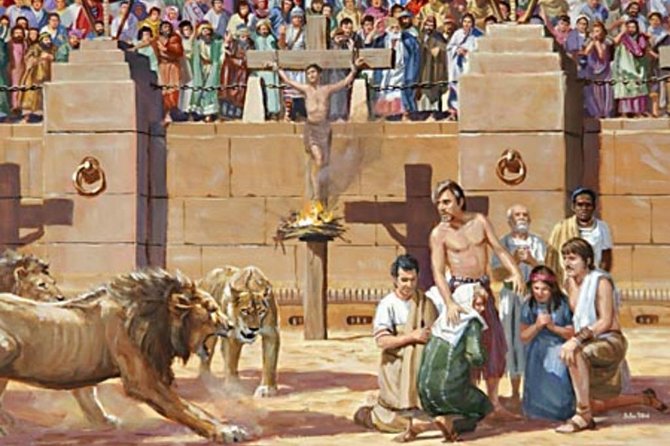
The “private” part matters more than it sounds. With only your group, you’re not stuck watching a herd shuffle between viewpoints. The tour is designed around live guidance as you go, and the day moves at a pace that keeps the story coherent: persecution and survival, imprisonment and burial traditions, and the way later Christians built sacred sites on earlier Roman ground.
One more practical point: the tour is moderate physical fitness territory. You’ll be walking and spending time inside sites, including underground areas at the catacombs. It’s not described as extreme, but wear comfortable shoes and plan for a day that involves steady movement.
You can also read our reviews of more tours and experiences in Rome.

Abbey of St. Paul Outside the Walls: the 4th-century backbone
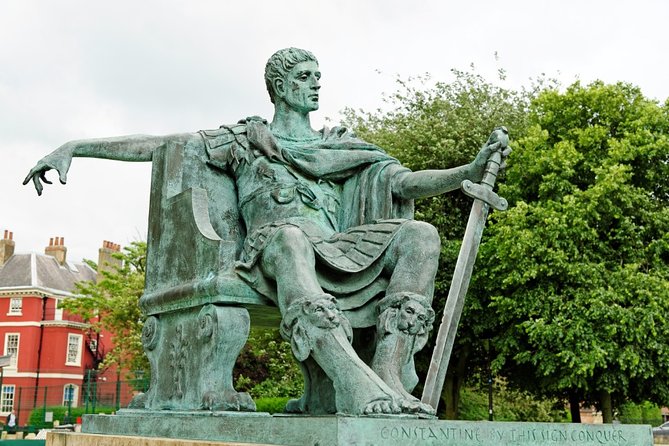
Your first stop is the Abbazia di San Paolo Fuori Le Mura (St. Paul Outside the Walls). It’s a major basilica tied to St Paul and rooted in the 4th century—linked to Constantine I, which gives the place a very specific historical “weight.” You’ll have about 30 minutes, which is usually enough time to see the interior and get oriented before moving on.
Why I like this opening: it sets the tone. You start with a cornerstone of Roman Christian identity rather than jumping straight to the underground. Even with a shorter visit, you come away with context for everything that follows—especially when you later see how later worship spaces (and earlier burial spaces) helped shape Christian memory in Rome.
This stop is listed as admission ticket free, so you’re not scrambling with extra payments right away. It also keeps the day’s budget more predictable early on.
Catacombs of Saint Callixtus: popes, graves, and cold air
Then you head underground to the Catacombs of Saint Callixtus. This is the stop where the day turns from “church history” into something more visceral. You’ll spend about 45 minutes touring the crypts—former burial sites associated with popes.
You’ll also handle tickets on-site (the tour doesn’t include them). Expect to pay around €8 per person for standard admission, with reduced pricing mentioned as €5. Another price figure is also given for catacombs in the extra-fees list, so I’d budget a little extra just to stay calm: think roughly €8–€10 depending on category.
If you’re wondering whether catacombs are worth it: yes, because they change the feel of the day. The story isn’t just told; it’s located. The underground setting gives you a sense of why early Christians valued burial sites and how memory was preserved when persecution and uncertainty were part of daily life.
Practical tip: bring a light layer. Catacombs are cool by nature, and you’ll still want comfortable movement shoes.
Aventine Hill’s Santa Sabina: the short stop that surprises
Next up is the Basilica of Santa Sabina (Aventine Hill). You’ll have about 15 minutes, and it’s listed as admission ticket free. Even in a quick visit, this church stands out because of what you can see up close: the wooden doors carved with Biblical scenes, plus an interior that reflects an early Roman Christian style.
This is a good example of why the tour’s structure works. A longer list of sites might feel exhausting, but here the quick stops function like “chapters.” Santa Sabina gives you a tangible look at how Biblical storytelling was carved into sacred space—then you’re out and back on the road.
If you’re the type who wants time to read every panel, you might feel slightly rushed at 15 minutes. But if your goal is to connect dots across many locations, this stop is a strong use of time.
Domine Quo Vadis: the footprint legend on the Appian Way

The day then moves to Chiesa del Domine Quo Vadis, with about 15 minutes and no entrance fee listed for this stop. This one is emotionally different from the others because it’s tied to a specific story tradition.
The key detail here is the footprint of Jesus where he met St Peter on the way out of Rome on the Appian Way. In the traditional account, Peter asks Quo vadis?, and the reply is given in Latin as Romam vado iterum crucifigi—I am going to Rome to be crucified again. According to that same tradition, Peter returns to Rome afterward.
How to approach this as a visitor: treat it as a sacred story that got attached to a place. Even if you’re reading this as history rather than doctrine, the power is in how Rome’s landscape became a memory holder for Christian identity.
This is also a great “pause” stop. After catacombs and churches, Domine Quo Vadis tends to make people quiet, because it’s about fear, retreat, and recommitment.


Carcer Tullianum (Mamertine Prison): where imprisonment becomes place
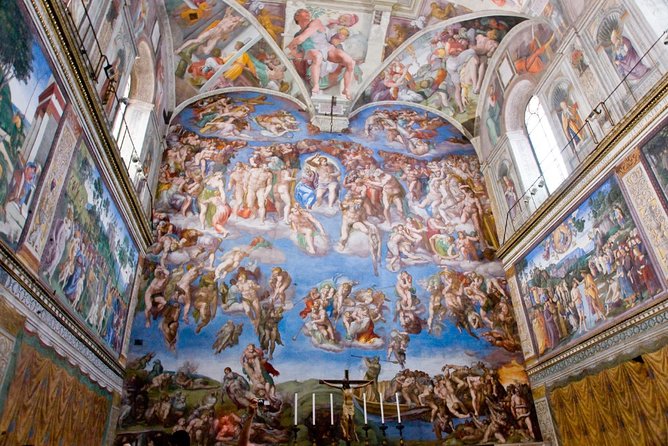
The last major historical stop is Carcer Tullianum, also connected with the Mamertine Prison. You’ll have about 30 minutes here, and this is one of the paid entries. The extra-fees info lists around €12 for Carcer Tullianum, plus another set of numbers mentions about €8–€12 and also notes a reduced or alternate figure for children and inside access.
That variation is exactly why I recommend building your budget with a buffer. If you want to be precise, plan for roughly €8–€12 per person for this prison stop, with special rules for young kids noted in the info.
Why this stop is so important: it focuses on imprisonment and the physical reality behind the St Peter and St Paul narrative in Rome. Even if you’ve read the stories before, being at a prison site helps you picture what it meant to be contained in the Roman world.
Also, remember the dress code. Places of worship are strict here: knees and shoulders must be covered for both men and women. That means no shorts and no sleeveless tops. If you show up not covered, you can be refused entry.
Price and what you actually get for $469.14 per person
At $469.14 per person for about 7 hours, this is not a budget tour. But it’s also not just “a guide walking with you.” You’re paying for private transport with a driver, hotel (or airport) pickup and drop-off, and live commentary while you move across different corners of Rome.
Where value often shows up:
- You avoid time-cost: pickup saves you from planning your own route and ticket rhythm.
- You get a story-based route: the stops are chosen to connect into one narrative about early Christianity.
- You have flexibility: multiple reviews mention guides tailoring the day to what you care about, which is harder to get on group tours.
Where cost can surprise you: entrance fees. Several stops are free, but catacombs and the prison are not included. Plan for those paid sites and don’t treat the tour price as all-in.
If you’re traveling as a couple or small group, this is where private often starts to look smarter. Even without knowing group size details, private transport plus admissions that you control can add up faster when you DIY.
One more sign this tour is popular: it’s booked about 74 days in advance on average. If you’re going in peak season or on a limited schedule, book earlier so you can get your preferred time.
Dress code and on-the-ground tips that keep the day smooth
The dress code rules are straightforward, but they’re also strict. For worship sites, plan to wear something that covers knees and shoulders. That’s no shorts, no sleeveless tops. If you forget, you can lose access even if you have the right tickets.
For the day itself, here’s what I’d do to make it easy:
- Wear comfortable shoes for walking plus underground spaces.
- Bring a light layer for catacombs cooling.
- Bring a phone for the mobile ticket and any on-site ticket purchase steps.
- Expect a “see a lot” day. This tour is built to cover multiple sites efficiently, so you should come in ready to learn and move.
And about the feel: some guides on this route are known for giving extra context beyond just the official label on the sign. One guide example shared with me included separating historical facts from traditions that can’t be proven. That kind of framing can help a lot if you like your religious history with a careful eye.
Who this tour suits best (and who might want a different pace)
This tour is a top fit if you’re:
- a religious history buff who wants early Christianity in Rome rather than only later church sites
- someone who likes connecting people and events—St Peter and St Paul—across multiple locations
- visiting with limited time and want to cover a large geographic area by car instead of hopping around the city yourself
You might want to consider something else if you:
- want long, quiet time in fewer sites. Some stops are around 15 minutes, and that’s by design.
- only want doctrine-heavy tours. The approach is described more as historical context than a purely spiritual presentation.
If you’re on your first trip to Rome, this is also a very efficient way to “get your bearings fast” with a coherent theme.
Should you book this Christianity in the Ancient Rome private tour?
If you want a focused day on early Christianity tied to the places connected with St Peter and St Paul, I think this is an excellent choice. The biggest reasons are practical: private door-to-door transport, a route that connects the story across several sites, and that underground catacombs stop that turns the theme into something you can feel.
Book it if you’re okay with short visits at some churches and you’re ready to pay entrance fees for the catacombs and prison. Skip it if your perfect Rome day is slow, unguided wandering or deep museum time at one location.
FAQ
How long is the Christianity in the Ancient Rome Private Tour?
It’s approximately 7 hours.
What time does the tour start?
The start time is 8:30am.
Is pickup included?
Yes. You get pickup from your Rome accommodation or from the airport on arrival, and you’re dropped back afterward.
Is this tour private?
Yes. It’s a private tour/activity, and only your group participates.
What language is the tour offered in?
The tour is offered in English.
Are entrance fees included in the price?
Not all of them. Entrance fees are not included for Carcer Tullianum, Catacombs of Saint Callixtus, and Mamertine Prison. Some other stops on the route are listed as admission free.
What are the entrance fees for the paid sites?
The data provided includes: Catacombs of Saint Callixtus about €8 (with reduced €5) and Carcer Tullianum/Mamertine Prison about €8–€12 depending on the specific entry info. You pay on-site.
What dress code is required?
You need knees and shoulders covered. That means no shorts and no sleeveless tops. You may be refused entry if you don’t comply.
Is lunch included?
No. Lunch is not included.
Can I cancel for a full refund?
Yes. Free cancellation is available up to 24 hours before the experience starts for a full refund.
Quick booking verdict
Book it if you want an efficient, theme-driven day across Rome’s early-Christian sites with private transport and strong on-the-ground storytelling. Bring covered clothing and budget for the catacombs and prison entrances, and you’ll get a day that feels focused, not scattered.