REVIEW · ACCRA
Half-Day Private History Tour in Nkyinkyim Museum
Book on Viator →Operated by NYONKOPA ECO TOURS · Bookable on Viator
History has a way of showing up in your chest first. This one uses outdoor art, faces, and sculpture to tell the story of the Trans-Atlantic Slave Trade through an artist’s work. I love that the visit doesn’t stop at viewing; you get a guided flow that includes a short video and an artist-focused segment before you walk the grounds. I also like the second stop in Prampram, where the African Ancestral Wall links remembrance to named heroes and ancestors. One consideration: it’s a tight schedule, and at the $145 price point, you’ll feel the lack of extra time unless you’re okay with a “hit-and-run” history dose.
You start early (7:30 am) and keep moving for about 4 hours. It’s private, so you’re not stuck pacing with strangers who need to check their phone every five minutes. If you want lunch included, plan ahead—lunch isn’t part of the tour.
In This Review
- Key highlights at a glance
- Entering Nkyinkyim Museum with context, not just facts
- Stop 1: Nkyinkyim Museum and the art that retells the slave trade
- Your guide matters: why Isaac shows up in many great reviews
- Stop 2 in Prampram: the African Ancestral Wall’s portrait tribute
- How the 4 hours fit together (pickup, timing, and pace)
- Price and value: what $145 buys you, and what it doesn’t
- What to pack and how to make the day easier
- Who should book this tour (and who should skip it)
- Should you book the Half-Day Private History Tour in Nkyinkyim Museum?
- FAQ
- What is the start time for this tour?
- How long is the tour?
- Is this a private tour?
- What does the price include?
- Is museum admission included?
- Is lunch included?
- Does the tour offer pickup?
- What payment or ticket method is used?
- Can I cancel for a full refund?
Key highlights at a glance
- Nkyinkyim Museum’s storytelling approach uses outdoor sculpture and guided interpretation rather than a quick photo stop
- A short video and an artist interview set context before you walk the exhibition spaces
- Two 2-hour stops keep the pace focused without dragging you all day
- Prampram’s African Ancestral Wall offers portrait displays honoring Great African Ancestors
- Guide Isaac often gets top marks for being prompt, professional, and engaging
- Art-therapy style drumming with Seyram appears as part of the experience for some visitors
Entering Nkyinkyim Museum with context, not just facts
There’s a big difference between learning about history and experiencing how art talks about it. Nkyinkyim Museum is built for that second kind of attention. You’ll be guided to look past the aesthetics and notice how the sculptures and expressions carry memory—especially around slavery and discrimination against Africans.
What I like most is the way the museum earns your focus. The experience commonly starts with a short video about discrimination, and then you move into an explanation tied to the artist’s interview and intent. That matters because otherwise, you might walk among impressive figures and miss the message.
Also, this museum isn’t trying to be neutral about what happened. One of the most repeated takeaways is how powerful and moving the work feels—faces, forms, and outdoor setting combine to make the purpose hard to shake.
One possible drawback is simple: the timing. If you prefer long, unhurried museum wandering, this half-day format can feel short. At least one person flagged that it can seem costly for how quickly you’re done.
You can also read our reviews of more tours and experiences in Accra.

Stop 1: Nkyinkyim Museum and the art that retells the slave trade
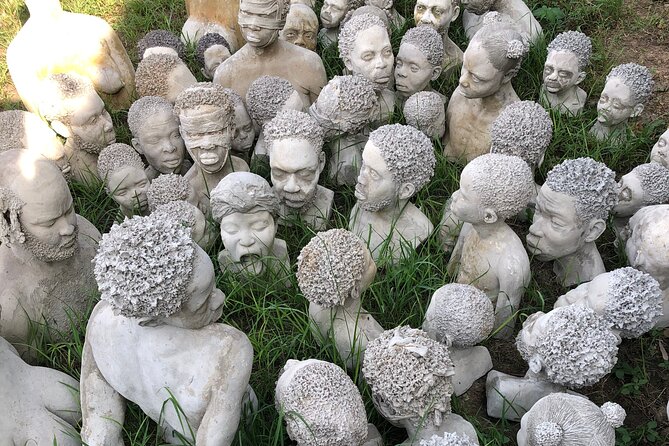
This is the heart of the tour, with about 2 hours on site and museum admission included. Expect an outdoor art experience tied to the infamous Trans-Atlantic Slave Trade, using sculpture and storytelling to keep the history visible.
Here’s what the flow feels like once you’re inside:
- You begin with a short video that sets the emotional and historical backdrop around discrimination.
- Then you get an interview segment centered on the artist and the purpose behind the sculptures.
- After that, you shift into a guided walk where you’re asked to look carefully at the work and what it represents.
That guided sequence is a big part of why people come away impressed. It turns the visit into more than taking pictures. The expressions in the pieces are meant to communicate pain endured and survival memory, not just “scenery” for your camera roll.
You may also experience an art-therapy moment through drumming with Seyram, which one reviewer specifically highlighted. If this is offered during your visit, it’s a memorable break from strictly visual interpretation—and it adds a different kind of connection through sound and rhythm.
The setting itself is part of the impact. Because it’s an outdoor exhibition, you’re not sealed off in a windowless room. You experience the sculptures in open air, which can make the story feel more immediate and harder to compartmentalize.
Practical tip: plan to slow down in the most striking areas. If you try to speed through every piece, you’ll miss the parts the guide is steering you toward.
Your guide matters: why Isaac shows up in many great reviews
This tour is private, but that doesn’t mean the guide experience is automatically good. In this case, it looks like Isaac is a standout name. Multiple visitors praised him for being prompt and engaging, and for explaining the museum’s purpose clearly.
Even if you don’t get Isaac, you’ll still benefit from the same basic advantage: a guide who helps you “read” the artwork instead of treating the museum like a self-guided checklist.
A good sign during the visit is how the guide matches the pace to the meaning. The tour doesn’t just point; it explains why the artwork is arranged the way it is and what the artist wanted you to notice—especially around recognition, remembrance, and the need to keep history from vanishing.
Practical tip: ask your guide what you should look for in the faces and expressions. It’s one of the most emphasized elements across the experience, and a small question can turn a normal viewing into a much deeper one.
Stop 2 in Prampram: the African Ancestral Wall’s portrait tribute
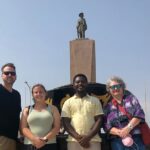
After the museum, you head to Prampram for a second 2-hour stop at the African Ancestral Wall. Admission here is listed as free, which is a nice value add compared with many tours where the second site costs extra.
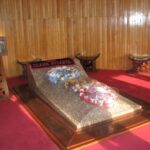
This stop shifts the tone slightly. Instead of centering the slave trade story, the wall focuses on honor and remembrance—portraits on the walls honoring Great African Ancestors and highlighting famous African heroes and their contributions to African development.
It’s a different kind of learning, more like mapping respect. You’re looking at people whose legacy is meant to stay present, and you’re likely to feel the contrast: one site confronts what was done to Africans; the other reinforces who Africans were—and continue to be—through named ancestors and heroic contributions.
One practical advantage here: because it’s portrait-based, it’s easier to take in at your own pace between any guide points. If your attention span starts wobbling after two hours of heavy history, this second stop can feel more structured and restorative.
Practical tip: bring a mental “theme” as you arrive—maybe remembrance, legacy, or development—and use that theme to decide which portraits you want to focus on the longest.
How the 4 hours fit together (pickup, timing, and pace)
This tour runs a little over 4 hours total and starts at 7:30 am. You’re looking at a morning schedule designed to get you the core experience without swallowing your whole day.
The pacing is built around two equal blocks:
- Nkyinkyim Museum: about 2 hours
- African Ancestral Wall in Prampram: about 2 hours
You’re also getting private transportation in an air-conditioned vehicle, plus bottled water. The private format matters in Accra traffic and timing. With pickup offered, you’re less likely to waste time figuring out routes and meeting points—especially if you’re short on days.
One more point: the tour is private, meaning only your group participates. That’s a real quality-of-life improvement if you prefer calmer conversations, quicker photo stops, or questions that take longer than a standard group schedule allows.
Small reality check: this is a half-day history outing, so you won’t have hours and hours for rest. If you’re sensitive to early mornings or you like museum time to sprawl, you’ll want to plan your afternoon buffer.





Price and value: what $145 buys you, and what it doesn’t
At $145 per person, you’re paying for more than admission. You’re buying:
- a private tour setup
- private transportation in an air-conditioned vehicle
- the guided museum experience (with admission included for Stop 1)
- bottled water and all fees and taxes
That’s the good news. In many places, the cost of a driver plus guidance plus museum time adds up quickly. Here, the price bundles the parts into one package.
The caution is the time. If you’re expecting a slow, full-day museum experience, the length can feel tight for the money—exactly the kind of complaint that came up from at least one visitor. And since lunch isn’t included, you’ll likely need to eat soon after the tour.
So how do you judge value?
- If you want a focused morning history experience with transportation handled, it’s strong value.
- If you’re chasing maximum time on exhibits, you might feel like you’re paying premium price for limited hours.
Practical tip: if you can, add a simple plan after the tour—grab lunch nearby (since you’ll be hungry), and give your brain time to process what you just saw.
What to pack and how to make the day easier
Your day includes museum walking outdoors and time at another site with wall displays. To keep the experience smooth:
- Wear comfortable shoes you can stand in.
- Bring water even though bottled water is provided, especially since it’s a morning start in Ghana.
- Keep a small note in mind: you’ll be learning about the slave trade and discrimination, plus the honoring of heroes and ancestors. If you want your energy balanced, plan for a calm afternoon after.
Also, because this is private, you can tailor the pace to your group. If someone needs more breaks, a good guide will usually help you find them without derailing the schedule.
Who should book this tour (and who should skip it)
This tour is a great match if you:
- want meaningful art and history in one morning
- appreciate guided context, not just wandering
- prefer private transportation to reduce hassle
- care about remembrance, legacy, and how artists shape understanding
You might skip it if:
- you want a long museum day with lots of free time
- you strongly dislike early starts (7:30 am is early by vacation standards)
- you want lunch included in the price
Should you book the Half-Day Private History Tour in Nkyinkyim Museum?
If you’re looking for a morning that feels powerful and thoughtfully guided, I’d say yes. The strongest reason to book is the museum format itself: video and artist context first, then a guided look at sculptures built to carry meaning. Add a second site in Prampram that honors ancestors and heroes, and you get a balance between confrontation and remembrance.
The main reason to hesitate is time. At around 4 hours, you’re not getting a slow, full-day “take it all in” approach. If you’re okay with that trade-off—and you’re ready to see, learn, and move on—this tour can be a standout part of your Accra trip.
FAQ
What is the start time for this tour?
It starts at 7:30 am.
How long is the tour?
The duration is about 4 hours 8 minutes.
Is this a private tour?
Yes. It’s a private tour/activity, and only your group participates.
What does the price include?
It includes all fees and taxes, private transportation, an air-conditioned vehicle, and bottled water.
Is museum admission included?
Admission for Nkyinkyim Museum is included, and admission for the African Ancestral Wall in Prampram is free.
Is lunch included?
No. Lunch is not included.
Does the tour offer pickup?
Yes. Pickup is offered.
What payment or ticket method is used?
The tour uses a mobile ticket, and you’ll receive confirmation at the time of booking.
Can I cancel for a full refund?
Yes. Free cancellation is offered, and you must cancel up to 24 hours in advance for a full refund.