REVIEW · BERLIN
East Berlin Food & History Tour with Eating Europe
Book on Viator →Operated by Eating Europe Food Tours Berlin · Bookable on Viator
East Berlin tastes like politics. This East Berlin Food & History tour threads street food through the neighborhoods and immigrant stories that shaped today’s city, finishing at the Wall’s longest surviving mural stretch. I especially like how the stops feel neighborhood-specific, not generic “famous Berlin” photo ops. And yes, you’ll get craft beer in the mix, which makes the whole thing feel like you’re hanging out with locals, not queuing for samples.
I love that tastings are included, so you can just follow the guide and eat without doing mental math every time someone says try this. I also like the small-group pace (max 12), and the fact that guides bring the story to life—people have had guides like Clara and Jed, and the common thread is connecting each dish to real East Berlin life. The one drawback to plan around: this is still a walking food tour, so if you need lots of long breaks or have severe food allergies, you’ll want to think twice.
In This Review
- 6 Key Things I Think You’ll Notice on This East Berlin Tour
- Friedrichshain Is the Right Base for East Berlin Food Stories
- Price and What You Actually Get for It (Tastings Plus Beer)
- Quick planning tip
- Stop-by-Stop: From Boxi Spätshop Beer to East Side Gallery Murals
- Start at Boxi Spätshop and Berliner Kindl (Light) Beer Origins
- Haroun for Shawarma Döner: Street Food and Migration
- NYOM Restaurant for TyTy Tacos and Vietnamese Street-Style Flavors
- RAW-Gelände: Former Rail Yard to Soviet-Era Industry to Today’s Scene
- Currywurst at Warschauer Straße: The Berlin Icon Story
- Schnitzel Burger and Berliner Pilsner: End-of-Tour East Berlin Conversation
- East Side Gallery: Murals Along the Longest Surviving Wall Stretch
- Aleppo Supper Club Mezze: Syrian and Levante Flavors
- A Final Berlin Squat House Stop With Music and Education Energy
- What You’ll Learn: How Food Tracks East Berlin’s Bigger Changes
- Who This Tour Fits Best (and Who Should Skip It)
- Small Group Size: The Real Secret to Getting More Out of Every Stop
- Practical Stuff That Helps You Enjoy It
- Should You Book This East Berlin Food & History Tour?
- FAQ
- How long is the East Berlin Food & History Tour?
- What’s included in the price?
- Is craft beer included, or do I pay extra?
- Are tastings included, or will I have to pay at each restaurant?
- Can the tour accommodate vegetarian or gluten-free diets?
- What’s the maximum group size?
- Do children need a ticket?
- Is there free cancellation?
6 Key Things I Think You’ll Notice on This East Berlin Tour
- Tastings are built into the price: no surprise “tasting fee” moments; you’re meant to eat at each stop.
- Craft beer isn’t an add-on: it shows up with key tastings, including a proper German beer start.
- Food tells the East Berlin story: Turkish, Vietnamese, Syrian, and classic Berlin street food all link to immigration and everyday life.
- RAW-Gelände adds a modern edge: you’ll move through a former rail repair yard/Soviet-era space that now hosts art, clubs, beer gardens, and more.
- Currywurst gets the creator-style lesson: you’re not just tasting; you’re hearing how the icon became a Berlin habit.
- Wall art is part of the finale: the route ends at the East Side Gallery, with murals along the longest surviving stretch of the Berlin Wall.
Friedrichshain Is the Right Base for East Berlin Food Stories
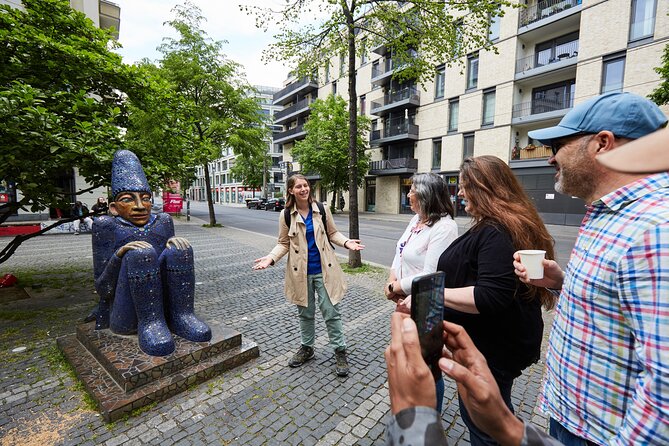
If you want East Berlin flavor with context, Friedrichshain is a smart choice. The area has a lived-in mix of older working streets and creative spaces, so the food feels like it belongs to the neighborhood, not pasted onto it.
This tour uses that idea well: you’re walking between food stops and social spaces, while the guide links what you taste to the people who brought the ingredients, techniques, and traditions. That’s why it works even if you’re not a major museum person.
You’ll also feel the “small group” advantage right away. When you’ve got fewer people, the guide can answer your questions and adjust pacing if a certain stop runs long—handy when you’re mixing history with eating.
You can also read our reviews of more tours and experiences in Berlin.


Price and What You Actually Get for It (Tastings Plus Beer)
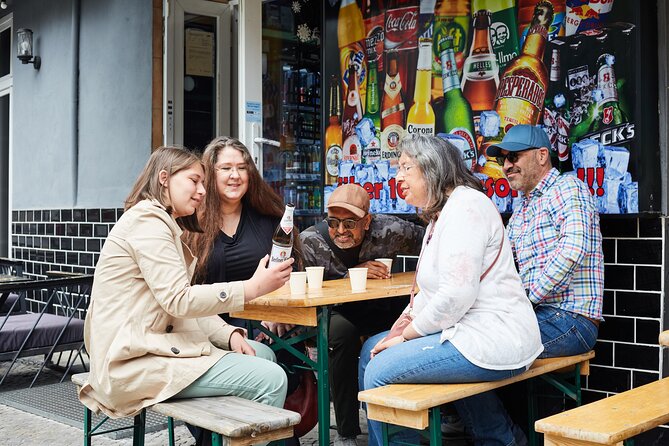
At $107.68 per person for about 3 hours 30 minutes, this isn’t the cheapest way to eat in Berlin. But the value comes from one big thing: the price covers the tastings. You’re not bouncing between places paying for small plates one by one.
A second value driver is craft beer included with multiple parts of the tour. That turns the experience from “food-only walk” into a proper East Berlin-style evening rhythm—eat, talk, compare flavors, and hear the backstory.
Finally, you get a local English-speaking guide and insider tips. The guide isn’t just naming dishes; they’re connecting the food to Berlin’s shifting identity—especially the East Berlin chapters.
Quick planning tip
Go in hungry. This is a “tasting” tour, but the total amount of food adds up fast—enough that you may skip a big lunch if you start early.
Stop-by-Stop: From Boxi Spätshop Beer to East Side Gallery Murals
Here’s what the route is like in the order you’ll experience it, plus what each stop means.
Start at Boxi Spätshop and Berliner Kindl (Light) Beer Origins
You kick off at a small liquor shop (Boxi Spätshop) and try Berliner Kindl (Light) beer. It’s a quick, friendly start—about 15 minutes—focused on how a German beer fits into local culture and brewing identity.
This opener matters because it sets expectations: the tour treats drinks as part of history, not just a chaser. And because it’s a small shop vibe, you get a feel for the everyday Berlin that tourists often skip.



Haroun for Shawarma Döner: Street Food and Migration
Next is Haroun, where you’ll eat at a shawarma döner spot. The pitch here is clear: you’re tasting something common on Berlin streets while learning how street food became a shared language between communities.
You’ll spend about 20 minutes here, with tastings included. This stop is also where the tour’s main theme clicks: East Berlin history isn’t only political dates; it’s also who fed whom and how flavors took root.
NYOM Restaurant for TyTy Tacos and Vietnamese Street-Style Flavors
Then it’s on to NYOM Restaurant, a neon-lit Vietnamese place. You try TyTy Tacos—an example of how Berlin street food isn’t stuck in one category.
You’ll get about 30 minutes at this stop, and it’s one of the more “fun energy” stops on the walk. The guide uses it to show how Berlin’s immigrant food scene isn’t a copy-paste of anywhere else—it adapts to local taste and daily routines.
RAW-Gelände: Former Rail Yard to Soviet-Era Industry to Today’s Scene
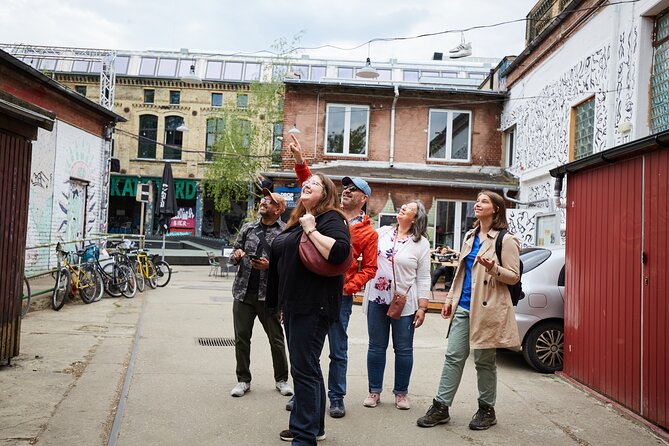
Now the tour shifts gears from eating to place. RAW-Gelände used to be an imperial rail repair yard, then a Soviet factory, then a Deutsche Bahn warehouse. Today it’s art galleries, indie record companies, night clubs, beer gardens, a bouldering hall, and a huge indoor skate park.
You’ll get around 20 minutes here. This stop is short, but it’s memorable because it gives you a visual timeline of how industrial spaces get reinvented. It also helps you understand why Berlin still feels experimental: the city has a habit of reusing and reshaping old structures.
Practical note: Wear shoes you can move in. RAW-Gelände is the kind of place where you’ll notice details even if you don’t stop to linger.
Currywurst at Warschauer Straße: The Berlin Icon Story
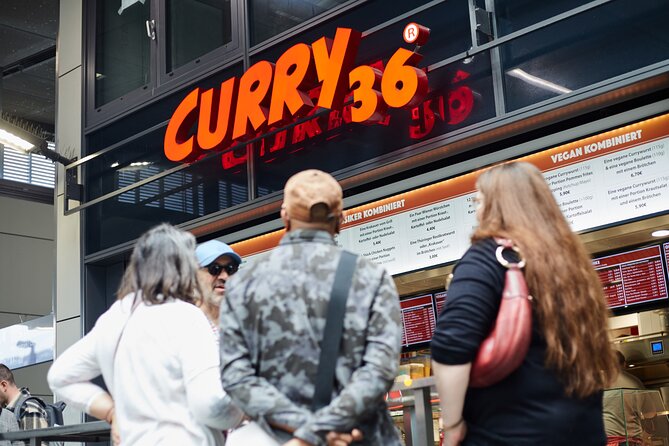
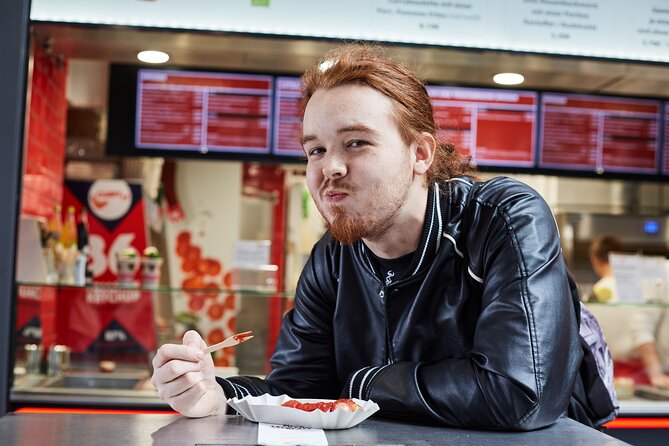
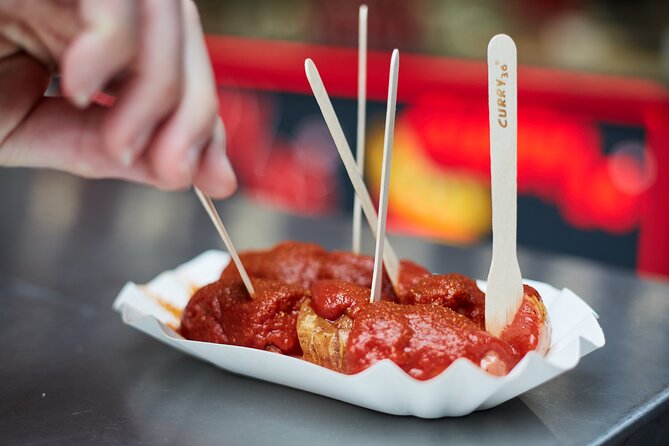
At Warschauer Straße, you’ll try what the tour positions as one of Berlin’s best currywurst. This is the classic “why this works” moment: crisp street-food comfort with a backstory about how the iconic creation came to be.
You’ll have about 15 minutes here. It’s fast, but it’s the kind of stop where you want your attention fully on the flavor: sauce balance, spice level, and that specific Berlin currywurst style.
If currywurst isn’t your thing, I’d still recommend you try the first bite. Even people who don’t usually love it often end up liking the version at a dedicated, well-known spot.
Schnitzel Burger and Berliner Pilsner: End-of-Tour East Berlin Conversation
After that, you’ll hit another Warschauer Straße stop for a Schnitzel Burger paired with Berliner Pilsner. This is where the tour slows down a bit into discussion.
You’ll spend about 20 minutes here, and the guide talks about life toward the end in East Berlin and the events that led up to the fall of the Berlin Wall. Food helps because it grounds the conversation—this isn’t history as theory. It’s history as something people lived through with meals, routines, and friends.
East Side Gallery: Murals Along the Longest Surviving Wall Stretch
Then you reach the East Side Gallery, centered around the longest surviving stretch of the Berlin Wall (about 1.3 miles end to end). The murals have been there for over twenty years, and each segment has its own colorful, often political message.
Time here is about 10 minutes. That’s not a museum hour, so you’ll want to watch for one or two pieces that really grab you. Let the rest be background. The goal is to end your food story where Berlin’s political identity became global.
Aleppo Supper Club Mezze: Syrian and Levante Flavors
Next is Aleppo Supper Club, a friendly spot for Syrian and Levante cuisine. You’ll try a traditional mezze dish, about 20 minutes long with tastings included.
This stop closes a loop: the tour doesn’t treat immigrant food as a one-time “side quest.” Instead, it keeps returning to how communities settle, share, and shape local tastes.
A Final Berlin Squat House Stop With Music and Education Energy
The last stop is at one of the last remaining Berlin squat houses that’s hosted political and educational events and live concerts for nearly a decade. This is a fitting finale after the Wall and the food: it’s about alternative culture continuing to live in the city.
You don’t get a long lecture time here, but you do get the sense of Berlin as a place where ideas and art keep moving around—even when the city’s political “chapters” are done.
What You’ll Learn: How Food Tracks East Berlin’s Bigger Changes
The most praised part of this tour is how the guide ties meals to Berlin’s past and present. That connection is the difference between eating a list of foods and actually understanding why those foods are here.
You’ll hear about street food as a result of migration, not just a “fun fact.” You’ll also get the East Berlin angle: how everyday life worked, and how the final stretch toward the Wall’s fall affected people’s sense of identity and daily rhythm.
Guides you might encounter—Clara, Jed, Lily, Eden, Laura, Benjamin, or Led—each bring their own personality. But the common pattern in their style (and why people love the experience) is that every bite gets explained with enough detail to make it click, without turning the tour into a classroom.
Who This Tour Fits Best (and Who Should Skip It)
This is ideal if you want food with context and you like walking between neighborhoods. It also suits you if you’re curious about how Berlin’s immigrant communities shaped the city’s food scene—especially Turkish, Vietnamese, and Syrian influences.
You’ll likely enjoy it if you’re the kind of traveler who likes to ask questions. A smaller group helps you get answers.
I’d be more cautious if you:
- Need very low walking time or frequent long sits (it’s a walking tour).
- Have severe food allergies. The tour can accommodate some dietary needs, but it’s not designed to guarantee safety for life-threatening allergies.
Small Group Size: The Real Secret to Getting More Out of Every Stop
With a maximum of 12 travelers, you don’t feel like you’re part of a food conveyor belt. You can slow down at a tasting, hear the explanation, and actually compare what you ate with what your group ate.
This matters at places like the beer stop, currywurst stop, and the final wall-art moments. At bigger group tours, you end up rushing. Here, the pace is more human.
Practical Stuff That Helps You Enjoy It
- Duration: about 3 hours 30 minutes
- Language: offered in English
- Tickets: you’ll use a mobile ticket
- Starting and ending points: it starts at Haroun Neue Bahnhofstraße 28 and ends near Mühlenstraße 78
- Dietary needs: vegetarian and gluten-free can be accommodated where possible, but severe allergy situations may not be suitable
If you’re trying to build a day plan in Berlin, this tour is a strong anchor. It covers major “East Berlin vibe” stops without eating up your whole day like a longer sightseeing loop.
Should You Book This East Berlin Food & History Tour?
Book it if you want a smart mix of East Berlin street food, immigrant food stories, and Wall-side history, all in one afternoon. The included tastings and craft beer make it feel like a complete experience, not a “pick a snack here, pick a snack there” tour.
Pass on it if you hate walking, need strict allergy guarantees, or you only want classic German dishes. This route leans into the broader Berlin story, which means plenty of flavors beyond standard German plates.
FAQ
How long is the East Berlin Food & History Tour?
It’s about 3 hours 30 minutes.
What’s included in the price?
You’ll get a local English-speaking guide, food tastings at the stops, craft beer, and Food & the City insider tips.
Is craft beer included, or do I pay extra?
Craft beer is included as part of the tour experience, including at key tasting stops.
Are tastings included, or will I have to pay at each restaurant?
Tastings are included—so you don’t need to pay for tastings separately during the tour.
Can the tour accommodate vegetarian or gluten-free diets?
Yes, the operator will do their best to accommodate dietary requirements like vegetarian and gluten-free. Severe or life-threatening food allergies may not be suitable for safety reasons.
What’s the maximum group size?
The tour has a maximum of 12 travelers.
Do children need a ticket?
Children under 4 can join for free, but food is not included. Paid tickets with food included are available for ages 4 and up.
Is there free cancellation?
Yes. You can cancel up to 24 hours in advance for a full refund.