REVIEW · BERLIN
Where It All Began: Berlin’s Queer & Trans History Tour
Book on GetYourGuide →Operated by BerlinGuide.de · Bookable on GetYourGuide
Berlin’s LGBTQIA+ story starts in the street. I love the 200+ archival photos, videos, and rare audio clips that turn ordinary blocks into evidence you can see and hear, and I love that it’s led by Jeff with a queer activist and gender scholar lens. One caution: this is not a fluffy night out, and the tour covers Nazi persecution, HIV/AIDS, and other heavy subjects, including content that can be triggering.
You’ll cover about 150+ years of queer and trans resistance, identity, and nightlife in a small group (up to 10) over about 3 hours, walking through the area around Nollendorfplatz. You also get AR moments and personalized Mixies selfies, plus quizzes that make you pay attention without it feeling like homework. If you’re sensitive to loud sounds or bright lights during some segments, plan to take your time and pace yourself.
In This Review
- Key things that make this tour worth your time
- A 3-hour walk through Berlin’s queer starting point
- Who Jeff is, and why the tour feels personal
- Starting at Alnatura Super Natur Markt and finishing at Nollendorfplatz
- Karl-Heinrich-Ulrichs-Straße: the movement’s early spark
- A side-street stop and Schwerinstraße: building the map of identity
- Nollendorfstraße and Magnus-Apotheke: names that carry stories
- Denns BioMarkt and Prinz Eisenherz: everyday spaces with a queer past
- Connection Club and Internationale Stele GEGEN DAS VERGESSEN: nightlife and memory work
- Metropol: where the past meets the club scene
- What the multimedia actually adds (and why it’s not just a gimmick)
- Trans history you can place: from early identities to Nazi erasure
- Lesbian nightlife and feminist movements: community building in 1920s Berlin
- LGBTQIA+ life under the Nazis: plain talk, hard facts
- AIDS crisis, SchwuZ, and activism in divided Berlin
- Pride, Dyke March, Folsom Europe, and how nightlife shapes activism
- AR Mixies selfies and quizzes: how you keep the details
- Price and value: is $81 worth it for 3 hours?
- Who should book, and who should skip
- Should you book this Berlin Queer & Trans History Tour?
- FAQ
- How long is the Berlin Queer & Trans History Tour?
- How much does it cost?
- What language is the tour in?
- How big is the group?
- What is included in the price?
- Is the tour wheelchair accessible?
- What content should I be prepared for?
Key things that make this tour worth your time
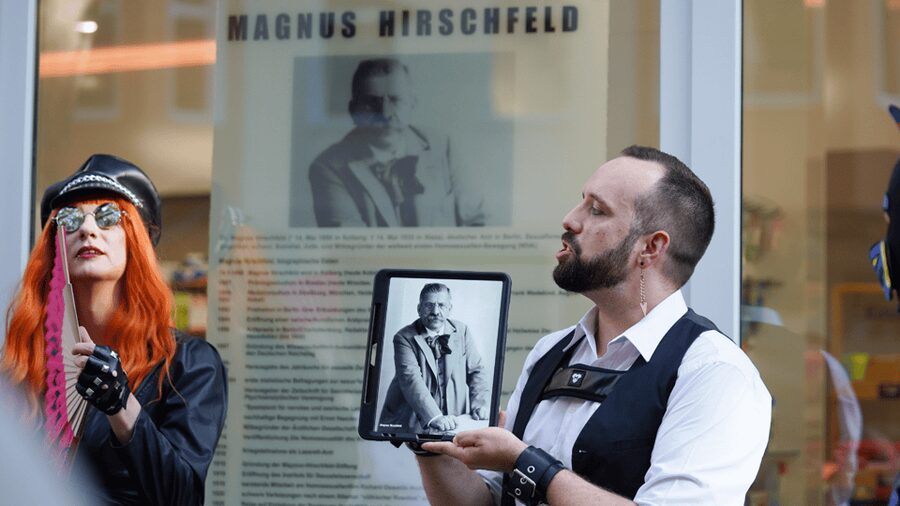
- Jeff-led storytelling with real-world context: activist, social scientist, and certified sex educator approach
- 200+ rare archives on the sidewalk: photos, videos, and audio clips with subtitles (German/English)
- AR Mixies selfies: fun, personalized, and tied to historic figures
- Interactive quizzes: you test what you just learned while walking to the next stop
- Queer nightlife from the 1920s to today: with names and threads that connect eras
- Trans history with specific details: early trans identities, gender-affirming surgeries, and transvestite certificates
A 3-hour walk through Berlin’s queer starting point
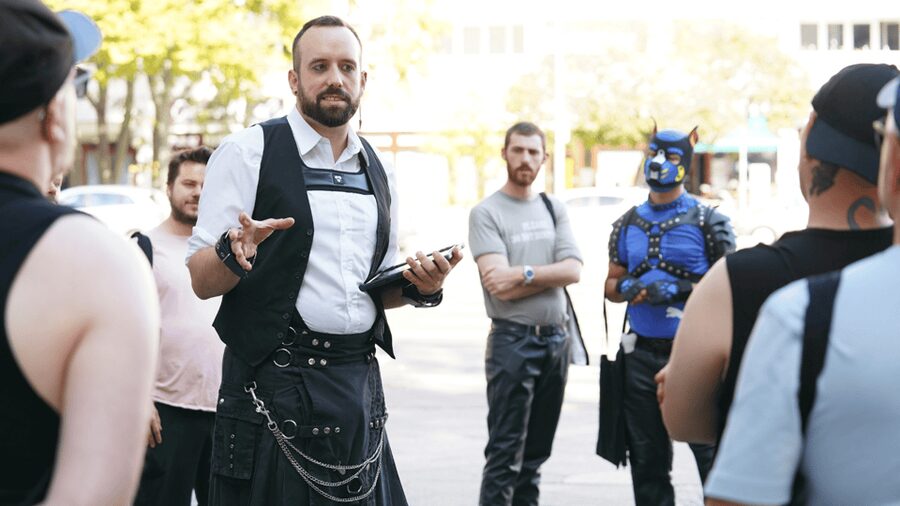
This tour hits fast because it treats Berlin like a living document. In just a few hours, you move through street names, old venues, and memory markers while the guide layers in 150+ years of resistance—queer, lesbian, trans, and gender-diverse—plus the backlash that followed. At the end, the city feels less like a postcard and more like a map of cause and consequence.
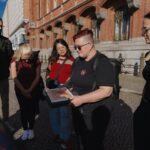
The format matters too. With a small group capped at 10 and a live English guide, you get more than a lecture. You get moments to ask questions, react to what you see on screen, and join in with quizzes and AR prompts.
And yes, it’s fun. The AR Mixies selfies let you take a personalized photo moment, not just a screenshot of something digital. But the fun never pretends the history was light.
You can also read our reviews of more tours and experiences in Berlin.

Who Jeff is, and why the tour feels personal
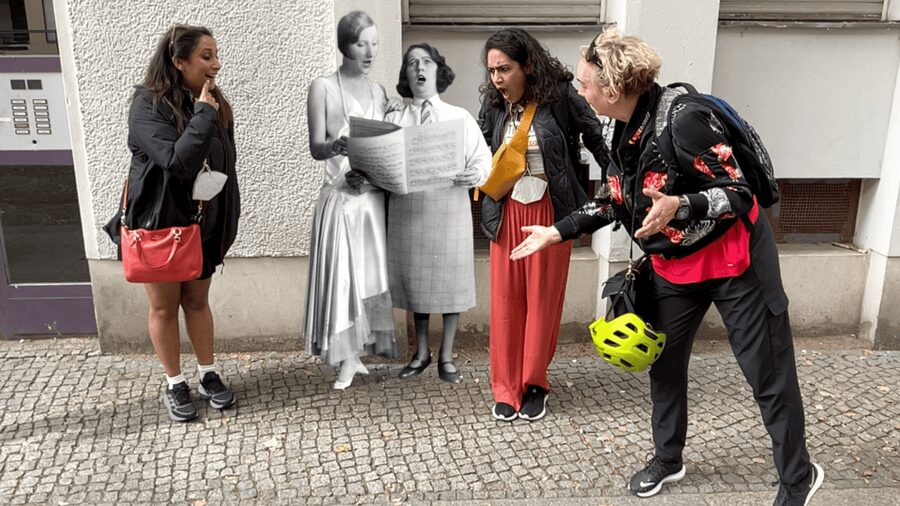
Jeff is the kind of guide who does two things well: research and care. The tour is explicitly led by a queer activist and gender scholar, and that shows in how the stories are framed—focused on identity and community, not just scandal.
The vibe in the group stays welcoming, which matters on a topic like this. Queer and trans history can be emotionally intense, especially when the guide covers persecution, mass murder, violence, and discrimination. Having a guide who can keep the room inclusive while still talking plainly is a big part of why the reviews rate the experience so highly.
If you want history that respects lived experience—without watering it down—you’ll likely feel at home here.
Starting at Alnatura Super Natur Markt and finishing at Nollendorfplatz
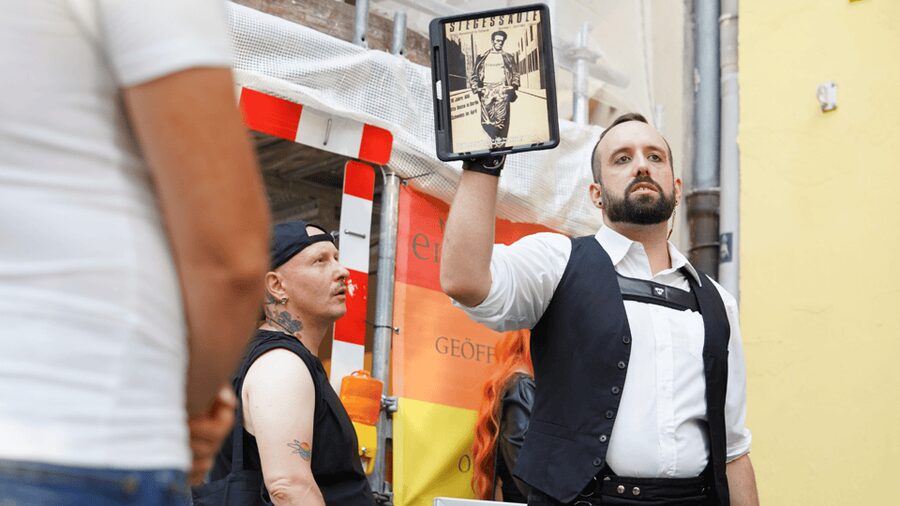
The walk begins at Alnatura Super Natur Markt (Else-Lasker-Schüler-Straße 18) with the meeting point at Nollendorfplatz. That’s a practical setup because it keeps the tour in a tight area. You’re not spending the whole 3 hours lost in transit or trying to find your way between neighborhoods.
You’ll then move through a sequence of stops tied to queer and trans themes—some are street-name moments, and some are venue-and-memory moments. The rhythm is usually short guided segments (often 10 to 20 minutes each), which helps if you get restless or if you’re not used to long history walks.
One small consideration: the tour includes segments with sensory input. You might be around bright lights or loud audio as part of the multimedia experience, so wear comfortable clothes and keep water handy.
Karl-Heinrich-Ulrichs-Straße: the movement’s early spark
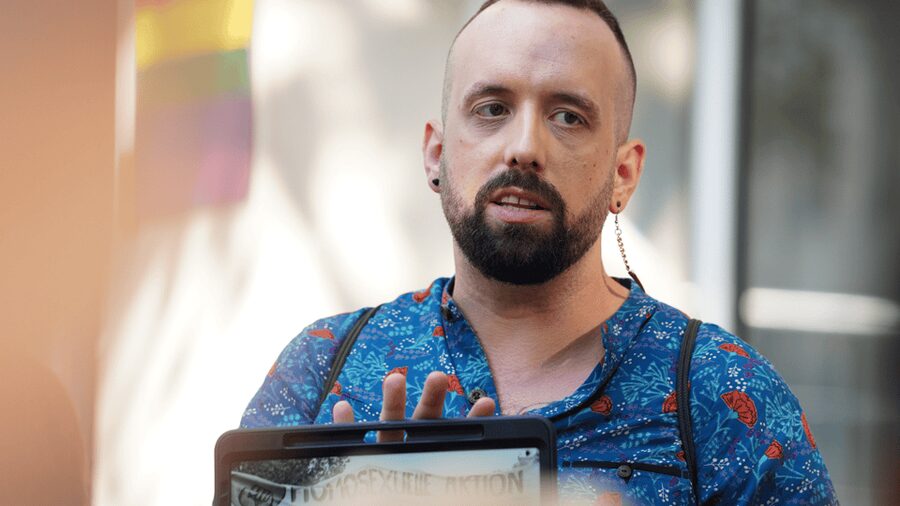
You start by heading to Karl-Heinrich-Ulrichs-Straße, where the guide sets an origin story. Ulrichs is one of the key figures tied to early LGBTQIA+ activism, and the tour frames him as part of the shift from private identity to public rights.
This is where the tour stops feeling like a city tour and starts feeling like a timeline. The multimedia elements—archival images, audio, and videos—help you understand that modern queer movements didn’t appear out of nowhere. They were built by people who named themselves, organized, and argued for visibility.
If you like learning the “first chapter” of a movement, this opening leg is a strong start.
A side-street stop and Schwerinstraße: building the map of identity
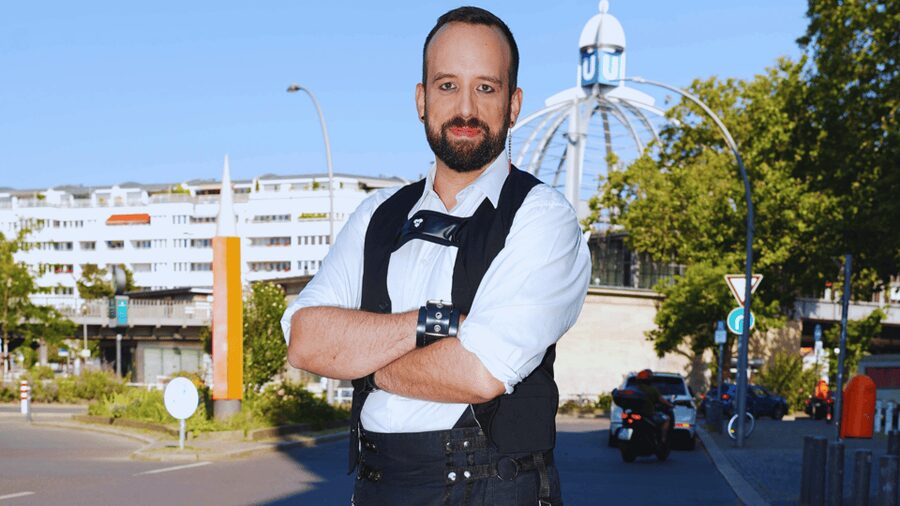
Between the named streets and venue points, there’s a segment described as a side-street surprise stop, followed by Schwerinstraße. Those short guided pauses matter because they give the guide room to connect themes without rushing.
This part tends to do something smart: it links streetscape and documentation. You’re not just hearing about queer life in Berlin; you’re seeing how Berlin’s layout and institutions reflect it—then reflect the erasure that came later.
Pay attention here, because this is often where the guide’s multimedia approach clicks. You’ll see 200+ historic photos, videos, and rare audio clips across the tour, and the first few moments help you understand how to read the screen content while also watching the street in front of you.


Nollendorfstraße and Magnus-Apotheke: names that carry stories
Next comes Nollendorfstraße, followed by Magnus-Apotheke, which gets a longer stop. The longer timing suggests the guide uses this moment to slow down and connect identity to institutions, including medical history.
The tour explicitly covers the world’s first trans identities and gender-affirming surgeries, plus how trans people lived with transvestite certificates. That topic needs care, and a longer stop gives the guide space to explain it with historical context instead of quick bullets.
If you’re curious about how early trans life worked within (and against) systems, this is one of the places you’ll get clear and specific details—not just vague “people were persecuted” statements.
Denns BioMarkt and Prinz Eisenherz: everyday spaces with a queer past
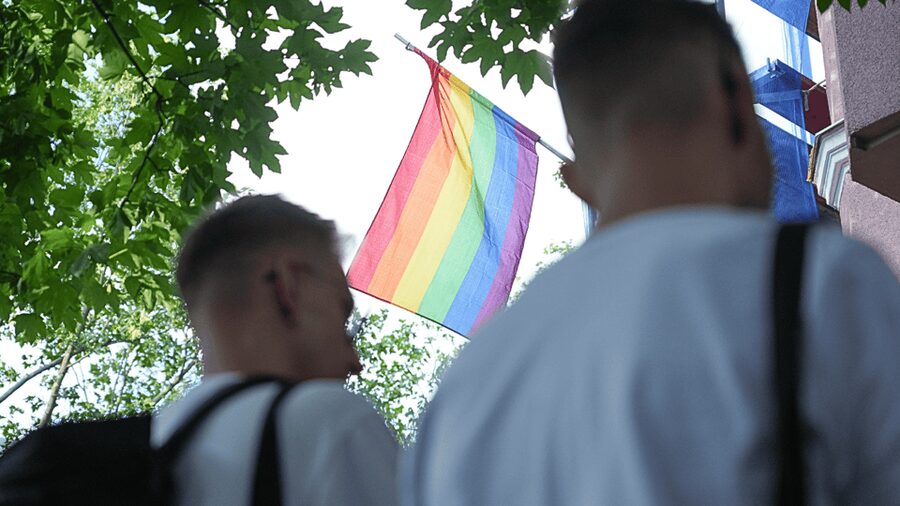
Then you move through Denns BioMarkt and Prinz Eisenherz. On the surface, these sound like regular stops. In practice, that’s part of the point: queer life didn’t only happen in archives and official museums. It happened in places that kept operating even when the surrounding climate shifted.
The tour uses AR and multimedia to turn “normal” locations into memory points. You’ll likely notice how the guide builds continuity: community forms, spaces attract people, and then backlash arrives. When you see that pattern laid out in walking form, it becomes harder to reduce the past to a single era or headline.
This section is also a good reminder that history is not only behind glass. It’s in the street-level stuff you pass without thinking.
Connection Club and Internationale Stele GEGEN DAS VERGESSEN: nightlife and memory work
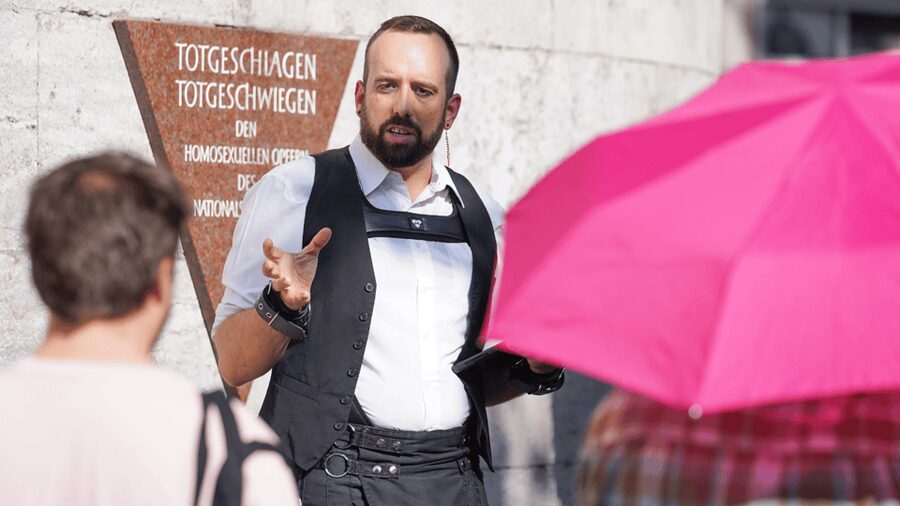
Connection Club is one of the nightlife-related stops. The tour promises legendary queer nightlife coverage from the 1920s to today, and this is where you start seeing those threads through actual place-based stories.
You then reach Internationale Stele GEGEN DAS VERGESSEN. The name points directly at remembering, and the tour’s content matches that theme. It includes the Nazi era, the contradiction in Hitler’s stance on homosexuality, persecution of queer people in concentration camps, and the way resistance continued despite attempts at erasure.
This part can feel emotionally heavy, especially because it isn’t only about hardship. It’s about survival and survival tactics—how people found one another, how community adapted, and how memory became a form of resistance in itself.
Metropol: where the past meets the club scene
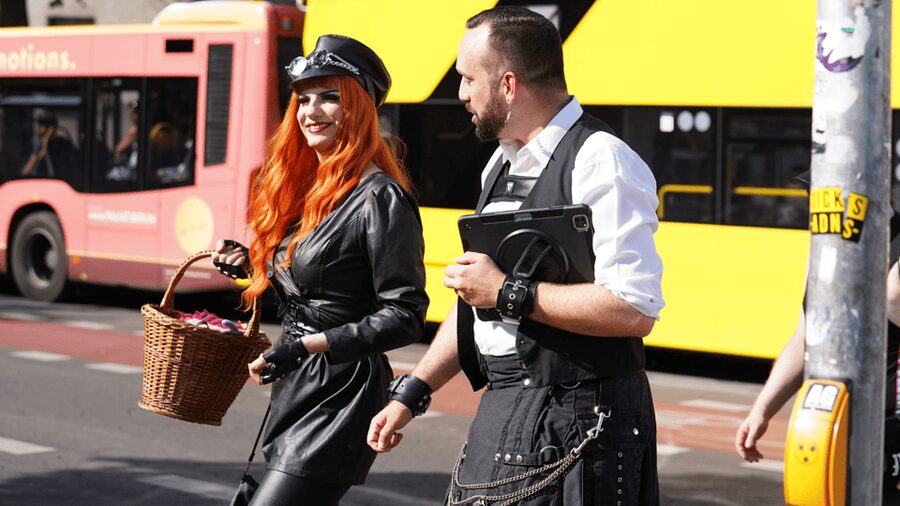
Metropol is another longer stop, which signals its importance in the storytelling. The tour connects queer nightlife history to the modern club legacy, including names you’ll likely recognize: Chez Romy Haag and Berghain show up in the narrative thread, along with the idea that Berlin shaped global nightlife culture.
You’ll also hear about queer activism and events in divided Berlin, including SchwuZ as an activist hub during the AIDS crisis. And there’s a specific cultural line you should know going in: the Berlin Wall has been called the condom of the GDR. The guide uses that kind of reference to show how people made meaning and humor inside political constraints.
If you want the history to end with something you can recognize today, this is where it starts tying together.
What the multimedia actually adds (and why it’s not just a gimmick)
A key selling point is the multimedia: 200+ historic photos, videos, and rare audio clips, plus subtitles in German, English, or both. That sounds like a lot, but it works best because the guide uses it to support the story rather than replace it.
You’ll see personal quotes, interactive quiz questions, and digital recreations/AR scenes throughout the walk. When done well, that combination helps you do two things at once: learn facts and feel the texture of the time.
The quiz format also keeps you awake in a good way. History tours can turn into a monotone recitation. Here, the interactive questions make you check your understanding before moving on.
And the archive itself is a big value lever. At $81 for 3 hours, you’re paying for more than footsteps. You’re paying for someone who has assembled rare materials—photos, video, and audio—that you would not easily find yourself in a casual self-guided visit.
Trans history you can place: from early identities to Nazi erasure
One reason this tour stands out in a practical way is how it treats trans history as foundational. You don’t just get a mention of trans experiences; you get specific story elements the tour calls out: early trans identities, gender-affirming surgeries, transvestite certificates, and how Nazis tried to erase this history.
That matters because so many city tours either skip trans narratives entirely or treat them as a small side topic. Here, trans history is built into the timeline from the beginning, alongside early queer activists like Karl-Heinrich Ulrichs and Magnus Hirschfeld.
You’ll also see how the guide frames persecution as a campaign, not an accident. Understanding that Nazis tried to erase queer and trans lives helps you see later history differently—especially in a city where memory work still shapes public identity.
Lesbian nightlife and feminist movements: community building in 1920s Berlin
The tour isn’t only about protests and persecution. It also gives space to the joy of community. You step into the world of 1920s lesbian bars and cabarets, where queer women built networks and resistance.
The guide brings recognizable cultural names into the story, including Claire Waldoff, Marlene Dietrich, and Josephine Baker. You’ll learn about lesbian activism during and after the Nazi era, which is important because activism didn’t stop just because dictatorship arrived.
For you, this adds balance. If you only see queer history through a tragedy lens, it’s easy to miss how culture and nightlife functioned as survival tools. This tour keeps both pieces in view.
LGBTQIA+ life under the Nazis: plain talk, hard facts
This section is where the content notes become real. The tour includes discussions of Nazi Germany and mass murder, plus antisemitism, racism, homophobia, transphobia, and queerphobia. It also covers drugs, HIV/AIDS, and the AIDS crisis, plus sex work, BDSM/kinks/fetishes, and sexualized violence.
I’m glad the tour signals these topics ahead of time. You can decide if today is the right day for this kind of emotional material.
If you do go, come with a mindset that this is history education, not shock entertainment. You’ll likely find that the guide’s research and caring approach helps you stay oriented in a difficult narrative.
AIDS crisis, SchwuZ, and activism in divided Berlin
The tour pays attention to the AIDS crisis as a turning point for community survival and political urgency. It explicitly mentions SchwuZ as an activist hub during the crisis and connects that energy to why Berlin became a continuing center for queer activism.
Then it ties that into divided Berlin’s political reality, including the Berlin Wall reference. The result is a story that treats AIDS activism as part of the same long thread as earlier resistance.
For you, the payoff is perspective: the tour doesn’t treat the present as a new start. It shows you how activism practices evolve under pressure.
Pride, Dyke March, Folsom Europe, and how nightlife shapes activism
The final thread links Berlin’s LGBTQIA+ influence on global nightlife and Pride. You’ll hear how Pride movements, the Dyke March, and Folsom Europe continue the legacy of Berlin’s queer club scene.
It also connects modern nightlife icons and venues (including Chez Romy Haag and Berghain) back to earlier periods. That connection helps if you love nightlife now but want to understand the political roots under the music and lights.
The overall effect is practical: it turns your memories of Berlin’s nightlife into something more meaningful. You’re not just going to clubs after the tour. You understand why certain spaces, communities, and events matter.
AR Mixies selfies and quizzes: how you keep the details
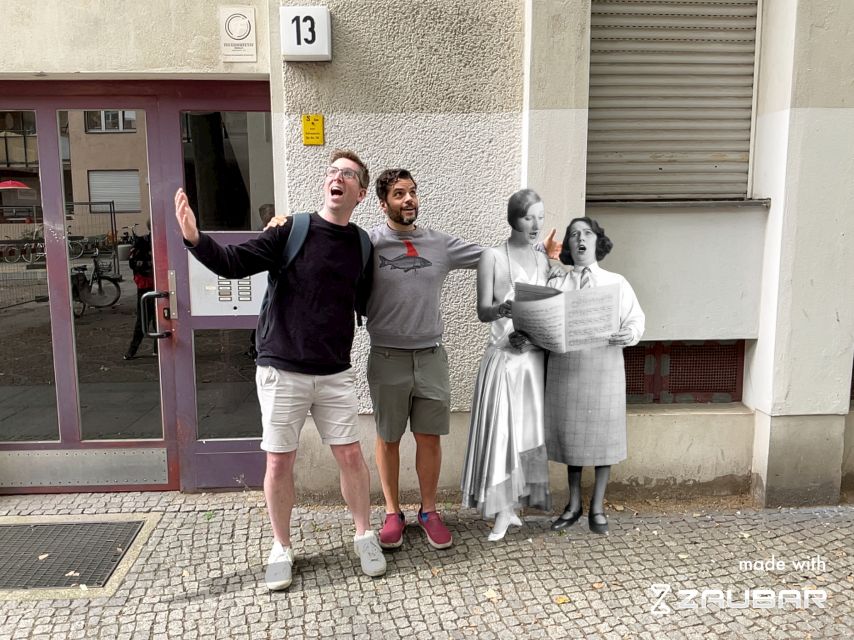
The AR elements are not just for photos. Mixies are personalized AR selfies with historic figures, which is a clever memory hook. You get a playful moment, then the story around it sticks because you attach it to a real location.
The quizzes reinforce that same memory logic. They keep you actively listening and give the guide feedback on what to slow down or clarify.
This is also where small group size helps. With up to 10 participants, it’s easier for the guide to include everyone and adjust the pace.
Price and value: is $81 worth it for 3 hours?
For $81 per person, you’re paying for a guided walking tour plus AR elements, Mixies selfies, and 200+ rare archival materials (photos, videos, rare audio clips). You’re also paying for a live English guide who is trained to teach sensitive sexual and social history topics responsibly.
If you compare it to a standard history tour price, the AR and archival depth are doing most of the heavy lifting. You also get insider tips on modern queer nightlife and events, which can save you hours of guesswork later.
The main reason it’s worth considering is that you’re buying time with someone who can interpret difficult history clearly. In Berlin, you can easily spend a day walking and still miss the through-lines this tour connects.
Who should book, and who should skip
This tour is a strong match if you want LGBTQIA+ history grounded in real Berlin places, not just abstract dates. It also fits allies who want to understand queer and trans resistance as part of modern European history, and people who love nightlife who also care about its roots.
Skip it if you want a light evening, or if the subject matter is likely to be too much right now. The tour includes explicit content notes and covers topics like Nazism, mass murder, sexualized violence, nudity, suicide, HIV/AIDS, and sex work—plus it can include loud or bright sensory segments.
Also note: it’s not suitable for children under 18.
Should you book this Berlin Queer & Trans History Tour?
If you like your city history with names, evidence, and emotional honesty, I’d book it. The small group size, Jeff’s guide style, the 200+ archival materials, and the AR Mixies selfies give you both learning and memory hooks in a tight 3-hour loop.
If you’re unsure, pick the day you can handle heavy topics. This isn’t a casual stroll through queer landmarks—it’s a guided account of identity and resistance, including the darkest chapters. When you’re ready for that, this tour gives you a clear, place-based way to understand Berlin’s queer and trans legacy.
FAQ
How long is the Berlin Queer & Trans History Tour?
The tour lasts 3 hours.
How much does it cost?
It costs $81 per person.
What language is the tour in?
The tour is in English.
How big is the group?
It’s a small group limited to 10 participants.
What is included in the price?
The price includes a guided walking tour led by a queer activist and gender scholar, AR elements, Mixies AR selfies, 200+ rare historical photos/videos/archival materials, and insider tips on Berlin’s modern queer nightlife and events.
Is the tour wheelchair accessible?
The route is wheelchair accessible, though some paths may be bumpy. Wheelchair-accessible toilets are available upon request.
What content should I be prepared for?
The tour includes discussions that may be sensitive or triggering, including antisemitism, racism, homophobia, transphobia, queerphobia, BDSM/kinks/fetishes and sex work, drugs and HIV/AIDS, Nazi Germany and mass murder, nudity, poverty, sex and sexism, sexual abuse, and sexualized violence, including violence against children and suicide.