REVIEW · BERLIN
East Berlin Food & History Tour with Eating Europe
Book on GetYourGuide →Operated by Eating Europe Food Tours · Bookable on GetYourGuide
Berlin tastes like history on a plate. On this East Berlin food-and-history walking tour with Eating Europe, I love how you map 80 years of Berlin through wall art, club zones, and key stops, and I love the food choices that feel like real immigration stories—starting with currywurst and moving through Syrian, Vietnamese, and Turkish-German classics.
One possible drawback: this is a true walking tour. It’s 3 hours on foot, you’ll want flat shoes, and it isn’t suitable for people with mobility impairments or wheelchair users, so plan your day accordingly.
In This Review
- Key things you should know before you go
- Meeting at the Berlin station: get your bearings fast
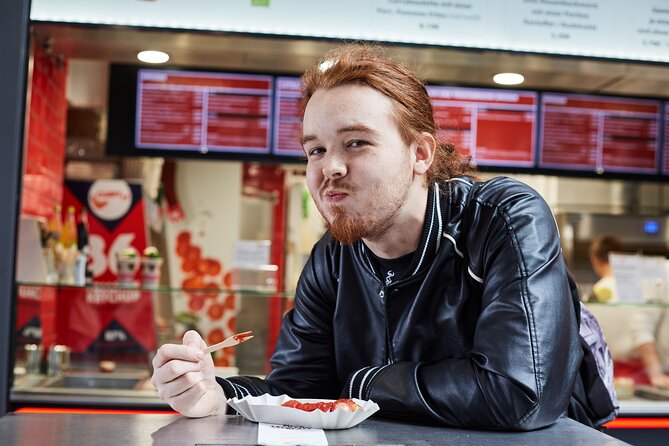
- Currywurst first: Berlin’s fast food as a cultural clue
- The Syrian supper club stop: craft beer and real stories
- Walking through 80 years: walls, key sites, and club zones
- Metabal, TyTy Tacos, and the flavors of adaptation
- Turkish-German döner and the sweet ending
- Guides make it: Clara, Anastasia, and the best kind of local context
- Price and time: is $104 worth it for 3 hours?
- Food rules, allergies, and who should skip
- Should you book the East Berlin Food & History Tour?
- FAQ
- How long is the East Berlin Food & History Tour?
- Where do we meet for the tour?
- Is the tour in English?
- What foods are included?
- What drinks are included?
- Can the tour accommodate dietary requirements like vegetarian or gluten-free?
- Is the tour suitable for people with mobility impairments or wheelchair users?
- Are children allowed, and do they get food?
- What if I have a food allergy?
- What if the tour doesn’t meet the minimum number of guests?
Key things you should know before you go
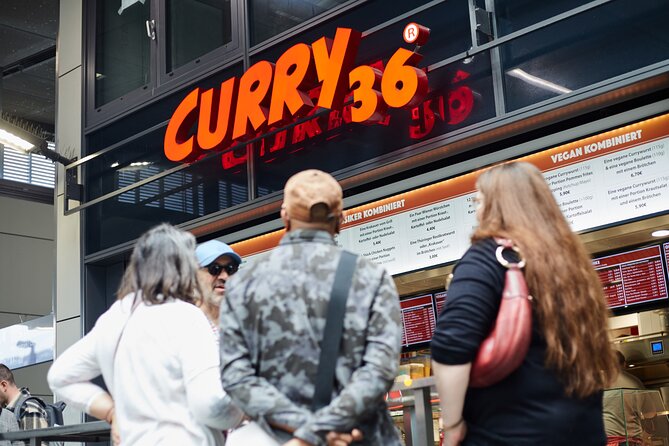
- Currywurst at a train-station stop: because Berlin’s best comfort food often shows up where people are in a hurry.
- A Syrian family supper club stop: you’ll eat, sip (local craft beer), and hear personal stories tied to the neighborhood.
- Food + history, not just one or the other: wall art and local sites help you understand why East Berlin looks the way it does today.
- Vietnamese TyTy Tacos: a bold fusion that makes Berlin’s food scene feel current, not frozen in time.
- Turkish-German döner plus a sweet finish: you get the savory classics and the dessert version of a happy ending.
- Includes dips, nuts, and drinks: you’re not just sampling bites; you’re getting a mini food circuit with Metabal and Club Mate.
Meeting at the Berlin station: get your bearings fast
The tour starts in East Berlin at a busy transit hub. You go into the main hall, walk toward McDonald’s, then head to track 8. Take the escalator down and meet in front of the bakery on the platform—your guide will be waiting there with a purple Eating Europe bag.
This matters because it sets the tone: East Berlin isn’t only “museum Berlin.” It’s daily Berlin—people moving, eating quickly, and making new habits in old spaces. You’ll also get oriented early, which helps when the walking starts and you’re picking up history cues along the way.
You can also read our reviews of more tours and experiences in Berlin.



Currywurst first: Berlin’s fast food as a cultural clue
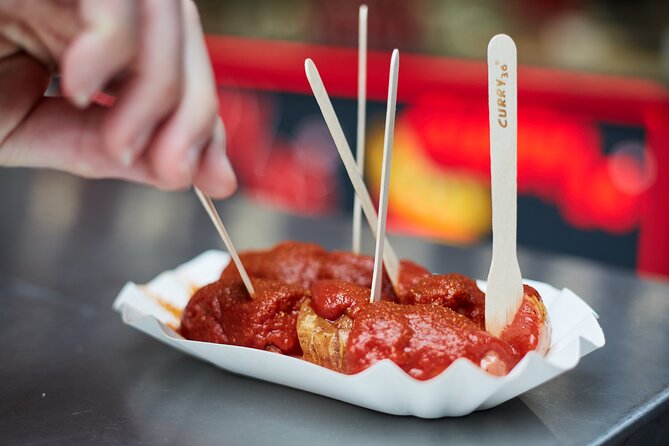
If you’re wondering why you start with currywurst, here’s the simple answer: it’s one of Berlin’s most recognizable foods, and it belongs in a train station context. On this tour, you try what’s framed as a standout currywurst spot at the station—perfect for a first taste because it’s quick, loud, and super local.
What I like about opening here is how it gives you something concrete to compare later. As the tour shifts from German classics to immigrant-run kitchens, you can taste the difference between food that’s shaped by local tradition and food that’s shaped by arrival, adaptation, and community building.
The Syrian supper club stop: craft beer and real stories
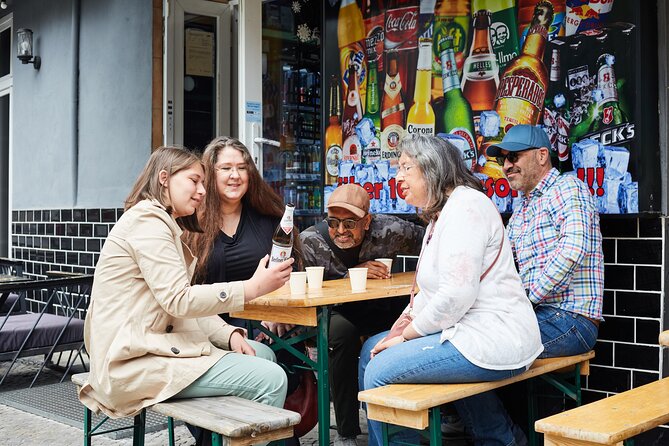
Next comes one of the most memorable parts: a Syrian-flavor family supper club. This is where the tour stops feeling like a checklist and starts feeling like an evening meal with context. You’ll eat Syrian dishes, enjoy craft beer, and hear stories tied to the people and places around East Berlin.
This is also where you’ll understand what “food history” really means. The point isn’t to memorize dates. It’s to see how people rebuild life through cooking—what they keep, what they adjust, and what they share once they’re part of Berlin’s everyday rhythm.
Walking through 80 years: walls, key sites, and club zones
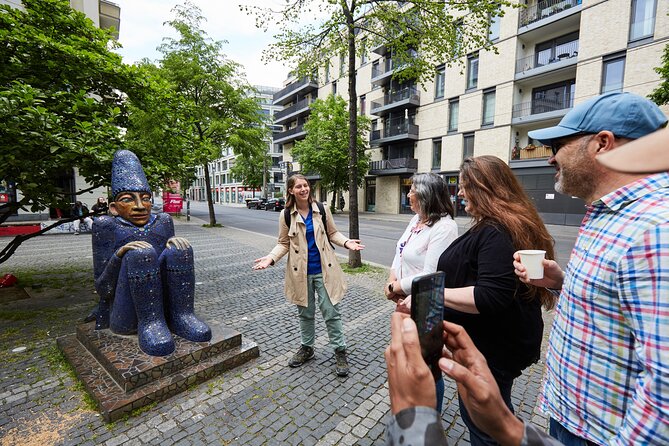
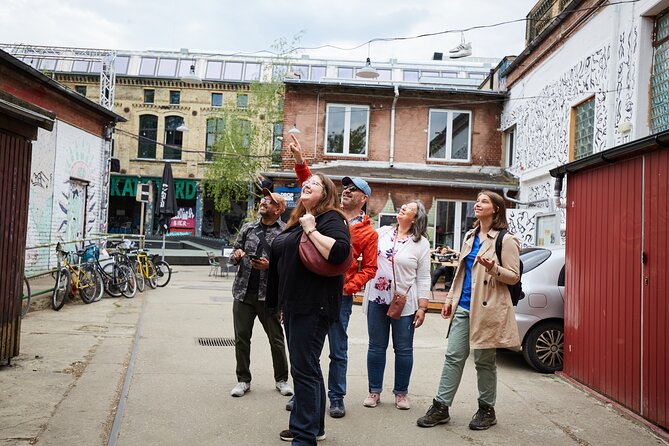
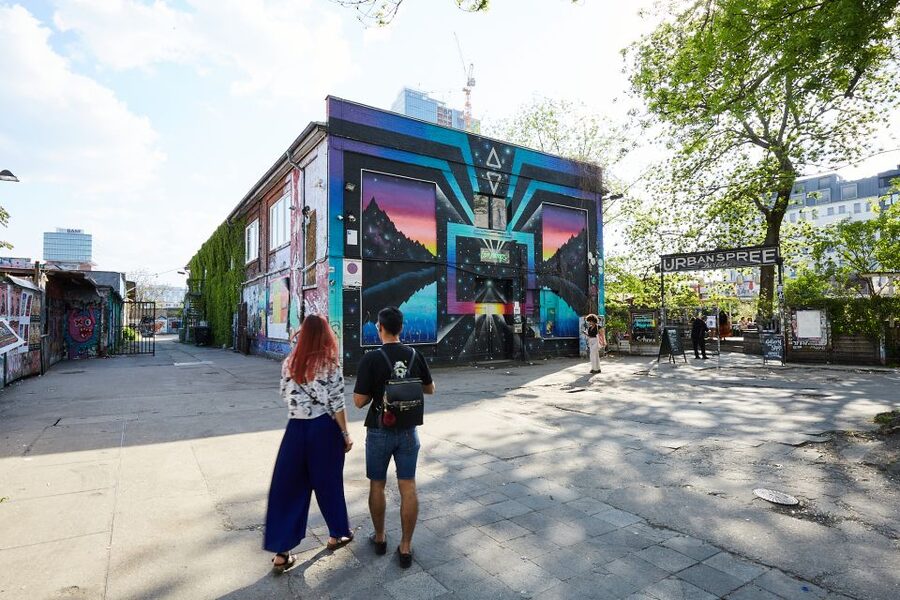
The history part happens while you walk. You’ll visit key places connected to the story of East Berlin—paired with wall art and the kinds of settings tied to Berlin’s club culture. The goal is to help you connect the big picture (commonly described as the communist-era past and the city’s transformation) to what you can actually see on the ground today.
Here’s the practical win: these types of sights are hard to understand if you’re moving through Berlin alone. A guide can point out the “why” behind what looks like street art or a neighborhood vibe. You also get a clearer sense of time—what changed, and what stayed—without needing to read a museum placard for every block.
Metabal, TyTy Tacos, and the flavors of adaptation
Between the major history beats, you’ll keep eating. One stop includes Metabal, a dip made with smoked aubergine, tahini, and garlic. It’s the kind of dish that makes sense in Berlin because it’s bold, shareable, and built for conversation—perfect for a walking tour where flavors need to pack power fast.
Then comes Vietnamese TyTy Tacos. This is where the tour leans into fusion—Vietnamese flavors meeting local tastes in a format that feels street-friendly. I like this stop because it proves the point that Berlin’s diversity isn’t only about “different countries.” It’s about new combinations happening right now.
If you’re the type who usually orders the safe thing on trips, this is a good moment to step out. These flavors are meant to be tasted and talked about, not treated like a snack you ignore.




Turkish-German döner and the sweet ending
You’ll also get the iconic Turkish-German döner. On this tour, you choose either a döner kebab or a shawarma wrap, which is handy because both map to what many people expect from Berlin’s Turkish food scene. Either way, you’re getting a classic that shows how immigrant cuisine became everyday Berlin.
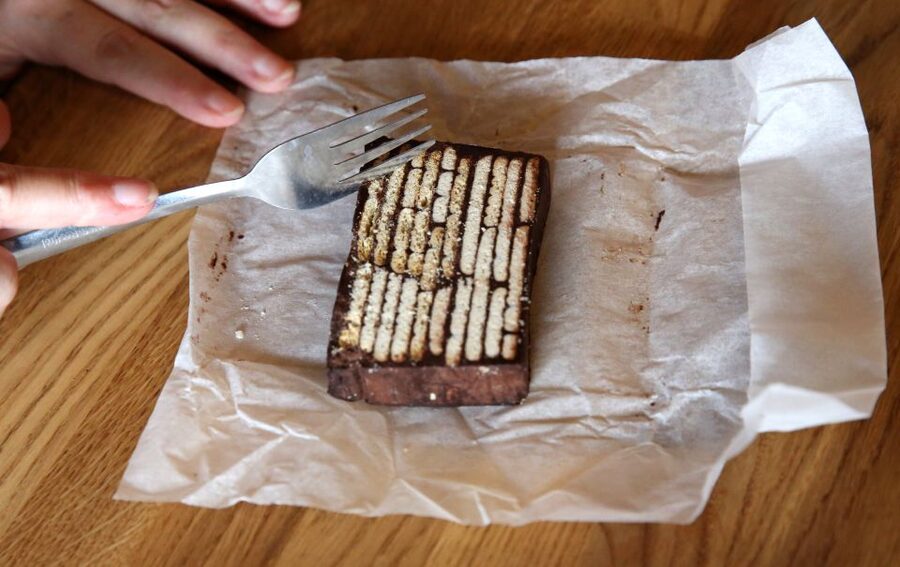
The tour doesn’t stop at savory. You finish with a sweet Turkish treat. This “last bite” matters more than it sounds. By the time you reach dessert, you’ve had enough salty, spicy, and tangy flavors that the sweet finish feels like a reset—like the tour remembered you’re still a human walking in a city.
You’ll also find small extras worked in along the way, like mixed caramelised nuts and drinks such as Club Mate (sparkling tea), plus water. Those details help the pacing feel comfortable, not like you’re constantly hunting for the next meal.
Guides make it: Clara, Anastasia, and the best kind of local context
The tour’s quality really comes through in the guide experience. In the past, guides like Clara have been singled out for strong local knowledge tied to each food stop—plus the ability to connect what you’re eating to the story of the neighborhood. Others, like Anastasia, have been praised for choosing good places and sharing interesting historical details without turning the tour into a lecture.
Even if you’re not a history nerd, a good guide changes how you notice the city. You start seeing patterns—where international communities formed, how food set down roots, and why East Berlin today feels like a patchwork you can taste.
Price and time: is $104 worth it for 3 hours?
At $104 per person for a 3-hour tour, you’re paying for three things at once: guided walking, multiple tastings, and the context that turns snacks into understanding.
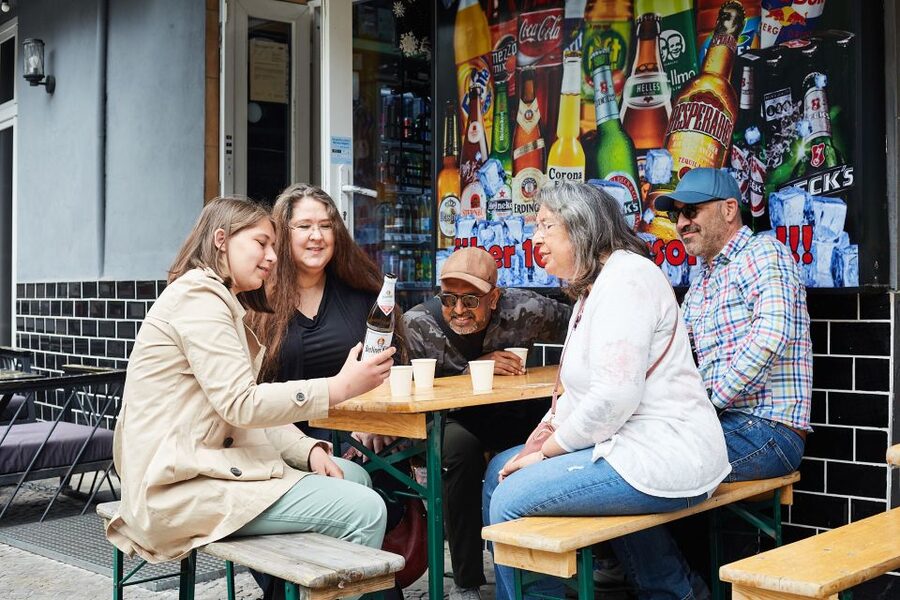
Look at what you actually get included: döner or shawarma, Metabal, Vietnamese chicken tacos, currywurst, mixed caramelised nuts, Club Mate, craft beer, and water. You also get insider tips from Food & the City and a local English-speaking guide. For Berlin, that’s a lot of food value bundled together in a short block of time.
The smartest way to judge price is this: if you’d otherwise spend the same time wandering hungry, you’d likely pay nearly as much just for meals, plus you’d miss the history threading that ties it all together. If you like eating while learning, this price can feel fair. If you mainly want a light snack, it may feel like more food than you planned—but the tour is designed to be a full food route.
Food rules, allergies, and who should skip
The tour can accommodate dietary requirements when you tell them in advance (vegetarian and gluten-free requests are specifically mentioned). Still, there are limits: it isn’t suitable for people with severe or life-threatening food allergies, and the company can’t take responsibility for allergies or intolerances.
Also keep the logistics in mind. There’s no hotel pick-up or drop-off, and you’ll be walking. The tour is not for wheelchair users, and it isn’t suitable for people with mobility impairments. If you have any mobility concerns, check your comfort level for steady walking before booking.
Should you book the East Berlin Food & History Tour?
Book it if you want Berlin through your stomach and your eyes. This is a strong choice for a first visit to East Berlin, or for anyone who’s done the “classic landmarks” already and now wants the city’s immigrant food story told in an enjoyable, organized way. The mix of currywurst, Syrian supper-club energy, TyTy Tacos fusion, and Turkish classics gives you a real cross-section of what makes East Berlin feel different.
Don’t book it if you can’t handle a 3-hour walking format or you have severe food allergies that don’t fit the tour’s safety limits. Also, if you’re the kind of traveler who hates structure at food stops, you might prefer a more free-form day. But if you like a guided route that turns tastings into a coherent story, this tour is a practical and fun way to spend a few hours.
FAQ
How long is the East Berlin Food & History Tour?
It lasts about 3 hours.
Where do we meet for the tour?
Meet in the main hall and walk toward McDonald’s to track 8. Take the escalator down and meet in front of the bakery on the platform. Your guide will be waiting with a purple Eating Europe bag.
Is the tour in English?
Yes, the tour has a live English-speaking guide.
What foods are included?
The included tastings are: döner kebab or shawarma wrap, Metabal (smoked aubergine dip with tahini and garlic), Vietnamese chicken tacos, currywurst, mixed caramelised nuts, and a sweet Turkish treat (as part of the tour experience).
What drinks are included?
Club Mate (sparkling tea), local craft beer, and water are included. Extra drinks are not included.
Can the tour accommodate dietary requirements like vegetarian or gluten-free?
Yes. If you email or add a note at booking, the team will do its best to accommodate vegetarians, gluten-free guests, or other dietary needs. Note that severe or life-threatening food allergies aren’t suitable for this experience.
Is the tour suitable for people with mobility impairments or wheelchair users?
No. The experience isn’t suitable for people with mobility impairments and wheelchair users.
Are children allowed, and do they get food?
Children under 4 can join for free, but food is not included. Paid tickets with food included are available for ages 4 and up.
What if I have a food allergy?
The tour isn’t suitable for severe or life-threatening food allergies, and the company cannot take responsibility for allergies or intolerances. If you have dietary concerns, contact the team in advance.
What if the tour doesn’t meet the minimum number of guests?
The tour requires a minimum of 2 guests. If the minimum isn’t met, the company will contact you to help reschedule or reimburse you.