REVIEW · ROME
Celebrate Ancient Jubilee in Rome in the 4 Papal Basilicas
Book on Viator →Operated by Roman Vacations · Bookable on Viator
Four Holy Doors, one focused Rome day. This 2025 Jubilee tour strings together the big spiritual sites of the city, then adds guide-led details so you’re not just looking at marble. You’ll move through the four papal basilicas and see all four Holy Doors opened for the occasion.
I especially like two parts. First, the guide work is built around specific objects and stories you’ll actually see, including Michelangelo’s Pietà and the relics and altars that connect back to the saints beneath. Second, the pacing fits real life: a maximum 12 person group, plus an air-conditioned vehicle between stops, all in about 5 hours.
The main thing to plan for is walking. This experience is not recommended for mobility difficulties, and the route can be tiring if you or someone in your group needs more support.
In This Review
- Key highlights I’d plan my trip around
- Jubilee 2025 and the four Holy Doors in one efficient 5-hour loop
- Price and what $300.38 per person buys you (and what it doesn’t)
- Small group limits, guide style, and how to not get lost at the start
- Stop 1: St. Peter’s Basilica and Michelangelo’s Pietà over St. Peter’s tomb
- Stop 2: St. Paul Outside the Walls, St. Paul’s chains, and the sarcophagus
- Stop 3: Arcibasilica di San Giovanni in Laterano and the mosaics plus heads of Peter and Paul
- Stop 4: Santa Maria Maggiore’s golden interior, Nativity relic, and Salus Populi Romani
- How the day actually feels: timing, walking, and what to bring
- Who this Holy Door tour is perfect for (and who should think twice)
- Should you book? My practical take
- FAQ
- How long is the Celebrate Ancient Jubilee in Rome tour?
- What does the tour cost and is it in English?
- How many people are in the group?
- Where does the tour start and end?
- Is there an admission fee included for the basilicas?
- Is the tour suitable for mobility difficulties?
Key highlights I’d plan my trip around
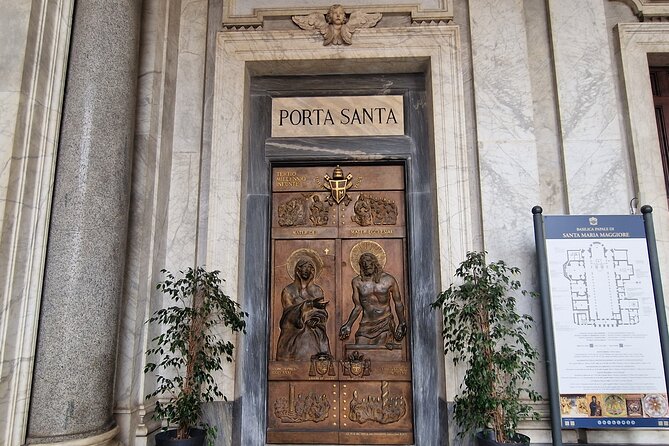
- All four Holy Doors in one day at the four papal basilicas opened for the 2025 Jubilee
- Stop-by-stop guidance focused on key sacred details like Michelangelo’s Pietà and St. Paul’s chains
- Small group or private option (maximum 12 in the group setting)
- Air-conditioned vehicle transfers to cut down on time in Rome traffic
- Strong cathedral-level context including mosaics and major relics you’ll see inside
- End-to-end convenience with a clear start point in the Vatican area and finish at Santa Maria Maggiore
Jubilee 2025 and the four Holy Doors in one efficient 5-hour loop
This is not a random church hop. The whole point is the 2025 Jubilee, and the tour is structured around visiting the four papal basilicas and seeing the Holy Doors opened for the occasion. For many people, that turns Rome sightseeing into a clear spiritual route: you know what you came for, and each stop builds on the last.
The timing is also refreshingly straightforward. The tour runs about 5 hours, with roughly 1 hour at each basilica. That’s long enough for a real guided interior visit, but short enough that you’re not completely wiped out by the end of the day.
One more practical note: the tour includes a mobile ticket, which helps you stay organized once you’re on-site. For a day that involves four separate large churches, fewer things to manage is a win.
You can also read our reviews of more tours and experiences in Rome.
Price and what $300.38 per person buys you (and what it doesn’t)
At $300.38 per person, this sits in the guided “you’re paying for structure” category. The value comes from three things you’d otherwise have to figure out yourself: a professional guide, time-saving transfers by air-conditioned vehicle, and coverage of four major basilicas in a single itinerary.
Here’s what you get:
- Expert professional guide
- Air-conditioned vehicle
- Admission fee detail listed for St. Peter’s Basilica (ticket is free as part of the tour)
And here’s what you should budget separately:
- Food and drink
If you’re the kind of person who likes to wander with a plan, this price makes sense. You’re paying so the day doesn’t turn into logistics stress—especially during a special-year moment like the Jubilee, when people are looking for the right doors, the right routes, and the right context.
Small group limits, guide style, and how to not get lost at the start
This runs with a maximum of 12 travelers in the group format, and there’s also an option for a private guide and vehicle. That small-group cap matters because you’re not fighting for space inside huge churches, and it’s easier for the guide to tailor explanations.
The guide’s approach is a big part of why people rate this so highly. Paul and Daniel are names that come up, both associated with strong, question-friendly guiding. One pattern I’d take from their style: they don’t just point at art. They connect what you’re seeing with the Christian story and Roman setting—down to details like relics, altars, and why certain objects matter.
Practical tip for the meeting point: the starting location is at Fontana di Piazza Giovanni XXIII, Lungotevere Vaticano. One review noted difficulty spotting the guide at first and described a solution: look for the guide with the orange flag, and if needed, contact the operator so you can connect quickly.
Stop 1: St. Peter’s Basilica and Michelangelo’s Pietà over St. Peter’s tomb
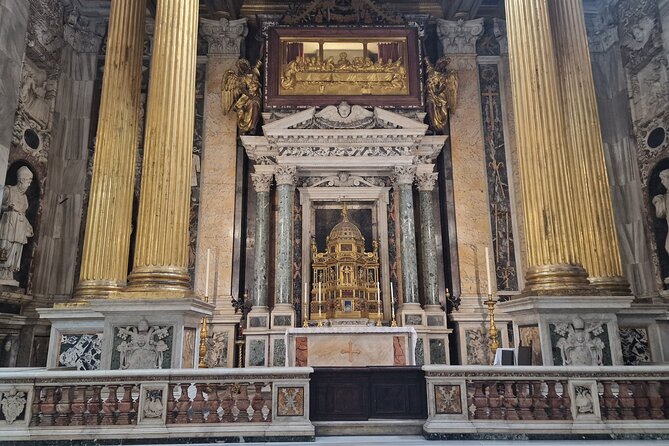
St. Peter’s Basilica is where the day anchors. The tour begins in Vatican territory at the basilica built over the traditional site associated with St. Peter’s body. That alone makes this first stop feel like a foundation rather than a sightseeing “start.”
Your guided time here is designed around what’s inside:
- The Michelangelo’s Pietà is highlighted, so you know where to focus when you’re inside a room full of competing masterpieces.
- The tour covers relics and altars connected to major saints of the Catholic Church.
- You also get the story tied to where St. Peter’s burial is understood beneath the High Altar.
One thing I like about this setup: it helps you avoid the common Rome mistake of staring at the scale without understanding the meaning. Even if you don’t memorize details, the guide helps you read the basilica like a map—who’s honored here, what object links to which saint, and how the architecture serves the spiritual message.
Potential drawback: St. Peter’s can be intense. With a focused one-hour interior visit, you’ll want to decide early what matters most to you (art, relics, or the papal story) so you don’t spend the hour trying to do everything at once.
Stop 2: St. Paul Outside the Walls, St. Paul’s chains, and the sarcophagus
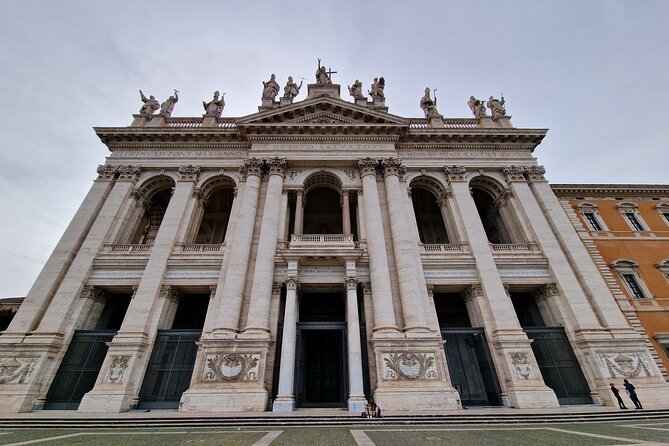
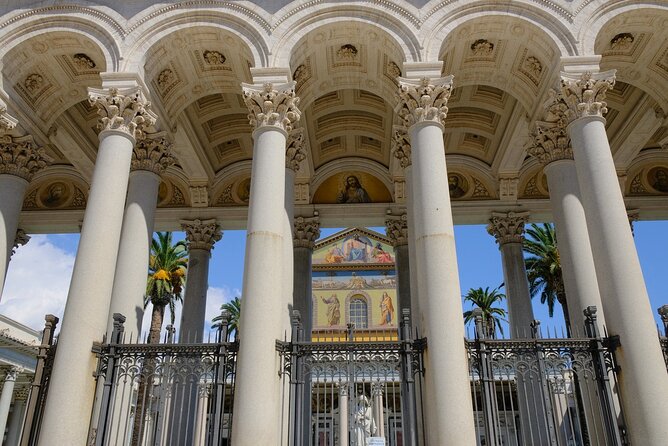
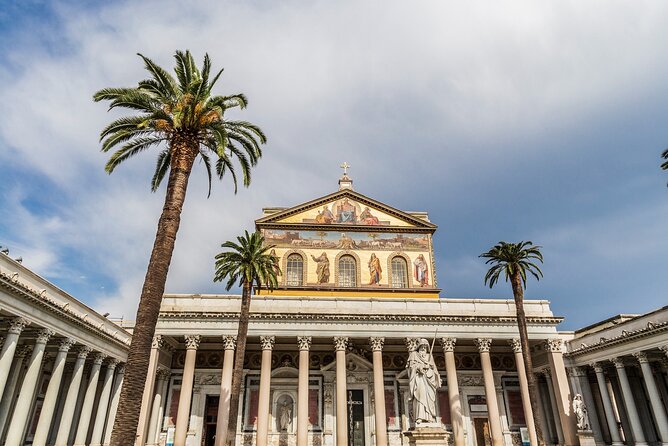
Moving to the Basilica Papale di San Paolo Fuori le Mura shifts the mood in a good way. This is the place tied to St. Paul’s remains and one of the most powerful relic-centered stories in the itinerary.
Expect the guide to point out:
- The chains that bound St. Paul during his incarceration and house arrest in Rome
- A newly excavated sarcophagus connected with Paul
- The broader visit through the ancient Theodosian basilica
This stop has a “you can feel the story” quality. You’re not only seeing religious art; you’re seeing specific objects that symbolize the hardships of Paul’s life and mission. The chains are the kind of detail that changes the way you look at everything else in the church—suddenly it’s not just decoration, it’s evidence of a narrative.
One practical consideration: photos and slow moments often take longer in churches like this because the whole space invites reflection. If you’re traveling with a strict schedule, you may feel slightly rushed by the end of the hour. But if you like to pause, this is a strong stop for that.
Stop 3: Arcibasilica di San Giovanni in Laterano and the mosaics plus heads of Peter and Paul
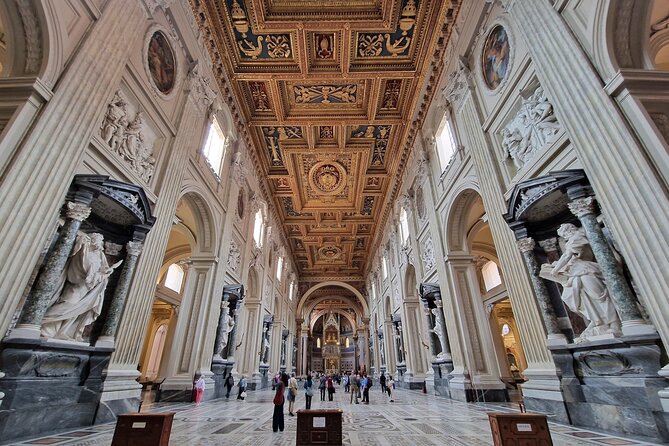
St. John Lateran is Rome’s cathedral church, and that status shows up immediately. The guide here focuses on history and visual storytelling inside the basilica, including some of the older elements that make it feel deeply rooted.
Key things your tour time is likely to emphasize:
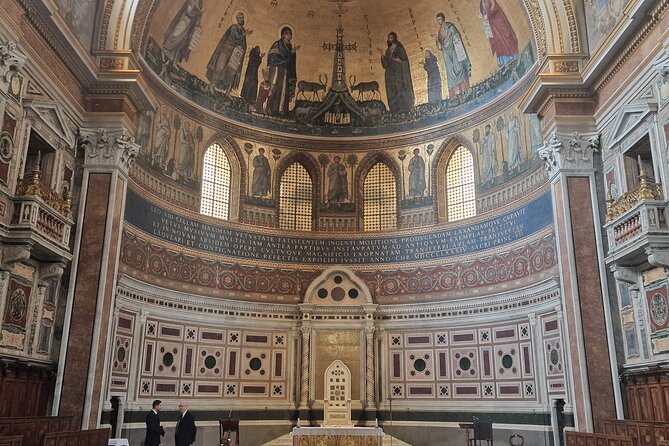
- The story of the ancient mosaics inside
- The tradition of the heads of Saints Peter & Paul placed above the altar in 1300
These details matter because they help you understand why this church is central. It’s not just another stop on a pilgrimage route. It carries an identity that ties together Roman Christianity at the level of symbols, relic traditions, and centuries of devotional practice.
If you like your church visits to come with context you can actually use, this stop is built for you. In plain terms: you’ll walk in knowing what to look for, and the guide’s explanations help you connect the visible pieces.
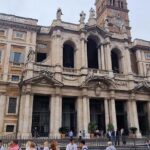
Stop 4: Santa Maria Maggiore’s golden interior, Nativity relic, and Salus Populi Romani
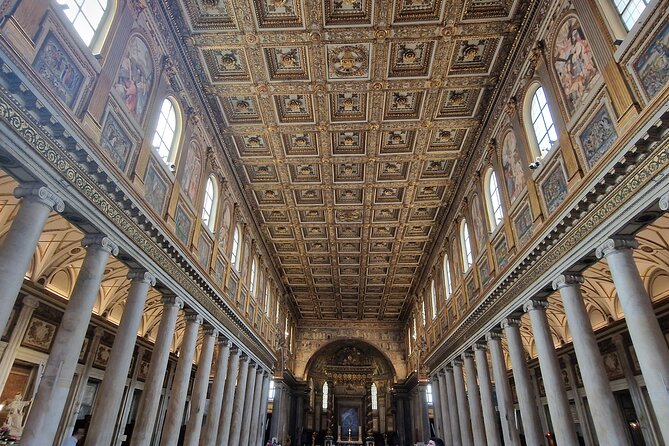
This last basilica often lands as the emotional finish. Basilica di Santa Maria Maggiore (St Mary Major) is known for its golden interior, and this tour uses that reputation wisely by building the visit around the objects and stories people don’t always know to seek.
Your guided highlights here include:
- The church’s important standing as a major dedication to Mary
- How different popes are buried here
- The relics connected to the crib of the nativity of Christ
- The miraculous icon Salus Populi Romani
If you’re trying to balance spirituality with art and sacred objects, this stop is a strong match. You’re not only leaving with photos; you’re leaving with a better sense of why this church matters to devotion and why certain icons and relics repeat in Catholic life.
Practical finish: the tour ends in the piazza in front of the church, at P.za di Santa Maria Maggiore. That’s a helpful way to close the loop because you can step back into street life right after the last basilica instead of getting stuck trying to navigate a new area immediately.
How the day actually feels: timing, walking, and what to bring
Even with vehicle transfers, you should plan for a lot of on-foot time. Four major basilicas in one day means multiple entrances, security-style slowdowns (depending on conditions), and time in large interiors.
Because the tour is not recommended for mobility difficulties, I’d treat this as a “good for people with solid walking stamina” itinerary. If someone in your group needs support, it’s smart to mention it before the tour so you can discuss accommodations. One note from the experience details: the van can accommodate a wheelchair if arranged in advance, but the overall route still may be challenging.
What to bring:
- Comfortable shoes for long church interiors and outdoor walking between stops
- A small snack plan, since food and drink are not included
- Your patience for crowd flow, especially in Jubilee season
The one saving grace is the group size. With up to 12 people, you’re less likely to feel like you’re constantly shoulder-to-shoulder with strangers.
Who this Holy Door tour is perfect for (and who should think twice)
This tour is a great fit if:
- You want the Jubilee 2025 experience focused on the Holy Doors and four major basilicas
- You care about spiritual meaning plus concrete details like relics, chains, mosaics, and specific artworks
- You prefer a small-group structure rather than trying to coordinate everything alone
It may be less ideal if:
- You have mobility challenges and cannot comfortably manage a high-walking day through major churches
- You’re looking for lots of free time inside each site without guide direction (this is guided and structured, not a roam-your-way day)
If your priority is spiritual reflection with clear context, this itinerary is built to help you get there quickly and stay oriented.
Should you book? My practical take
Book this tour if you want a Jubilee day that feels organized, not chaotic. The biggest reason to choose it is the combination of four Holy Doors, four iconic interiors, and a professional guide who points out the details that make those spaces more than just impressive buildings. The small-group size and vehicle transfers add real value for a 5-hour plan.
Skip or reconsider if walking is a hard limit for you. The route is not marketed for mobility difficulties, and even with the vehicle, the basilica interiors and between-stop walking can be tiring.
If you’re deciding between doing this solo and booking, I’d pick the tour when you want meaning fast: knowing where to look, what objects matter, and how each basilica connects to the broader Catholic story.
FAQ
How long is the Celebrate Ancient Jubilee in Rome tour?
The tour duration is listed as about 5 hours.
What does the tour cost and is it in English?
The price is $300.38 per person, and the tour is offered in English.
How many people are in the group?
The tour has a maximum of 12 travelers. There is also the option for a private guide and vehicle.
Where does the tour start and end?
It starts at Fontana di Piazza Giovanni XXIII, Lungotevere Vaticano, 00193 Roma, and ends at the piazza in front of Papal Basilica of Saint Mary Major at P.za di Santa Maria Maggiore, 00100 Roma.
Is there an admission fee included for the basilicas?
St. Peter’s Basilica is listed as admission ticket free as part of the tour. No other specific admission fees are listed in the provided details.
Is the tour suitable for mobility difficulties?
The tour is not recommended for travelers with mobility difficulties, due to the amount of walking involved.