REVIEW · WASHINGTON DC
Georgetown Spy History Tour with a Former CIA Officer
Book on Viator →Operated by Spyher · Bookable on Viator
Georgetown turns into a spy map fast. This 1.5-hour walking tour uses a former intelligence officer’s real-world lens to connect WWII and Cold War espionage to everyday street-level details you’d normally miss. It’s interactive, question-heavy, and designed for people who enjoy the story behind the spy tradecraft, not just the Hollywood version.
Two things I like a lot: you get plenty of time to ask questions, and you’ll be forced to look closely while walking. The guide doesn’t just point at history; they help you spot how a neighborhood’s layout and habits can matter when you’re trying to pass information without drawing attention. One possible drawback: this is still a walk, and it calls for moderate fitness and weather-appropriate clothes.
If you’re hoping for a laid-back sitting tour, this won’t be that. It starts outside Oak Hill Cemetery and finishes about 0.7 mile later near Martin’s Tavern, so plan for a steady pace and bring water.
In This Review
- Key Things You’ll Remember From This Georgetown Spy Tour
- A 90-Minute Spy Walk Through Georgetown’s Quiet Details
- Oak Hill Cemetery to Martin’s Tavern: The Route Matters
- WWII and Cold War Sites: How Georgetown Got Wired for Information
- Tradecraft in Plain English: Signals, Dead Drops, and Risk
- The Fun Factor: Secret Messages and a Hands-On Start
- Price and Value: Is $85 Worth a 1.5-Hour Walk?
- Pace, Group Size, and What You Should Bring
- Who Should Book This Tour (and Who Might Skip It)
- Should You Book the Georgetown Spy History Tour?
- FAQ
- What is the duration of the Georgetown Spy History Tour?
- How much does the tour cost?
- Where does the tour start and end?
- What is included in the ticket price?
- Is snacks included?
- What language is the tour offered in?
- Do I need to be comfortable walking?
- How big is the group?
- Is a mobile ticket provided?
- What if the weather is bad?
Key Things You’ll Remember From This Georgetown Spy Tour
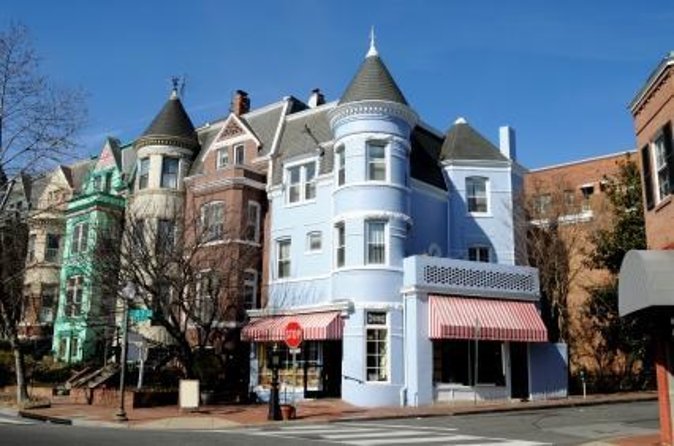
- Former intelligence officer perspectives tied directly to what life looked like overseas
- Question-friendly format where you can steer the conversation toward what you actually want to know
- Tradecraft talk made practical, including impersonal communication and how risk is managed
- On-foot spotting, so Georgetown looks different once you know what to watch for
- A hands-on signal moment that turns theory into an activity you can follow along with
- Small group feel with a maximum of 25 people
A 90-Minute Spy Walk Through Georgetown’s Quiet Details
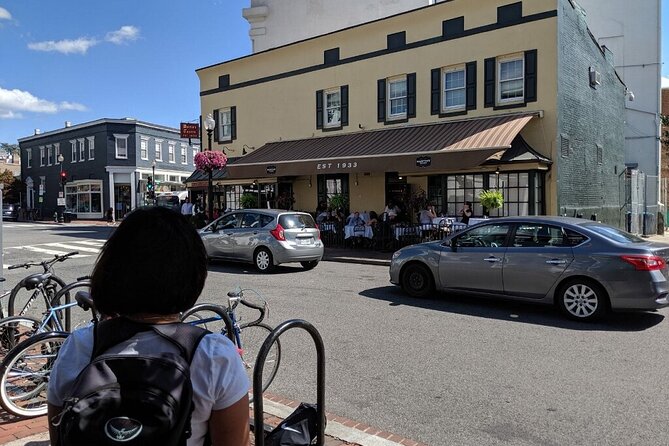
This tour is built around the idea that espionage doesn’t happen in a vacuum. In Georgetown, history shows up in the small stuff: the way people move, where they might pause, and how messages can be passed with minimal friction. The former intelligence officer guide frames it like an operating reality—how risk shows up, why communication methods are chosen carefully, and what can go wrong when you assume people behave like they do in spy movies.
What makes it especially fun is the structure. You’re not stuck listening the whole time, and you’re not wandering alone either. You move from one stop to the next with a clear purpose: visit select spy-related sites in Georgetown and learn what shaped the neighborhood through leaders, heroes, and traitors. That mix matters. If you only focus on the victories, you miss the human side of why intelligence work became what it is.
Another highlight is the tone. Based on the experiences shared in the tour feedback, the best parts aren’t just the big concepts. People mention that the guide keeps things casual and easygoing while still packing in a lot of material. For example, one group specifically called out a strong mix of secret-message style fun at the start plus stories that keep building as you walk.
You can also read our reviews of more tours and experiences in Washington DC.



Oak Hill Cemetery to Martin’s Tavern: The Route Matters

The tour begins outside Oak Hill Cemetery (3001 R St NW) and ends about 0.7 mile away outside Martin’s Tavern (1264 Wisconsin Ave NW). That distance is short enough to feel manageable, but long enough that you’ll get that gradual payoff: each new stop adds another layer to what you’re learning.
This start-and-finish setup is practical for Georgetown. It means you’ll be walking through real neighborhood blocks rather than looping around a single cultural landmark. You also get an easy end point. If you want dinner or a drink after, Martin’s Tavern is a natural location to transition from tour mode to normal city mode.
A tip from the tour vibe: wear shoes that can handle uneven sidewalks and keep your water handy. The tour’s guidance is straightforward—walking shoes, water, and dressing for the weather. On a cold day (one review called it out), comfort really affects how well you can pay attention.
WWII and Cold War Sites: How Georgetown Got Wired for Information

This isn’t a generic neighborhood history. The focus is on how Georgetown residents contributed to espionage in WWII and the Cold War. The guide talks about the mindset of intelligence work and how those residents played roles in communication, observation, and information handling—sometimes as participants, sometimes as targets, and sometimes in ways you might never guess from the street view.
You’ll learn that spy work often depends less on dramatic gestures and more on routine. That’s why a walking format works so well. As you move block by block, you can compare what you’re told with what you see: who might have been watching, what might have been exchanged, and how people could reduce risk by controlling what was noticed.
One of the strongest outcomes from this tour format is pattern recognition. After you hear about impersonal communication and risk mitigation, Georgetown doesn’t look like just another postcard neighborhood. It starts looking like a place where someone could think strategically about anonymity, distance, and timing.
Tradecraft in Plain English: Signals, Dead Drops, and Risk
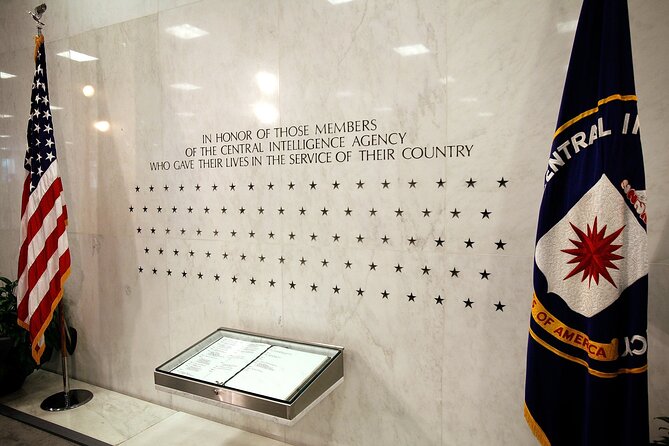
Here’s where the tour becomes more than sightseeing. The guide covers impersonal communication and how it helps mitigate risk. Then you test the idea by doing an activity tied to reading a signal site and unloading a dead drop.
Even if you know nothing about espionage, this part has a smart teaching rhythm. It takes concepts that normally sound technical and turns them into something you can follow in real time. The point isn’t to make you think you’re running operations—it’s to help you understand why these methods mattered and why they were chosen.
This is also the part where asking questions pays off most. If you want to know how intelligence officers think, how risk is evaluated, or why communication methods changed over time, this tour is set up for back-and-forth. The tour feedback repeatedly emphasizes the chance to ask your guide questions, and that fits perfectly with tradecraft topics, which often raise natural follow-ups.
You’ll also hear personal anecdotes from the guide’s overseas time. The best use of anecdotes isn’t name-dropping; it’s making the concepts feel real. That realism is a big part of why people rate this experience so highly. One set of comments singled out a highly engaging, story-driven approach and said it was one of the best tours they’d ever taken.
The Fun Factor: Secret Messages and a Hands-On Start

The experience begins with a playful element described as a secret message moment. That’s more than a gimmick. It signals the tour’s overall philosophy: you’re going to practice noticing, not just memorize facts.
As you continue, the stories keep relating back to Georgetown itself—how the profession’s mindset connects to the neighborhood’s history. Some groups specifically mentioned visiting multiple homes where people involved in the spy world lived. Even without turning it into a walk of famous-name celebrity houses, that kind of stop helps you feel the scale of the story: espionage wasn’t confined to meeting rooms. It existed in everyday residences and community patterns.
If you like learning through “try it” moments, this tour hits. The signal-and-dead-drop activity also adds that hands-on element that makes the concepts stick longer after you’ve left the street corner.






Price and Value: Is $85 Worth a 1.5-Hour Walk?
At $85 per person for about 1 hour 30 minutes, you’re paying for three things: a former intelligence officer guide, a structured walking route, and active learning (including signal and dead drop style practice). This isn’t a low-cost stroll where you mostly get talking points from a guide with a microphone.
What I see as good value here is that the tour is not only educational—it’s interactive. The chance to ask questions, combined with the tradecraft activity, means you’ll be doing more than listening while standing still. You also get a group limit of up to 25 people, so you’re not competing for attention in a crowd.
It’s also clear what isn’t included: snacks aren’t part of the ticket. That matters for value because a lot of “paid experience” tours forget the basics. If you tend to get hungry on walks, plan a snack before or after, so the tour stays focused on learning.
Finally, the tour is mobile-ticketed and offered in English, which is practical if you want to spend less time dealing with paper and more time actually walking and learning.
Pace, Group Size, and What You Should Bring

This is a walking tour, but it’s designed to be doable with a moderate physical fitness level. The official note is straightforward: bring walking shoes, bring water, and dress for the weather. That advice sounds basic, but it’s exactly what makes the difference between a tour you remember and a tour you endure.
Group size is capped at 25, which usually helps keep the conversation lively—especially when the format encourages questions. If you’re the type who thinks best out loud, this setup tends to work well because your guide can handle different angles of curiosity without rushing.
Also consider timing. Georgetown weather can change fast, and the tour notes that the experience requires good weather. If conditions are poor, you’ll be offered a different date or a refund. That’s one of the reasons I recommend checking your forecast and being ready to shift plans if needed.
Who Should Book This Tour (and Who Might Skip It)
Book it if you like spy stories but want the real-world framework behind them: impersonal communication, risk awareness, and how tradecraft connects to a neighborhood. It’s also a good fit if you like walking tours that reward close attention. This one asks you to watch, compare, and think, not just follow a path.
It’s also a great choice for people who enjoy discussion. The tour is built for questions, and the subject matter naturally leads to curiosity about how intelligence officers think. Based on the feedback, the guide approach feels entertaining and engaging, with stories that keep moving as you walk.
Skip it if you want a purely historical lecture with no participation. There is a hands-on component, and you’ll be walking throughout. If your ideal day is sitting in a museum chair, this route won’t match that preference.
Should You Book the Georgetown Spy History Tour?
Yes, I’d book it if you want Georgetown with an edge. This tour isn’t about collecting random facts. It’s about learning a way of thinking—how communication choices reduce risk and why signals and dead drops are tied to place and routine. The former intelligence officer perspective is the star, and the interactive parts (secret-message start plus the signal/dead-drop activity) make it more memorable than a standard stroll.
If you’re on the fence, use this quick checklist:
- You’re comfortable with a walk of about 1.5 hours.
- You want to ask questions and get answers, not just listen.
- You enjoy WWII and Cold War topics and like seeing them linked to a real neighborhood.
If that sounds like you, reserve your spot. The tour is commonly booked about 22 days in advance, so planning ahead usually helps.
FAQ
What is the duration of the Georgetown Spy History Tour?
It runs for about 1 hour 30 minutes.
How much does the tour cost?
The price is $85.00 per person.
Where does the tour start and end?
It starts outside Oak Hill Cemetery at 3001 R St NW, Washington, DC 20007, and it ends about 0.7 mile away outside Martin’s Tavern at 1264 Wisconsin Ave NW, Washington, DC 20007.
What is included in the ticket price?
You get a 1.5 hour walking tour of WWII spy sites and history in Georgetown.
Is snacks included?
No, snacks are not included.
What language is the tour offered in?
The tour is offered in English.
Do I need to be comfortable walking?
Yes. The tour is suitable for people with moderate physical fitness.
How big is the group?
The group has a maximum of 25 travelers.
Is a mobile ticket provided?
Yes, you’ll receive a mobile ticket.
What if the weather is bad?
The experience requires good weather. If it’s canceled due to poor weather, you’ll be offered a different date or a full refund.