REVIEW · WASHINGTON DC
Washington DC: National Museum of Natural History Tour
Book on GetYourGuide →Operated by Babylon Tours DC · Bookable on GetYourGuide
Diamonds and whales in one museum walk. This 2.5-hour guided tour at the Smithsonian’s National Museum of Natural History helps you cover a building that spans about 18 football fields, so you spend less time lost and more time looking. You’ll move through major halls with an English-speaking guide who connects the science, history, and wow-factor.
I love the small-group setup, with a cap of 8 people, because it keeps questions flowing and the pace realistic. I also love the lineup: the 46-karat Hope Diamond, the Dom Pedro Aquamarine, real mummies, and the Ocean Hall coral reef, plus Phoenix, a 45-ton whale replica.
One consideration: this is a highlights-and-stories route, not a do-everything wander session. If you’re planning to bring a lot of gear, note the security limits (no luggage or large bags), and you’ll be walking the whole time.
In This Review
- Key highlights you’ll actually feel in the museum
- Why this Natural History Museum tour works in DC
- The gems: Hope Diamond and Dom Pedro Aquamarine with real context
- Practical tip: go in expecting questions
- Real mummies, plus the stories that make them human
- Ocean Hall coral reef: when the museum turns into the sea
- Phoenix the whale: a 45-ton story you can feel
- Fossil Lab, Arctic Narwhal, and the thrill of prehistory
- Group size, pacing, and why small matters
- Timing: 2.5 hours is enough if you let it be
- What’s included (and what isn’t) so you don’t over-plan
- Meeting point and museum rules you should know
- Security and bags
- ID and dress
- Price and value: $86 per person for a smarter museum visit
- Who this tour is best for
- Accessibility note
- Should you book this Natural History Museum highlights tour?
- FAQ
- How long is the National Museum of Natural History tour?
- How big are the groups?
- Is there a way to skip the ticket line?
- What ID do I need to bring?
- Can I bring luggage or a large bag?
- Is this tour wheelchair accessible?
- What happens if the museum closes or delays?
Key highlights you’ll actually feel in the museum
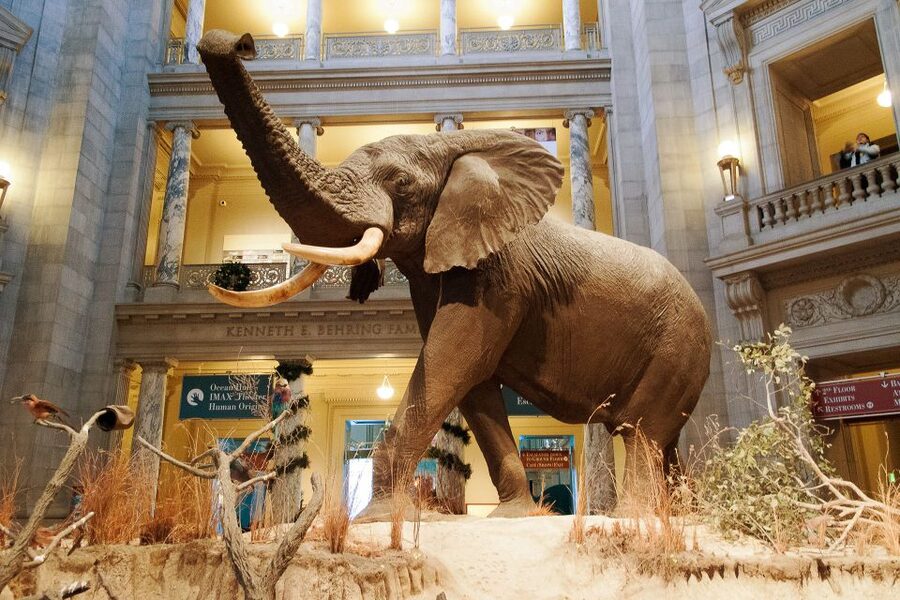
- Hope Diamond (46 karats): one of the most famous gems on the planet, explained with context instead of just a crowd-and-click moment
- Dom Pedro Aquamarine + Star of Asia Sapphire: big sparkle meets the science of minerals and provenance
- Real mummies: you get the meaning behind what you’re seeing, not just the sight
- Ocean Hall coral reef: a real-life reef display brings the sea indoors
- Phoenix, the 45-ton whale replica: a moving story about a giant the museum followed in the wild
- Fossil Lab + Arctic Narwhal: ice-age curiosity and prehistory on a guided path
Why this Natural History Museum tour works in DC
The National Museum of Natural History is huge in the literal sense. The collections live in a purpose-built building that covers about 18 football fields worth of space, and the Smithsonian holds more than 126 million artifacts. Without help, it’s easy to spend your energy on the wrong wing—or to miss the big-ticket pieces entirely.
This 2.5-hour guided walk is built to solve that. Your guide is there to point you toward the strongest stops and keep the route tight. You’re still seeing plenty, but the difference is you’re not guessing. You’re moving with a plan and a person who knows how to translate museum collections into story.
You’ll also enjoy the human factor. Guides bring background stories and surprising details, and the best ones adjust as you go. In past tours, the experience has leaned on guides like Leigh, Tim, Richard, Tony, and Brenda, with that extra layer of talk that makes kids and adults lean in.
You can also read our reviews of more tours and experiences in Washington Dc.



The gems: Hope Diamond and Dom Pedro Aquamarine with real context
If you only do one gallery, make it the one for the museum’s top gems. The 46-karat Hope Diamond is famous for a reason, but a guide changes how it lands. Instead of you staring at it like a trophy, you’ll get the story and the science that explains why gems are more than just shiny.
Next comes the Dom Pedro Aquamarine, described as the world’s largest gem of its type. It’s the kind of object that looks unreal in person, and the guide helps you understand what you’re actually looking at—how aquamarines form, how mineral properties shape their look, and why collections treat these specimens with such care.
You’ll also see the Star of Asia Sapphire. This is where the tour becomes more than a “greatest hits” checklist. You’ll start noticing patterns: what makes a gemstone cut worth studying, how museums preserve fragile things, and why certain pieces matter for collecting and display.
Practical tip: go in expecting questions
This tour is designed for live answering. If you like to ask how something works—how it formed, how it was found, why it’s rare—small-group pacing helps. A guide can keep the group moving while still spending time where your curiosity lands.
Real mummies, plus the stories that make them human

Real mummies are on the route, and that’s a big draw for many first-time visitors. What makes this stop especially worthwhile is how the guide frames what you’re seeing. You’re not just viewing figures under glass. You’re hearing the background that turns the objects into part of a human story.
The guide approach also matters because some people feel unsure about where to look or what the labels mean. A good guide helps you read the display without drowning in details. You end up with the big ideas you can remember later—why the museum chose to show them, what science can and cannot say, and why the objects have earned their place in the collection.
If you’re visiting with teens or mixed ages, the mummy stop tends to land well. One highlight from a prior group was how a guide made the tour engaging even for a 16-year-old, which is exactly what you want in a museum this deep.
Ocean Hall coral reef: when the museum turns into the sea
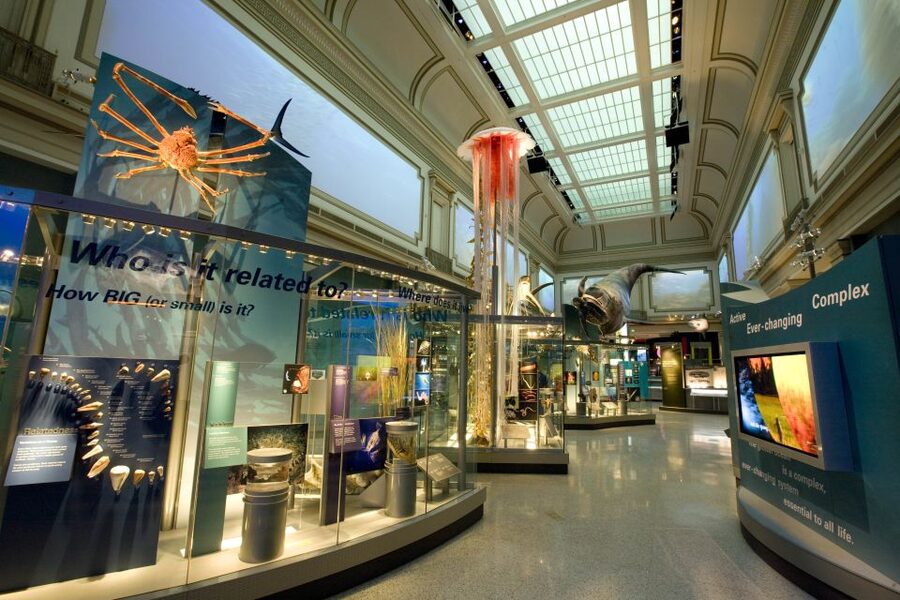
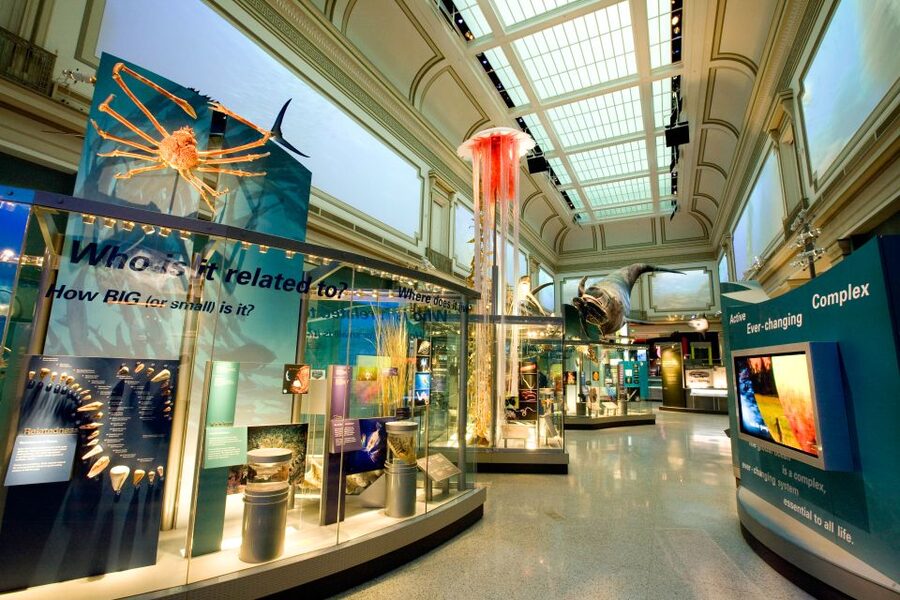
In Washington DC, you won’t accidentally stumble into a coral reef. The museum does the work for you in Ocean Hall, where a real-life coral reef exhibit brings the sea indoors. This is a visual stop that also rewards attention to small details.
The guide’s job here is to help you see what matters. You’ll learn what you’re looking at, how ocean life connects to the larger environment, and why museums build displays that feel both educational and accessible. Without guidance, this kind of exhibit can blur into “cool fish stuff.” With guidance, you’ll leave with a clearer mental picture of how marine ecosystems work.
If you want a break from the gems and science-heavy galleries, Ocean Hall is often that reset moment. It’s still “museum learning,” but it doesn’t feel like homework.






Phoenix the whale: a 45-ton story you can feel
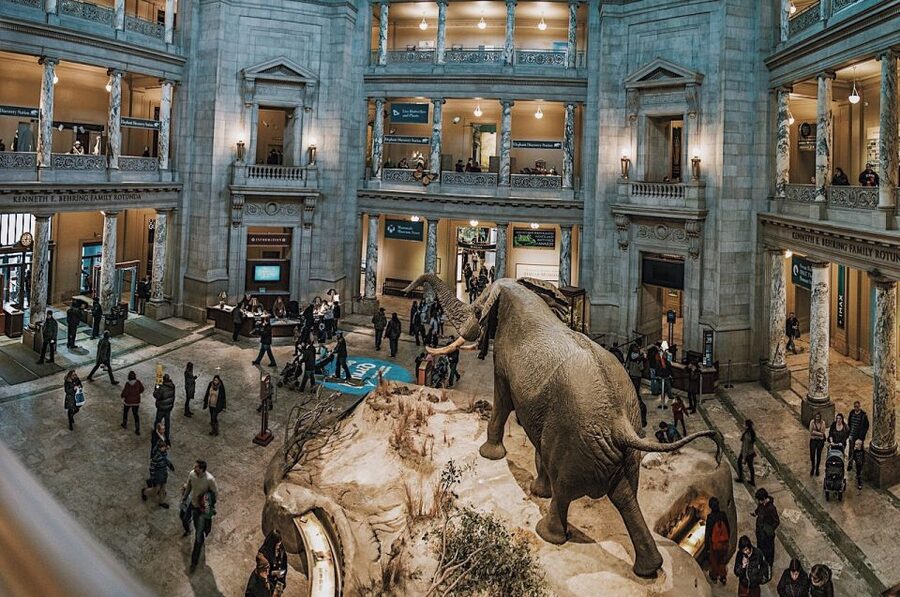
Phoenix is one of those exhibits that makes you stop walking. This tour includes a replica of Phoenix, a 45-ton whale that the museum has been following in the wild. That single detail gives the stop emotional weight.
The guide helps you understand why a whale story fits inside a natural history museum. You’re not just seeing an object. You’re hearing about research, observation, and how real-world wildlife informs how museums plan displays.
This is a great stop for families and animal lovers because it’s big and understandable. You can look at the scale, then turn to the story. The tour gives you both.
Fossil Lab, Arctic Narwhal, and the thrill of prehistory
The tour doesn’t only focus on the present. It also takes you into time periods you can’t picture without help.
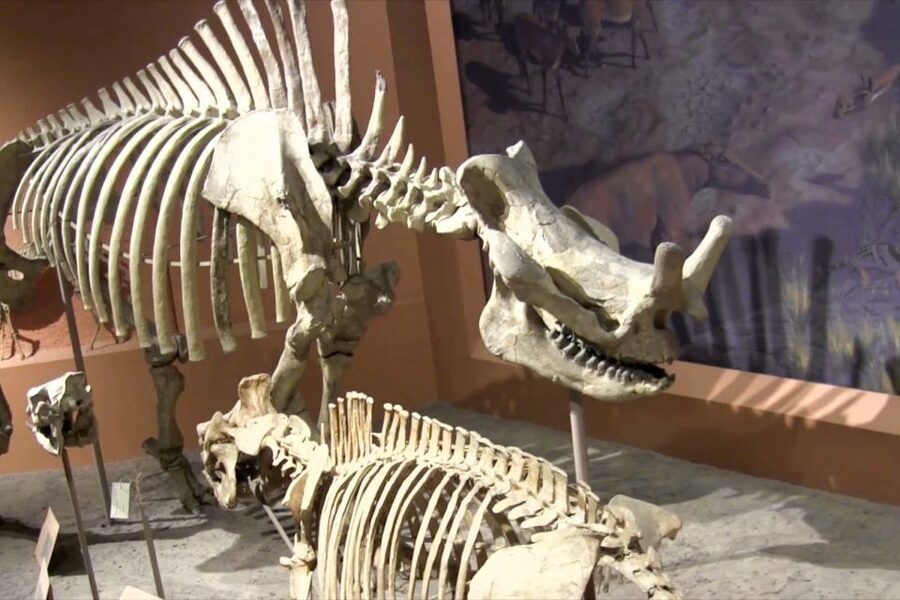
You’ll see the Fossil Lab, where the museum’s scientific side becomes more visible. Even if you’re not a fossil expert, you’ll appreciate the idea that the museum isn’t only about display cases—it’s also about studying specimens and using them to learn about Earth’s history.
The Arctic Narwhal stop is another anchor point. Narwhal visuals are striking, but the guided explanation helps you place it in context: where it lives, what makes it remarkable, and how wildlife adaptations tell you something about the Arctic environment.
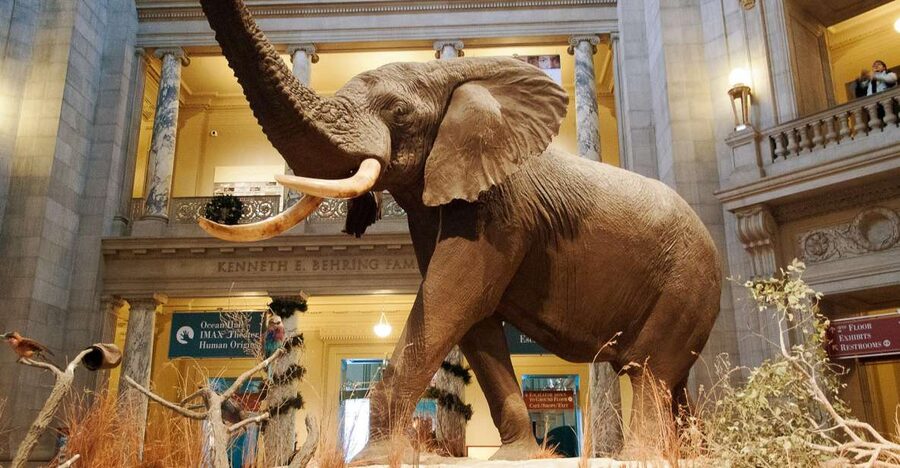
And you’ll also see land giants in the mix, including giraffes, elephants, and polar bears. This is a nice change of pace because it shifts you from “objects in time” to “living animals and how nature adapts.”
Group size, pacing, and why small matters
This tour is private or small group, with no more than 8 people. That cap matters more than it sounds. In a museum this big, a large group creates bottlenecks. It also turns the guide’s role into a fast sprint. With a smaller group, your guide can point, explain, and still keep everyone together without feeling rushed.
Past guides have also emphasized conversation. Tim, for example, reportedly asked about interests so the tour could shift to what mattered most to that group. If you’re the type who hates feeling herded, that interaction style is a big plus.
Timing: 2.5 hours is enough if you let it be
Two and a half hours is a practical span. It’s long enough to hit top highlights like the Hope Diamond and Phoenix, but short enough that the guide can keep momentum. You’ll walk a lot, though. Shoes that are comfortable for museum floors are a must.
Also, there’s an important small detail that adds value: the tour includes skip the ticket line. That means you’re spending time learning, not standing in a queue.
What’s included (and what isn’t) so you don’t over-plan
Included:
- A professional English guide
- A 2.5-hour walking tour
- Private or small-group format (max 8 people)
- Wheelchair tours are listed as available by request only
Not included:
- Hotel pickup and drop-off
- Food and drinks
- Temporary exhibits
That last point matters if you’re the kind of person who travels to see rotating displays. Since temporary exhibits aren’t part of this tour, you’ll want to plan separate time for those if they’re a priority.
Also, collections can vary. So if you’re hoping for a specific temporary display or a particular room detail, keep it flexible.
Meeting point and museum rules you should know
Your start point can vary depending on the option booked, and the tour ends back at the meeting point. No surprises there, but it’s a good reason to arrive a little early and be ready to check where you’re supposed to go.
Security and bags
There are strict limits:
- No luggage or large bags
- Only handbags or small thin bag packs are allowed through security
That’s worth thinking through before you head out. If you normally carry a tote, you may need to scale down.
ID and dress
Bring a passport or ID card (photo ID is required). Also, appropriate dress is required for entry into some sites on the tour, so keep it simple and respectful.
In certain rooms, rules may require quiet or restricted right to speak. Your guide should explain what’s inside those rooms before entering, which helps everyone follow the rules without awkward pauses.
Price and value: $86 per person for a smarter museum visit
At $86 per person for about 2.5 hours, you’re paying for two things: a guide who knows how to route you, and a plan that gets you to major exhibits without wasting hours.
Here’s why it can be good value:
- The museum is so large that time spent orienting yourself usually costs more than the tour price.
- The highlights are the kind that people often miss on a self-guided trip: the Hope Diamond area, Dom Pedro Aquamarine, Ocean Hall, the real mummies, Phoenix, and major fossil/Arctic stops.
- The guide’s job isn’t just reciting label text. It’s translating the collection into stories and guiding your attention.
If you’re traveling with multiple people, the private or small-group option can feel even better because you get direct engagement, not just a group lecture.
If you’re the kind of visitor who loves long, slow wandering with no structure at all, this might feel limiting. But for most people—especially first-timers—this is a strong way to make sure you actually see the museum’s headline gems and specimens.
Who this tour is best for
This tour fits best when you want:
- A focused visit to the museum’s best-known highlights
- A guide to turn science and objects into stories
- Better pacing than you’d get by self-guiding in a giant building
It’s also a good choice if you’re traveling with mixed ages. Past groups highlighted how guides kept the tour interesting for a teenager, and how responsive guides were to questions.
If you’re visiting for a short DC trip and want the museum experience without losing half a day wandering, this is a practical use of time.
Accessibility note
Wheelchair tours are listed as available by request only, but the activity is also marked as not suitable for wheelchair users. If accessibility matters for you, treat that as a flag to check directly with the provider before booking.
Should you book this Natural History Museum highlights tour?
I’d book it if you want the museum’s biggest names—Hope Diamond, Dom Pedro Aquamarine, real mummies, Ocean Hall coral reef, and Phoenix—packed into one guided route with a small group and an English-speaking expert. The structure is perfect for making your visit efficient and memorable, especially in a museum this large.
I would skip or reconsider if you plan to spend most of your day wandering freely, or if you need lots of storage space you can’t reduce to a small bag. Also, if you’re hoping for temporary exhibits to be part of the experience, this tour won’t cover them.
If your goal is a great first pass with stories that stick, this is one of the better ways to do it.
FAQ
How long is the National Museum of Natural History tour?
The tour lasts about 2.5 hours.
How big are the groups?
The tour is private or in small groups, with a maximum of 8 people. For semi-private tours, there is a minimum of 2 participants.
Is there a way to skip the ticket line?
Yes. The tour includes skip the ticket line.
What ID do I need to bring?
You should bring a passport or an ID card, and you’ll need valid photo ID.
Can I bring luggage or a large bag?
No. Luggage or large bags aren’t allowed. Only handbags or small thin bag packs are allowed through security.
Is this tour wheelchair accessible?
Wheelchair tours are listed as available by request only. At the same time, the activity is marked as not suitable for wheelchair users, so it’s worth confirming suitability before you book.
What happens if the museum closes or delays?
The museum may have occasional closures without previous warning. If the museum opening is delayed more than 1 hour from the tour starting time, you’ll be provided with an appropriate alternative, but the supplier is unable to provide refunds or discounts in those cases.