REVIEW · ROME
Immersive Ancient and Historic City Of Rome Walking Tour
Book on Viator →Operated by Side Routes · Bookable on Viator
Rome starts making sense fast on foot. This 2.5-hour walk strings together Rome’s big eras, from Vittoriano sights and Trajan-style storytelling to Baroque tricks of light and ceiling art. I love how the route feels like a guided “timeline you can actually walk through,” not a stop-and-sprint checklist.
Two things I really like: the walk keeps a relaxed pace while still covering a lot of ground, and the guide’s explanations make famous structures feel practical—how they served people, not just how they look on postcards. One possible drawback: you’ll want comfortable shoes and a willingness to keep moving, since the best parts are spread across the city center and one interior moment is optional.
In This Review
- Key highlights you’ll actually feel on this walk
- Where the tour begins: Piazza di S. Marco and getting oriented
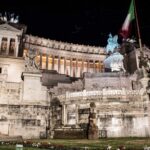
- Vittoriano and Rome’s “show of power” mindset
- Trajan’s victory story and what Roman engineering really meant
- Glimpsing ancient commerce and daily urban life
- The shift from ancient Rome to Baroque Rome
- The iconic Baroque fountain and the coin-throwing legend
- A church interior moment: trompe-l’œil ceiling and Baroque art tricks
- Grand finale at Piazza della Rotonda: an ancient temple now a church
- Price and value: why $10.65 can still feel like a lot
- Who this tour is best for
- Quick practical tips before you go
- Should you book this walking tour?
- FAQ
- FAQ
- How long is the Rome walking tour?
- What language is the tour offered in?
- Where do I meet, and where does the tour end?
- What ticket do I need?
- How big is the group?
- Is the tour suitable for most people?
- Can I cancel for free?
- Are service animals allowed?
Key highlights you’ll actually feel on this walk
- Small group energy (up to 30 people): easier to stay together and hear the story without constant scrambling.
- An ancient-to-Baroque storyline: you won’t just see monuments; you’ll understand how Rome’s style changed over time.
- Roman engineering and victory storytelling: Trajan’s era comes through in a way that’s more than names on stone.
- A famous coin legend fountain: Baroque drama, plus the folk story you’ll hear tied to it.
- Stunning trompe-l’œil ceiling: an art trick that helps you see Baroque differently.
- A grand finale at Piazza della Rotonda: ending at Rome’s standout “ancient temple turned church” feeling.
Where the tour begins: Piazza di S. Marco and getting oriented
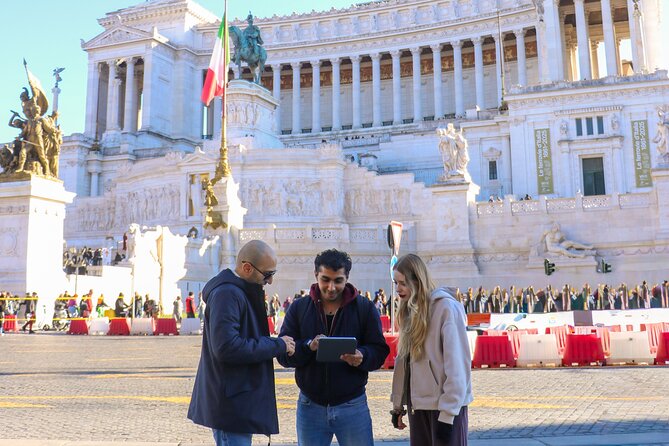
I like starting a Rome trip with a guide who helps you read the streets. This tour kicks off in the Piazza di S. Marco area, right in Rome’s center, where you can quickly pick up orientation for later self-guided wandering.
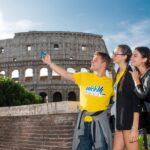
From the first moments, you’re not just looking at buildings—you’re learning the “why” behind the scenery. The tour’s early focus is on the city center and the Vittoriano monument. Even if you’ve seen photos, it helps to have someone explain what you’re looking at and how Rome used monuments to project power and national identity.
Also, the tour is offered in English and runs about 2 hours 30 minutes, which is a sweet spot: long enough to connect themes, short enough that you still have energy left for dinner and more exploring.
You can also read our reviews of more tours and experiences in Rome.
Vittoriano and Rome’s “show of power” mindset
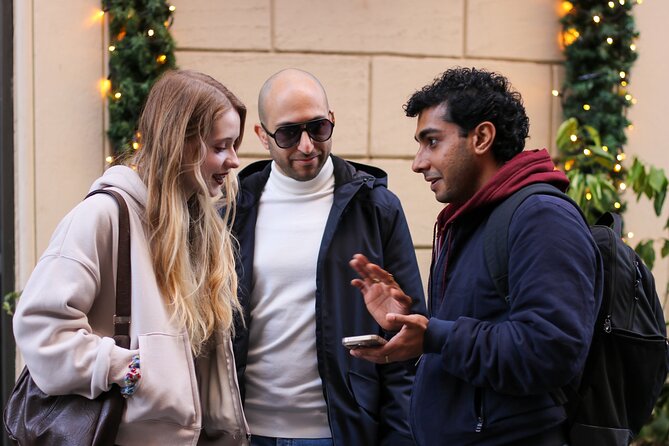
The Vittoriano is one of those places where you can feel Rome’s layered personality instantly. It sits in a zone that ties modern Italy to older Rome, and it works well as an opening stop because it tells you, right away, that Rome loves ceremonies—stone ceremonies.
What I find valuable here is the lesson about perspective. Roman monuments aren’t only art for art’s sake. They were made to be seen, to dominate sight lines, and to communicate messages to crowds moving through the city.
That’s also why starting here matters for your whole day. When you understand Rome as a city of staged messages, the rest of the stops become easier to follow. You start noticing how monuments “talk” to street life around them.
Trajan’s victory story and what Roman engineering really meant
After Vittoriano, the tour turns toward the story of Emperor Trajan’s victory and Roman engineering. Even without getting lost in technical jargon, this is the kind of stop that makes Rome’s monuments feel logical.
Trajan’s legacy is tied to triumph, but also to the Roman knack for turning big political goals into visible, durable structures. You’ll hear about how Rome translated power into stone and how architecture helped control memory—who wins, what matters, and what future generations should remember.
This is where the tour’s “not boring” factor shows up. The guide doesn’t treat it like a history lecture. Instead, the story is framed as a living system: what got built, why it mattered, and how it shaped everyday city movement.
Glimpsing ancient commerce and daily urban life
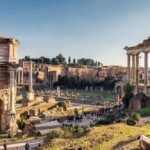
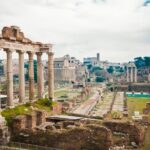
Here’s a key reason I think this tour works for first-timers: it doesn’t only focus on emperors and grand religious spaces. You also get a look at ancient Roman commerce and urban life.
That matters because Rome’s most impressive buildings still connect to daily needs—markets, movement, work, and public life. When you understand that angle, you’ll start seeing the city less like a museum and more like a place that functioned.
This section also helps you later when you wander on your own. You’ll recognize the “human-scale” patterns Rome left behind: how streets funnel people, how viewpoints matter, and how city layouts often keep echoing through centuries of change.
The shift from ancient Rome to Baroque Rome
One of the tour’s smartest choices is the transition point: you move from the ancient world toward the Baroque city. Rome’s Baroque period can feel chaotic if you only look at it from the street. With a guide framing the shift, Baroque becomes easier to read as a strategy.
Baroque Rome is about emotion and effect—making you look up, making you feel small, making you stop. The tour sets you up for that by showing you what came before, so the differences don’t feel random.
And the walk itself helps. You’re moving through the city in real time, so the “before and after” doesn’t live only in your guide’s mouth. It’s visible in how buildings, decoration, and focal points change as you go.
The iconic Baroque fountain and the coin-throwing legend
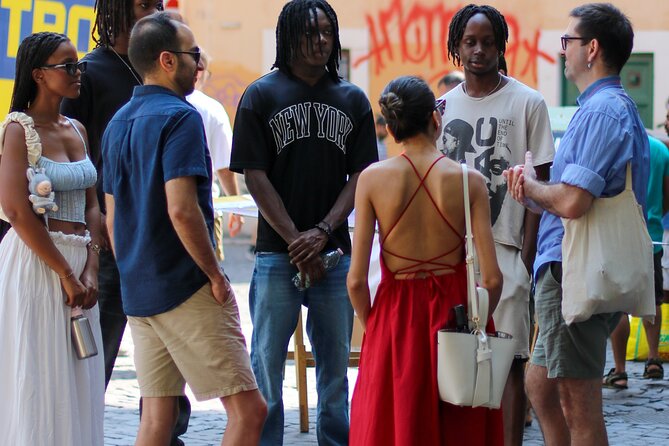
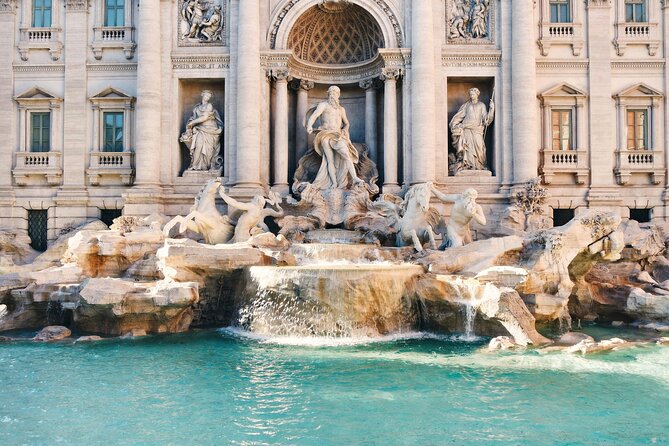
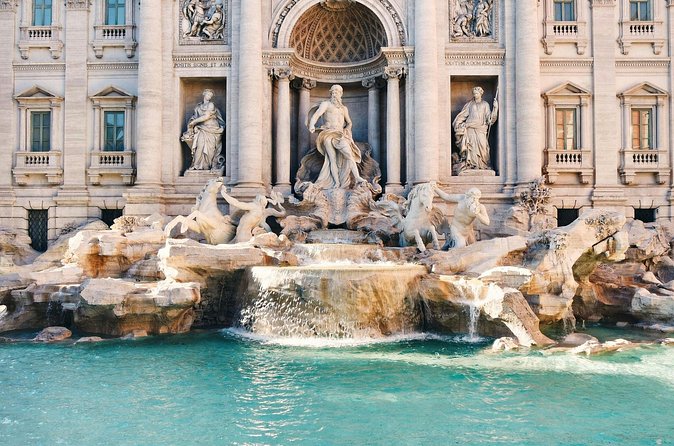
Then comes the part people remember because it’s dramatic and simple: the iconic Baroque fountain and the legend about throwing coins.
This stop is valuable in a very practical way. It gives you a cultural story you can actually connect to what you see. You’ll also notice how Rome uses theatrical water and placement to create a public stage. People gather. Cameras come out. And suddenly, the fountain isn’t just decoration—it’s a social ritual.
One thing I like about this fountain moment is timing. It tends to break up the heavier architectural explanation with a more human, story-driven stop. It’s the kind of break that refreshes your attention so you can handle the next part.
A church interior moment: trompe-l’œil ceiling and Baroque art tricks
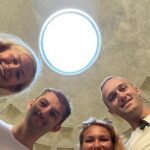
The next highlight is a trompe-l’œil ceiling and Baroque art. You’ll likely have an optional interior stop here—so plan for the possibility that you may not go inside every time, depending on the flow of the tour.
If you do get inside, this is where Rome’s Baroque identity clicks for many people. Trompe-l’œil (the art of making flat surfaces look real) works because the room is built to fool you. The effect is hard to fully capture from the street. Inside, you can see how Baroque artists used angles, light, and illusion to create depth that isn’t really there.
This is also a good contrast to the earlier “engineering” focus. Roman engineering shows you how stone holds up and signals power. The Baroque illusion shows you how artists can control what your eyes believe. Same city brain—different toolbox.
From a value standpoint, this is the stop that turns a walking tour into an experience. It’s not only outside sightseeing. It’s a chance to witness a specific artistic trick in the place it was designed to work.
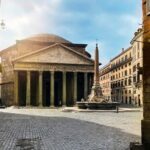
Grand finale at Piazza della Rotonda: an ancient temple now a church
The walk finishes in Piazza della Rotonda, right in the central Rome area. This ending is perfect because you get the kind of landmark that instantly anchors the whole trip.
The tour’s description calls it Rome’s best-preserved ancient temple, now a church, and that’s the feel you get in this area. You’re stepping into a space that still carries the original “ancient big idea,” but it’s also fully integrated into the religious life of a later Rome.
Ending here is more than convenient. It lets you process everything you just walked through. You’ve seen how Rome tells stories through monuments, how it shifted artistic style over centuries, and how it repurposes major spaces rather than replacing them.
And then you’re done in the center with room to keep going at your own pace. This matters because Rome rewards follow-up wandering. You don’t need to rush to the next scheduled thing—you can choose your own next streets.
Price and value: why $10.65 can still feel like a lot
At $10.65 per person for about 2 hours 30 minutes, this tour sits in the “seriously good value” category. You’re paying for guidance that turns scattered landmarks into a connected story: ancient to Baroque, triumph to daily life, outside monuments to inside art tricks.
What you’re really buying is time and direction. Rome can be overwhelming fast, and explanations that make you see the city tend to save you from spending hours googling the wrong details. If you’re the type of traveler who likes a guided framework—then goes off on your own after—this price point makes it easy to justify.
It’s also small-group friendly (up to 30 people), which usually means you can hear the guide and stay together without the “too many strangers” feeling.
Who this tour is best for
I think this tour works especially well if you:
- Want a first-time Rome walking plan that doesn’t feel rushed
- Prefer stories that connect monuments to everyday meaning
- Like a “big timeline” experience without committing to an all-day schedule
- Enjoy Baroque art and want to see it framed against earlier Rome
It may be less ideal if you:
- Hate walking for most of a 2.5-hour period
- Need lots of long interior stops built into the schedule (there is at least one optional interior moment)
Quick practical tips before you go
- Wear comfortable shoes. The best moments are spread out, and Rome sidewalks are not always gentle.
- Bring a light layer. If the day is warm, church interiors can feel cooler.
- If you want interior access for the trompe-l’œil moment, arrive ready to move with the group and follow the guide’s timing.
Should you book this walking tour?
I’d book it if you want Rome to feel like a coherent story quickly. The structure—ancient power, Trajan-era ideas, daily city life, then the Baroque shift—helps you understand what you’re looking at instead of just collecting photos.
It also fits a smart travel strategy: do a solid guided walk early, then keep your momentum afterward from the Piazza della Rotonda area. You’ll leave with better city instincts, so your self-guided hours feel more rewarding.
FAQ
FAQ
How long is the Rome walking tour?
The tour lasts about 2 hours 30 minutes.
What language is the tour offered in?
It’s offered in English.
Where do I meet, and where does the tour end?
You start at Piazza di S. Marco, 00186 Roma RM, Italy and end at Piazza della Rotonda, 00186 Roma RM, Italy.
What ticket do I need?
You receive a mobile ticket.
How big is the group?
The tour has a maximum of 30 travelers.
Is the tour suitable for most people?
Most travelers can participate.
Can I cancel for free?
Yes. You can cancel up to 24 hours in advance for a full refund.
Are service animals allowed?
Yes, service animals are allowed.