REVIEW · BANGALORE
Malleswaram heritage walk, an immersive walking tour in Bangalore
Book on Viator →Operated by 5 Senses Walks · Bookable on Viator
Malleswaram rewards slow steps and curious questions. This 4-hour heritage walk in Bangalore pairs a proper South Indian breakfast with temple-hopping that tells you why this neighborhood’s name and identity still matter. I love how the tour keeps moving at an easy pace through Dravidian-style temples, and I love that it finishes at a modern ISKCON site so you see Bangalore’s layers in one morning. One thing to consider: you’re on your feet for about half the day, and the tour notes a moderate physical fitness level.
The route is also smart about value: breakfast and a local guide are included, and you’ll hit stops where admission is free. The one small caution is that drinks aren’t included, so plan for your own water breaks.
In This Review
- Key Highlights You’ll Notice on This Malleswaram Walk
- Malleswaram’s Neighborhood Feel: What This Walk Teaches You Fast
- Price and Value: Why $55 Can Make Sense Here
- The Start at Breakfast: More Than Just a Meal
- Malleswaram Markets and the Silk Saree Stop: Shopping Without the Chaos
- Kadu Malleshwara Temple: Dravidian Architecture With a Neighborhood Connection
- Dakshina Mukha Nandi Teertha Kalyani Kshetra: The Story of Nandeeswara Being Rediscovered
- Sankey Tank: A Water Landmark Built for Use (Not Just Looks)
- Ending at ISKCON Bangalore on Hare Krishna Hill
- The Guide Factor: What Divakar’s Style Adds
- Who This Tour Is Best For (And Who Might Feel Restless)
- Practical Tips Before You Go
- Should You Book the Malleswaram Heritage Walk?
- FAQ
- How long is the Malleswaram heritage walk?
- What is the meeting point and where does the tour end?
- How much does it cost?
- Are temple admissions included?
- Is breakfast included?
- What isn’t included in the price?
Key Highlights You’ll Notice on This Malleswaram Walk
- Old-eatery breakfast as the start: Get grounded with traditional South Indian dishes before you head into the markets and temples.
- Kadu Malleshwara Temple’s name-story: Learn how this Shiva temple relates to the neighborhood itself.
- An ancient temple that was rediscovered: Nandeeswara was lost for years and later excavated—so the story feels unusual, not standard.
- Sankey Tank in quick, practical context: See a historic water source used by the city since 1882.
- ISKCON Bangalore on Hare Krishna Hill: End at a modern Krishna temple with a clear, global backstory (founded in 1966).
- A small group, mobile-friendly ticket: Max 15 people, and you’ll have a mobile ticket for a smoother experience.
Malleswaram’s Neighborhood Feel: What This Walk Teaches You Fast
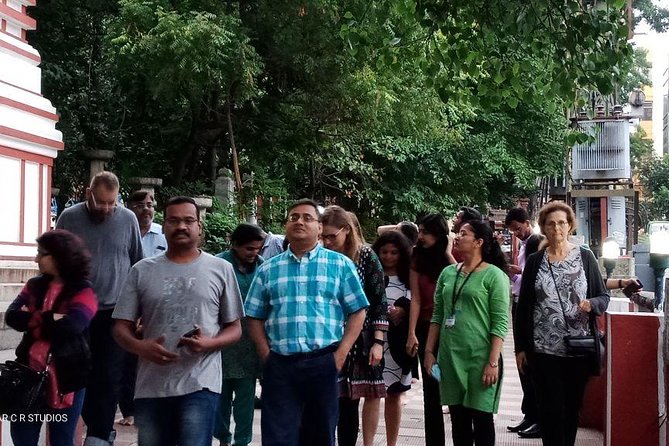
Malleswaram is one of those Bangalore areas where the past isn’t on a museum shelf. It’s in the street layout, in the temple presence, and in everyday routines like where people go for breakfast or a quick errand. This walking tour is built to show you how those pieces connect, without rushing you into “checklist tourism.”
What makes the experience click is the rhythm. You start with food, move into markets, then shift into two ancient temple stops, take a short breather at Sankey Tank, and finish at ISKCON. That structure helps you understand the neighborhood in layers: community life, spiritual landmarks, and then the modern global religious movement that brought people here too.
The group size is capped at 15, which matters more than you might think. Smaller groups mean you can ask questions, and the guide can actually connect details to what you’re standing next to.
You can also read our reviews of more tours and experiences in Bangalore.

Price and Value: Why $55 Can Make Sense Here
At $55 per person for about 4 hours, you’re paying for more than walking. The included package covers breakfast, a local guide, and the local taxes plus GST. Temple admissions are listed as free for the temple stops, so you’re not hit with surprise entry fees along the way.
You also get optional hotel pickup and drop-off if you select it. If you don’t, the tour still has a clear start point: Shri Venugopalakrishna Swamy Temple, 63 11th Cross Rd, Malleshwaram. Either way, the format is set up to reduce decision fatigue.
What’s not included: drinks. That’s the only “missing” piece you should plan for. In a city morning, you’ll want water on hand, especially since the tour includes multiple walking segments and several stops that are short but not “sit and watch.”
The Start at Breakfast: More Than Just a Meal
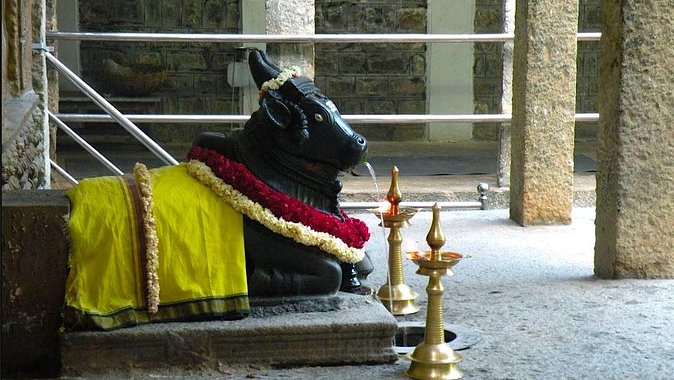
Your morning begins at an old eatery in Malleswaram, known for traditional South Indian dishes. This is the kind of start that works because it changes your mindset. Before temples or shopping, you get a taste of daily local life, and you see the neighborhood through something locals actually do.
The dosa gets a special mention as highly recommended. I like this kind of food-first plan because it’s not “snack theater.” It’s substantial, and it sets you up for the rest of the route without turning the tour into a hangry sprint.
A small but meaningful detail: breakfast is included, and you’re not expected to figure out where to eat on your own. For Bangalore visitors, that’s often the difference between a smooth morning and a day that starts late.
If you’re picky about morning timing, note the tour meets at 8 AM. The upside is that you get moving early, when the streets feel less like a lunchtime rush and more like locals’ routines.
Malleswaram Markets and the Silk Saree Stop: Shopping Without the Chaos
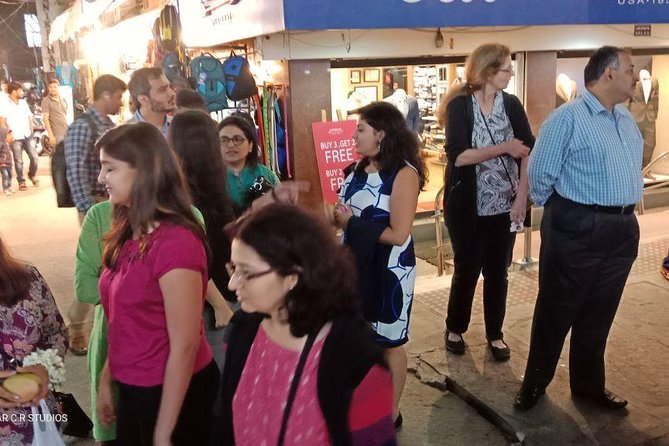
After breakfast, you head toward the local market area. This is where the tour adds a practical “daily life” slice: street bazaars and the chance to shop for small items in a familiar setting rather than chasing tourist souvenirs.
The tour also mentions a silk saree shop stop. Even if you’re not buying anything, this can be useful. Sarees aren’t just clothing here; they’re part of how people mark events and identity. You get a clearer view of why silk is valued and how these stores fit into the neighborhood economy.
A tip for making this portion enjoyable: treat it like research time. Look around, ask what’s different, and only decide if something genuinely catches your eye. With a group format, it’s better to ask one or two smart questions than to get overwhelmed.
Kadu Malleshwara Temple: Dravidian Architecture With a Neighborhood Connection
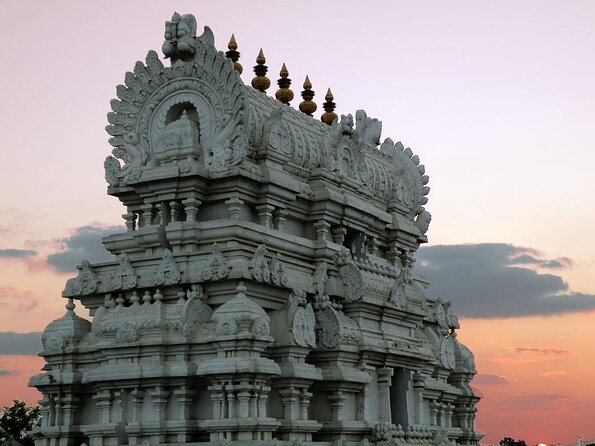
Next you walk to Kadu Malleshwara Temple, dedicated to Lord Shiva. This stop matters not only because it’s a temple, but because the neighborhood’s name ties back to it. That kind of link is exactly how heritage walks become more than sightseeing.
The temple is described as a “splendid specimen” of Dravidian style architecture. Even if you’re not an architecture expert, Dravidian design cues are often visible in features like the temple’s form and structure. The guide’s job here is to point out what you might otherwise miss, especially the symbolism and the way these places fit into South Indian religious life.
This segment is short—about 30 minutes—so you’re not getting lost in a long, slow visit. It’s designed as a meaningful stop that keeps momentum.
One consideration: temples can involve a lot of foot traffic and standing time. Wear comfortable shoes and keep your phone charged for photos you actually want.

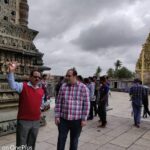
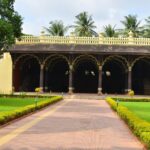

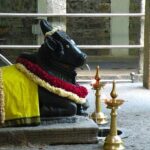
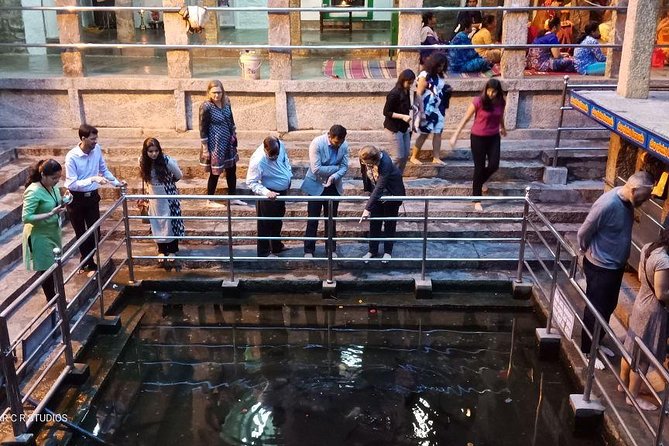
Dakshina Mukha Nandi Teertha Kalyani Kshetra: The Story of Nandeeswara Being Rediscovered
Then the walk takes a more unusual turn. Your next destination is Dakshina Mukha Nandi Teertha Kalyani Kshetra, described as a far more ancient temple also called Nandeeswara. The standout detail here is the timeline: it was lost to the wider world for years and was excavated only recently by archaeologists.
That rediscovery angle changes how you experience a temple stop. Instead of treating it like a fixed, always-known site, you’re seeing a place that re-entered public awareness through archaeology and local remembrance.
This stop is also around 30 minutes, which keeps it digestible. The guide’s explanation is key here, because the “why it matters” lives in the story—how a temple can vanish from common knowledge and later be brought back into view.
Sankey Tank: A Water Landmark Built for Use (Not Just Looks)
At Sankey Tank, you get a quick but practical stop: it’s an important source of drinking water for Bangalore. The tour notes that it was built in 1882 by the Madras Sappers Regiment.
Why this works on a heritage walk: water infrastructure is heritage too. It’s not as dramatic as a temple gopuram, but it’s deeply connected to why cities grow where they do. Even with just 15 minutes, you’ll get a sense of how water shaped daily life.
Sankey Tank is popular with walkers and joggers today. That means you’re not only looking at history—you’re seeing how that same space remains part of normal movement through the city.
If you want to make the most of this stop, use the short window to take a slow lap, read the atmosphere, and then rejoin the group ready to shift back to spiritual sites.
Ending at ISKCON Bangalore on Hare Krishna Hill
The final stop is a modern temple of Lord Krishna: ISKCON Temple Bangalore on top of a small hill at Hare Krishna Hill, Chord Rd. This is where the tour shifts from ancient local landmarks to a broader global religious movement.
ISKCON’s background is included: it was founded in 1966 in New York City. That detail makes the ending feel bigger than Bangalore. You get a sense of how ideas travel, take root, and then become part of local spiritual geography.
This segment lasts about 45 minutes, which gives you time to settle in rather than rush through. The hill setting also helps you understand why people notice this place from a distance and why it can feel like a “finish line” for the walk.
Practical note: since this is a hilltop temple, you’ll likely climb some stairs or slope during your visit. Build that into your comfort plan.
The Guide Factor: What Divakar’s Style Adds
One of the strongest signals from the experience is the guide quality. Divakar is specifically mentioned as excellent—someone who knows both the history of Malleshwaram and the practices and rituals connected to the temples.
That matters because temple architecture and temple stories can turn into random trivia if the guide doesn’t explain how people actually relate to the space. A good guide translates what you see into what it means, and that’s where the walk becomes memorable.
If Divakar is your guide, expect clear explanations, and a focus on how rituals fit into daily life. Even if you’re not “religious,” that contextual piece is what turns buildings into understanding.
The rating is 5 out of 5 with 20 reviews, and 100% of recommendations noted. I take that as a sign the experience consistently hits the mark on storytelling, pacing, and food.
Who This Tour Is Best For (And Who Might Feel Restless)
This walk is for you if you like:
- Cultural routes that blend food + temples + markets
- Learning through a guide rather than reading plaques
- A manageable walking schedule that still covers several meaningful stops
- Seeing both ancient and modern religious landmarks in one morning
It’s also a good fit for first-timers to Bangalore who want a focused slice of local life in a single half-day. The free-admission temple design helps too, because you can trust the stops won’t turn into extra ticketing.
If you prefer very long temple stays, this may feel a bit “stop-and-go,” because most visits are around 15–45 minutes. But if you’re the type who wants to see a lot without burning your time, this format tends to land well.
Practical Tips Before You Go
- Bring water. Drinks aren’t included.
- Wear comfortable walking shoes. You’ll be moving between stops for several hours.
- If you’re shopping at the market or the silk saree shop, set a small budget for yourself ahead of time so you don’t get decision fatigue mid-walk.
- Start the day mentally ready for questions. This is the kind of tour where the best value comes when you ask about what you’re seeing.
Should You Book the Malleswaram Heritage Walk?
Yes, I think you should book it if you want an organized, story-led morning in Bangalore that goes beyond postcards. The combination of included breakfast, a local guide, and stops that are mostly free to enter makes the price feel more practical than many “heritage light” tours. The biggest plus is the way the route connects neighborhood identity (Kadu Malleshwara), archaeology and rediscovery (Nandeeswara), civic infrastructure (Sankey Tank), and a modern global movement (ISKCON).
Skip it only if you strongly prefer flexible self-guided wandering or if you don’t want to walk for about 4 hours with moderate fitness requirements. Otherwise, this is one of the clearer “good value for your time” options for a first taste of Bangalore’s local character.
FAQ
How long is the Malleswaram heritage walk?
The tour is about 4 hours (approx.).
What is the meeting point and where does the tour end?
You meet at Shri Venugopalakrishna Swamy Temple, 63 11th Cross Rd, Malleshwaram, Bengaluru. The tour ends at ISKCON Bangalore, Hare Krishna Hill (drop-off at ISKCON).
How much does it cost?
It costs $55 per person.
Are temple admissions included?
Yes. The listed temple stops have admission ticket free for the temple visits, and Sankey Tank is included.
Is breakfast included?
Yes. Breakfast is included as part of the tour.
What isn’t included in the price?
Drinks are not included.