REVIEW · NEW ORLEANS
New Orleans: Tremé African American & Creole History Tour
Book on GetYourGuide →Operated by French Quarter Phantoms LLC · Bookable on GetYourGuide
Tremé tells New Orleans like it means it. This walking tour puts Tremé Creole culture and the roots of jazz into a tight, on-foot route, with stops connected to HBO’s Tremé and the neighborhood families who shaped the city. I love how the tour stays grounded in real places—church, memorial, and music history—so the stories feel specific, not generic.
I love two landmark stops in particular: St. Augustine Church and the Tomb of the Unknown Slave. And I also like how the guide ties the area’s music giants—think Jelly Roll Morton, Alphonse Picou, and Trombone Shorty—into the bigger picture of African and Creole life in New Orleans.
One possible drawback to plan for: this is a proper walking tour that lasts 105 minutes, and luggage or large bags aren’t allowed, so wear shoes that can handle street-level walking.
In This Review
- Key highlights you’ll remember
- Tremé in 105 minutes: the real New Orleans lesson
- Where the tour starts: The Voodoo Lounge at the top of the French Quarter
- What you’ll see: landmarks that connect Creole life to jazz
- St. Augustine Church: Creole roots that you can still visit
- The Tomb of the Unknown Slave: memory that refuses to fade
- Louis Armstrong Park and the razed neighborhood story
- The Rock and Roll Hall of Fame laundromat: why everyday places matter
- HBO’s Tremé locations: turning screen memories into street reality
- Congo Square and prayer-tree ritual: a spiritual layer to the story
- Perseverance Hall/Lodge and MLK Day context
- Modern brass bands: hearing today’s sound with a historical ear
- Music during the walk: the guide’s soundtrack technique
- Price and value: $22 for a historian-led walk that changes how you see the city
- Logistics that affect your comfort
- Who this tour is best for
- Should you book the Tremé African American & Creole History Tour?
- FAQ
- Is the Tremé African American & Creole History Tour in New Orleans?
- How long is the tour?
- How much does it cost?
- Where do I meet for the tour?
- What should I bring?
- Is the tour wheelchair accessible?
- Does the tour run in bad weather?
- What is included in the price?
- Is food or drinks included?
- What items aren’t allowed?
- Is the tour only in English?
Key highlights you’ll remember
- Licensed local historian guides who connect African and Creole life to the music you hear in New Orleans today
- St. Augustine Church as a living thread of Creole community identity
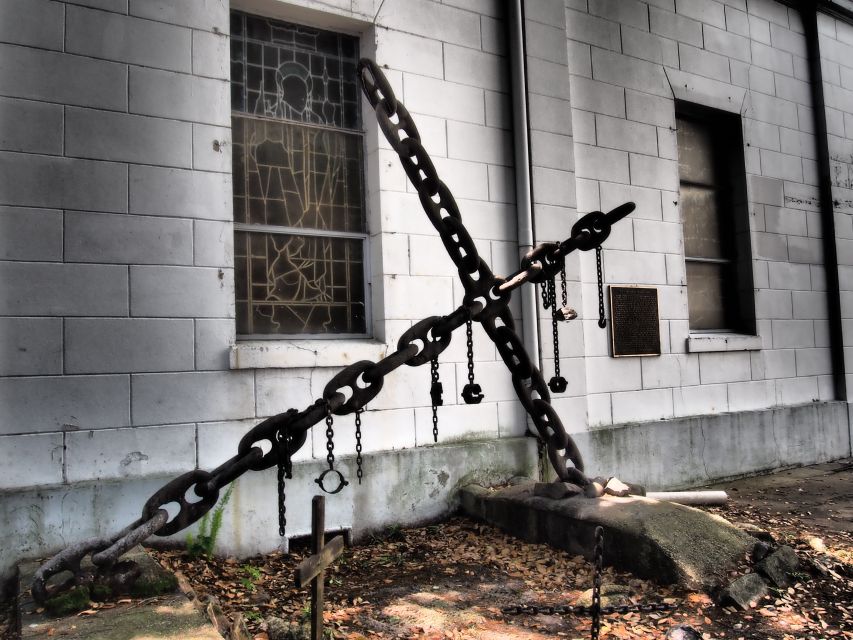
- The Tomb of the Unknown Slave for a hard, important look at memory and survival
- The laundromat with Rock and Roll Hall of Fame ties, a surprisingly fun stop with real meaning
- HBO’s Tremé filming locations plus references to how the neighborhood changed over time
- Congo Square and Perseverance Hall/Lodge moments that can add ritual and civil-rights context when schedules line up
Tremé in 105 minutes: the real New Orleans lesson
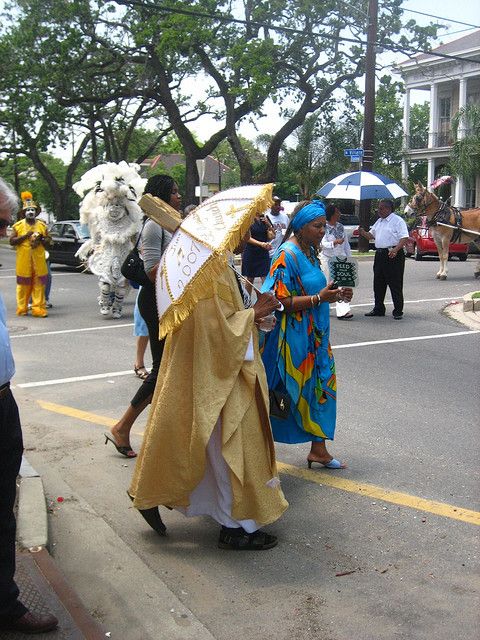
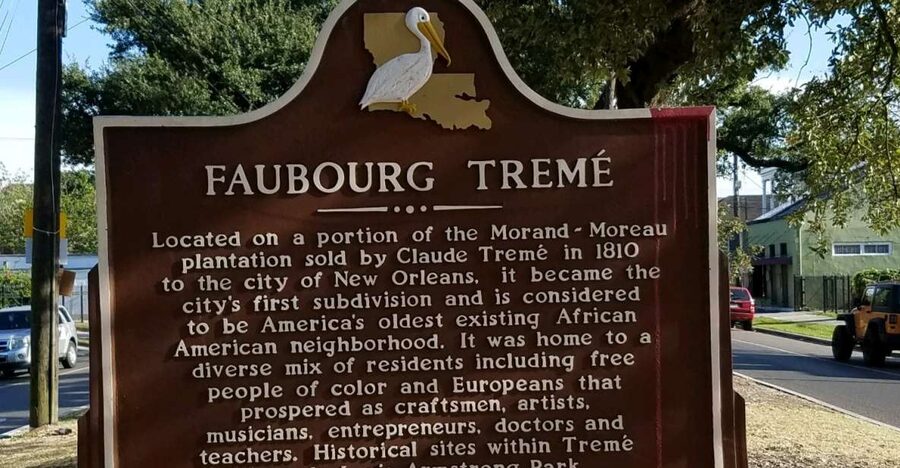
New Orleans has plenty of ways to tell its story. This tour’s angle is sharper: Tremé, the center of the city’s African-American and Creole community life, and the birthplace energy behind jazz and the modern brass band tradition.
You don’t just hear dates. You walk through places where the neighborhood’s past and present overlap—churches, memorial sites, performance-related history, and the kind of everyday community spots that tourists often skip. And along the way, you’ll catch locations tied to HBO’s Tremé, which helps you place what you’ve seen on-screen into actual streets and distances.
The guiding style also matters. Several guides highlighted in recent tours—Erin, Kweku, Nika, Angela, Claire, Malika, Bobbie, and Eva—are praised for staying on-message and answering questions clearly while keeping the group moving at a human pace.
You can also read our reviews of more tours and experiences in New Orleans.

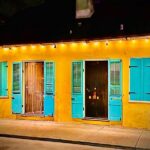
Where the tour starts: The Voodoo Lounge at the top of the French Quarter
Check-in is at The Voodoo Lounge, 718 N. Rampart St., at the corner of N. Rampart and Orleans. The start point is described as the top of the French Quarter, so you’ll be close enough to orient yourself fast if you’re using the Quarter as your mental map.
Plan to check in inside the Voodoo Lounge for your wristbands. This detail matters because it keeps the start smooth and prevents that annoying last-minute scramble.
You’ll also want to show up ready for walking. Bring comfortable shoes and think “steady street pace,” not sightseeing-with-stops-to-drift. This tour is built for moving.
What you’ll see: landmarks that connect Creole life to jazz
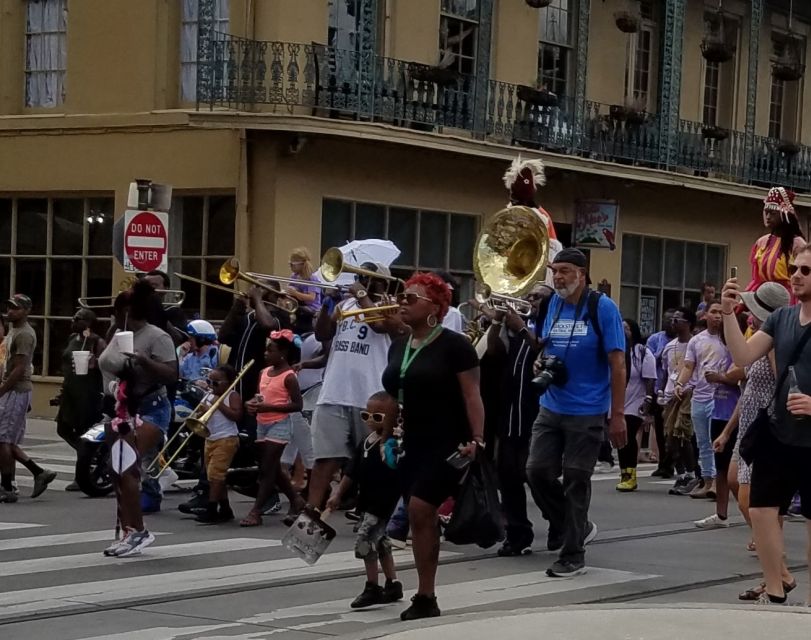
The backbone of the experience is a guided walk through Tremé’s key historical stops, paired with context about African and Creole communities across the 18th and 19th centuries and the later rise of the civil rights movement.
Even if you only know a few New Orleans jazz names, you’ll get why the music grew here. The guide frames jazz not as a random invention, but as something that grew from community life—faith, music-making, family networks, resistance, and reinvention.
You’ll also hear about famous people tied to Tremé, including Jelly Roll Morton, Alphonse Picou, and Trombone Shorty. That list is more than star power. It helps you connect the neighborhood’s musical DNA to the sound you’ll hear later in street parades and brass-band performances.
St. Augustine Church: Creole roots that you can still visit
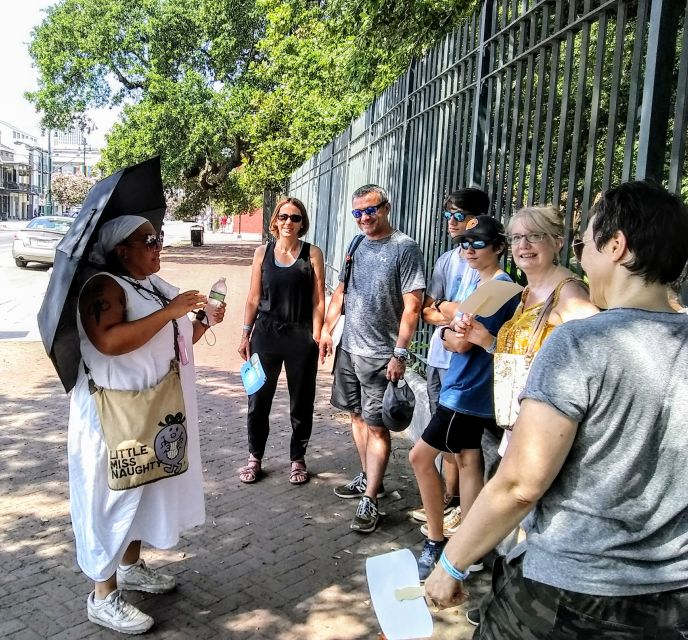
One of the stops you’ll make is St. Augustine Church. In a city where so much history gets flattened into a few postcard images, a church stop like this carries weight because it’s tied to community continuity.
What makes it more than a photo stop is how the guide connects religion and everyday life for Creole communities. You’re not just looking at an old building; you’re learning how spaces like this supported identity, social ties, and cultural survival—at a time when those bonds mattered.
Tip for your comfort: this tour happens rain or shine, so be ready for sudden weather changes. A quick layer you can tolerate for a bit helps if the forecast goes sideways.
The Tomb of the Unknown Slave: memory that refuses to fade
Another major landmark stop is the Tomb of the Unknown Slave. This isn’t the kind of stop where you stand, read a plaque, and move on. Expect the guide to explain what the memorial represents and why it still matters in the conversation about New Orleans history.
This is where the tour’s “why this place matters” approach becomes very real. You’ll hear context about the lives of enslaved Africans and free people of color, and how that history shaped the city—plus the parts that cities sometimes try to bury or soften.
Emotionally, this stop tends to land hard. But it also gives you something useful: a framework for understanding the city beyond jazz legends and festival photos.





Louis Armstrong Park and the razed neighborhood story
As you walk through Tremé, you’ll reach the area tied to Louis Armstrong Park and learn about the former neighborhood intersections around St. Claude and Dumaine that were razed. This part of the route is where history becomes visible in layers: what’s gone, what’s left, and how space gets repurposed.
It’s a crucial moment because it shows how urban change can rewrite memory. The park is now a public space, but the guide helps you understand what stood there before and why that history matters to today’s identity.
If you like history that connects streets to policy and power, this is one of the “payoff” segments of the tour.
The Rock and Roll Hall of Fame laundromat: why everyday places matter
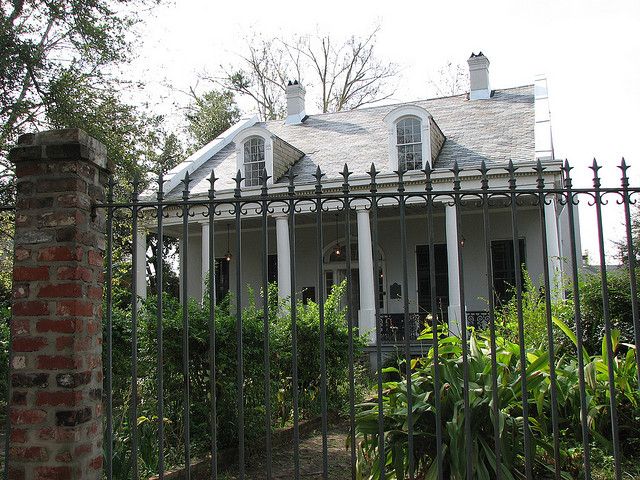
Yes, there’s a laundromat stop—and yes, it has a tie to the Rock and Roll Hall of Fame. It’s one of those Tremé details that feels surprising until the guide shows you why it belongs in a history-and-music story.
This is a great reminder that New Orleans music didn’t only come from stages and formal venues. Everyday life—work, gatherings, routines—also shapes sound and culture. The guide’s framing helps you see how community spaces became part of the musical ecosystem.
You’ll appreciate this stop most if you enjoy “small but meaningful” history. It’s also a good break point if the sun is strong.
HBO’s Tremé locations: turning screen memories into street reality
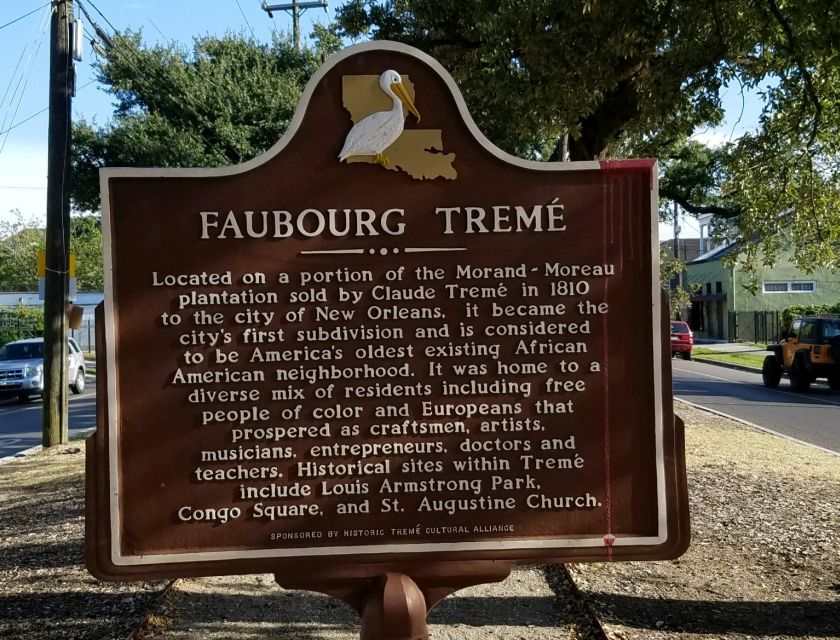
Along the way, you’ll see locations from the HBO series Tremé. This works best if you’ve watched even part of the show, but you don’t need to be a superfan.
The guide uses these filming locations to connect what you recognize on-screen to the real neighborhood layout and the people behind the story. It’s like getting a map legend for the city.
Even if you don’t recognize the exact spots, you’ll still get something valuable: the tour gives the neighborhood a human timeline—how the community lived, what changed, and what stayed.
Congo Square and prayer-tree ritual: a spiritual layer to the story
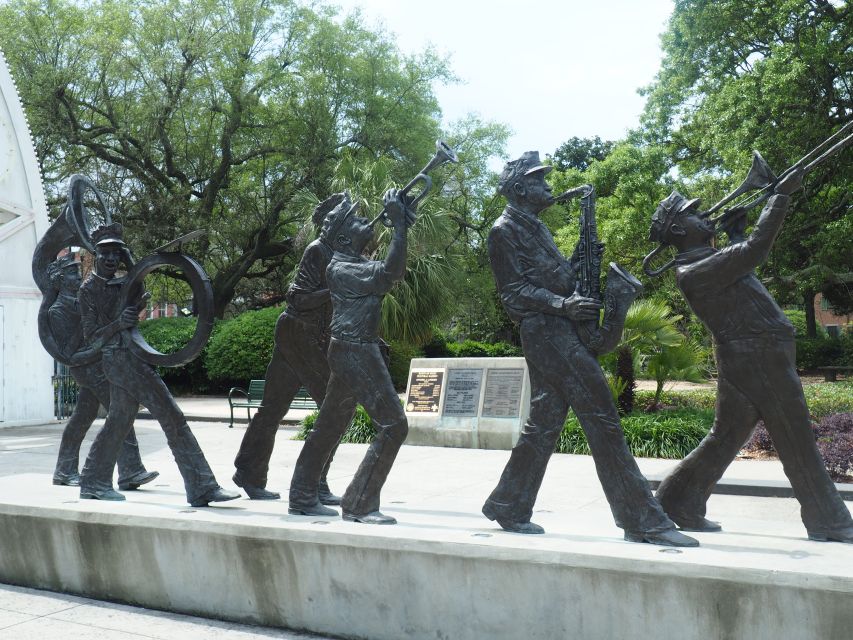
Some tours include special moments at Congo Square, including a prayer ritual at the Prayer tree (when scheduling lines up). This is one of those “don’t rush” experiences because it adds spiritual and cultural context that you can’t get from a standard museum.
The key value here is perspective. The guide doesn’t treat Congo Square as a distant landmark. You’ll learn how it connects to African traditions and how cultural practices can influence music and community life over time.
If you’re short on patience for long stops, this portion might feel slower than the rest. But if you want New Orleans beyond entertainment, it’s worth the time.
Perseverance Hall/Lodge and MLK Day context
In some departures, you may get a special look inside Perseverance Hall/Lodge, and in certain timing, a parade or march for MLK Day may be part of the experience.
That civil-rights framing matters because it connects history to civic action and community leadership—right alongside the music story. You’ll see how the neighborhood’s energy expresses itself in more than one way.
Just keep in mind: because this depends on timing, don’t build your entire day around it. The core value is the Tremé walking story; these are extras that can enrich it.
Modern brass bands: hearing today’s sound with a historical ear
The tour explicitly connects Tremé’s birthplace jazz roots to the modern brass band tradition. That’s smart, because it prevents the history lesson from turning into a museum exhibit.
Instead, you get a “then and now” way of listening. You start noticing how rhythm and community performance traditions carry forward, even when the city changes around them.
If you plan to hear brass bands during your trip, do this tour before you hunt for live music. You’ll understand what you’re hearing, not just hear it.
Music during the walk: the guide’s soundtrack technique
A standout detail from recent experiences: guides often use music playback during the walk, with some tours using a speaker and curated selections tied to what the guide is explaining.
This approach isn’t just for fun. It helps you connect the neighborhood’s sound to the history in real time. When the guide pairs a musical example with a landmark, it helps the story stick.
If you’re the type who learns best by mixing “what I hear” with “where I am standing,” this tour’s method should work well for you.
Price and value: $22 for a historian-led walk that changes how you see the city
At $22 per person, this tour is priced for value rather than luxury. You’re not paying for a long bus ride or a packaged meal plan. You’re paying for a guided walking experience with a licensed historian who can connect places, people, and cultural change.
In practical terms, that can save you money later. If the tour sharpens your understanding of Tremé, it makes future museum stops and music choices easier to evaluate. You’ll know what to look for and why.
It’s also a good “anchor activity.” A 105-minute tour gives you context early, then you can explore on your own with a clearer sense of what matters.
Logistics that affect your comfort
This is a rain or shine walking tour. That means you should come prepared even if the forecast looks perfect.
For comfort:
- Wear comfortable walking shoes
- Use sun protection if it’s bright
- Avoid bringing luggage or large bags since they’re not allowed
Good news: the tour is listed as wheelchair accessible, so it’s built with mobility needs in mind. Still, walking tours depend on the street environment, so plan for curb cuts and uneven surfaces by keeping expectations flexible.
Who this tour is best for
This tour fits best if you want New Orleans to be more than food lines and ghost-story stops.
I’d especially recommend it if you:
- Want the African American and Creole side of the story, connected to jazz and civil rights
- Like walking tours with specific stops, not vague neighborhood overviews
- Plan to listen to New Orleans music with more context afterward
If you’re looking for a mostly casual stroll with zero heavier historical discussion, this one may feel intense at points—especially around memorial and slavery-related context.
Should you book the Tremé African American & Creole History Tour?
If your goal is to understand why Tremé mattered—culturally, musically, and historically—this is an easy yes. The combination of landmark stops, music connections, and HBO Tremé location context makes it a strong value at $22.
Book it if you can handle street walking for 105 minutes and you’re open to serious subject matter alongside jazz and brass-band culture. Skip it only if you want a light, entertainment-only tour with no memorial or civil-rights context.
FAQ
Is the Tremé African American & Creole History Tour in New Orleans?
Yes. It is a guided walking tour in Tremé, Louisiana (New Orleans), focused on African-American history, Creole culture, and the music that shaped the city.
How long is the tour?
The tour duration is 105 minutes.
How much does it cost?
The price is listed as $22 per person.
Where do I meet for the tour?
Meet at The Voodoo Lounge, 718 N. Rampart St., at the corner of N. Rampart Street and Orleans Street. The tour starts from the top of the French Quarter.
What should I bring?
Bring comfortable shoes. Sun protection is also recommended for comfort.
Is the tour wheelchair accessible?
Yes, the tour is listed as wheelchair accessible.
Does the tour run in bad weather?
Yes. Tours operate rain or shine.
What is included in the price?
The tour includes a tour conducted by a licensed guide who is a local historian.
Is food or drinks included?
No. Food and beverages are not included.
What items aren’t allowed?
The listing says luggage or large bags are not allowed.
Is the tour only in English?
Yes, the tour guide language is English.