REVIEW · GOA
Panjim Heritage Walk for a cultural immersion in Goa
Book on Viator →Operated by 5 Senses Walks · Bookable on Viator
Panaji’s Portuguese streets tell stories fast. This 3-hour heritage walk is an easy way to understand Goa’s capital through the places people built, traded, worshipped, and lived. I especially like the small group size (up to 10), which means your guide can answer questions instead of rushing you through. I also like that so many stops are free to enter, and you still get snacks plus coffee or tea to keep energy steady.
One thing to plan for: this experience runs on foot and depends on good weather, so bring comfortable shoes and dress for warm, sunny hours or brief rain.
In This Review
- Key highlights worth marking on your map
- Why Panaji’s Heritage Walk Fits Perfectly Into a Short Trip
- Meeting at Garcia de Orta: A Simple Start With Less Headache
- Fontainhas Latin Quarter: Portuguese-Era Planning on Real Streets
- Sao Tome Old Quarter: Tobacco Trade to Public Power
- Maruti Temple: Lord Hanuman in a Focused Stop
- Church of Our Lady of the Immaculate Conception: A Seafaring Origin Story
- What You Actually Get Included (And Why It’s Good for Busy Days)
- The Pace, the Group, and the Guide Quality You’re Paying For
- Practical Tips to Get the Most From the Walk
- Who This Tour Is Best For (And Who Might Skip It)
- Should You Book the Panjim Heritage Walk?
- FAQ
- Where does the Panjim Heritage Walk start?
- How long is the tour?
- How much does the tour cost?
- What’s included in the ticket price?
- Do I need to pay entry fees for the stops?
- What happens if the weather is bad or I need to cancel?
Key highlights worth marking on your map
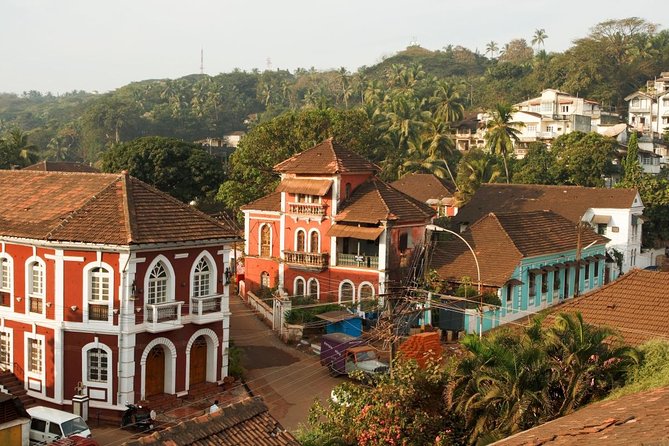
- Fontainhas Latin Quarter starts you in one of Panaji’s earliest residential areas tied to Portuguese administration
- Sao Tome Old Quarter explains how a tobacco trade shaped the name of the local square
- Maruti Temple offers a focused look at devotion to Lord Hanuman, the monkey god
- Church of Our Lady of the Immaculate Conception connects Goa’s seafaring past to the hillside church story from 1541
- Up to 10 people keeps the pacing human and the questions actually useful
- Snacks + coffee/tea keep the walking from turning into a hangry endurance test
Why Panaji’s Heritage Walk Fits Perfectly Into a Short Trip
If you only have a few hours in Panaji, you need a plan that gets you oriented fast. This walk does that by threading together neighborhoods and landmarks that explain how Portuguese-era life shaped the city. You’re not just looking at buildings—you’re getting the “why” behind streets and squares.
The duration is about 3 hours, which is the sweet spot for a city walk. Long enough to feel like you saw real parts of town, short enough that you’ll still have energy afterward for a meal, a cold drink, or a slow wander on your own. And because it’s capped at 10 travelers, the guide’s explanations stay connected to what you’re seeing right in front of you.
Value matters too. At $30 per person, you’re paying for a professional guide, included refreshments, and entrance charges, while the main cultural stops are essentially no-entry-fee experiences. That combo is what makes the price feel fair rather than inflated.
You can also read our reviews of more tours and experiences in Goa.



Meeting at Garcia de Orta: A Simple Start With Less Headache
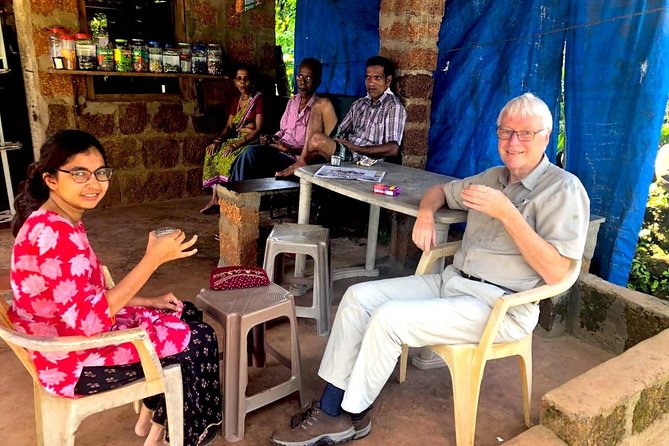
The tour begins at Garcia de Orta, near the Municipal Garden in Panaji. That’s useful because it’s a clear, central reference point in a city that can feel scattered when you’re new.
You’ll end back at the meeting point, so you don’t have to worry about how to get across town afterward. Pick your shoes like you’re going to do your daily steps. This isn’t a hop-on, hop-off ride. Your feet will do most of the work, and that’s how you’ll pick up the small details your eyes miss when you’re rushing in a car.
Fontainhas Latin Quarter: Portuguese-Era Planning on Real Streets
Your walk starts in Fontainhas, the Latin quarter. This neighborhood was designed as residential space for Portuguese bureaucrats and servants—so it’s not just “old buildings,” it’s a window into how administration and daily life were organized in Panaji.
The guide’s job here is to help you read what you see. The area is described as one of the earliest settlements in the city, which matters because it explains why Fontainhas feels like a starting point rather than a random cluster of houses. As you stroll, you’ll get a sense of how Portuguese influence wasn’t only religious or architectural—it was also social and practical.
What I like about starting here: it gives context for everything that comes later. When you reach the next neighborhoods, you’ll understand why certain squares and churches ended up where they did. Without that, you’d just be collecting landmarks. With it, you’re building a mental map.
Possible drawback: Fontainhas is primarily a residential area. You’ll want to keep your movement respectful and your camera habits considerate. Some streets can feel narrow or busy depending on the time of day.
Sao Tome Old Quarter: Tobacco Trade to Public Power
From Fontainhas, you move to Sao Tome Old Quarter. The key story here is the square’s name, tied to tobacco trading over the river. That single detail turns the place into more than a photo stop. It tells you where money and movement came from, and how trade shaped everyday geography.
Then the square’s role evolves. After tobacco trade, it served as a police headquarters, later connected to customs and mint activity. Those three roles—security, taxation, and currency—are exactly what you’d expect in a capital city. You’re basically watching civic functions stack up in one area over time.
How this helps you as a visitor: it’s a clean timeline you can hold in your head while walking. You’ll likely remember “tobacco trade → police → customs & mint” longer than you would remember a list of dates. And that’s the goal of a heritage walk like this: information you can keep, not facts you forget at dinner.
One consideration: since this stop is tied to the idea of a square and its changing functions, the experience may feel more “story-led” than “walk-in-and-look-around-led.” If you love interactive explanations, that’s a plus.
Maruti Temple: Lord Hanuman in a Focused Stop
Next is Maruti Temple, dedicated to Lord Hanuman, described here as the monkey god. This stop is short—around 15 minutes—so think of it as a concentrated moment rather than a long temple visit.
The value of a short stop is pacing. It keeps the walk from turning into “landmark marathon mode,” and it gives your brain a reset between neighborhood stories. In practice, this is where you get to shift from Portuguese-era planning and civic history into the religious thread that runs through Goa.
If you’re someone who appreciates how religion and local culture coexist in everyday spaces, you’ll probably enjoy how clearly the tour frames Hanuman’s importance. You’re not left guessing what you’re looking at.
Practical note: dress and behavior should be respectful at religious sites, even if your time inside is brief.





Church of Our Lady of the Immaculate Conception: A Seafaring Origin Story
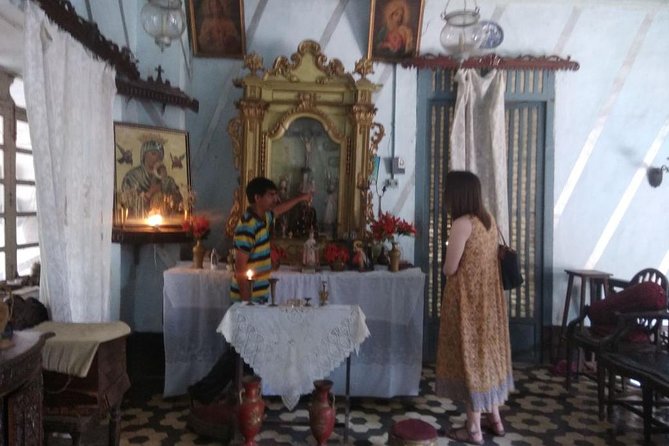
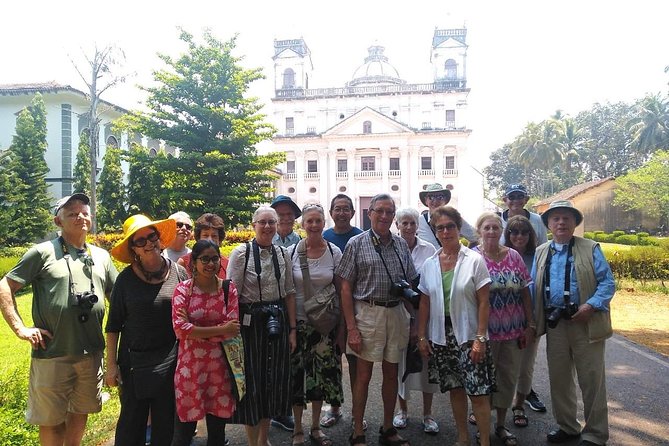
The final major stop is Church of Our Lady of the Immaculate Conception. This is the kind of church that shows up in pop culture, and the tour explains why: it’s often used to represent Goa in Bollywood films.
But the stronger part here is the origin story. The church is said to have been constructed on a hill for sailors in 1541, after a temple was demolished. That detail matters because it connects the church to real work and real travel—ships, routes, and the people who relied on safe passage. It also hints at the way religious spaces changed as Portuguese influence grew.
Expect to spend about 30 minutes at this stop. That’s enough time to take in the setting, follow the guide’s explanation, and still keep the walk on schedule. If you’re the kind of person who likes to understand what you’re seeing before you photograph it, this stop is likely to feel worth the time.
Small drawback: because it’s described as a hillside church, the surroundings can feel more exposed than flat streets. Plan for sun and keep water handy—your snacks and drinks will help, but don’t rely on them alone.
What You Actually Get Included (And Why It’s Good for Busy Days)
This tour includes a professional guide, entrance charges, and coffee and/or tea. On top of that, snacks are provided to keep you fueled.
That combination makes the difference between a “culture walk” and an actually enjoyable morning or afternoon. If you’re out sightseeing in Goa, meals don’t always happen on your schedule. Having refreshments in the middle of a 3-hour walk keeps your energy up and makes it easier to stay present for the stories.
You should also know that no entry fees are required at the key stops. The tour’s described as having free admission for those sites, so you’re not stuck paying extra once you’re already committed. It also keeps decision-making simple: you show up, follow the guide, and enjoy.
And yes, you’ll have a mobile ticket, which is convenient if you don’t want to juggle paper receipts.
The Pace, the Group, and the Guide Quality You’re Paying For
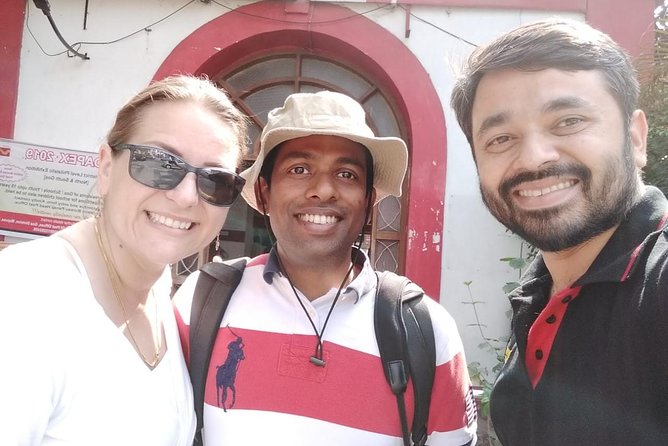
Small group size is not a marketing line here—it affects your experience directly. With a maximum of 10 travelers, you can hear the guide clearly, ask questions without being cut off, and move at a pace that doesn’t feel like a conveyor belt.
The reviews you can read elsewhere highlight the guide’s deep knowledge and comfort-making approach. In practical terms, that means you’re more likely to get explanations that connect the dots. Not just “this happened,” but “this is why it mattered for Panaji.”
Also, this is a walking tour that leans on storytelling. If you’re someone who loves details—like why a square is named for tobacco trading—you’ll get more from it. If you prefer purely visual tours with no talk, you might feel like you want more time at each stop.
Practical Tips to Get the Most From the Walk
A few small decisions can make the difference between an average afternoon and a great one:
- Wear walking shoes. A 3-hour heritage walk adds up, especially in warm weather.
- Bring sun protection. You’re moving through neighborhoods and will likely spend time outdoors between stops.
- Be ready for weather dependence. The experience requires good weather, and if it’s canceled for poor weather you’ll be offered a different date or a full refund.
- Keep your snacks handy in your head. Coffee/tea and snacks help, but don’t plan a late meal right after without thinking about your appetite.
- Ask questions at the quiet moments. In smaller groups, the best time to ask is often when the guide pauses between stories.
Who This Tour Is Best For (And Who Might Skip It)
This is a great fit if you want a cultural orientation to Panaji quickly. You’ll probably love it if you enjoy:
- Portuguese-era context in Goa
- neighborhood-level walking tours
- religious and civic history explained in plain language
- a small-group atmosphere where your questions matter
It’s less ideal if:
- you dislike walking for 3 hours
- you need a plan with guaranteed indoor time (it’s weather-dependent)
- you’re only interested in modern Goa and beach time, with little patience for historical framing
If you like to mix one guided experience with independent exploring afterward, this works well. You’ll leave with a mental map and a better sense of where to go next.
Should You Book the Panjim Heritage Walk?
Yes—if you want an efficient, story-led way to understand Panaji’s Portuguese influence and key landmarks without paying for multiple entry fees. At $30 for about 3 hours, with snacks, coffee/tea, a professional guide, and a group capped at 10, it’s priced like a practical cultural outing rather than a luxury add-on.
Before you book, check your schedule and weather expectations. Comfortable shoes matter. And if you’re the type who enjoys history when it’s tied to real places—Fontainhas, Sao Tome, a Hanuman temple, and the hillside church—you’ll likely feel satisfied with how much you pick up in a short time.
If your trip is tight and you want your first Panaji experience to make sense, this is an easy “yes” choice.
FAQ
Where does the Panjim Heritage Walk start?
It starts at Garcia de Orta, near the Municipal Garden, Panaji, Goa 403001, India, and it ends back at the same meeting point.
How long is the tour?
The walk lasts about 3 hours.
How much does the tour cost?
The price is $30.00 per person.
What’s included in the ticket price?
The tour includes a professional guide, coffee and/or tea, snacks, and entrance charges.
Do I need to pay entry fees for the stops?
No. The tour states no entry fees are required and the stops listed are marked free for admission.
What happens if the weather is bad or I need to cancel?
The experience requires good weather. If it’s canceled due to poor weather, you’ll be offered a different date or a full refund. Cancellation is free up to 24 hours in advance for a full refund.