REVIEW · ATHENS
Private Biblical Tour Ancient Corinth & Isthmus Canal from Athens
Book on Viator →Operated by Ancient Greece Tours & Transfers · Bookable on Viator
Paul’s world is surprisingly close to you. This private, 8-hour route links Corinth’s geography to the Bible story with stops like Diolkos, Acrocorinth, the Bema area, and Kenchreai, all paced by a driver who can explain what you’re seeing. I especially like the comfort factor: air-conditioned, Wi‑Fi-equipped private transport with bottled water and hotel (or Airbnb) pickup and drop-off. One thing to consider: the day is full, and the big museum-and-site segment isn’t included in the main price, so you’ll want to budget the onsite entrance fee.
The experience runs like a long, well-planned walk through the first-century backdrop—engineering, trade, religion, and daily life. I like that you’re not stuck in a rigid bus format; it’s a private tour, so stops feel flexible and the driver can slow down for questions (and even handle weather changes when needed). The possible drawback is simple: you’ll spend real time on your feet at Acrocorinth and at Ancient Corinth, so wear grippy shoes and plan for a solid, active day.
In This Review
- Quick hits: what makes this Corinth day worth your time
- Price and Logistics: what $301.72 covers (and what it doesn’t)
- The Athens-to-Isthmus drive: the Peloponnese gateway in plain view
- Isthmus Corinth Canal: seeing the modern shortcut to ancient trade
- Corinth Canal time-saving tip: plan for watching, not rushing
- The Diolkos stop: ancient boat hauling and why Corinth stayed powerful
- Acrocorinth and Hadjimoustafa spring: fortress rock, then Ottoman-era water
- Wear shoes you trust here
- Ancient Corinth churches and the Bema area: where the Bible meets real geography
- The Bema connection you’ll care about
- Archaeological Museum plus Ancient Corinth site: plan for the fee and the time
- If you want extra interpretation inside, you can add it
- Lunch in Ancient Corinth or seaside Helen of Troy views
- Kenchreai port: Paul’s departure by sea from Corinth’s edge
- Then it’s back to Athens
- Why the private format matters here (especially with Paul-focused tours)
- Who this tour is best for
- Should you book this private Biblical Corinth tour?
- FAQ
- How long is the Private Biblical Tour of Ancient Corinth and the Isthmus Canal?
- Do I get hotel or Airbnb pickup and drop-off?
- What entrance fees should I expect to pay?
- Is lunch included in the price?
- What vehicle will I ride in?
- Is this tour private or shared with others?
- Can I add a licensed tour guide inside the museum and Ancient Corinth site?
- What is the cancellation policy?
Quick hits: what makes this Corinth day worth your time
- Private pacing from your door: hotel or Airbnb pickup plus return drop-off in Athens or Corinth.
- St. Paul on the ground: you’ll connect Paul’s travels to the places tied to his preaching and life in Corinth.
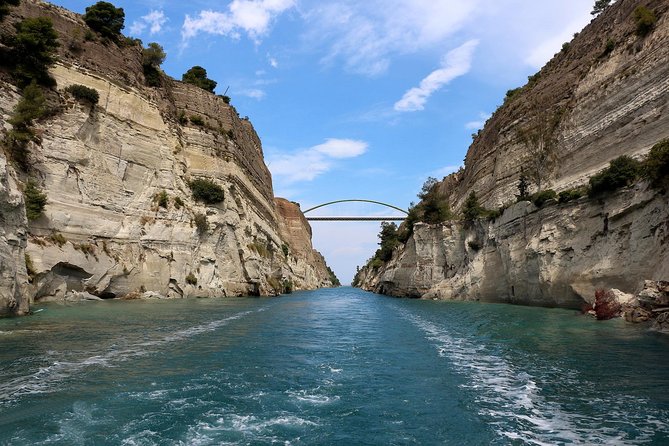
- Engineering detour that matters: the Isthmus Canal and Diolkos explain why Corinth was a trade magnet.
- Acrocorinth views: a steep climb to a fortress rock with Ottoman-era water at Hadjimoustafa spring.
- Ancient Corinth’s “Bible meets stone” moments: church plaques, a Paul-focused mosaic, and the Bema area.
- Museum time included, onsite fee extra: you’ll see Roman, Greek, Byzantine, and Ottoman layers with time to breathe.
Price and Logistics: what $301.72 covers (and what it doesn’t)
At $301.72 per person for about 8 hours, you’re mainly paying for three things: door-to-door pickup, private transport, and a full-day plan built around biblical and local context. It’s not just a ride; you’re paying for a driver who can narrate what you’re looking at and help the day feel coherent, not like disconnected photo stops.
What’s not included matters. Entrance to Ancient Corinth site and the Archaeological Museum is €15 per person, bought at the site. Food and drinks are also on you—though you do get a scheduled lunch window with options ranging from a village-style meal to a seaside lunch by the Baths of Helen of Troy.
You can also read our reviews of more tours and experiences in Athens.
The Athens-to-Isthmus drive: the Peloponnese gateway in plain view
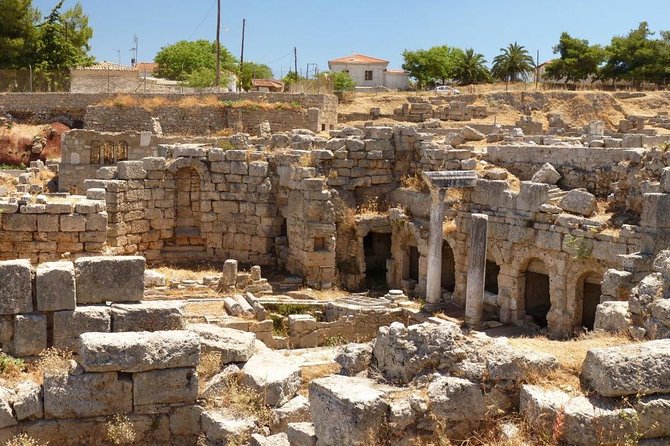
Your day starts right where you are. Your driver meets you in the lobby at your Athens hotel (or at your Airbnb building entrance), then you head toward the Isthmus Corinth Canal area—the gateway to the Peloponnese.
This drive is where the tour’s tone gets set. You’ll likely get the big-picture explanation early: why this strip of land became a crossroads and why the ancient city of Corinth mattered for shipping. In practice, that matters because later stops click faster when you understand the “why” before you start walking.
Isthmus Corinth Canal: seeing the modern shortcut to ancient trade
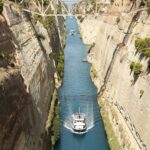
You’ll stop at the canal for about 50 minutes, with admission listed as free. The canal is a 19th-century project, but the point of your stop is not just a cool photo. It’s the modern version of a very old idea: cutting the land barrier that ships used to struggle with.
Watch for the contrast the day keeps building. The canal represents change in scale and speed. Diolkos later represents change in muscle and systems—humans and animals moving boats over land before a canal existed.
Corinth Canal time-saving tip: plan for watching, not rushing
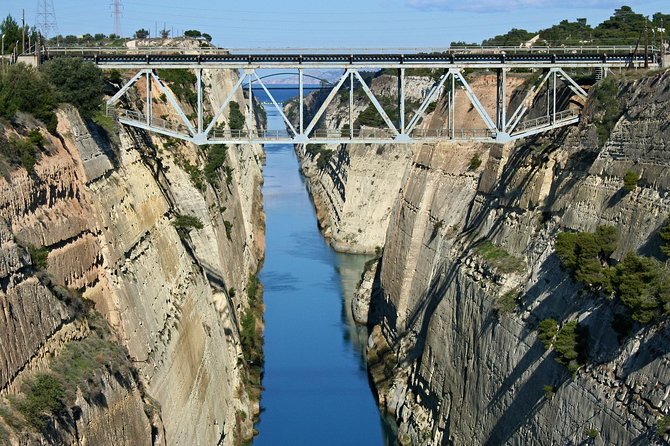
If you want the most out of this stop, treat it like a short viewing break, not a quick glance. The tour gives you enough time to look around, ask questions, and understand what the canal changed for Mediterranean trade. If you’re the type who likes to know how things work, this is where you’ll feel it most—some guides even go beyond history and point out how the canal functions in real life.
The Diolkos stop: ancient boat hauling and why Corinth stayed powerful
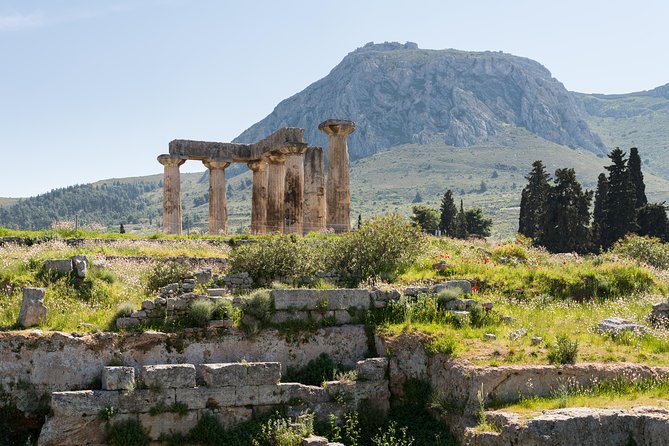
Next comes Ancient Diolkos, where you’ll spend about 30 minutes. Admission is listed as free here too. This stop tells you the story behind the term “short cut,” long before modern engineering solved the problem.
Here’s what makes Diolkos special: it was a set of ancient limestone roads used to heave boats from the Corinthian Gulf to the Saronic Sea. The process involved systems and labor—pulling, hauling, and moving boats across land using people, animals, and even enslaved labor. That detail isn’t there for shock value; it explains why Corinth became a dominant player over time and why trade and power clustered here.
And the biblical connection is more than trivia. The route frames this setting as part of why Corinth mattered so much to the apostle Paul, including the idea that Paul lived in Corinth for an extended period and worked hard to establish his ministry there.


Acrocorinth and Hadjimoustafa spring: fortress rock, then Ottoman-era water
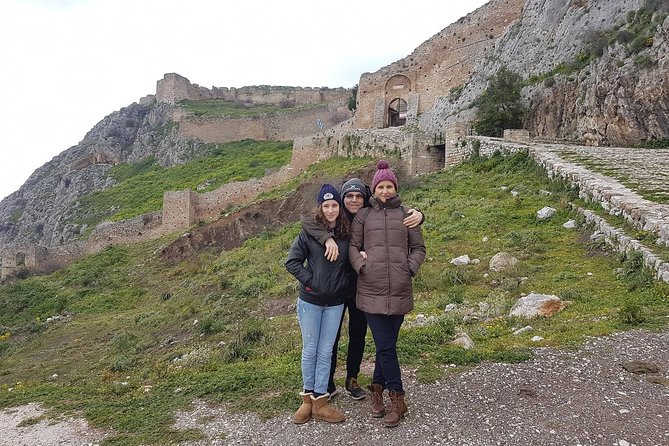
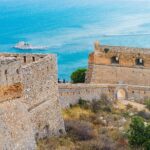
Acrocorinth is the physical high point of the day. You’ll spend about 1 hour here, with admission listed as free. This is the acropolis of ancient Corinth, a monolithic rock rising roughly 1886 ft above sea level, ringed by long walls and gates.
What makes it more than a viewpoint is what you can actually see. The area includes remains of churches, mosques, houses, and cisterns, plus the temple of Aphrodite area that once stood here. You’ll also learn about the Frankish tower and enjoy the big valley and sea views from the walls.
Then there’s Hadjimoustafa spring, built during Ottoman rule in 1555 AD, known for water still running today. It’s a small detail that turns into a satisfying “how people survived here” moment—water at altitude in a fortress built for defense.
Wear shoes you trust here
A real practical note from experience-based advice: Acrocorinth is steep and rocky, and you can face slick spots. There are no handrails in the places you’ll likely want to explore, so wear sturdy shoes with gripping soles. If you’re visiting with kids or older travelers, consider what climb level feels fair for your group.
Ancient Corinth churches and the Bema area: where the Bible meets real geography
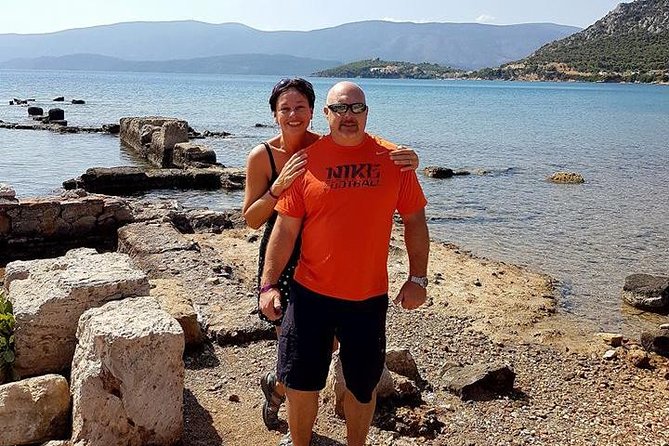
This is the heart of the “Biblical” part of the day. You’ll spend about 40 minutes at Ancient Corinth (Archaia Korinthos) in a section focused on church sites and Paul’s story, with admission listed as free.
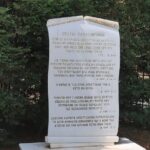
Two highlights here stand out. One is the Neo-Byzantine church of the Virgin Mary, including a marble plaque with lines tied to First Corinthians 13 about love. Another is a church dedicated to the apostle Paul, where you’ll connect the story of his transformation and life in Corinth to what you see in the space.
You’ll also encounter a mosaic by Vlasis Tsotsonis depicting Saul’s journey toward Damascus. In a good explanation, that artwork stops being “just decoration” and becomes a visual timeline—Saul’s shift, his baptism, and the hardships that followed in Corinth.
The Bema connection you’ll care about
The broader complex continues in the archaeological portion, where the tour points you toward the Bema area. This is tied to how Paul’s message was presented publicly and judged as a Roman citizen. The value here is simple: standing where a story was acted out changes how you understand the text. Even if you know the Bible well, the geography gives your memory sharper edges.
Archaeological Museum plus Ancient Corinth site: plan for the fee and the time
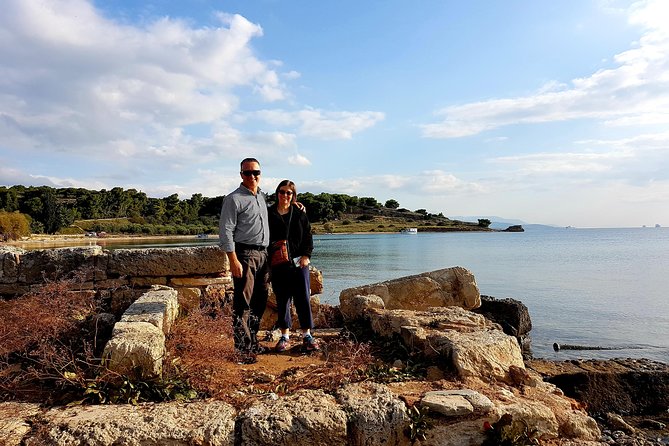
The schedule gives you about 1 hour 40 minutes for the museum and the archaeological site portion. Admission for this part is not included (you’ll purchase €15 per person at the site). This is also where you get the layered timeline of Corinth: Greek, Roman, Byzantine, and Ottoman.
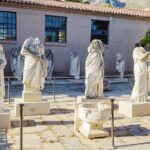
The museum portion helps you switch from “story” to “stuff.” You’re not just hearing words—you’re seeing artifacts and learning how each era built over (or alongside) what came before.
Then the site component includes major stops like:
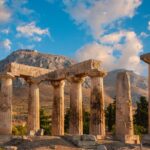
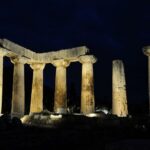
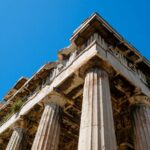
- The Temple of Apollo (with Doric stone columns, rare monolithic Doric columns on the Greek mainland, dated around 560 BCE)
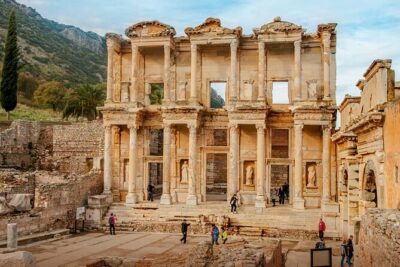
- The Roman Agora, including shops, altars, Roman buildings, and public spaces
- The Roman Odeon and other features that show how civic life ran
- The Lechaion road
- The Roman forum and the Bema platform linked to Paul
If you want extra interpretation inside, you can add it
One practical option is a licensed tour guide to accompany you inside the site and museum for a fee of €190 per booking. Some visitors have named specialist guides here (for example, Christina has been mentioned as a museum guide), and an extra guide can help if you want more archaeology detail or more step-by-step explanation at each stop.
Lunch in Ancient Corinth or seaside Helen of Troy views
After all the walking and viewpoint time, you get a lunch block. The tour offers 1 hour 20 minutes, with lunch options that include an authentic village-style meal in Ancient Corinth or a seaside lunch near the Baths of Helen of Troy.
Food and drinks aren’t included, so you’ll pay your meal price directly. Still, this is a good moment in the plan: you’re already in a historical zone, so having a scheduled lunch window prevents the usual scramble for something quick nearby.
Kenchreai port: Paul’s departure by sea from Corinth’s edge
The final major stop is Ancient Port of Kenchreai (Cenchreae) on the Saronic Sea for about 30 minutes. Admission is free again.
This is where the tour follows Paul’s footsteps by sailing routes and context. You’ll connect this port with Paul’s exodus from Corinth around 53 AD and his departure with companions like Aquila and Priscila. The tour also ties in the Nazarite vow tradition, including the cutting of hair reference (Acts 18:18).
Then it’s back to Athens
You’ll return to Athens after this, with the ride taking about 70 minutes.
Why the private format matters here (especially with Paul-focused tours)
Corinth isn’t just one stop. It’s a chain: canal, ship logistics, fortress height, church plaques, mosaic art, then museum and site ruins. In a big group tour, that chain can feel rushed. In a private format, you can match the pace to your interests.
That shows up in real ways. Many guides on this kind of day build in question time, and some also help you handle comfort needs smoothly. One example from visitor experience: guides like Peter and Tas were described as making the day relaxed, adjusting stops when weather changed, and finding restroom breaks quickly. Another described touch is the small hospitality on the road, like chilled water and even fresh cookies from a bakery stop.
If you care about the Bible-to-place connection, choose a guide who can point out the scripture references as you go. Several guide experiences here highlight that kind of verse-level tying.
Who this tour is best for
This is a strong fit if you:
- Want a Paul-and-Corinth day that connects verses to actual locations
- Prefer a private vehicle and door-to-door pickup over public transport
- Like history that includes engineering and everyday trade systems, not only ruins
It may be less ideal if you want a purely archaeological, technical lecture with minimal religious storytelling. This tour is designed around the biblical lens, even when it’s talking about temples and Roman spaces.
Should you book this private Biblical Corinth tour?
Yes, if you want a single, efficient day that turns Corinth into a place you can picture from the inside. The value for money comes from the full pickup-and-drop format, the private vehicle with Wi‑Fi and A/C, and the way the itinerary builds connections from canal engineering to Paul’s public setting and departure.
Book with extra confidence if you’re the kind of traveler who asks questions and likes explanations that link text to terrain. If you’re the type who hates walking, plan carefully for Acrocorinth’s climb and bring the right shoes. If museum and site interpretation will make or break the day for you, consider adding the licensed guide option for the museum and Ancient Corinth complex.
FAQ
How long is the Private Biblical Tour of Ancient Corinth and the Isthmus Canal?
The tour runs about 8 hours (approx.).
Do I get hotel or Airbnb pickup and drop-off?
Yes. Your driver picks you up from your chosen Athens hotel, Airbnb, or apartment, and returns you to the same area after the tour.
What entrance fees should I expect to pay?
Entrance to the Ancient Corinth site and the Archaeological Museum is not included. You’ll purchase tickets at the site for €15.00 per person.
Is lunch included in the price?
No. Food and drinks are not included, but the itinerary includes time for lunch with options such as a village-style lunch in Ancient Corinth or a seaside lunch by the Baths of Helen of Troy.
What vehicle will I ride in?
You travel in a private, air-conditioned vehicle with Wi‑Fi and bottled water.
Is this tour private or shared with others?
It’s private. Only your group participates.
Can I add a licensed tour guide inside the museum and Ancient Corinth site?
Yes. An optional licensed tour guide can accompany you inside the site and museum for €190.00 per booking, paid directly to the guide.
What is the cancellation policy?
Free cancellation is available up to 24 hours in advance for a full refund. If you cancel less than 24 hours before the start time, the amount paid is not refunded.