REVIEW · ATHENS
Ancient Athens tour: Acropolis, Parthenon and Acropolis Museum
Book on Viator →Operated by Athens Walks Tour Company · Bookable on Viator
Ancient Athens hits different with a good guide. What makes this one work is the pairing of the New Acropolis Museum with a paced walk across the rock, so you understand what you’re seeing instead of just snapping photos. I also like the small, practical touch of bottled drinking water for the hot sun. One thing to plan for: entry tickets are usually extra unless you pick the entrance-ticket option.
I really like how the tour keeps the group moving at a comfortable pace, with expert storytelling from licensed guides (in other groups, you’ll see names like Giannas and Selena doing exactly this style of guiding). You get short stops at the big monuments, with enough time for your own photos and quick questions, without turning the day into a sprint.
And because this is a walk with some stone steps and uneven ground, you’ll want to come in with moderate physical fitness and solid shoes. If you’re expecting hours of unstructured wandering, you may feel the time is a bit tight—but the tradeoff is that the explanations make the monuments click fast.
In This Review
- Key Highlights Worth Paying Attention To
- Why the Acropolis + Museum Pairing Works
- Price and What $72.59 Buys You
- Meeting Point and the 9:00am Start: How This Day Gets Easier
- The Acropolis Walk: From Big Views to Specific Monuments
- Propylaea: The Gates Where the Approach Matters
- Temple of Athena and the Parthenon View
- Theatre of Dionysus: A Quick Look With Big Context
- Herod Atticus Odeon: Seeing a Monument That Still Works
- Erectheion: Caryatids Up Close
- The Acropolis Museum: Where Artifacts Explain the Rock
- Heat, Shoes, and Small Comfort Tips That Matter
- Group Size, Listening Comfort, and Pacing
- Who This Tour Fits Best
- Should You Book This Acropolis and Acropolis Museum Tour?
- FAQ
- FAQ
- Is this tour offered in English?
- How long is the tour?
- Where do I meet the tour guide?
- What time does the tour start?
- Does the tour include a licensed guide?
- Are the entrance tickets included?
- Do I visit the Acropolis Museum?
- What group size should I expect?
- Is bottled water provided?
- Do I need identification if I’m under 25?
- What is the cancellation policy?
Key Highlights Worth Paying Attention To
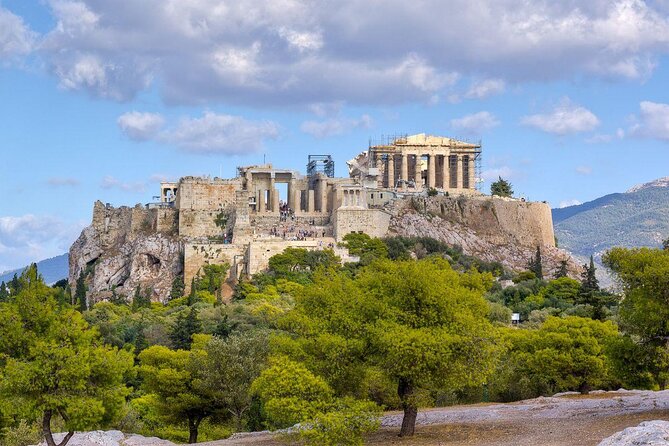
- New Acropolis Museum first (or built into the day) to make the Parthenon make sense
- Small group size (max 20) helps you hear the guide and find photo angles
- Short, high-impact stops at Parthenon, Theatre of Dionysus, Odeon, Propylaea, and Erectheion
- Licensed guide storytelling that connects myths, marble details, and how the city worked
- Cooling support in the sun: bottled water is provided, and breaks are built into the flow
- Museum design over excavation areas, so you see artifacts in context, not just in glass cases
Why the Acropolis + Museum Pairing Works
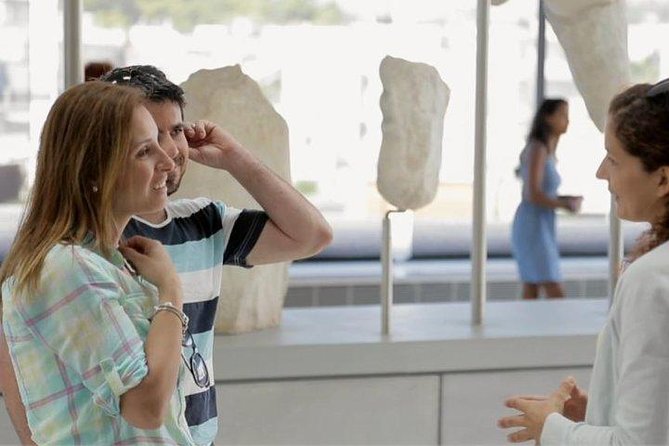
The Acropolis is stunning, but it can also feel like a lot of stone if you only have an audio app. This tour’s real value is the way it connects the monuments to what you later see inside the Acropolis Museum. Once you’ve heard the stories and explanations outside, the sculptures and findings inside hit with a lot more meaning.
I also like that the day is built to be readable. You’re not expected to master everything in one go; you get key stops, a clear arc, and then time at the museum where you can slow down. Guides in this company often use the kind of teaching approach that makes details stick, and you can feel that in how they manage the group (and where they tell you to look).
You can also read our reviews of more tours and experiences in Athens.


Price and What $72.59 Buys You
At $72.59 per person, this is priced like a guided walking tour, not just a ticket-assisted entry day. The big thing you’re paying for is a licensed guide plus time-efficient access to the rock’s main sights and the museum experience. That matters in Athens because the Acropolis can be crowded, and you’ll spend less time guessing where to go and more time understanding what you’re seeing.
Now here’s the budgeting reality: Acropolis entry tickets and Acropolis Museum entry tickets are not always included. The price you pay for the tour covers the guide and the guided parts, but you may need to add ticket costs (unless you selected the entrance-ticket option when booking). If you’re trying to keep costs tight, double-check what’s included before you go.
Even with extra tickets, the value can still be solid if you care about context. If you only want a quick viewpoint and don’t care about the why, self-guided might be cheaper. If you want the monuments explained clearly, the guide is the reason this feels worth it.
Meeting Point and the 9:00am Start: How This Day Gets Easier
You start at Porinou 5, Athina 117 42, Greece, at 9:00am, and the tour ends back near the same meeting point. That early start helps because the Greek sun can turn the Acropolis exhausting by late morning. You’ll also spend less time fighting the densest crowds, which makes it easier to listen to the guide and get decent photo angles.
The tour is offered in English, and you’ll get a mobile ticket. It’s also capped at 20 travelers, which is exactly the size where you can still hear instructions, regroup smoothly, and not feel swallowed by the crowd.
One practical comfort note from how these guides run the day: they often use a microphone/earpiece setup in busy areas so your ears aren’t fighting for every sentence. If you’ve ever tried to listen on a crowded ruin, you’ll appreciate that.
The Acropolis Walk: From Big Views to Specific Monuments
The guided part of the Acropolis-focused portion is about two hours, and it’s structured as a sequence of high-impact stops. You’ll move at a pace that keeps the line moving, but you won’t be treated like you’re on a factory conveyor belt. The tour also includes bottle water so you’re not stuck relying on overpriced convenience stalls in the heat.
What makes this portion especially useful is that you’re not just told names. The guide points out what to look at: where the building sits, how the space is shaped, and why certain details matter. You’ll also get the chance to make small adjustments—one of the benefits of a group this size is that the guide can help you tailor where you pause for a photo or a closer look without derailing the whole route.
Propylaea: The Gates Where the Approach Matters
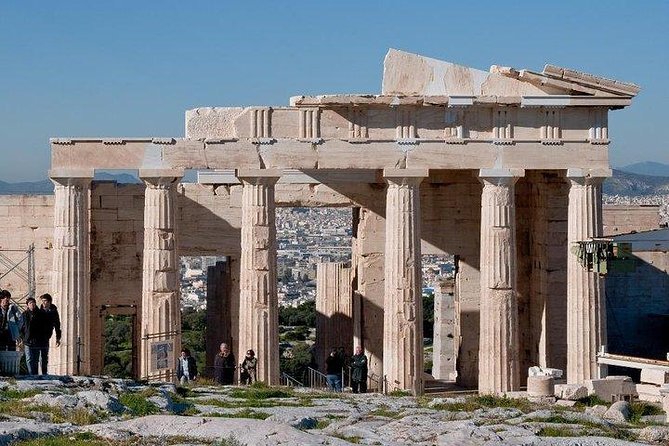
You’ll stop at the Propylaea, the monumental gates of the Acropolis. This stop is more than a “pretty entrance.” It sets the tone for the day: you get a sense of how the city wanted you to feel as you approached the sacred zone. If you’re into architecture, this is where the staging becomes obvious.
Even if you’re not an architecture nerd, the guide’s explanation makes you notice alignment and placement—how structures frame sightlines and movement. It’s the kind of detail you’d miss if you just walked through without context.






Temple of Athena and the Parthenon View
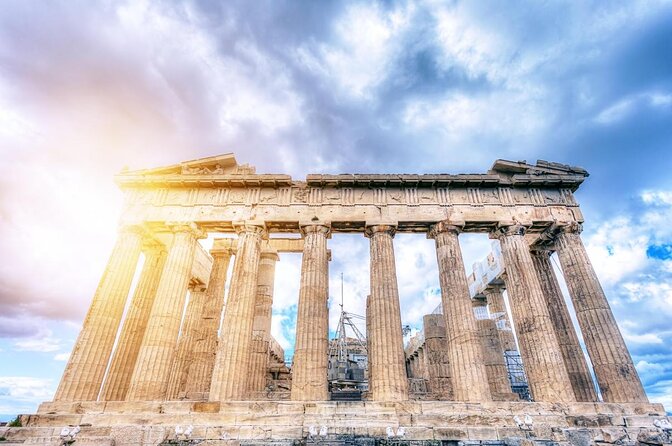
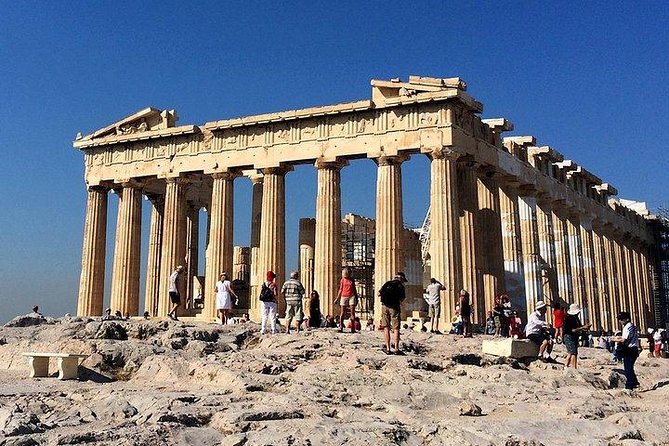
You’ll have a short visit at the Temple of Goddess Athena, followed by a focused stop at the Parthenon itself. The time at the Parthenon is brief—about 10 minutes—so you’re not expected to do a deep study. Instead, the goal is to help you see the Parthenon as a whole: its position, its visual dominance, and the elements that made it a symbol for power and identity.
A good guide will also help you spot why the Parthenon looks the way it does. In Athens, the light changes the surface constantly, and a guide’s timing can make those features easier to notice without you squinting for an hour.
Theatre of Dionysus: A Quick Look With Big Context
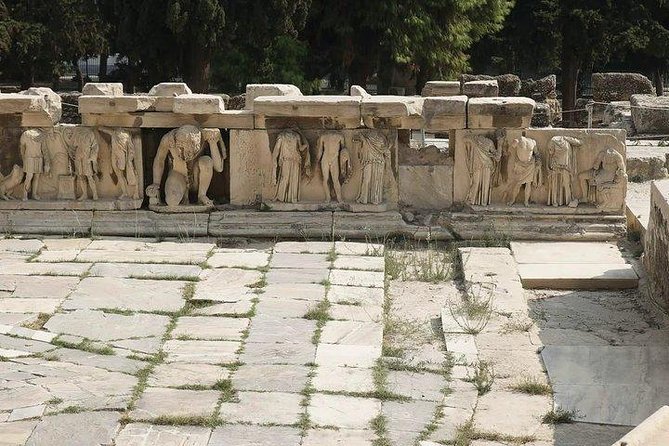
Next up is the Theatre of Dionysus, one of the key theaters connected to ancient performance culture. The schedule gives you about 10 minutes here, and you may get more than one short look at that area during the walk (the plan lists it twice). Even if the time is short, the value is in the framing—this is where the guide connects the monument to civic life, not just stone seats.
If you’re the type who likes to stand somewhere and imagine the noise and movement, this stop does that job fast. You’ll likely leave with a clearer sense of what happened here and why.
Herod Atticus Odeon: Seeing a Monument That Still Works
You’ll also pause at Herod Atticus Odeon, described as still operating. This is a powerful contrast point: ancient Athens didn’t just leave ruins behind—it left structures that still have a role. The guide’s explanation helps you see the difference between “ancient remains” and “ancient buildings that continued through later eras.”
That continuity is one reason the Acropolis feels alive even when it’s busy. You’re not only looking at the distant past—you’re standing in a place that has been meaningful for centuries.
Erectheion: Caryatids Up Close
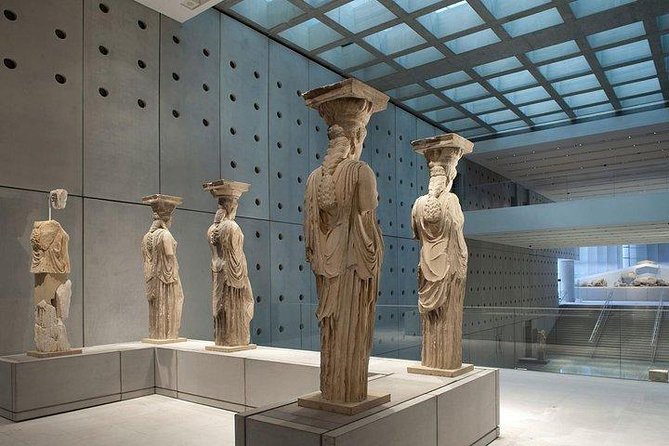
The walk includes Erectheion, home of the famous Caryatids. Your time here is short—about 10 minutes—but it’s the right kind of stop. The Caryatids are famous because they’re human-scale art that makes the architecture feel personal. With a guide’s direction, you’ll understand what you’re looking at beyond the fact that it’s pretty.
This is also a stop where good footwear matters. The Acropolis is full of uneven stone and slippery spots in places, so watch your step as you angle for photos. A few people find the walking section moderately challenging, especially on bright, dry days.
The Acropolis Museum: Where Artifacts Explain the Rock
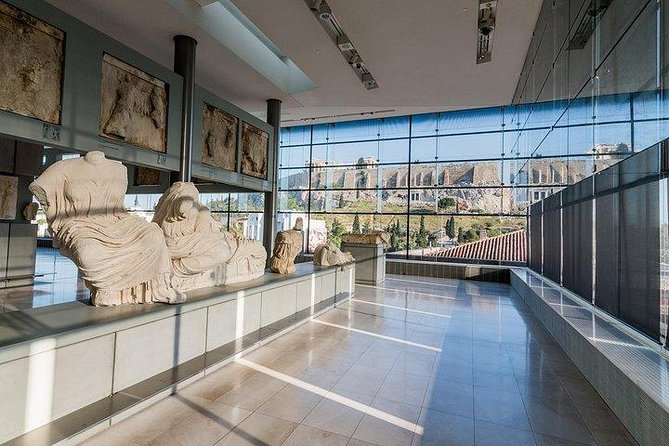
The museum portion is about one hour with entry tied to your booking option. This is the part I think most people should prioritize, because the Acropolis itself can be overwhelming in the moment. Inside the Acropolis Museum, you’re given the artifacts in context, which turns what felt like random marble patterns into a story of materials, design, and time periods.
The museum focuses on findings from the Acropolis rock and surrounding slopes—spanning from the Greek Bronze Age through Roman and Byzantine Greece. Another detail I like: the museum sits over parts of ruins from Roman and early Byzantine Athens. That means the building isn’t just a container; it’s part of the site’s ongoing layers.
The layout also helps you make connections quickly. A common museum mistake is spending your hour only reading labels. With a guide’s push—pointing out particular sculpture features, architectural fragments, and the kinds of pieces that survive—you’ll get far more meaning per minute.
Then you can do what works best for you. In many cases, the guide covers the main ideas first and then encourages you to stay on your own to see what you missed and take your time.
Heat, Shoes, and Small Comfort Tips That Matter
The tour provides bottled drinking water, which is a lifesaver on the Acropolis. Still, I’d plan like you’re going to sweat. Bring sunscreen and a hat, and aim for comfortable shoes with grip.
One more practical note: some stone sections can be slippery. It’s not something to panic about, but you’ll want your footing sorted before you look up for photos. If you’re sensitive to heat, staying hydrated early matters because you’ll start under the sun and keep walking.
A small fan can help too. Some visitors in similar tours bring a handheld fan and find it makes the walk much more tolerable when the air is still.
Group Size, Listening Comfort, and Pacing
A maximum of 20 people makes a noticeable difference on ruins. It helps the guide keep the group together and makes it easier to hear instructions, especially when the area gets crowded. It also helps you get close to the guide at the right moments, rather than having a sea of shoulders block your view.
The pacing is designed for “see it, understand it, move on.” That works well if you’re trying to cover the core monuments without turning the day into a full-day study session. If you’re the type who likes long, slow wandering, you might wish you had more unstructured time on the rock itself. The museum helps fill that gap once the guided framework is in place.
Who This Tour Fits Best
This tour is a great match if you want:
- the Acropolis monuments explained in a clear, human way
- efficient time in key spots like the Parthenon, Theatre of Dionysus, Herod Atticus Odeon, Propylaea, and Erectheion
- a museum visit that ties directly back to what you saw outside
It’s also a smart choice for people who don’t want to wrestle with routing and interpretation while managing the heat. You’ll get built-in guidance on what matters, plus small comfort breaks along the way.
If you’re only interested in views and selfies and don’t care about explanations, you might prefer to DIY. But if you want the monuments to feel meaningful, this guide-led structure is exactly the point.
Should You Book This Acropolis and Acropolis Museum Tour?
I’d book it if you want the Acropolis to make sense quickly and you value a licensed guide’s ability to connect structures to stories and design. The museum is a big part of why this tour feels like more than a sightseeing checklist, especially if you want artifacts explained in context rather than scattered across labels.
I’d skip or consider another format if you’re traveling with a group that needs lots of independent time on the rock. The stops are short, so you’ll likely feel you could spend longer at the Parthenon or linger more around the viewpoints.
If you do book, plan for ticket costs unless you selected the entrance-ticket option, come in with good shoes, and take advantage of the early start so the sun doesn’t bully your schedule.
FAQ
FAQ
Is this tour offered in English?
Yes. The tour is offered in English.
How long is the tour?
It runs about 4 hours (approx.).
Where do I meet the tour guide?
You’ll meet at Porinou 5, Athina 117 42, Greece.
What time does the tour start?
The start time is 9:00am.
Does the tour include a licensed guide?
Yes. A licensed tour guide is included.
Are the entrance tickets included?
Entrance fees are not included unless you booked the option with entrance tickets. If you’re without tickets, you buy them cash from your guide at the meeting point unless you chose the entrance-ticket option.
Do I visit the Acropolis Museum?
Yes. The tour includes a stop at the Acropolis Museum for about 1 hour.
What group size should I expect?
The tour has a maximum of 20 travelers.
Is bottled water provided?
Yes. Bottled drinking water is provided because the sun and streets can get hot.
Do I need identification if I’m under 25?
If you’re under 25, you will need your physical passport or ID to reduce price of your participants.
What is the cancellation policy?
Free cancellation is available up to 24 hours in advance for a full refund. If you cancel less than 24 hours before the start time, you won’t receive a refund.