REVIEW · ATHENS
Traditional Wines of Ancient & Modern Greece
Book on GetYourGuide →Operated by CRU BEE-HAVING Wine & Olive OIl Tastings · Bookable on GetYourGuide
Seven pours, then four thousand years of wine logic. This experience links ancient Greek wine styles to today’s grape and flavor trends in a reverse timeline, so you taste change over time, not just a set of wines. I like that it treats wine as culture you can follow, step by step, even if you’re new to Greek wine.
You’ll get nibbles paired with each pour, which turns the tasting into a practical flavor lesson you can actually remember. The small group size (limited to 10) keeps things relaxed and question-friendly. One possible drawback: at 80 minutes, it’s a focused session, so if you want a long, slow food-and-wine meal, this may feel short.
In This Review
- Key Things I Think You’ll Enjoy
- A Reverse Timeline of Greek Wine, From Today Back to Ancient Styles
- Price and Value: What $44 Buys in Real Terms
- How the 80 Minutes Unfold: Modern First, Then Back in Time
- Starting with Savvatiano: Modern White Wine and the Baseline
- Retsina’s Newer Twist: Why It’s More Than Resin Note
- A Natural Red: Learning the “What” Before the “Why”
- Landing in Ancient Wine: Two Ancient-Style Wines Made in Their Premises
- Nibbles Paired with Every Pour: The Secret Skill Builder
- CRU Tasting Room Setup: A Practical Plan for Your Day
- Who This Tasting Is Best For (And Who Should Think Twice)
- Should You Book Traditional Wines of Ancient & Modern Greece?
- FAQ
- How long is the tasting?
- How many wines are included?
- What types of wines will I try?
- Is the tasting guided in English?
- Where do I meet for the experience?
- Is there a small-group limit?
- Can I cancel for a refund?
- What’s the age requirement?
Key Things I Think You’ll Enjoy
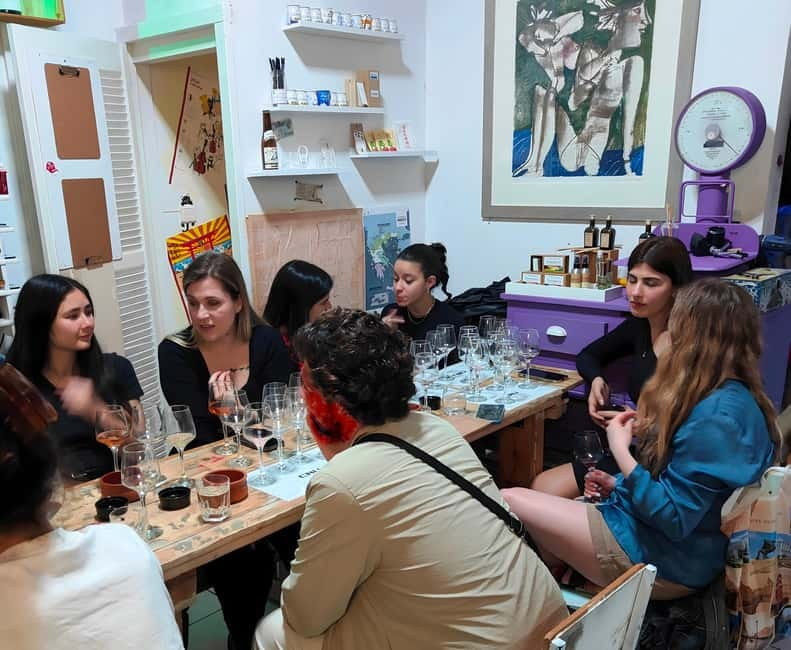
- Reverse timeline tasting: start with modern Savvatiano, then move backward through ancient styles.
- Seven wines in total: including named modern favorites and ancient-style wines made on site.
- Pairing with nibbles each time: designed to show how flavors develop, not just complement.
- Small-group energy: capped at 10 for a smoother back-and-forth with the English instructor.
- Strong value for $44: seven wines + nibbles + filtered water in a tight 80-minute format.
A Reverse Timeline of Greek Wine, From Today Back to Ancient Styles
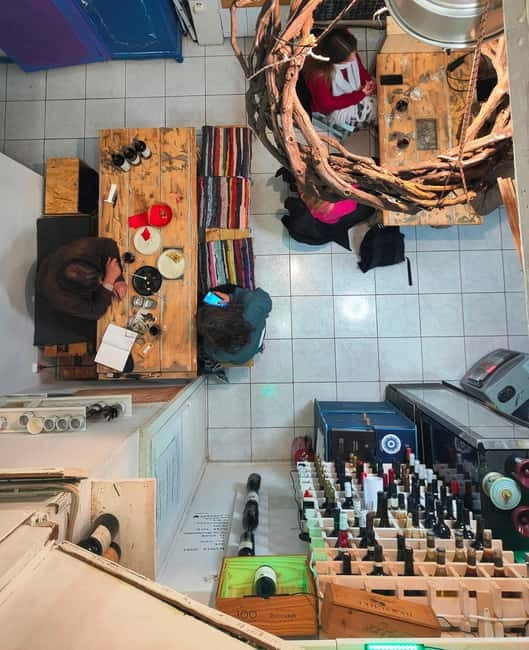
Greek wine has been part of life for over four thousand years. This tasting uses that fact in a smart way: it doesn’t just pour wine and move on. Instead, it works like a route map, helping you understand how the wine route moved from ancient Greek styles toward modern approaches, then going back in time through the lineup.
The biggest payoff is mental, not just taste-based. After the tasting, you’re more likely to spot patterns when you see Greek wines later—what’s “Greek tradition” versus what’s a later twist, and how production choices can change aroma and flavor.
You also get a clear structure from the start. The order matters here: you begin with a modern white wine, then shift into newer styles, then land on two ancient-style wines made in the premises. That back-and-forth makes the whole thing feel like a guided timeline you can taste.
You can also read our reviews of more tours and experiences in Athens.



Price and Value: What $44 Buys in Real Terms
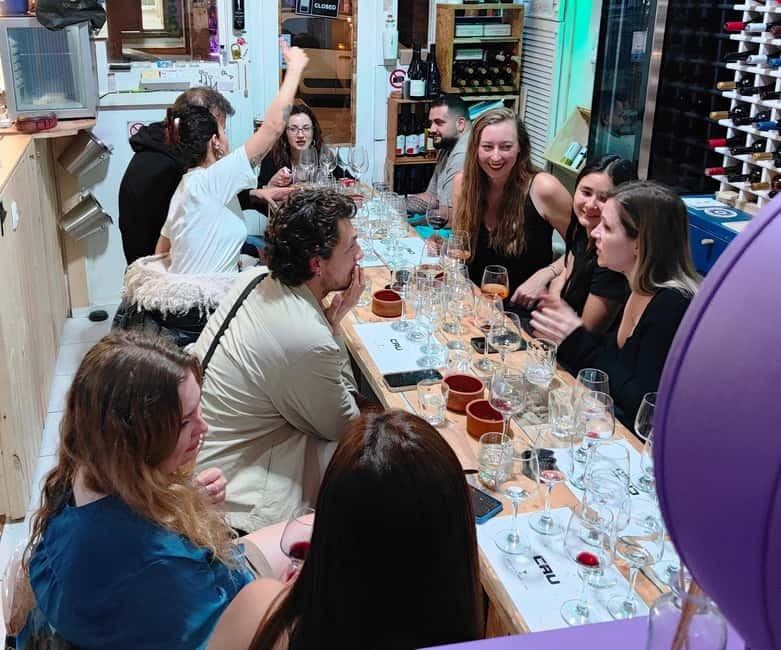
At $44 per person for an 80-minute experience, you’re paying for more than wine. You’re paying for:
- seven wines to sample
- nibbles paired with each
- filtered water included
- English instruction in a small group (10 max)
If you do the simple math, that’s roughly $6 per wine, before you even count the snacks and guidance. And the snacks are not an afterthought—each bite is meant to help you notice how flavors shift with each pour. For many wine tastings, you get “a few tastes.” Here, you get a full lineup that tries to connect the dots across time.
One more practical point: because it’s only 80 minutes, the cost is easier to justify on a busy day. You’re not committing to a half-day wine plan. It fits well if you’re already spending time in the Athens area, while still being rooted in Greek wine culture.
How the 80 Minutes Unfold: Modern First, Then Back in Time
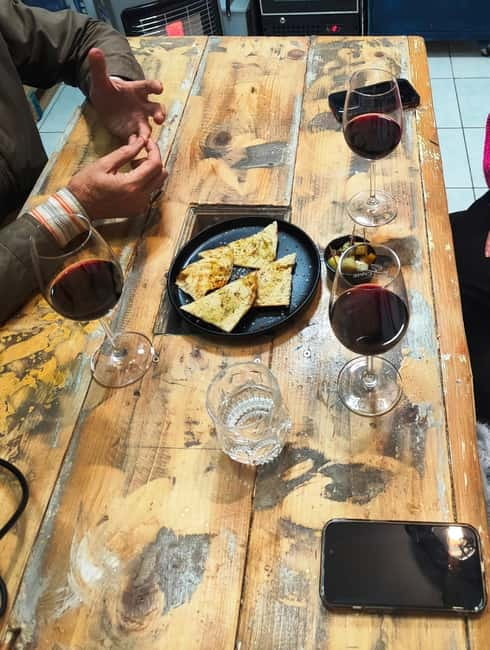
The tasting is built around a reverse-time approach. You start with modern wine styles, then move backward along the wine timeline toward ancient influences.
Even though the experience is described as trying five wines in the main storyline, the included details say you’ll taste seven wines. The lineup is clearly anchored by these named styles:
1) a modern white from Savvatiano
2) a modern take on Retsina
3) a natural red
4) two ancient wines made in the premises
That leaves two additional pours as part of the “bridge” thinking—extra steps that help the flavors and historical idea transition more clearly. You’ll notice that the tasting isn’t random. It’s staged to make your brain hold onto comparisons.
Starting with Savvatiano: Modern White Wine and the Baseline
You begin with a modern white wine made from the Savvatiano grape. Starting here is clever, because it gives you a baseline that feels familiar in today’s Greek market—fruit-forward, dry, and easy to track as you move through the tasting.
This is also where you’re most likely to understand the tasting’s method. Your job isn’t only to decide if the wine is good. It’s to notice what changes when the timeline starts stretching backward. When the later wines show up, you’ll already have a “before” taste in your head.
Since you’re also eating nibbles with each pour, the Savvatiano phase typically does double duty: it teaches you how pairing works before the tasting turns more experimental.
Retsina’s Newer Twist: Why It’s More Than Resin Note
Next comes a “sophisticated” Retsina. Retsina is often known for a resin character, but this version is framed as more refined—meaning the goal is to show you how older concepts can be reworked into a style people actually enjoy today.
Practically, this is one of the moments where the tasting can either click immediately or ask for a little patience. If you’ve never had retsina before, the resin-like signature can be a surprise. But because you’re tasting it in a guided sequence, you’re less likely to react emotionally and more likely to think: What changed in the flavor balance, and why might that be?
And again, the snacks matter. With pairing happening each time, you can compare how the same bite reads differently against a white today versus a more tradition-leaning style.






A Natural Red: Learning the “What” Before the “Why”
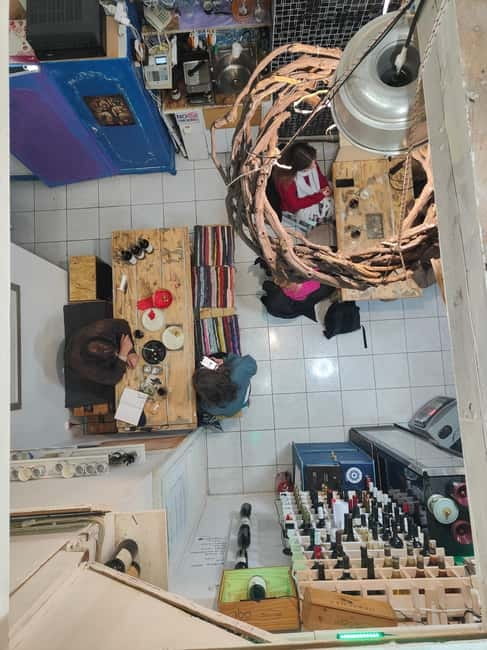
Then the tasting moves into a natural red wine. “Natural” usually means a more hands-off approach in winemaking, and even if you don’t know the technical details, you can often taste the difference in texture, aroma lift, or a more “alive” kind of fruit expression.
This pour is useful in the timeline because it represents modern experimentation and philosophy in Greek wine culture. It sits between the modern and the ancient sections, helping you understand that tradition isn’t frozen—it keeps evolving.
If you like reds, this may feel like the most familiar part of the tasting after the Savvatiano. If you don’t usually seek out natural wines, treat it as a tasting tool. The goal is to train your palate for the kinds of changes that can happen when production choices shift.
Landing in Ancient Wine: Two Ancient-Style Wines Made in Their Premises
The last stage is where the experience earns its name. You’ll taste two ancient wines made in the premises.
That matters for a simple reason: ancient wine tasting can be frustrating when it turns into pure theory. Here, you actually taste something that’s trying to recreate ancient style choices. The experience is designed to help you connect what those flavors might have been like with what you’ve already tasted in modern versions.
Because the tasting pairs nibbles with each pour, the ancient phase doesn’t just throw you a curveball. It gives you a framework: you’re comparing how food changes what you notice. Ancient-style wines can come across differently depending on what’s in your mouth, so the pairing supports your understanding.
And the reverse-timeline setup helps, too. You arrive in the ancient part with context instead of starting cold.
Nibbles Paired with Every Pour: The Secret Skill Builder
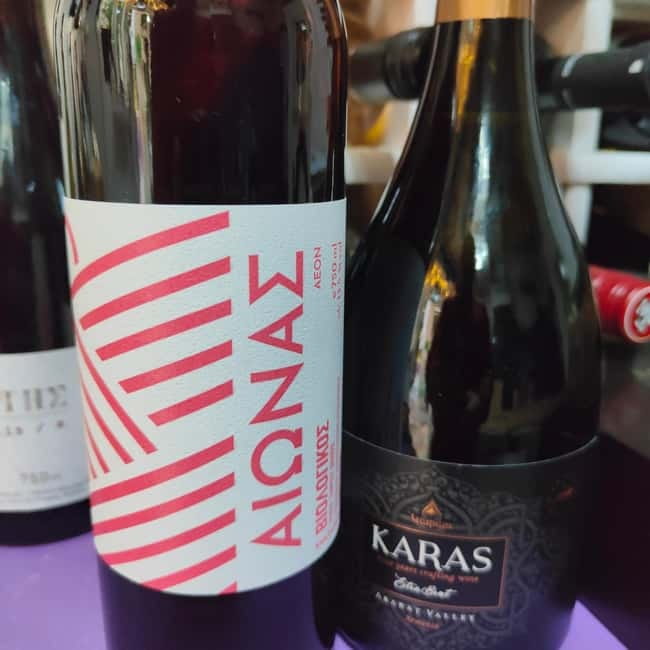
The snacks might look like a small detail, but they’re one of the best parts of this experience. The tasting is built around the idea of “development of flavours through the past four millennia,” and nibbles are the tool that makes that idea tangible.
In practice, pairing each wine with nibbles helps you:
- separate wine character from your mood and fullness
- notice aroma shifts as you go from one style to the next
- understand how salt, fat, or crunch can stabilize certain flavors
This is also where small group settings help. When the instructor can see you reacting to a wine or a pairing, they can explain what you should be noticing next. That’s why the atmosphere tends to feel relaxed: the tasting supports questions rather than forcing you to memorize wine facts.
CRU Tasting Room Setup: A Practical Plan for Your Day
The meeting point is straightforward. Find the CRU Tasting Room Wine & Olive Oil Bar and present your booking number. That’s useful if you’re fitting this into a day of sightseeing.
The experience is instructor-led in English, and the group is limited to 10 participants. For me, that’s the sweet spot: big enough to have energy, small enough that you’re not shouting across a room.
At 80 minutes, expect a steady pace with limited downtime. Come a bit hungry in the good way. You’ll have nibbles, but this isn’t a full meal plan.
Also, note the basic requirement: it’s not suitable for people under 19.
Who This Tasting Is Best For (And Who Should Think Twice)
This is ideal if you like:
- wine culture and food pairing
- history you can taste, not just read
- learning how modern Greek wines connect to ancient styles
It’s also a strong choice if you’ve tried a few Greek bottles and want a clearer mental map. The reverse order helps your palate understand the lineage.
If you only want a casual sip-and-leave experience, you might find the structure a lot. And if you strongly dislike retsina-style character or natural red styles, you may need to approach the tasting with a flexible mindset.
Should You Book Traditional Wines of Ancient & Modern Greece?
Yes—if you want a wine tasting that teaches you something practical. At $44 for seven wines plus nibbles and English instruction, you’re getting a lot of sampling in a short window, with enough guidance to make the tastings stick.
Book it especially if you’re the kind of person who likes connecting dots: grape style, production choices, and food pairing across time. If you want a long, formal wine seminar with no “snack” energy, then this may feel too light. But for most people who enjoy both wine and history in the same glass, it’s a smart use of time.
FAQ
How long is the tasting?
It lasts 80 minutes.
How many wines are included?
You’ll receive seven wines to taste.
What types of wines will I try?
You’ll start with a modern Savvatiano white wine, then try a retsina (described as sophisticated), a natural red, and two ancient wines made in the premises.
Is the tasting guided in English?
Yes, the instructor leads in English.
Where do I meet for the experience?
Meet at the CRU Tasting Room Wine & Olive Oil Bar and present your booking number.
Is there a small-group limit?
Yes. The group is limited to 10 participants.
Can I cancel for a refund?
Yes. Free cancellation is available up to 24 hours in advance for a full refund.
What’s the age requirement?
It’s not suitable for people under 19 years.