REVIEW · ATHENS
Private Walking Tour: Ancient Agora, Plaka and Monastiraki monuments
Book on Viator →Operated by Athens Walking Tours · Bookable on Viator
A 3-hour walk that stitches together ancient Athens and Ottoman-era life.
This private tour is a tight loop through the Ancient Agora, Plaka, and Monastiraki, plus market streets around Avyssinias Square. You’ll start at the Syntagma Metro area museum, then connect Roman and Ottoman landmarks to the 6th-century BC heart of the city.
I particularly like two things: the route doesn’t just stop at famous ruins—it shows you the city’s layers in everyday spaces. And the Stoa of Attalos museum visit gives context that helps the Agora click into place, not just sit there as scattered stones.
One consideration: the Ancient Agora entrance ticket (€20 per person) isn’t included, so you’ll want to plan for that extra cost.
In This Review
- Key moments worth your attention
- Starting near Syntagma: the small museum that sets the tone
- Metropoleos Square to Monastiraki: Ottoman-era streets you can actually walk through
- Plaka’s maze: Medrese doorway and Hadrian’s Library columns
- The Ancient Agora: where politics and business met
- Tower of the Winds and the Stoa of Attalos museum
- Avyssinias Square to Athinas Street: ending in the scent-and-color markets
- Price and value: what you’re really paying for
- Who this tour fits best (and who might want a different one)
- Tips to get the most from your 3-hour walk
- Should you book this private walking tour?
- FAQ
- Where is the tour meeting point?
- How long is the private walking tour?
- What’s included in the price?
- What entrance fees should I budget for?
- Is the tour in English?
- Is there a food stop included?
- Can I cancel for a full refund?
Key moments worth your attention
- Syntagma Metro station museum first: tomb remains, Roman mosaic remnants, and even a 2,000-year-old beehive
- Monastiraki’s Ottoman landmarks: you’ll pass by the Tzistarakis and Fethiye Mosque areas as you walk the lanes
- Plaka’s texture: the Doorway of the Medrese and surviving columns from Hadrian’s Library (built in 132 AD)
- Agora’s big idea: a commercial hub that also fueled politics and debate tied to democracy
- Tower of the Winds: a practical timepiece tied to the forum’s rhythm
- Stoa of Attalos museum: a reconstructed shopping hall that puts daily life artifacts into view
Starting near Syntagma: the small museum that sets the tone
You begin by meeting your private guide near Syntagma Metro station, in central Athens. Before you even reach the older neighborhoods, you get a look at the station’s small museum. It’s not a giant museum day—it’s a quick, focused “aha” stop that explains what’s been found in this part of the city.
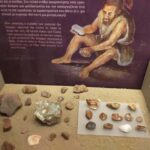
Inside, you can see burial-tomb remains, Roman mosaic remnants believed to date to the 5th century BC, and a 2,000-year-old beehive. That mix matters because it teaches you to watch the city differently. Instead of treating Athens like a stack of separate attractions, you start spotting how layers overlap in the same ground.
From there, you’re guided on foot toward Mitropoleos Square, home to Athens Cathedral. The cathedral is ornate and very “19th-century Athens,” built in 1862 and serving as the seat of the archbishop in the Greek Orthodox Church. This stop is useful because it reminds you that Athens isn’t stuck in the past—it kept evolving.
Practical note: since this is a walking tour, you’ll want to keep an eye on your pace right from the start. That early museum stop is part of the rhythm.
You can also read our reviews of more tours and experiences in Athens.


Metropoleos Square to Monastiraki: Ottoman-era streets you can actually walk through
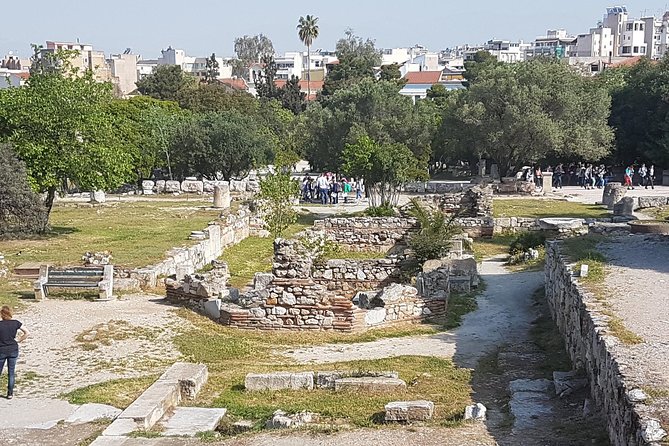
After the cathedral, the tour shifts into Monastiraki, one of those neighborhoods that feels like Athens at street level. Expect shop-filled lanes and the lively energy of a classic market area.
This is where the Ottoman chapter becomes visible as you pass landmark structures connected with mosque areas, including the Tzistarakis Mosque and Fethiye Mosque. You’re not just looking at a name on a sign—you’re walking through the kind of neighborhood layout that helps these buildings make sense.
Monastiraki’s flea market vibe adds a fun contrast to the earlier sacred sites. It’s easy to “feel” history here because daily life is still happening in the same kinds of lanes. That matters for the overall experience: the tour moves you from monuments into the city’s trading culture, which links nicely with what you’ll see later at the Agora.
If you prefer quieter sightseeing, Monastiraki might feel noisy. But if you like atmosphere, this is the section that makes the walking tour feel alive instead of museum-on-a-map.
Plaka’s maze: Medrese doorway and Hadrian’s Library columns
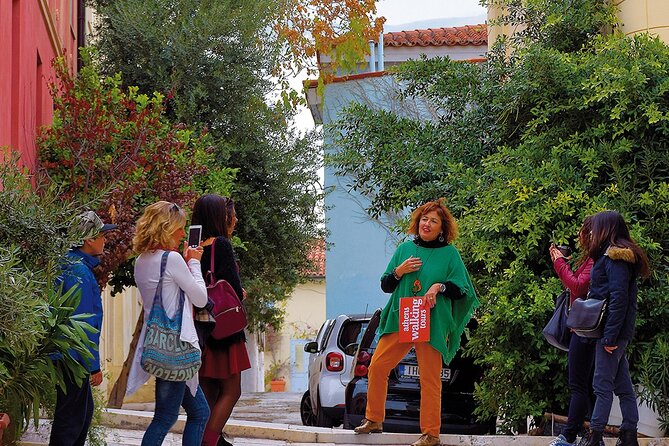
From Monastiraki, you’ll work into Plaka, the Old Town area with a web of paved lanes. Plaka can be busy, but on a private tour it’s also a chance to slow down and look closely at details you’d normally miss while squeezing through crowds.
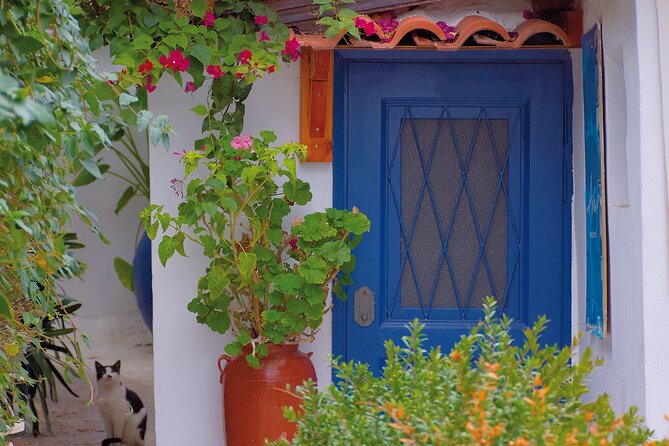
The tour includes a stop for the Doorway of the Medrese, which functioned as the entrance to a former Turkish theological school. That’s the kind of stop that’s more than a photo moment. The doorway gives you a tangible entry point into an era most visitors only mention in passing.
Then you’ll look for the remaining columns of Hadrian’s Library, built by Emperor Hadrian in 132 AD. Columns are fragments, but they’re also clues. When you know what building you’re looking at, the leftovers stop being random and start acting like evidence.
Plaka’s strength is that it’s a “between stops” neighborhood—so you’re constantly transitioning from one time period to another. It’s the walking equivalent of a guided story, where every turn resets the scene.
Tip: take a few minutes here to pause and look down the lane before moving on. The street angle can give you better views of both the historic pieces and the way the neighborhood is still used.
The Ancient Agora: where politics and business met
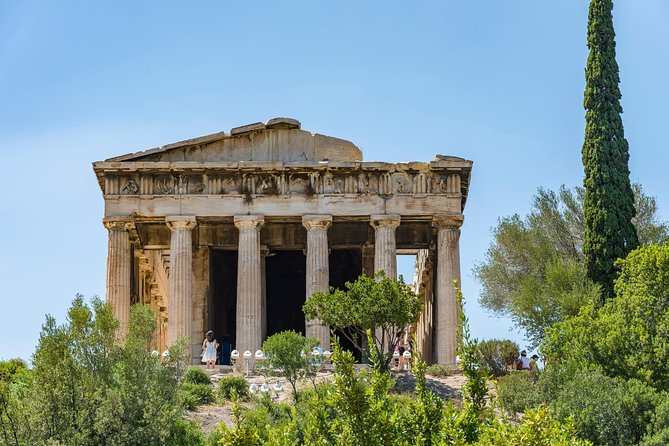
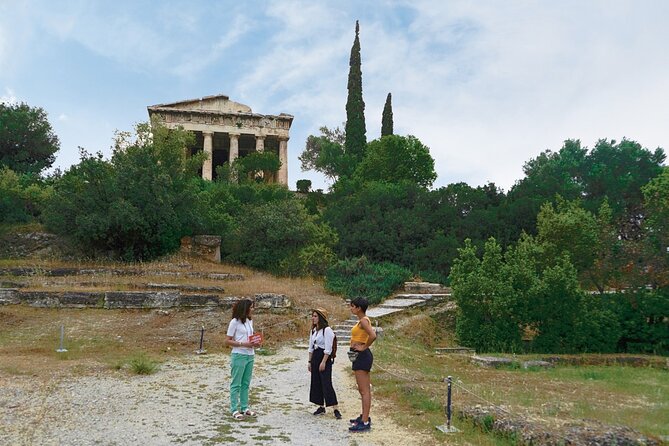
Now you reach the tour’s headline stop: the Ancient Agora of Athens. This is described as the site that developed in the 6th century BC, and it served as a commercial, political, and social center.
The value of having a guide at this point is simple: the Agora is large, and it can feel like scattered ruins unless someone helps you “read” the space. Your guide explains how the area was used, including the idea that people gathered to trade and discuss city matters—an everyday path into the concept of democracy.
You’ll spend about 1 hour at this stop. You’ll also want to plan around the fact that the entrance ticket is not included and is €20 per person. Even if you’ve visited ancient sites before, this fee is worth factoring in because it’s part of what makes the experience complete.
What I like about the Agora section is that it’s structured like a conversation. You’re not just moving from artifact to artifact; you’re learning why certain spaces mattered to daily life and civic decision-making.
One more practical consideration: the Agora museum component later is included as part of the route, but access is tied to the site plan and time. So it helps to keep your group moving smoothly during the Agora portion.
Tower of the Winds and the Stoa of Attalos museum
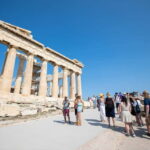
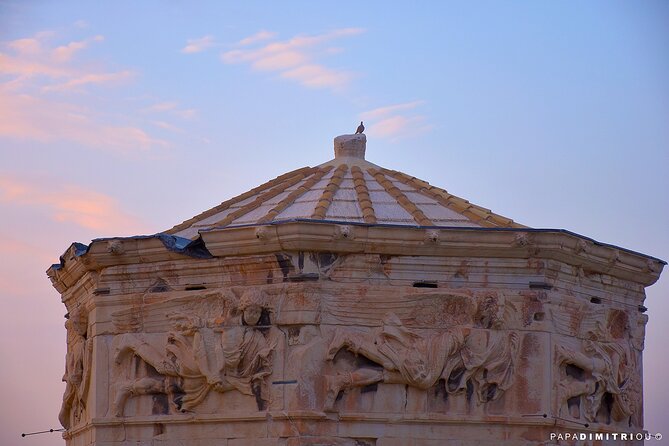
After the key Agora time, you’ll visit the Tower of the Winds. This building is known for serving as the forum’s timepiece, which makes it more than a decorative structure. It’s a reminder that ancient civic life wasn’t only about speeches and markets—it was also about schedules, routines, and shared systems.
From there, the tour heads to the Stoa of Attalos, where an archaeological museum visit is included. The Stoa is a reconstructed ancient shopping hall, and you’ll see artifacts connected to daily life in Athens.
The time for this museum stop is about 45 minutes, and it’s set up to help you understand what you just walked through. Ruins are emotionally impressive, but museums turn impressions into meaning. This pairing—Agora outdoors, artifacts indoors—works well if you like your sightseeing with context.
You’ll see a selection of artifacts used in daily life of Athenians, which gives you a human scale. Suddenly the Agora isn’t only a political concept; it also becomes a place where people lived their routines through objects, trade goods, and everyday culture.
If you’re traveling with family or teens, this museum portion is a helpful bridge. One guide—Kostas—has been noted for making it easy for teens around 15 and 16 to understand and enjoy the material. That’s exactly the kind of pacing and explanation that turns a long site into a story people can follow.




Avyssinias Square to Athinas Street: ending in the scent-and-color markets
Once you’ve finished the Agora and Stoa of Attalos museum segment, the tour transitions into the street-food atmosphere near Avyssinias Square. You’ll make your way through this area toward Athinas Street, which is where the tour’s vibe changes from monumental to sensory.
This is the spot to slow down and take in the aromas and colors of food and spice markets. Even if you don’t buy anything, the change of pace helps you absorb the entire day. After walking through layered history, market streets feel like a closing chapter that’s still active right now.
The tour ends when you say goodbye to your guide. Importantly, after the museum of Attalos your guide departs, and you’re free to keep exploring the old part of the city on your own. That’s a good setup because it avoids the “tour ends, now what?” feeling.
Price and value: what you’re really paying for
The price is $319.39 per person for a private tour that runs about 3 hours. That sounds steep at first glance—especially if you compare it to group tours. But with a private guide, you’re paying for pacing, flexibility, and attention.
Here’s what that typically changes for you on this specific route:
- You can ask more questions at the Agora and get explanations tailored to what you notice.
- You’re not stuck waiting while a larger group shuffles forward.
- The guide can adjust the walk so stops land at the right times.
On top of that, there’s practical value in how the tour connects neighborhoods. Many tours hit “the big ruins” but miss the way Ottoman-era buildings show up in the same walking world as Greek and Roman remains. This one strings those pieces together—cathedral to mosque areas, Plaka doorways to Hadrian’s columns—so you understand Athens as a living city.
Budget note: you should add €20 per person for the Ancient Agora entrance ticket. Also, food and drinks aren’t included unless specified, so think about grabbing a snack on your own around Avyssinias Square or Athinas Street after the tour ends.
Who this tour fits best (and who might want a different one)
I’d recommend this tour if you want a focused route that still covers multiple eras without feeling rushed. It’s especially good if you like learning how a city works—civic spaces like the Agora, plus neighborhood history in Plaka and Monastiraki.
It also fits mixed-age groups. The guide approach has been praised for making the material understandable and enjoyable for teens, which often doesn’t happen on more lecture-heavy tours.
If you hate walking or want a “sit down every 10 minutes” schedule, this might be a tougher choice. It’s a 3-hour walking format through lanes and major stops. Also, if you only care about one specific era (say, purely classical Greece), you might feel that Ottoman and Roman elements dilute your focus.
Tips to get the most from your 3-hour walk
First, wear comfortable shoes. You’ll be on foot through Plaka lanes and the market areas, not just standing at a single viewpoint.
Second, think about your photo strategy. Plaka and Monastiraki offer tons of photo angles, but the Agora is where you’ll want to pause for understanding, not only snapshots. Balance your camera time with the guide’s explanations.
Third, come ready to ask questions. The big payoff of a private tour is that you can ask things like how the Agora’s layout supported civic debate, or why the Tower of the Winds was a timekeeper for the forum.
If you’re planning your day, schedule this earlier rather than later. It gives you a better base for understanding Athens as you move on to other sights that day.
Should you book this private walking tour?
Yes, if you want an efficient, guided way to connect Ancient Agora + Plaka + Monastiraki and you care about context, not just checkmarks. The combination of the Syntagma museum artifacts, Ottoman-era neighborhood walking, and the museum stop in the Stoa of Attalos creates a story you can actually follow.
I’d book it with an easy budget plan in mind: expect the €20 Ancient Agora ticket on top of the tour price, and plan to buy your own snack or drink later. If that’s fine, this is a strong value for a private guide who helps you read Athens instead of just looking at it.
FAQ
Where is the tour meeting point?
The tour meets near Syntagma Metro station in central Athens (Pl. Sintagmatos, Athina 105 63, Greece).
How long is the private walking tour?
The duration is about 3 hours.
What’s included in the price?
The tour includes a local guide and a private tour.
What entrance fees should I budget for?
The Ancient Agora of Athens entrance fee (€20 per person) is not included.
Is the tour in English?
Yes, the tour is offered in English.
Is there a food stop included?
Food and drinks are not included, unless specified. The tour passes through food and spice market areas near Avyssinias Square.
Can I cancel for a full refund?
You can cancel for a full refund if you cancel at least 24 hours before the experience’s start time.
If you tell me your travel month and whether you want more museums or more street atmosphere, I can suggest the best time of day to tackle this route.