REVIEW · ATHENS
Private Walk Women in Ancient Greece
Book on Viator →Operated by Culture Hunters · Bookable on Viator
Women rewrite Athens, one street at a time. This private walk turns familiar landmarks into a story about women in Ancient Greece, with Greek mythology and everyday life pulled into view street by street. I love the way the guide links myths to real places you can stand on.
The second thing I really like is the private format—you can ask questions as you go, instead of feeling rushed or stuck with a script. One consideration: it’s a walking route in and around central Athens, and it’s not recommended for mobility issues.
In This Review
- Key highlights you’ll feel right away
- Women in Ancient Greece: why this walk feels different
- Monastiraki start: getting oriented before the stories hit
- Hadrian’s Library: education for girls and women
- The church stop: marriage and Eros in Ancient Athens and Sparta
- Gate of Athena Archegetis: married life and Athena myths
- Dioskouron: the mysterious festival dedicated to women
- Ancient Agora from outside: women in public space
- Areopago: trials, sinners, and a woman who changed the rules
- Pnyx: democracy’s start, plus a woman’s influence
- Philopappos Hill: Muses and the best Acropolis payoff
- Price and pacing: is it worth $90.22 for 2 hours?
- Who this women-in-Ancient-Greece walk is for (and who should skip it)
- Should you book this Private Walk Women in Ancient Greece?
- FAQ
- FAQ
- How long is the Private Walk Women in Ancient Greece?
- Where do I meet the guide?
- Where does the tour end?
- Do we enter archaeological sites or pay for museum tickets?
- Is this a private tour?
- What language is the tour offered in?
- Is transportation included?
- Is it suitable for kids and people with mobility issues?
Key highlights you’ll feel right away
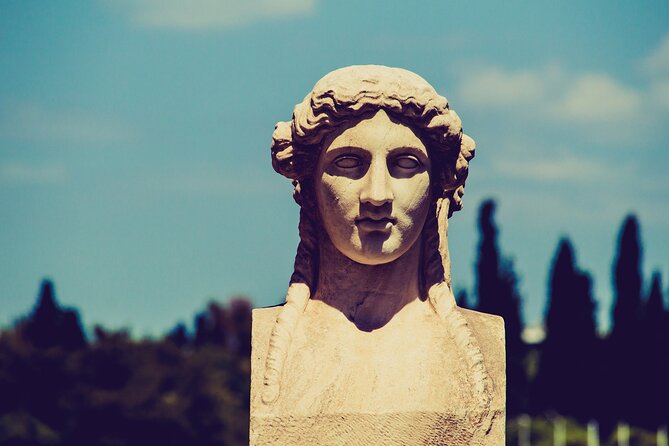
- A women-in-the-mix lens on Athens, from education and marriage to public life
- Private Q&A as you walk, so you can pause when a story gets confusing
- No archaeological site entrances—you view key places from outside
- Myth + civic life side by side, including Athena, Eros, courts, and democracy
- A hilltop finish at Philopappos Hill with a strong Acropolis viewpoint
Women in Ancient Greece: why this walk feels different
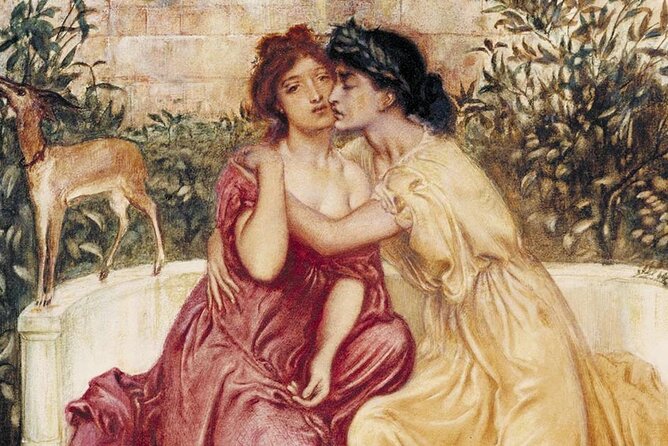
Athens can feel like a museum city if you only zoom in on temples and big-name battles. This tour nudges you the other way. You start asking a different set of questions, like: What did girls learn? How did marriage work? Who had a voice, and who didn’t?
That shift matters. The route is built around places tied to education, marriage myths, women-only festivals, and the tension between private life and public rules. The result is a tour that doesn’t just list facts. It connects themes—love (Eros), authority, citizenship, and punishment—back to the streets around you.
And because it’s a private walk in English, the pace is adjustable. If you want more detail on the mythology or the social roles (like women in public space), you can steer the conversation.
If you’re hoping for a standard checklist tour, you may feel under-supplied. If you want a story-driven walk that makes you think long after you’re done, you’re in the right place.
You can also read our reviews of more tours and experiences in Athens.


Monastiraki start: getting oriented before the stories hit
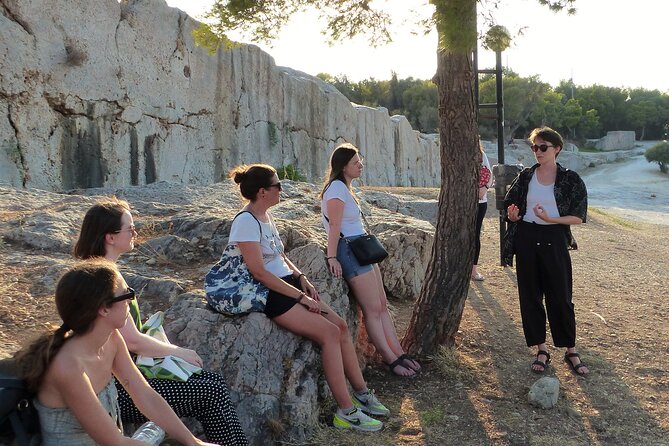
You meet on the emblematic square of Monastiraki at Pl. Monastirakiou 2. The area is a good opening act because it’s central and easy to find. You’re also set up for a walk that gradually climbs toward the viewpoints later.
The first stop is intentionally simple: a quick start in the Monastiraki area, then you move on to Hadrian’s Library. That matters because the tour doesn’t begin with big drama—it begins with the idea of learning, specifically for girls and women in Ancient Athens.
Practical tip: wear shoes you don’t mind breaking in. The tour is about walking between meaningful points, not just popping into a building. Even though the stops are short, the total effort adds up in 2 hours.
Hadrian’s Library: education for girls and women
Hadrian’s Library is where the tour turns serious. The point here is education of girls and women in Ancient Athens, and how that fits into a society you may have only seen through the “men-only” lens.
Even if you don’t know much about classical Athens, this is a smart anchor stop. Education is one of the easiest themes to understand across time: who gets access, who pays the cost, and what kind of life different people were expected to live.
Timing is tight—about 10 minutes at the stop—so don’t expect a full lecture. Think of it as a focused setup. You’ll leave with a clearer framework for the next stops, especially when the tour shifts from education to marriage and civic rules.
The church stop: marriage and Eros in Ancient Athens and Sparta
Next up is the Holy Church Of The All-Great Taxiarchs And The Virgin Mary Gregorousa. It’s not just a pretty place to pause. The tour uses it to talk about the meaning of marriage in Ancient Athens and Ancient Sparta and to explore EROS, described as the passionate kind of love.
This is a good reminder that mythology in Greece isn’t separate from daily life. Love, marriage, and social expectations were tied together. When the guide connects the symbolism to the city itself, you start noticing how a myth can explain the mood of a culture—not only its gods.
One subtle benefit here: it gives you a “bridge” between modern assumptions and ancient realities. If you’ve ever wondered how love was talked about in societies with strict rules, this stop helps you make sense of the contrast.
Stop length is around 15 minutes. If you like a bit of story with your history, this is one of the more engaging segments.
Gate of Athena Archegetis: married life and Athena myths
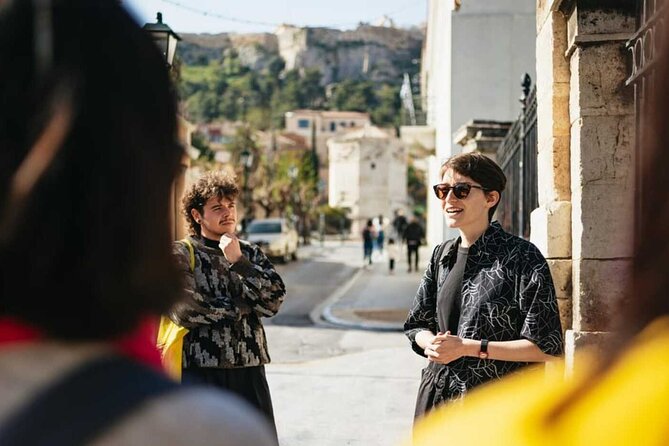
Then you reach the Gate of Athena Archegetis, another anchor stop where the theme stays consistent: married life for women in Athens and Sparta, plus the myths tied to the goddess Athena.
Athena is often treated like a distant, marble-cold figure in casual retellings. Here, she’s part of the conversation about identity and expectation. Athena’s presence is a way of talking about authority, protection, strategy, and social order—all wrapped in myth.
This stop is also about perspective. The gate isn’t just a structure; it’s a clue that the city’s mythology was woven into how people understood their own lives, including the rules around marriage and family.
Timing is about 15 minutes again. That keeps momentum. You don’t get stuck in one spot too long, but you still get real explanation.






Dioskouron: the mysterious festival dedicated to women
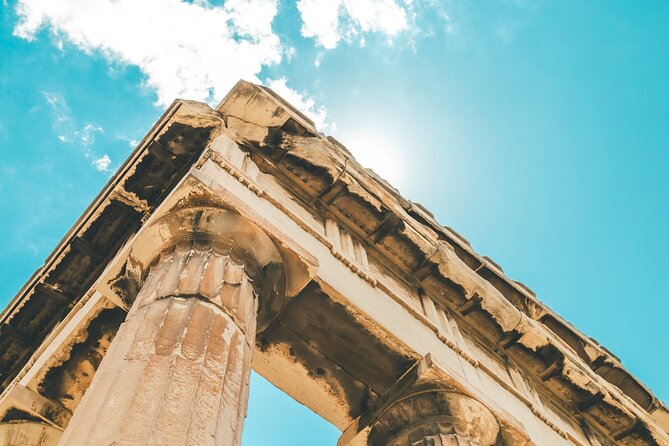
The tour then moves to Dioskouron, with about 10 minutes here. The hook is big: a mysterious ancient festival dedicated exclusively to women.
This is where the walk starts feeling like a puzzle you want to keep thinking about. Women-only festivals suggest a separate social rhythm—something parallel to public life, with its own rules, rituals, and meaning.
Even with only a short stop, it’s a memorable turning point. It’s not just “women had roles.” It’s that they had space—at least at certain moments—to gather, celebrate, and participate in a structured tradition.
If you’re the type who likes questions more than answers, this stop will work well. You’ll likely walk away curious rather than finished.
Ancient Agora from outside: women in public space
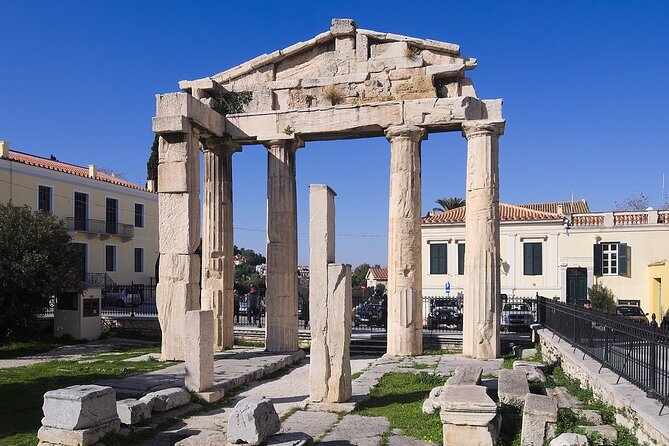
At the Ancient Agora of Athens, you’ll get about 15 minutes. Here’s the practical detail: there’s no entrance to the archaeological site, and you’ll see it from outside.
But don’t skip this stop. The Agora is about public life—the marketplace and the stage where the city’s rules became real. The tour focuses on the role of women in public space, and it specifically brings up the life of female slaves or courtesans.
That’s heavy material. A good guide handles it with care and context, and the value of a private tour is that you can ask follow-up questions if something feels confusing or unfair (and it often does).
Why seeing it from outside works: you get the spatial sense of where commerce and movement happened without the pressure of museum pacing. It’s more like “stand here and imagine the flow of life,” rather than “read panels and move on.”
Areopago: trials, sinners, and a woman who changed the rules
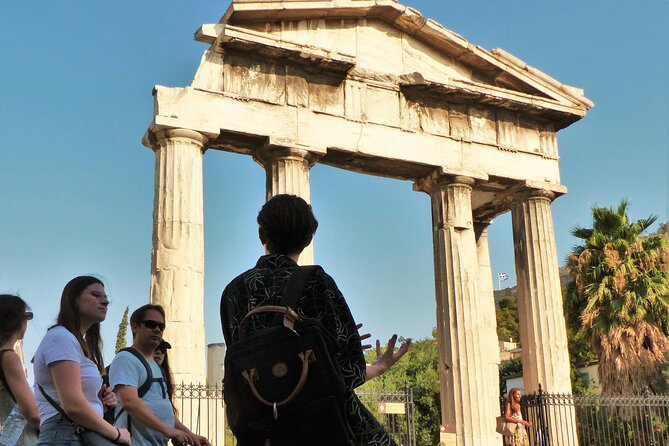
Next is Areopago, about 10 minutes. This stop is built around a high-stakes setting: where the worst sinners were trialled in ancient times.
Then the tour adds the human story you didn’t expect: inspiring tales of a woman who risked a death sentence to change women’s rights.
This is one of those moments where the tour stops being about distant customs and becomes about power. Courts are where systems show their face. By placing women’s rights in that context, you see how dangerous change could be—and why it didn’t happen easily.
Also, it’s a great stop for people who like narrative history. Even if you don’t remember every detail afterward, the emotional logic sticks: the system can be brutal, and someone still pushes against it.
Pnyx: democracy’s start, plus a woman’s influence
At Pnyx, you’ll spend about 15 minutes. The theme is democracy all beginning here—paired with the reality that only men citizens used to vote.
That contrast is the point. Democracy is presented, then reality is underlined: participation wasn’t equal. The tour then introduces the twist: a woman who influenced politics of Athens during its Golden Age.
This is an especially useful stop if your historical mental model is too simple. You’ll walk away with a more nuanced sense of how influence could happen even without the formal ballot.
Practical note: Pnyx sits in a way that can be windy or sun-exposed depending on the day. If you’re sensitive to weather, bring sunglasses and a light layer.
Philopappos Hill: Muses and the best Acropolis payoff
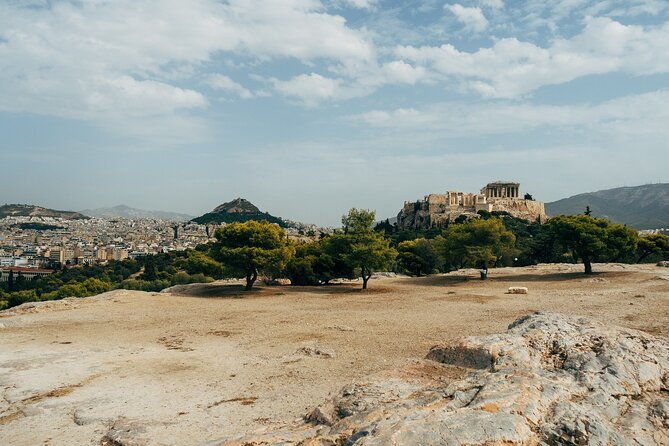
The tour ends at Philopappos Hill (about 10 minutes at the viewpoint). It’s called the hill of the Muses, tied to inspiration that still reaches into daily life.
The best part is the view on the Acropolis. You finish with a payoff that feels earned, not forced. You’ve been building themes about life, rules, and myth—and then the skyline closes the loop with an “Athens as story” feeling.
The endpoint is listed as Philopappos Hill (near Fyleos 215). It’s also described as the best viewpoint on the Acropolis and close to the centre by foot, with easy metro access if you want to keep moving.
If you’d like photos, give yourself an extra minute. The tour’s structure ends, but the viewpoint is where you naturally want to linger.
Price and pacing: is it worth $90.22 for 2 hours?
At $90.22 per person for an approximately 2-hour private walk, value depends on what you want from a tour.
Here’s what you’re paying for:
- A private group experience, meaning you’re not sharing the guide’s attention
- A guide-led story that centers women’s roles and myths, not just famous monuments
- A route designed to be ticket-free at the stops (admissions listed as free, and archaeological sites aren’t entered)
- All fees and taxes included, plus a mobile ticket
What you’re not paying for:
- Private transportation (not included)
So if you’re coming in on foot or metro, you’re set. If you were hoping a car would be included, you’ll need to plan that separately.
Pacing wise, the stops are short (10–15 minutes each) which keeps energy up. You’re walking the whole time, though, so treat it like a proper city hike with meaning, not a “relaxed stroll.”
This tour is also adapted for participants over 10 years old and is described as suitable for most travelers. If you’re traveling with teens who like stories and questions, it’s a great way to make school-type history feel alive.
Who this women-in-Ancient-Greece walk is for (and who should skip it)
Book this if:
- You want Athens with a women-focused lens, mixing mythology and social roles
- You like asking questions in real time and getting direct answers
- You enjoy short, story-packed stops where you walk, pause, and move on
Skip or reconsider if:
- You have mobility limitations; the tour is not recommended for travelers with mobility issues
- You want only museum-style entrances and indoor exhibits
- You prefer a purely chronological history with minimal interpretation
A final note on guiding style: multiple people highlight a guide who’s super engaging and helpful. The name Maelle comes up as someone who brings passion and keeps the tour lively, which is exactly what you want for a narrative topic like this.
Should you book this Private Walk Women in Ancient Greece?
I’d book it if your goal is to understand Athens beyond statues—through the lens of education, marriage, women-only ritual, civic life, courts, and mythology. The route is efficient, the stops are short, and you get a strong finishing viewpoint at Philopappos Hill.
If you’re sensitive to walking or not comfortable with uneven terrain, this one is likely the wrong fit. But if you can handle a couple hours on your feet, you’ll come away with a new set of questions—and a clearer sense of how women’s lives were woven into the city’s rules and stories.
FAQ
FAQ
How long is the Private Walk Women in Ancient Greece?
It’s listed as approximately 2 hours.
Where do I meet the guide?
The tour starts at Pl. Monastirakiou 2, Athina 105 55, Greece (Monastiraki).
Where does the tour end?
The walk ends at Philopappos Hill, Φυλής 215, Athina 117 41, Greece.
Do we enter archaeological sites or pay for museum tickets?
No. You’ll see archaeological sites from outside, and the stops are listed as Admission Ticket Free.
Is this a private tour?
Yes. It’s private, so only your group participates.
What language is the tour offered in?
It’s offered in English.
Is transportation included?
Private transportation is not included.
Is it suitable for kids and people with mobility issues?
The tour is adapted for participants over 10 years old, but it is not recommended for travelers with mobility issues. It also requires good weather.