REVIEW · ROME
Rome: Colosseum and Ancient Rome Guided Walking Tour
Book on GetYourGuide →Operated by Know my City · Bookable on GetYourGuide
Rome starts with one roar: the Colosseum. I like that this tour includes skip-the-line entry and headsets, so you can actually hear the guide while the site is loud and busy. I also like the punchy route that strings together arena views, then imperial ruins on Palatine Hill, then the political center at the Roman Forum. One consideration: it’s a walking tour through uneven ancient ground, and security lines can still show up even with skip-the-line tickets.
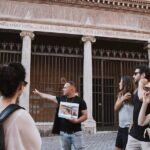
What makes it more than a photo stop is the way guides bring scenes to life with quick stories and straight answers. In past departures, people have been led by guide names like David, Radu, Alessandra, and Alexandra, and many of them use humor plus facts to clear up gladiator-fight myths and explain how the places worked. That’s a big reason the tour feels worth the money instead of just paying to get inside.
You’re looking at about 2.5 hours, and the order can flip depending on how the day runs. You’ll likely hear the guide from a first meeting area, then move to the Colosseum, and finish with Roman Forum and Palatine Hill (or possibly in a different order). Plan for comfortable shoes, and keep your expectations realistic: this is ancient Rome, so bring patience for queues and crowds.
In This Review
- Key highlights worth showing up for
- Entering the Colosseum without wasting your time
- A practical note on queues and security
- Roman Forum: where Roman power played out daily
- What I’d watch for during the Forum part
- Palatine Hill: imperial views and the “who lived here” factor
- The payoff: views that make the whole day click
- The guide experience: headsets, humor, and myth-busting
- Why this matters for value
- Price and value: what $58 buys you in Rome time
- Logistics that can make or break your day
- Meeting point can vary
- Drop-off locations include the Forum area
- The visit order can change
- If tickets don’t line up for single entry, the group format changes
- Who should book this Colosseum, Forum, and Palatine walking tour?
- What to bring
- What not to bring
- Should you book it or DIY?
- FAQ
- How long is the Rome Colosseum and Ancient Rome guided walking tour?
- How much does the tour cost?
- Is entry to the Colosseum, Roman Forum, and Palatine Hill included?
- Does the tour include skip-the-line access?
- What languages are the live guides available in?
- Will I need to go through security at the Colosseum?
- Is this tour wheelchair accessible?
- What should I bring, and what isn’t allowed?
- What is the cancellation policy?
Key highlights worth showing up for

- Skip-the-line entry to the Colosseum, with headsets so you don’t miss key details while moving through crowds.
- Roman Forum storytelling focused on why this was the center of daily Roman power.
- Palatine Hill viewpoints plus terrace-style panoramas that help you connect ruins to the city around them.
- Live guide Q&A and humor reported by many guests, including myth-busting about gladiators.
- Metal-detector security check at the Colosseum that can add a queue on busy days.
- A tour length that fits a tight Rome schedule without turning the day into a marathon.
Entering the Colosseum without wasting your time
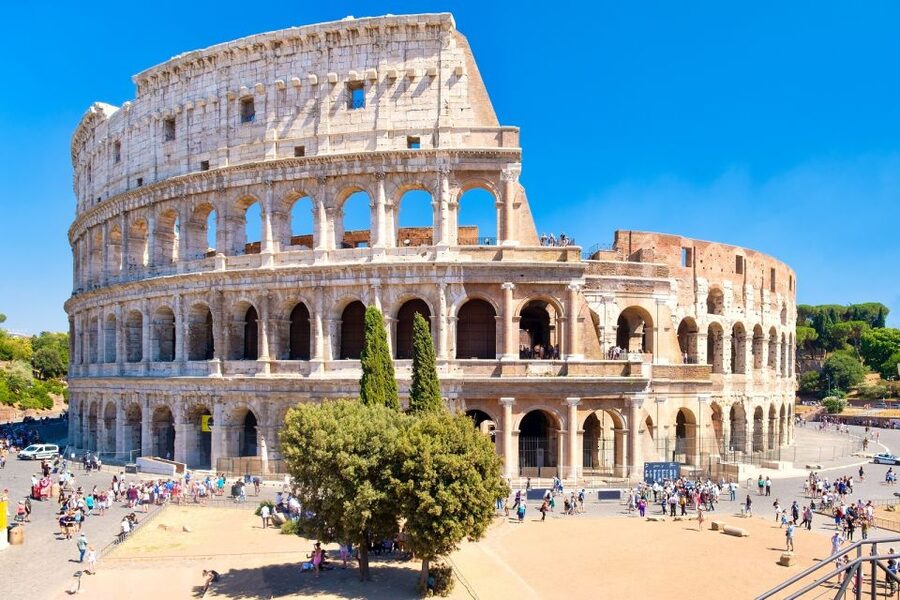
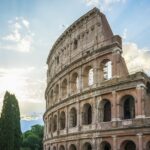
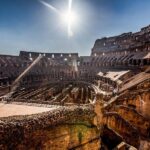
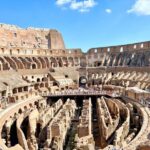
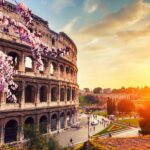
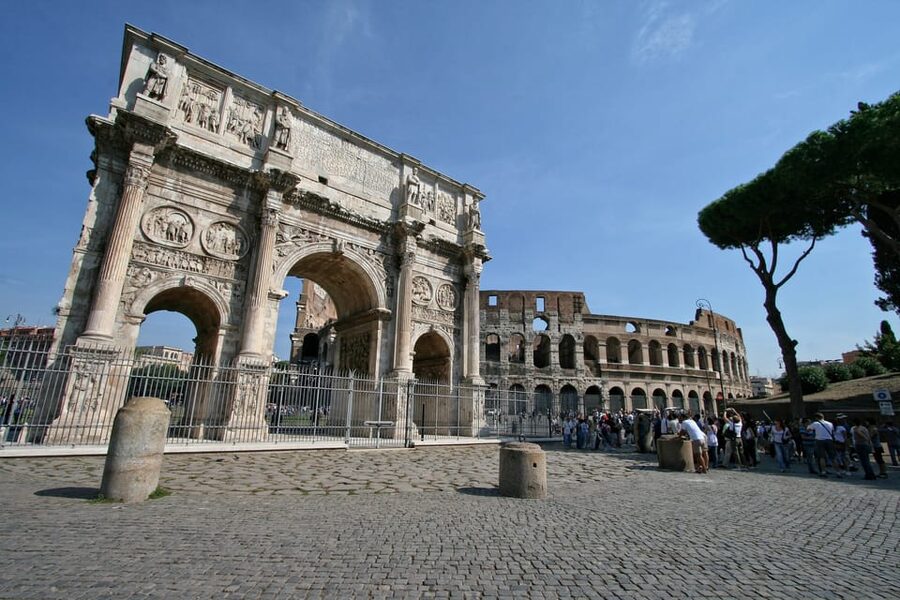
The Colosseum hits you fast. Even before you start really looking, you understand why Romans built it and why it mattered so much. The tour’s value starts here because you’re not spending your precious time circling for the entrance or figuring out how the flow works.
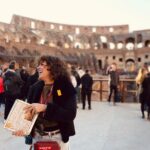
With skip-the-line tickets plus headsets, you can focus on the story instead of craning your neck. Many people find that guides make the seating, entrances, and crowds make sense by turning stone into a working machine. If your guide uses a trick like before-and-after images of Palatine Hill and the Colosseum, that can be especially helpful for seeing what’s been reconstructed and what you’re looking at today.
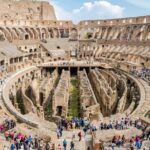
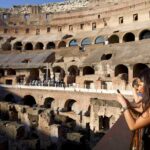
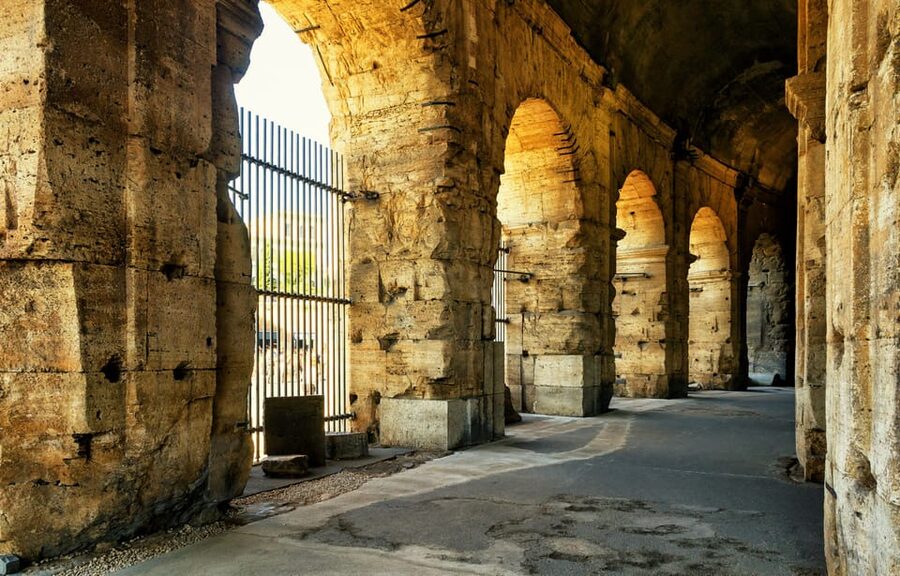
Inside, you’ll spend about 75 minutes in the Colosseum area with guided commentary. Expect a mix of big-picture context and practical pointers for what to notice, including how the arena space shaped the spectacle. If you’ve ever watched a documentary and wondered how the setting actually functioned, this is where the light clicks on.
You can also read our reviews of more tours and experiences in Rome.
A practical note on queues and security
Even with skip-the-line entry, the Colosseum has a metal-detector security check. On peak days, you may still wait in a line for that part. The good news is that the tour is structured so you’re not left standing around wondering what happens next—you’re part of a managed flow.
Roman Forum: where Roman power played out daily
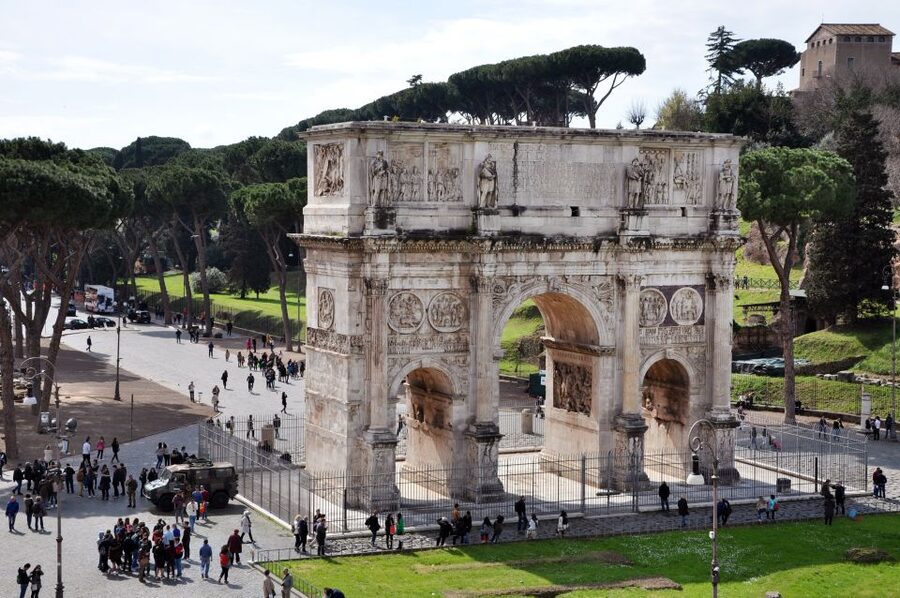
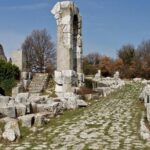
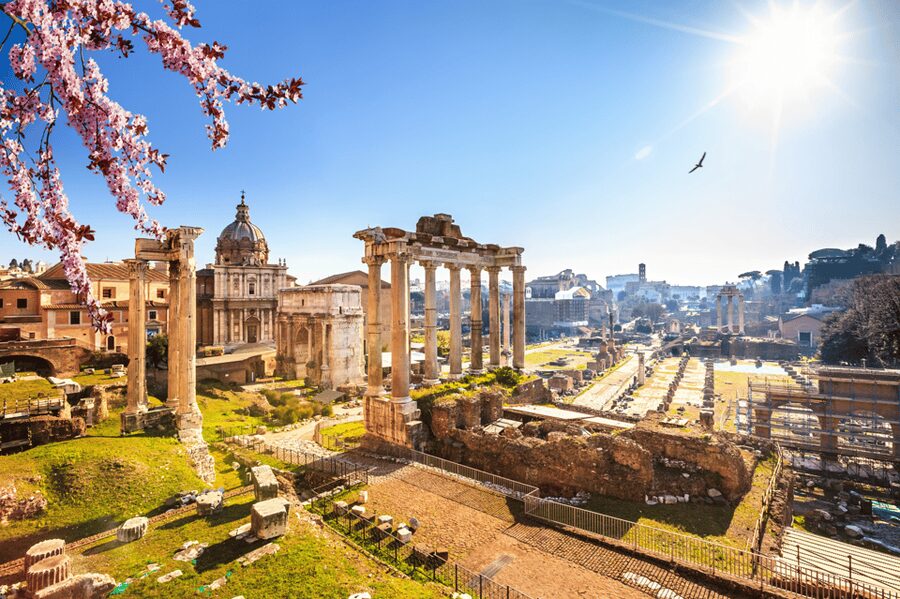
From the Colosseum, the Roman Forum feels like a sudden change in mood. The Forum is not one big intact monument; it’s more like a set of stages—columns here, broken foundations there—where the guide stitches it into one story. If you show up just wanting to see ruins, it can feel scattered. With a guide, it becomes the “why” behind everything.
You get about 45 minutes here, which is a sweet spot. It’s enough time to understand how the Forum worked as the center of politics, public life, and civic theater, without turning into a slow lesson that makes you check your phone.
This is where you’ll hear explanations that help you see the logic of the place: which areas were used for speeches, where gatherings would have happened, and how buildings connected to Roman government and social status. The Roman Forum is one of those sites where “I read about it” turns into “I get it” once someone points out what mattered and why.
What I’d watch for during the Forum part
- Ask your guide to point out the key areas you might otherwise walk past.
- Look for the layout cues the guide mentions—those are often the difference between random stones and a real place.
- Use any small stop-your-feet pauses to take photos, because the Forum doesn’t give you a lot of second chances.
Palatine Hill: imperial views and the “who lived here” factor
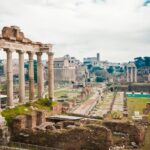
Palatine Hill is famous for a reason. It’s one of those places where the stones don’t just tell you what happened—they also help you picture who wanted to be close to power. The tour spends about 45 minutes here, plus time for the terrace-style panoramic views that help you connect the ruins to modern Rome.
This is also the portion where the tour really leans into “footsteps of rulers.” You’ll wander through areas tied to emperors and the homes of Rome’s elite, and the guide’s job is to translate what you’re seeing into a sense of scale and status. When Palatine Hill is handled well, you stop thinking of ruins as leftovers and start seeing them as real property in a real political system.
Many guests also liked the way guides explain the difference between gladiator myths and how Roman entertainment actually worked. On Palatine, that same myth vs. reality approach can show up in how the guide frames what emperors wanted people to believe.
The payoff: views that make the whole day click
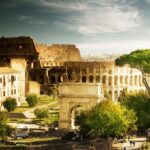
The best part of Palatine Hill is that terrace panorama. It gives your brain a map. After seeing the Colosseum and Forum, you finally understand how these places relate to each other and to the city that grew around them.
If you’re the type who likes to plan your day based on sightlines, this is a smart stop. You’ll get a chance to pause, look out, and let your mental model settle.
The guide experience: headsets, humor, and myth-busting
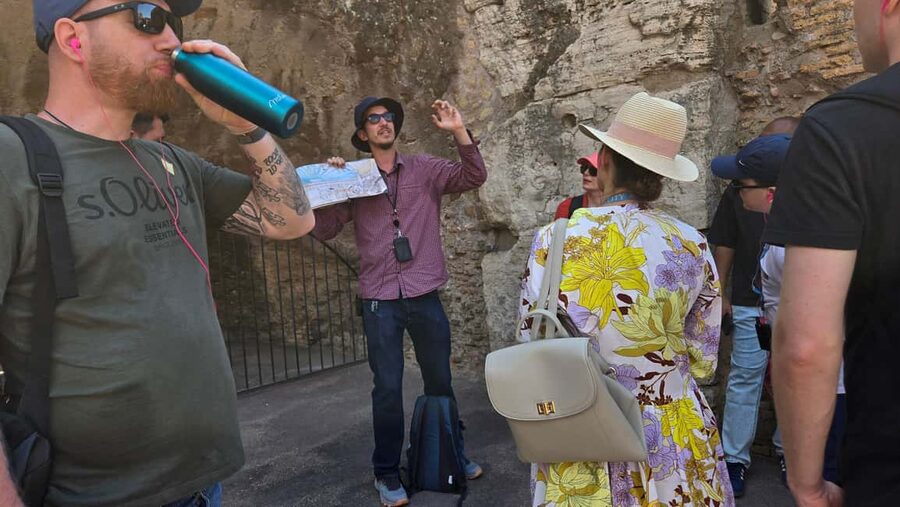
This tour lives or dies on the guide. The good news is that you’re set up to hear them clearly. Headsets matter in Rome—Colosseum echoes and crowd noise can swallow voices fast. With headsets, you’re more likely to follow the story, even when the group moves through tighter spots.
Across past departures, the energy has been consistently upbeat. People have mentioned guides like David, Radu, Frederica, Radu again (yes, he’s popular), and others for mixing humor with clear explanations. Some guides also handled queues in a smart way by keeping the group focused on the explanation while everyone waited their turn.
One small caution: accent can affect comprehension. One guest noted it was harder to follow at times due to an Italian accent. If you’re sensitive to accents, go in with patience—and use the headset mic volume if your device supports it.
Why this matters for value
Paying for a guided tour is really paying for context. The Colosseum and Forum are spectacular, but if you’re standing there reading nothing and hearing nothing, it turns into a checklist. With the guide talking and answering questions, you leave with a mental picture, not just a bunch of photos.
Price and value: what $58 buys you in Rome time
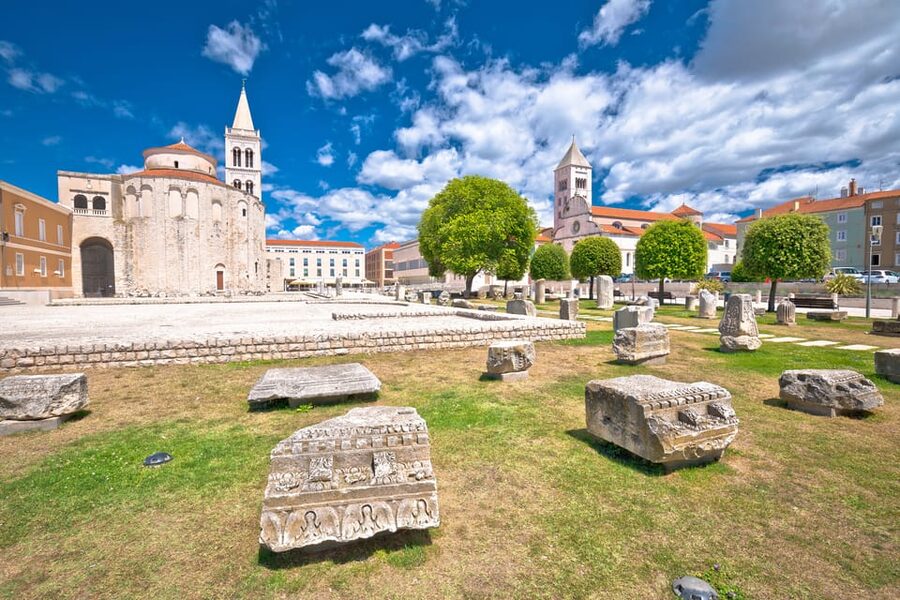
At about $58 per person for a roughly 2.5-hour tour, you’re paying for three things: entry access, a guided flow, and audio support. The entry tickets are included for the Colosseum, Roman Forum, and Palatine Hill, plus the headset setup to hear the guide.
In practical terms, the “value” comes from how much ground you cover in one go. You’re not piecing together separate visits. You’re not losing time waiting for people to find meeting points. And you’re not spending half the day trying to understand what you’re looking at without help.
The one thing to keep in mind is that this is still a security-and-crowd environment. So while skip-the-line reduces some waiting, it doesn’t erase the reality of busy Rome. The tour still tends to feel efficient because it’s guided and structured, not because it’s magically empty.
Logistics that can make or break your day
This tour is generally straightforward, but a few details are worth respecting:
Meeting point can vary
The exact meeting point may change based on the option you book. One listed starting address option is L.go Gaetana Agnesi, 5. If you arrive late, you may lose time trying to locate your group—one guest even recommended arriving about 20 minutes early to get your bearings fast.
Drop-off locations include the Forum area
At the end, drop-off may be at Roman Forum, Via della Salara Vecchia, 5 (among other options). So it’s a good plan to keep your next activity fairly flexible.
The visit order can change
While the typical flow is Colosseum first, then Palatine Hill, then Roman Forum, the order can switch. On some days, you might visit Roman Forum and Palatine Hill before the Colosseum. Don’t panic if you see the order flip on your day—it’s common with timed entries and crowd management.
If tickets don’t line up for single entry, the group format changes
There’s also a backup plan: if single tickets aren’t available, you may enter Colosseum and Roman Forum together with the group. The staff at the meeting point will tell you if that happens.
Who should book this Colosseum, Forum, and Palatine walking tour?
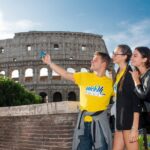
I think this tour is a great match if you want a high-impact Roman experience without wandering around clueless. You’ll like it if you enjoy a guide who mixes stories, facts, and humor, and if you’re happy spending about 2.5 hours on your feet.
It may not be the best fit if you have mobility issues. The tour is not suitable for wheelchair users, and it’s also listed as not suitable for people with mobility impairments. The sites themselves involve uneven ancient terrain, and a walking format is part of the deal.
What to bring
- A passport or ID card
- Comfortable shoes
That’s it for the essentials. The Colosseum area also has rules for what you can’t carry.
What not to bring
No weapons or sharp objects, no luggage or large bags, no drones, no selfie sticks, and no alcohol or drugs. Aerosols/sprays and glass objects are also not allowed. If you’re coming from a day trip or shopping, travel light.
Should you book it or DIY?
Book this tour if you want the best version of Rome’s biggest sites in one shot. The included tickets, skip-the-line setup, and headsets make it feel like you’re buying time and clarity, not just admission. And if you want your questions answered—especially about gladiators and how the spectacle worked—this guide-led format is the point.
Skip it if you’re the kind of traveler who enjoys reading slowly on your own and you don’t care about an organized route. DIY can work, but you’ll spend more mental effort figuring out what matters where, and more time without the “why.”
If you do book, pick a time slot that suits your energy, arrive early enough to find your group, and expect security checks even with skip-the-line tickets. Then relax and let the guide do the heavy lifting—this is exactly the kind of Rome day that benefits from a good storyteller.
FAQ
How long is the Rome Colosseum and Ancient Rome guided walking tour?
The tour lasts about 2.5 hours.
How much does the tour cost?
The price is listed as $58 per person.
Is entry to the Colosseum, Roman Forum, and Palatine Hill included?
Yes. Entry tickets for the Colosseum, Roman Forum, and Palatine Hill are included.
Does the tour include skip-the-line access?
Yes. Skip-the-line tickets are included, but you still need to pass security checks at the Colosseum.
What languages are the live guides available in?
The live guide is offered in Spanish, English, German, and French.
Will I need to go through security at the Colosseum?
Yes. To enter the Colosseum you must pass a metal detector security check. On busy days, there may be a queue for security.
Is this tour wheelchair accessible?
No. It is not suitable for wheelchair users and people with mobility impairments.
What should I bring, and what isn’t allowed?
Bring a passport or ID card and wear comfortable shoes. Not allowed includes weapons/sharp objects, luggage or large bags, drones, selfie sticks, alcohol/drugs, sprays/aerosols, and glass objects.
What is the cancellation policy?
You can cancel up to 24 hours in advance for a 50% refund.