REVIEW · ROME
Colosseum Arena Private Tour With Ancient City of Rome
Book on Viator →Operated by Travcus · Bookable on Viator
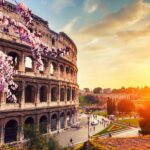
Rome’s theater still feels like a live show. This private tour focuses on the parts you usually miss, especially the Gladiator’s Gate entrance and the arena floor access. You’ll pair stunning architecture with stories that make ancient violence and politics feel disturbingly real.
I love the private group-only format, because the guide can slow down or speed up to match your questions. I also like that the route ties the Colosseum to daily power in the Roman world, with a Roman Forum overlook and time on Palatine Hill.
One consideration: this tour is strict about identity. You must provide full names when booking and bring a valid ID or passport that matches, or entry to the Colosseum and Roman Forum can be denied.
In This Review
- Key things that make this tour worth your time
- Gladiator’s Gate to the arena floor: the moment you’ll remember
- Inside the Colosseum: first-floor views and fight stories that hit hard
- Palatine Hill: the power center behind the spectacle
- Roman Forum: making sense of the city’s main stage
- Timing, pacing, and what private really means here
- Tickets and value: what’s actually included
- Practical tips for a smoother Colosseum-and-Forum day
- Who this tour suits best
- Should you book the Colosseum Arena Private Tour with Ancient Rome?
- FAQ
- FAQ
- How long is the Colosseum Arena Private Tour?
- Is this tour private or shared with other groups?
- What language is the tour offered in?
- What sites are included in the itinerary?
- Is admission included, and do you get arena access?
- Where does the tour start and end?
- Do I need a passport or ID for entry?
- What if I do not include all travelers’ full names when booking?
- Is hotel pickup or drop-off included?
- Can I cancel and get a refund?
Key things that make this tour worth your time
- Gladiator’s Gate entry: You’re sent through a special route, not the regular tourist entrance.
- Arena floor access: You get onto the ground where fights actually played out.
- Story-first guiding: Expect detailed, scene-setting narration, not just dates and facts.
- Forum connection: You don’t leave the Colosseum as an isolated monument.
- Private pace: Your group tours with a guide only for you, which usually means fewer waiting moments.
Gladiator’s Gate to the arena floor: the moment you’ll remember
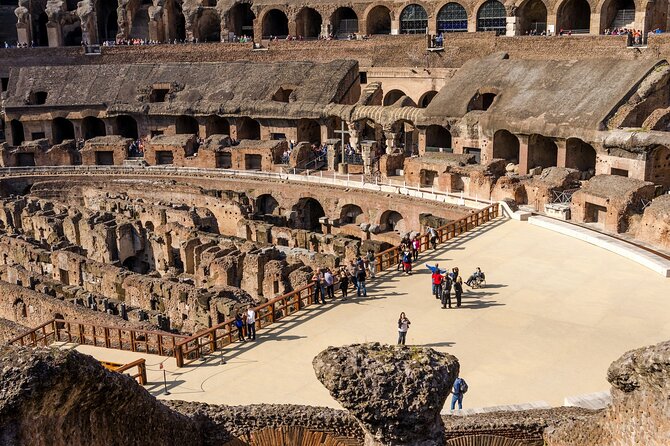
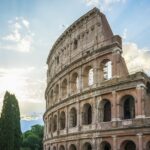
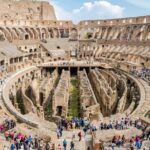
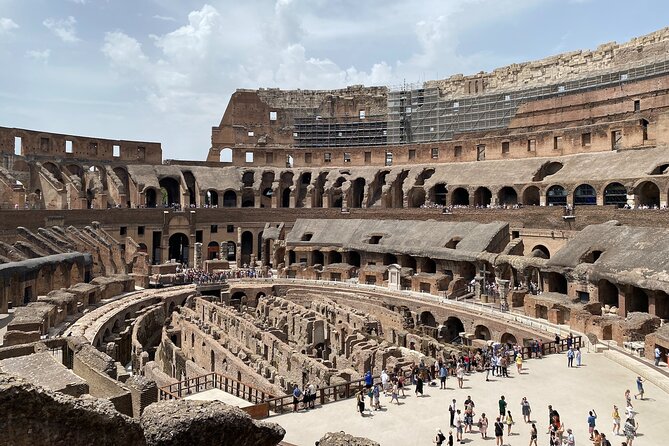
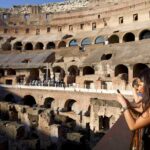
The big draw here is simple: you don’t just stand outside the Colosseum and look in. You enter through the Gladiator’s Gate and move quickly into the amphitheater, then step onto the arena floor itself. That change in viewpoint matters. From the stands, the Colosseum is an icon. From the arena, it feels like a working space where something could happen any minute.
This approach also helps with the time crunch. The description notes you bypass long lines at the general entrance, which is a big deal in peak season. You’ll spend more of your tour inside, and less of it stuck in the kind of queue where your mind goes numb and your feet get angry.
Expect the guide to frame what you’re seeing in clear, story-driven scenes. You’ll hear how the arena functioned and what spectators would have experienced. Even if you know the basics of Roman gladiators, walking the same zone they did gives you better mental pictures. It’s like moving from a museum label to the actual room.
Practical note: this is a walking tour with moderate physical fitness required. Arena-floor access does not mean it’s a casual stroll. Plan for uneven surfaces and the normal crowd flow inside a major historic site.
You can also read our reviews of more tours and experiences in Rome.
Inside the Colosseum: first-floor views and fight stories that hit hard
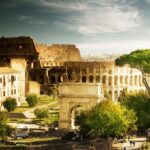
After you’re inside, the tour keeps pushing past the standard “look at the arches” approach. You’ll explore not only the arena area but also the first floor, plus a Roman Forum overlook as part of the experience. That overlook is useful because the Colosseum sits in a larger political and urban story. Seeing the city context helps your brain connect spectacle with power.
Here’s what I’d watch for during the storytelling. The description promises vivid accounts of fights and deaths dating back thousands of years. That can sound heavy, but done well it makes Roman history feel concrete instead of distant. You’ll likely hear about how entertainment, status, and public life were tied together. It’s not just brutality for shock value; it’s part of how Rome organized attention and authority.
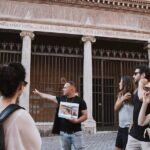
I also appreciate that the guide is described as expert and as a storyteller. That’s the difference between a tour that lists features and one that helps you picture the original experience. When the guide points out a detail and then explains what it meant to people watching from specific angles, the building stops being a postcard and becomes a scene.
If you’re the type who likes to understand how a place worked, this section is where you’ll feel it most. You’ll probably come away with a mental map: where people stood, what the arena layout implied, and why the Colosseum design served its purpose so well.
Palatine Hill: the power center behind the spectacle
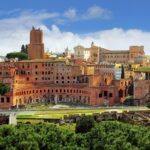
Once you leave the Colosseum, the tour shifts from spectacle to governance and status. The next step is Palatine Hill, where the ruins help you understand the broader shape of Imperial Rome. Palatine Hill is where the stories stop being only about games and start being about who ran the empire and how they wanted to be seen.
This is where you’ll benefit from the guide’s approach. The description says you’ll use vivid stories and fascinating anecdotes so you can picture the golden era of Roman civilization. That kind of narration matters on ruins. Without it, you’re just looking at scattered stone. With it, you start placing buildings in your mind and imagining daily life, not just big political moments.
The route and timing also suggest a realistic pace. You have about 45 minutes on this section. That’s long enough to build a sense of place, but short enough that you won’t feel dragged through every single corner. You’ll likely spend time moving between viewpoints and seeing how the hill relates to the Forum area.
A minor drawback for some people: Palatine Hill can feel more like “ruins with context” than “must-see photo points.” If you mainly want the cleanest, busiest postcard angles, this stop could feel slower. But if you want the why behind Rome’s show business, this is one of the best ways to get it.
Roman Forum: making sense of the city’s main stage
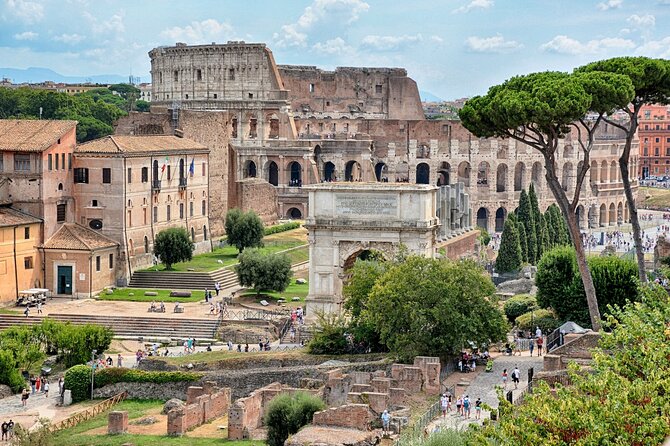
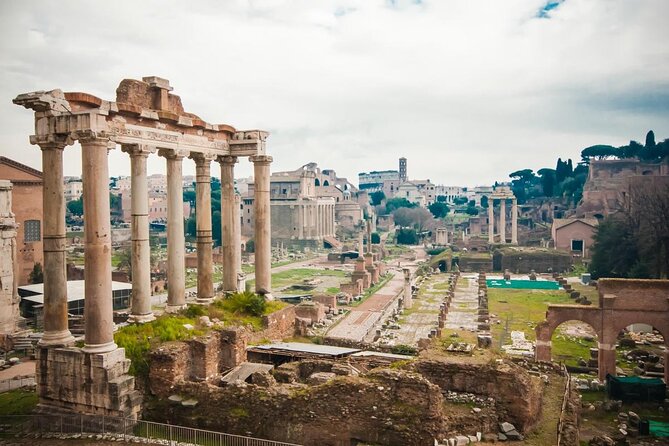
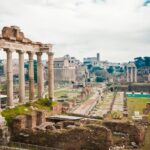
The final stop is the Roman Forum, described as part of the broader Imperial Rome story. You’ll spend around 30 minutes here, which is enough time to get oriented, not enough time to lose your energy to exhaustion.
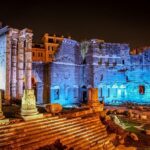
The Forum is where you start reading Rome as a living machine. It’s not just one building; it’s a whole space built for public movement and public messaging. After the Colosseum’s raw drama, the Forum helps explain the political engine behind it. You begin to connect the spectacle of crowds with the decisions made by powerful men and institutions.
The description also notes that the guide helps the ruins transform into an easier-to-see past. That’s exactly what you want at the Forum: help translating stone layouts into real usage. Think about how people walked, gathered, and argued. Even if your Roman history is basic, a good guide turns the Forum from a blur of rocks into a place with logic.
One practical tip: the Forum area can be busy and weather can hit quickly. Since this tour is mostly outdoors between stops, bring water and dress for sun or sudden cloud cover. The tour is about 2 hours 30 minutes total, so you don’t have a lot of time to recover from poor clothing choices.
Timing, pacing, and what private really means here
This experience runs about 2 hours 30 minutes. That’s a smart length for Rome, where you can easily burn a half day just getting from site to site. Here you get a concentrated route: Colosseum focus first, then Palatine Hill, then the Roman Forum.
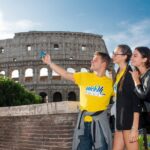
The private part matters more than you might expect. Because it’s for your group only, you’re not stuck merging with a big herd every time the guide stops to explain something. It usually means fewer awkward pauses and more coherent storytelling, since the guide can keep your group together at the right speed.
You’ll also want to plan for the entry process. The Colosseum and Forum have ticket and name checks, and the description is explicit about identity matching. If your group includes multiple nationalities or different spellings of names on IDs, double-check details before the day of your tour.
The tour is offered in English and confirmation is received at booking. It also notes it’s near public transportation, so if you’re not using a taxi, you can get there without turning your day into logistics homework.
Finally, keep expectations realistic. This is not a slow, sit-down museum visit. It’s guided walking through major sites, timed to keep things moving. If you have limited stamina, you might find the combination of Colosseum movement plus hills around Palatine a bit much.
Tickets and value: what’s actually included
Here’s the value math that makes this tour feel different from “basic” Colosseum options.
You get Colosseum admission with arena access, plus entry tickets for Palatine Hill and the Roman Forum. The Colosseum entrance ticket with arena access is noted as valued at €24 per person, and there’s also a Colosseum reservation fee valued at €2 per person. That matters because arena access isn’t free on its own, and reservation systems add cost even when you buy tickets separately.
So what are you paying for with the rest of the price? The experience fee covers the guide and the services that connect everything into a smooth route—especially the special entry path through the Gladiator’s Gate and the timed sequence that gets you from arena to hill to Forum.
What’s not included: hotel pickup/drop-off. That’s common for tours here, but it’s still worth planning. You’ll meet at P.za del Colosseo, 23, 00184 Roma RM, Italy, and the tour ends back at that meeting point.
If you like clean value, this tour fits because the ticket component is meaningful, and the “arena floor access + private guidance” is the part that actually changes the experience.
Practical tips for a smoother Colosseum-and-Forum day
A few things will help you avoid stress.
Bring the right ID and names. The tour requires full names when booking and a valid passport or ID document that matches those names. If you don’t match what’s on the voucher at the ticket office, entry may be denied. So check spelling carefully. Yes, it’s annoying. It’s also the difference between a great day and a cancelled one.
Wear real walking shoes. You’ll be moving through multiple large sites with stairs and uneven areas. Even if you’re generally fine on your feet, Rome ruins can be a little unforgiving.
Expect sun and time outdoors. Colosseum, Palatine, and the Forum are not indoor galleries. Dress for weather and bring a small water bottle if you’re allowed to carry it.
Get to the meeting point with buffer time. The tour starts at P.za del Colosseo, 23 and ends there too, so the logistics are simple. Still, build a cushion for crowds and security lines.
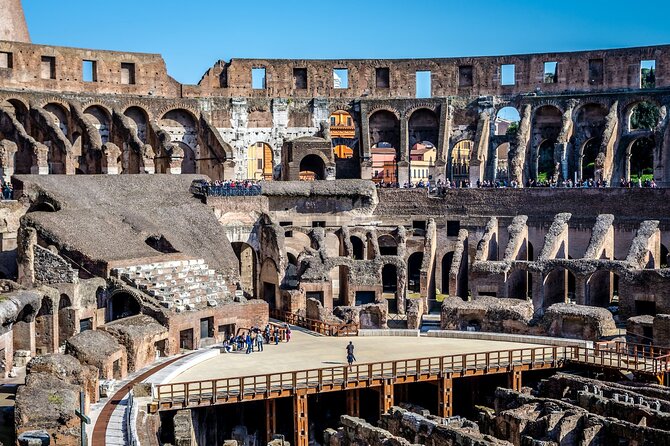
If you care about photos, plan your angle. Arena-floor access gives you a different perspective than most tourists get. You’ll likely want a moment to look up at the tiers and then look straight across the arena space. Don’t rush those moments; they’re the whole point.
Who this tour suits best
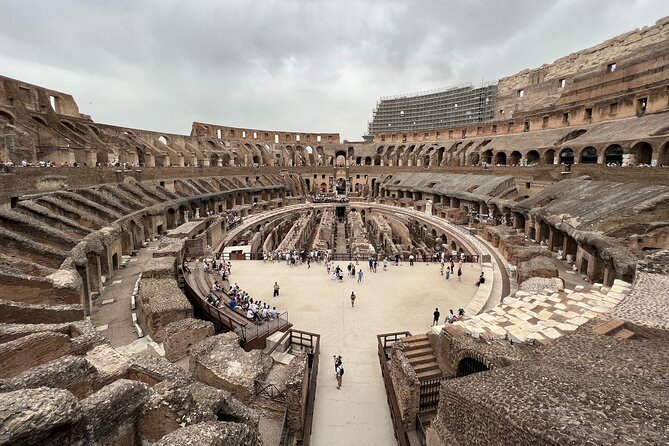
This is a strong fit if you want the Colosseum to feel real, not just famous. Arena floor access is the kind of upgrade that changes your brain’s experience of the site. If you’re the history type who also likes stories, this tour’s approach should land well.
It also works well for:
- Small groups or friend groups that want a private pace
- People who want the Colosseum connected to the broader Roman world through Palatine and the Forum
- Anyone who likes guided interpretation rather than self-guided wandering
If you only want a quick photo stop and minimal walking, you might find the route heavier than you want. But for most travelers looking for depth in a short window, this route makes sense.
Should you book the Colosseum Arena Private Tour with Ancient Rome?
If your priority is seeing the arena floor and you’d rather spend time with a guide than figure out the sites on your own, I’d book it. The private format plus arena access is the core value, and the route wisely ties the Colosseum to Palatine Hill and the Roman Forum, so it doesn’t feel like three disconnected stops.
I’d be careful before booking only if your group has name/ID mismatches or you know you struggle with steady walking over multiple major ruins sites. If you can handle the ID details and you’re comfortable on your feet, this is one of the most practical ways to get beyond the standard Colosseum experience.
FAQ
FAQ
How long is the Colosseum Arena Private Tour?
It runs about 2 hours 30 minutes (approx.).
Is this tour private or shared with other groups?
It is private. Only your group participates with the guide.
What language is the tour offered in?
The tour is offered in English.
What sites are included in the itinerary?
You visit the Colosseum, Palatine Hill, and the Roman Forum.
Is admission included, and do you get arena access?
Yes. Colosseum entry is included with arena access, along with admission for Palatine Hill and the Roman Forum.
Where does the tour start and end?
It starts at P.za del Colosseo, 23, 00184 Roma RM, Italy and ends back at the same meeting point.
Do I need a passport or ID for entry?
Yes. Each traveler must present a valid passport or ID document that matches the name provided at booking for entry to the Colosseum and Roman Forum.
What if I do not include all travelers’ full names when booking?
You should provide the full names of all travelers when booking. If a voucher with all travelers’ full names is not presented at the ticket office prior to entry, entry may be denied.
Is hotel pickup or drop-off included?
No. Hotel pickup/drop-off is not included.
Can I cancel and get a refund?
You can cancel up to 7 days in advance for a full refund. If you cancel less than 7 days before the experience, the amount paid is not refunded.