REVIEW · ROME
Rome: Colosseum and Ancient Rome Small Group Guided Tour
Book on GetYourGuide →Operated by The Ultimate Italy · Bookable on GetYourGuide
Big crowds vanish when you have context. This small-group tour turns the Colosseum and the Roman Forum into a clear, story-driven walk through Rome’s power, violence, and engineering, all in about 2.5 hours. You start at Via dei Fori Imperiali, then move straight into the sights people line up for.
I especially love the combo of professional guidance plus headsets, so you don’t miss details even if the group gets close to the action. I also like how your guide connects the Colosseum’s design and construction ideas with what happened inside—gladiators, animal fights, and the political messages wrapped around the games.
One thing to plan for: mandatory security checks can add real waiting time, and the tour has strict timing, so you’ll want to arrive early and stay alert to start on schedule.
In This Review
- Key things I’d focus on
- Why this tour works: stories plus structure, not just sightseeing
- Colosseum logistics that matter more than you think
- Entering the Colosseum: engineering, spectacle, and propaganda
- The construction details you can actually use
- Gladiator rooms and spectator seating: why the order of stops helps
- Roman Forum: Rome’s downtown, explained with practical context
- Palatine Hill viewpoints: quick, dramatic, and time-efficient
- Pacing and what you’ll actually be doing for 2.5 hours
- Value check: is $63 a good deal here?
- What to bring (and what to leave at home)
- Who this tour suits best
- Should you book this Colosseum and Roman Forum tour?
- FAQ
- How long is the Rome Colosseum and Ancient Rome small group tour?
- What do I see during the tour?
- Is a guide included, and do I need to hear explanations clearly?
- What’s included in the ticket price?
- What should I bring for entry?
- What time should I arrive at the meeting point?
- Is food or drinks included?
- Are there restrictions on what I can bring?
- Is the tour suitable for wheelchair users?
Key things I’d focus on
- Small-group feel: you get more back-and-forth than the big-bus chaos around Rome’s top sights
- Headsets included: clearer explanations, even in noisy crowds
- Colosseum storytelling: gladiator preparation areas, spectator seating, and event details explained
- Roman Forum + Palatine Hill time: 1 hour in the heart of ancient Rome, with stops designed for understanding and photos
- UNESCO site access: guided walking through a monument dating back to 72 A.D.
- Photo-friendly guidance: your guide points out where to capture better angles while you’re moving
Why this tour works: stories plus structure, not just sightseeing
Rome’s most famous ruins can feel like a blur if you wander on your own. With this tour, I like that you don’t just look at stone—you learn what the stone was built to do. The pacing is tight, but the guide keeps the big ideas organized: games, politics, and Roman engineering.
Because it’s a small-group experience, you also get a better sense of scale. You can actually picture the spaces and imagine foot traffic the way it might have looked on game day.
You can also read our reviews of more tours and experiences in Rome.
Colosseum logistics that matter more than you think
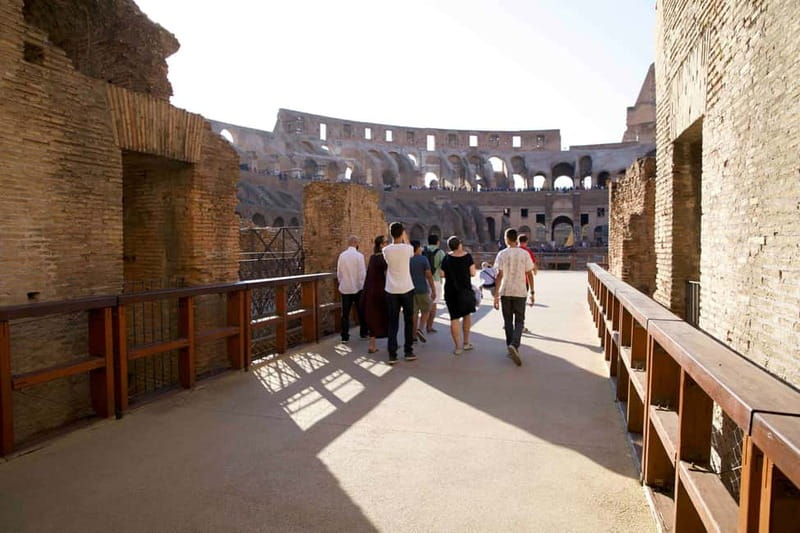
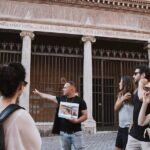
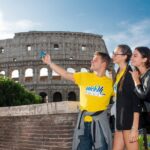
You meet at Via dei Fori Imperiali, 25 (00186 Rome), in front of the Tourist Information Point. Coordinators wear The Ultimate Italy t-shirts, which makes it easy to spot your group before you get swallowed by the forum-area crowd.
Plan to check in at least 30 minutes early. This is one of those Rome realities: the earlier you arrive, the fewer chances you’ll be rushing through security or trying to find the exact right corner while you’re already stressed.
Also, have your passport or ID card ready. An official ID is required for every participant entering the monument, and the names you booked with must match the ID you present. If anything doesn’t match, security staff can deny entry—no argument, no do-over.
Entering the Colosseum: engineering, spectacle, and propaganda
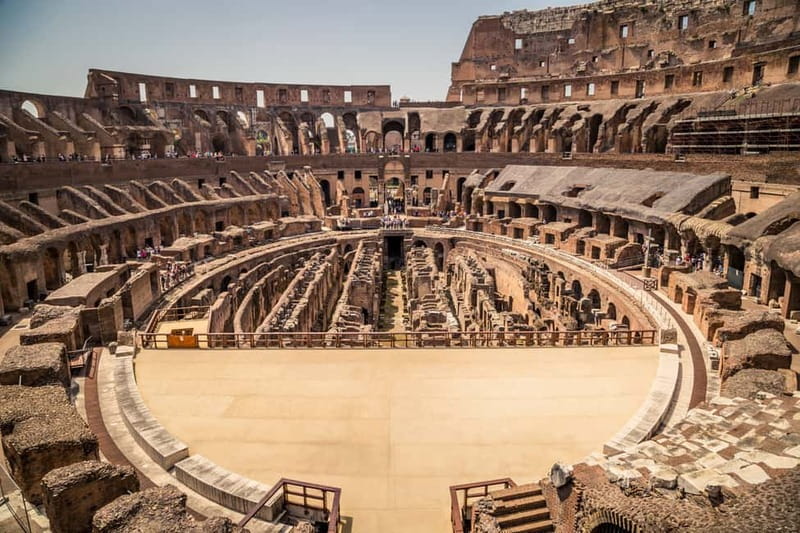
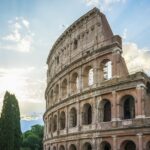
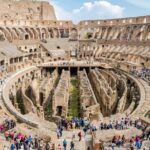
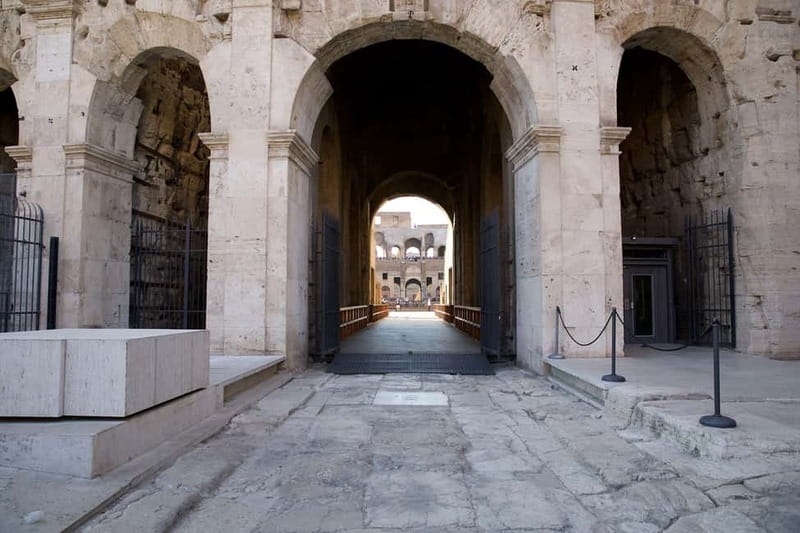
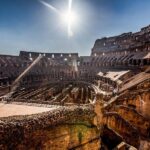
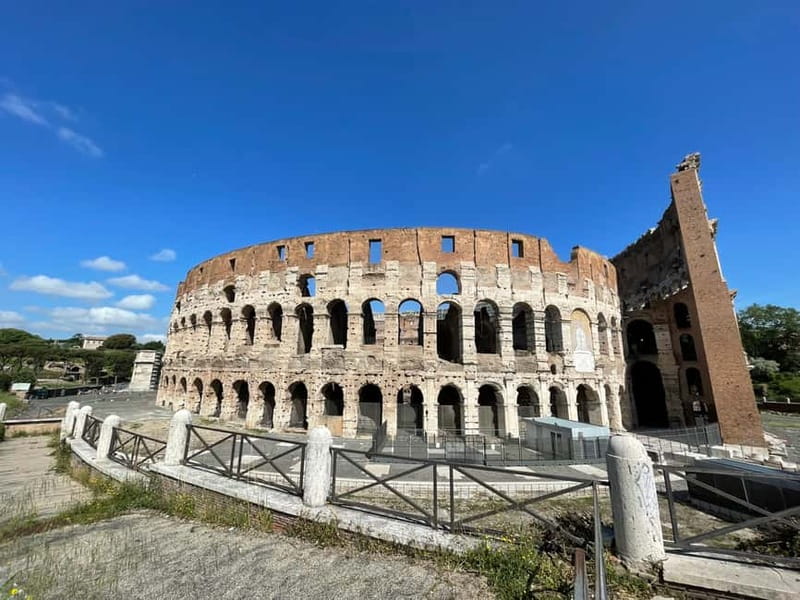
Once you’re inside, you’ll get a guided tour that lasts about 1 hour in the Colosseum itself. The guide frames the Colosseum as a machine for spectacle: it was built for crowds, and the design supported the kinds of events Romans came to watch.
Your guide walks you through the spaces that help you visualize the games. You’ll hear about gladiators, including where they prepared for battle, and you’ll get pointed descriptions of the seats where spectators watched. Even if you’ve read about gladiators before, the way this tour explains the flow of people and action makes the site feel more real.
Then the story turns darker in a very Roman way. You’ll learn about bloody battles between gladiators and violent exotic animal fights. The guide doesn’t just list events—they help you picture what it would have meant for the crowd in the moment.
Just as important, the tour includes the political layer. You’ll hear about the political propaganda connected to the games and the Emperor’s desire for glory. This is where a guide really matters, because it explains why the Colosseum wasn’t only entertainment—it was messaging.
The construction details you can actually use
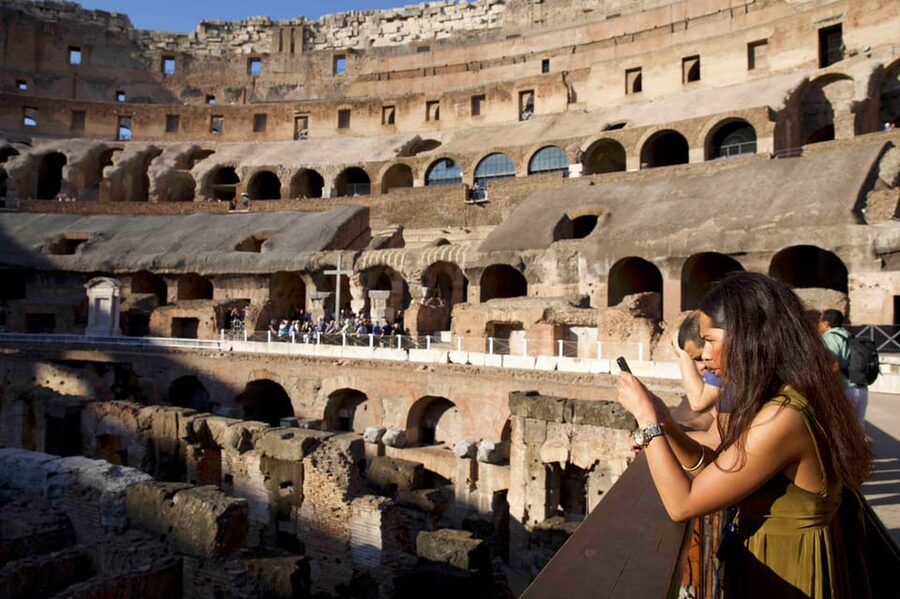
One of my favorite parts of a good Colosseum tour is when the guide slows down enough to explain how the building works. This experience focuses on the construction techniques the ancient Romans invented and used to build the Colosseum.
You might find yourself looking at things you’d normally skip: how structures were planned, and how the design allowed the venue to handle crowds and staged events. Even without being a history major, those explanations help you understand what you’re seeing instead of just admiring it.
Because the tour is time-limited, your guide has to pick the most meaningful points. That’s a good thing for your visit: you get the highlights that create a mental map.
Gladiator rooms and spectator seating: why the order of stops helps
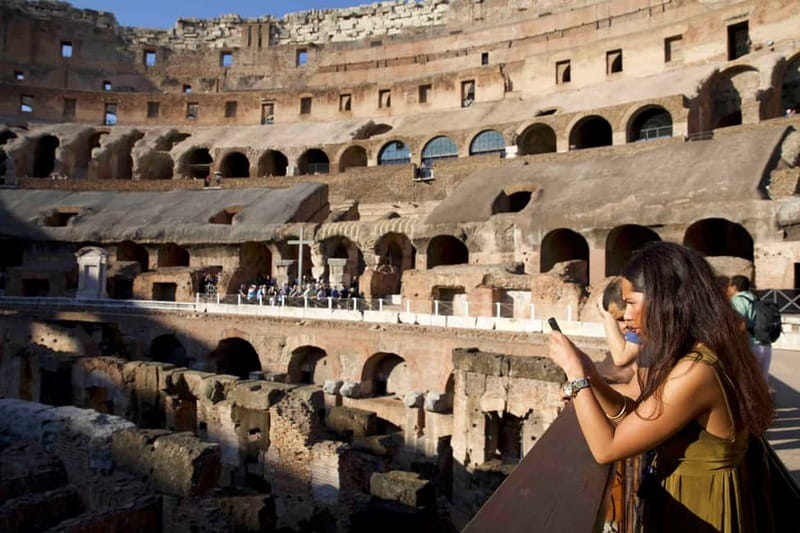
The tour sequence matters. You’re led through the areas where gladiators prepared and then toward the spectator side. That order helps you connect the two halves of the story: what the fighters needed before the fight, and what the crowd expected to see.
When you combine that with the talk about exotic animal fights, you start to understand the Colosseum as a full production, not just a random arena. The guide’s tales are built to help you imagine the energy of the day—what Romans came for, and how it likely felt from different sides.
If you’re a visual learner, this is a big advantage. Standing in the right spot while someone explains the purpose of that space makes the ruins far easier to read.
Roman Forum: Rome’s downtown, explained with practical context
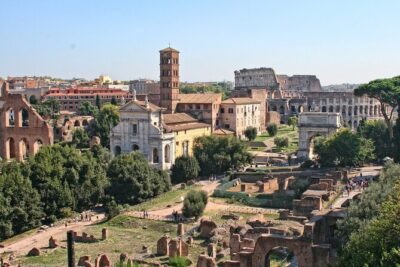
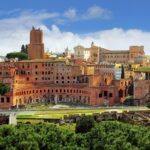
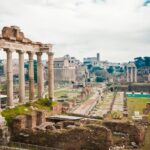
After your Colosseum portion, you head toward the Roman Forum with another guided stop that lasts about 1 hour. The guide frames the Forum as the downtown of ancient Rome—the political, economical, and religious center.
That’s useful because it gives you categories. Instead of seeing scattered ruins, you’re learning what kinds of roles they played in everyday Roman life. You’ll also learn about what Romans enjoyed most, which helps you connect the Forum to the broader world you just saw at the Colosseum.
The tour also includes highlights tied to status and power. You’ll spend time where the imperial story shows up, including the idea of an imperial palace area and the sort of views people came for. Your guide will point out spots designed for pictures, so you’re not just walking while trying to guess angles.
One practical upside: this segment is structured enough that you’re less likely to get lost or stuck thinking, What am I looking at?
Palatine Hill viewpoints: quick, dramatic, and time-efficient
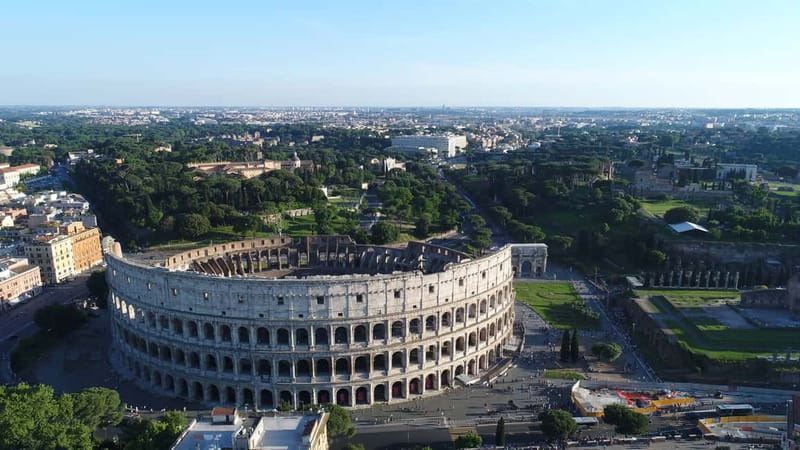
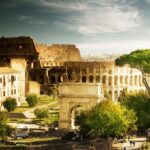
Your Forum time is tied to the broader ancient center, including Palatine Hill viewpoints. You don’t get endless wandering, which is good when you have a 2.5-hour total window.
The guide uses these elevated perspectives to give you a sense of how Rome “stacks up” visually. Even short view moments can make the history stick because you can relate the ruins to the city around them.
If you care about photos, the “best places to capture that perfect picture” guidance helps. In the Forum area, small turns change the entire composition, and having someone point you to the right angles saves time.
Pacing and what you’ll actually be doing for 2.5 hours
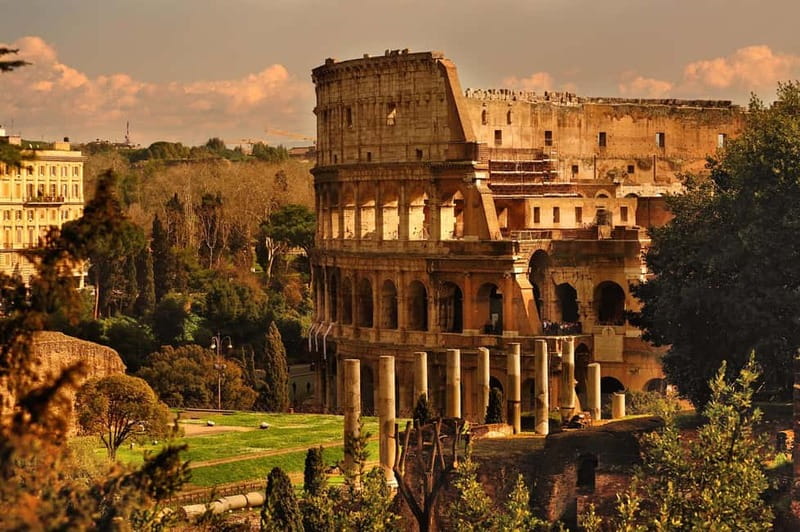
The whole tour runs about 2.5 hours, with short walks between the main stops. Expect roughly 15 minutes on foot between key areas, plus time to settle into the guided sections.
That pacing is ideal if you want the big headline experiences without losing half the day to logistics. You’re also getting headsets, which matters when crowds get loud and you want to hear every story beat clearly.
The tradeoff is also real: this is not a slow archaeological day. If you want to read every plaque and linger for long periods, you might feel a bit time-pressed. But if you want the Colosseum and Forum explained in a tight, efficient route, the schedule fits.
Value check: is $63 a good deal here?
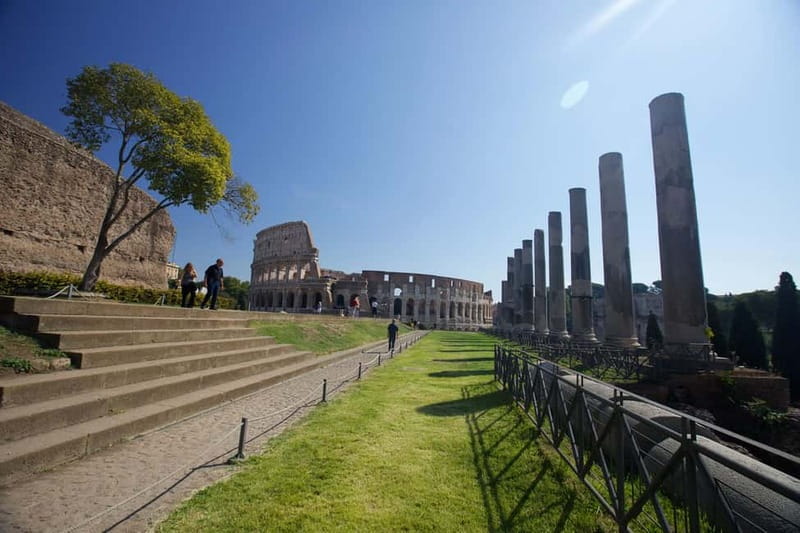
At $63 per person, you’re paying for more than entry into major UNESCO-listed spaces. You get a professional guide, headsets, and included admission tickets. You also save time by following a route that’s designed to keep the story coherent instead of bouncing around on your own.
Where you get your money’s worth is in the interpretation. The Colosseum is too big and too famous to “figure out” fast without context, and the Forum has enough layout complexity that a guide helps you avoid wasting your limited time.
What’s not included is straightforward: food and drinks, plus pickup/drop-off. That means you should plan to arrive ready to walk and handle your own water/snacks.
Overall, if you like understanding what you’re seeing—gladiators, Roman engineering, and the political spin behind the spectacle—this price looks reasonable for a short guided day.
What to bring (and what to leave at home)
Bring your passport or ID card. Wear comfortable shoes, because you’ll be walking on-site and moving through uneven historic areas.
Leave the bulky stuff behind. The tour does not allow pets, luggage or large bags, backpacks, or unaccompanied minors. This matters because it affects what you can safely carry through security and into the monument.
If you’re traveling with a bag you normally use in Rome, consider switching to something smaller on tour days. It can make your life easier when security rules are strict.
Who this tour suits best
This experience is a good match if you want a structured, narrative walk through two of Rome’s biggest sites in one morning/afternoon-style block.
It works especially well for people who like:
- learning how the Colosseum’s spaces connect to gladiator prep and spectator viewing
- understanding the political messaging tied to the games and the Emperor’s goals
- getting a guided orientation in the Roman Forum’s political/economic/religious role
It may not be a fit if you need wheelchair access or have mobility impairments. The tour is listed as not suitable for wheelchair users, and the on-foot nature is part of the design.
Should you book this Colosseum and Roman Forum tour?
If your goal is to get a high-impact visit with clear explanations, I’d book it. The combination of headsets, a professional guide, and focused time at both the Colosseum and the Forum is built for people who want meaning, not just monuments.
I’d think twice if security lines and strict timing make you nervous, because entry checks can add delay and the tour has set timing requirements. If you’re the kind of traveler who shows up late, you’ll feel it here.
FAQ
FAQ
How long is the Rome Colosseum and Ancient Rome small group tour?
The tour lasts about 2.5 hours.
What do I see during the tour?
You get a guided visit of the Colosseum and a guided walk through the Roman Forum and Palatine Hill area for about 1 hour.
Is a guide included, and do I need to hear explanations clearly?
Yes. A professional live guide is included, and you also receive headsets so you can hear the guide clearly.
What’s included in the ticket price?
The price includes the professional guide, headsets, all taxes and fees, and admission tickets for the locations.
What should I bring for entry?
You must bring an ID document (passport or ID card). An official ID is required for each participant to enter the monument.
What time should I arrive at the meeting point?
You need to be at the meeting point for check-in at least 30 minutes before the tour departure time.
Is food or drinks included?
No. Food and drinks are not included.
Are there restrictions on what I can bring?
Yes. Pets are not allowed, and you cannot bring luggage or large bags, backpacks, or unaccompanied minors.
Is the tour suitable for wheelchair users?
No. It is listed as not suitable for people with mobility impairments and wheelchair users.