REVIEW · ATHENS
Biblical Corinth: St. Paul and His Letters to the Corinthians
Book on Viator →Operated by My Athens Transfers · Bookable on Viator
Mars Hill without the rush. This private Athens-to-Corinth trip connects St. Paul’s letters to the actual places you’ll stand, and the private format keeps your day from feeling like a factory line.
I like that you’re not glued to a stopwatch—if you want extra time at one site, you usually get it.
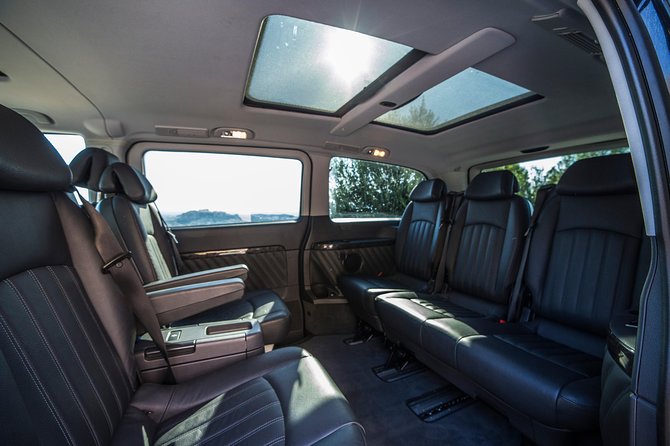
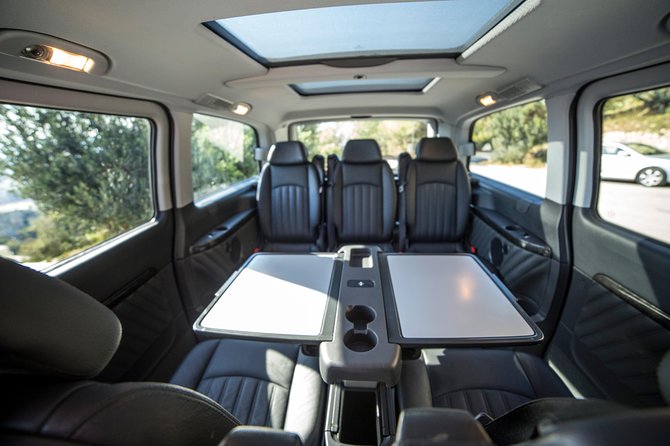
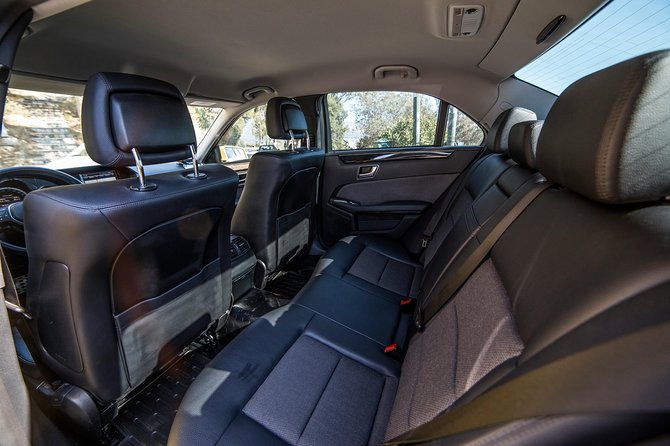
I also really appreciate the practical comfort perks. You travel in an air-conditioned car with onboard Wi‑Fi, bottled water, and a real lunch option in Corinth (Greek traditional food if you pick that add-on). It makes a long day easier on both feet and patience.
One thing to watch: you do not automatically get a licensed guide walking inside the archaeological sites. Drivers are history-minded and can explain what you’re seeing, but they won’t accompany you into ruins; that’s an optional add-on, and it can affect how much you feel you’re “touring” versus “visiting.”
Key things I’d plan around
- Areopagus Hill (Mars Hill): You’ll focus on Paul’s message of the Unknown God and the setting behind it.
- Corinth Canal + Diolkos: You get a rare engineering-and-trade combo tied to how people moved in Paul’s era.
- Isthmia stops: Poseidon, athletic games, a port-to-stadium religious world, plus the kind of setting Paul used for metaphors.
- Ancient Corinth highlights: The Bema area tied to Gallio—and the Temple of Apollo dominating the skyline.
- Kenchreai (Cenchreae): A port stop connected to Paul’s journey and names tied to early church life.
In This Review
- Athens to Corinth, but without the stress of buses
- Areopagus Hill (Mars Hill): Paul’s sermon setting, not just a photo stop
- Corinth Canal: engineering views that connect to how trade moved
- The Diolkos: imagining ships traveling over land
- Isthmia: games, Poseidon worship, and Paul’s tentmaker context
- Ancient Corinth (Archaia Korinthos): Paul’s city, Gallio’s Bema, and the marketplace vibe
- Temple of Apollo: the skyline reminder of what Paul preached against
- Kenchreai (Kechries): the port stop tied to Paul’s vow and Phoebe
- Akrokorinthos: the fortress view that makes the city make sense
- Lunch in Corinth: when food time helps your day instead of eating it
- How the drivers make this tour feel special (and why it shows up in reviews)
- Price and value: what you’re really paying for at $218.43 per person
- Should you book this Paul-to-Corinth day trip?
- FAQ
- FAQ
- How long is the tour?
- Is this a private tour or a group tour?
- Do I get picked up from my hotel or the port?
- Is Wi-Fi provided during the trip?
- What language is the tour delivered in?
- Are entrance fees included?
- Do we get a licensed tour guide inside the ruins?
- Is lunch included?
- Is the itinerary flexible for different interests?
- What is the cancellation refund policy?
Athens to Corinth, but without the stress of buses
This is a long day in the best way: an 8–9 hour Athens-to-Corinth route that feels personal. You’ll be picked up from your hotel lobby, apartment entrance, or cruise gate (the driver holds a sign with your name). Return is back to the same place or a point you prefer.
The big win here is that you get a car and driver just for your group, plus Wi‑Fi on board. That sounds small, but it matters when you’re bouncing between sites and want maps, messaging, and quick checks without burning battery.
Also note how the “guide” role works. Your driver is not a licensed archaeological guide inside the sites. They’ll still give context in the car and explain what you’re looking at when you stop, but for the in-ruins narration you’d need to request the licensed guide option (availability-dependent). If you’re the type who wants a person in every doorway, this is the one detail that can make or break expectations.
Areopagus Hill (Mars Hill): Paul’s sermon setting, not just a photo stop
Your first stop puts you where the ancient story starts turning toward Christianity: Areopagus Hill, also called Mars Hill. You’ll walk through the sacred grounds of the Acropolis area and then make a special stop at the hill tied to Apostle Paul’s sermon in Athens.
What makes this stop work is the contrast. Athens was a center for philosophy and debate, and Paul is portrayed as addressing a council of thinkers with a message that challenges the city’s existing spiritual categories. You’ll get that framing on-site, so you’re not just standing somewhere famous—you’re standing in a setting that helps you understand why Paul’s words would have sounded bold.
Since the admission here is listed as free and the walking time is about 20 minutes, you can treat this as a “head and heart” warm-up before the day gets physical with steps and hills. Bring a hat and water. The first thing you want is your energy; the second is your attention.
You can also read our reviews of more tours and experiences in Athens.
Corinth Canal: engineering views that connect to how trade moved
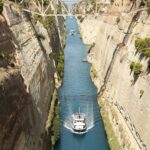
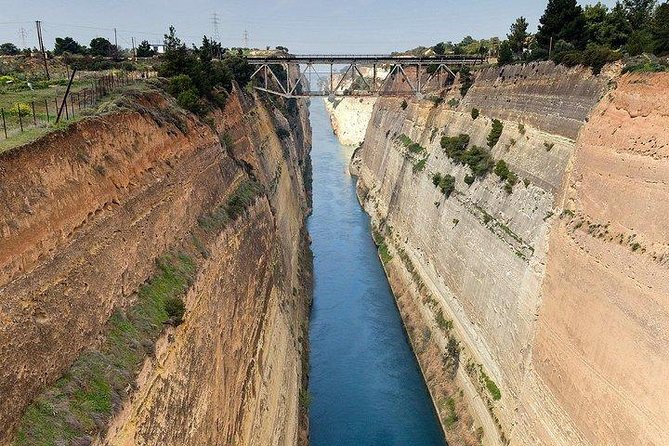
Next comes the Corinth Canal, with a planned viewpoint that lets you see the steep limestone walls and vessels navigating below. From high up, you get a strong sense of how this cut through the isthmus reshaped movement between seas.
A couple practical facts help you appreciate what you’re seeing:
- The canal connects the Gulf of Corinth (Ionian side) with the Saronic Gulf (Aegean side).
- It’s about 6.4 km long and around 21.4 meters wide at the base.
- It has no locks, and its size keeps many modern ships from using it.
Why should you care on a St. Paul day? Because it’s a modern landmark on top of an older reality: Corinth was a traffic hub. Even if you’re not imagining Paul using this exact canal, you can still feel the logic of why ancient merchants and travelers mattered—Paul preached in a world where movement brought ideas together.
Time here is about 30 minutes, and it’s mostly an easy viewpoint moment. If your group loves photos, this is usually a good one to linger at.
The Diolkos: imagining ships traveling over land
Right after the canal, you’ll stop at the Diolkos, an ancient transport system that predates the modern canal. This was an overland route where ships were moved across the Isthmus of Corinth, linking the Aegean and Ionian Seas long before the sea-level cut.
The Diolkos is one of those stops that makes history feel physical. Instead of only reading about trade, you can picture the commercial flow: merchants, sailors, travelers—people whose lives intersected along routes like this.
You also get an extra storytelling angle for a Pauline itinerary. It’s easy for modern visitors to think of Paul’s travels as only roads and sermons. The Diolkos reminds you his world was maritime and supply-driven too—ports and ship movements affected where people ended up and what stories they carried.
Plan for about 20 minutes. It’s not a huge site, so your best use of time is to ask your driver to connect it to the ports and journeys later in the day.
Isthmia: games, Poseidon worship, and Paul’s tentmaker context
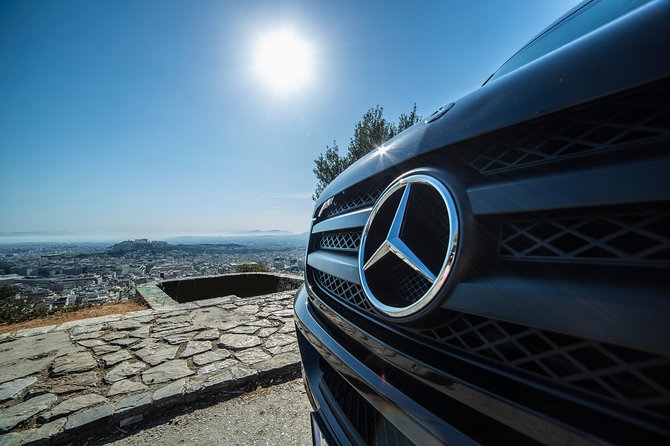
Now you hit the part of the itinerary that most clearly supports the “Paul in everyday life” theme: Isthmia.
You’ll first visit the ancient sanctuary of Isthmia, the place associated with the Isthmian Games held in honor of Poseidon. These events drew people from across the Greek world, which means this wasn’t just a religious site—it was a meeting point where crowds gathered for athletics, culture, and public life.
The itinerary also makes an important connection: Paul is believed to have worked as a tentmaker in the area. That fits with the idea that he wasn’t a distant scholar traveling through empty space. He was working, interacting, and sharing faith in a place where travelers were already arriving and congregating.
From there, you’ll continue to the Archaeological Museum of Isthmia (admission not included). The museum displays artifacts tied to the Sanctuary of Poseidon and the games. One highlight mentioned is glass panels from Kenchreai, the nearby port area from which Paul set sail for Syria. Even if you don’t fully memorize every label, you’ll walk away with a better sense of the religious and commercial world Paul encountered.
Then there’s more time at the archaeological site of Isthmia itself, including the Temple of Poseidon (rebuilt over centuries) and the stadium area linked to the games. The itinerary also mentions the Sanctuary of Palaimon devoted to the patron of sailors. That’s a strong reminder: people in Paul’s region prayed in many ways, tied to daily needs.
One more detail you might appreciate here is that the site includes an ancient theater connected to the contests, with Roman mosaics featuring sea creatures and Dionysian mythology. That kind of scene helps you grasp the contrast: Paul’s message was being carried through a world full of performance, ritual, and myth.
Ancient Corinth (Archaia Korinthos): Paul’s city, Gallio’s Bema, and the marketplace vibe
This is the core stop. You’ll visit Ancient Corinth (Archaia Korinthos), which is where the itinerary frames Paul’s time as more than a quick visit. You’ll learn how he spent more than 18 months there and how the letters to the Corinthians address moral and spiritual challenges of the early church.
One of the emotional highlights is the Bema, the judgment seat area where Paul is believed to have stood before Proconsul Gallio. Even without a licensed guide escorting you inside the whole site, the Bema reference gives you a specific anchor point. Instead of wandering and guessing, you get a named moment in the story of how Paul’s mission continued despite legal pressure.
Admission for Ancient Corinth is not included, and your entrance fee is listed separately (you can purchase on-site). This is one of the few costs that can surprise first-timers because the tour itself is otherwise very “included.”
Practical note: the site is large enough that you’ll want comfortable shoes. If you rush, you’ll miss the layout. If you take it slow, you’ll start to feel how a person could travel between public spaces, religious sites, and the kind of community conversations that end up in letters.
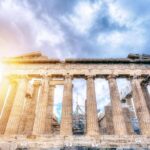
Temple of Apollo: the skyline reminder of what Paul preached against
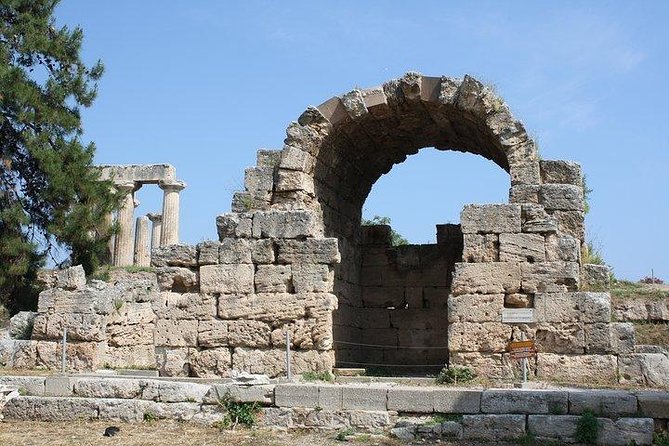
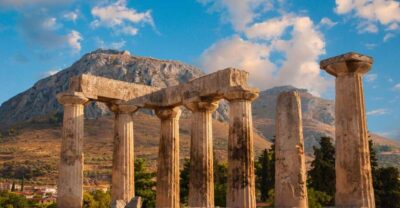
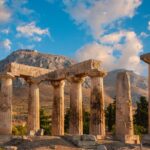
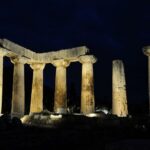
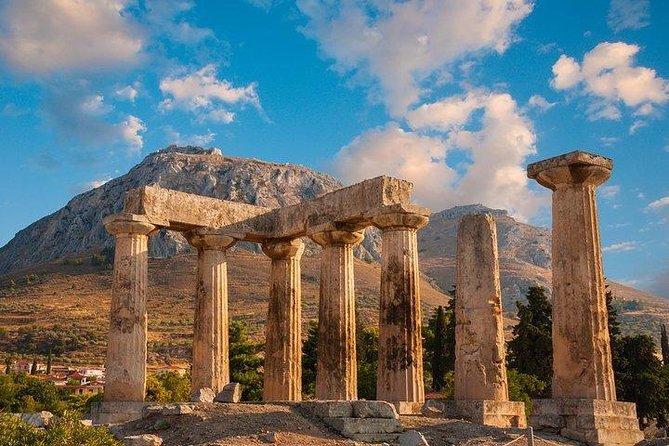
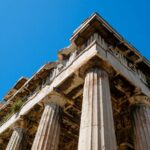
Another stop inside the Corinth sweep is the Temple of Apollo, described as one of the most important temples in Greece. It’s built around 560 BC and you’ll notice early Doric architecture with massive columns still standing.
For a Paul-focused day, this stop matters because it visually represents the polytheistic world he entered. When you look at a monument like this, you start to understand why Christian preaching often landed as both spiritual and cultural challenge. It’s one thing to read about idols; it’s another to see an enormous worship center that would have shaped daily life.
Time here is about 30 minutes. Use it to take in the scale. Then ask your driver how this kind of temple presence ties to the message Paul carried about one true God and Jesus Christ crucified—so your visit stays connected to the letters you’re here to understand.
Kenchreai (Kechries): the port stop tied to Paul’s vow and Phoebe
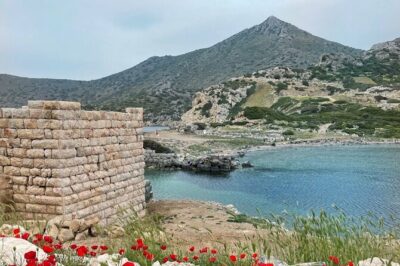
Next you’ll head to Kenchreai (Kechries), the eastern port area tied to Paul’s second missionary journey. Here the itinerary connects the stop to Acts 18:18 and describes Paul cutting his hair to fulfill a vow before departing for Syria with Priscilla and Aquila.
This is one of those stops where the geography helps the theology make sense. Ports are where travel plans become real, and where communities can form around movement. Kenchreai is also connected to an early Christian community. The tour highlights Paul’s warm mention of Phoebe, described in Romans as a trusted servant (diakonos) of the church at Cenchreae.
Today, Kenchreai is a peaceful seaside area. That shift—from crowded public life at games and judgment seats to a quieter shoreline—helps you mentally “reset” before the final hillside and church tributes later in the day.
Akrokorinthos: the fortress view that makes the city make sense
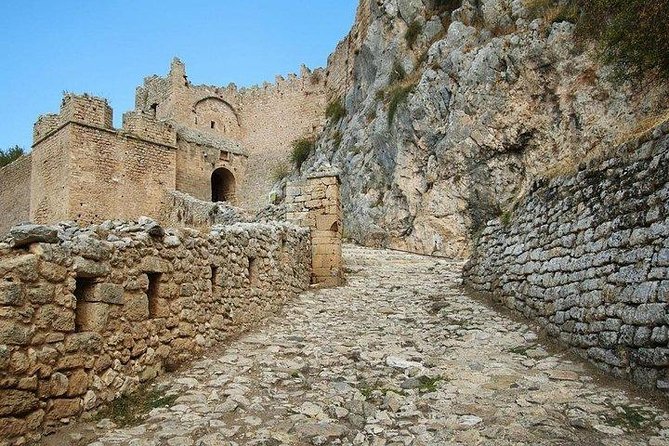
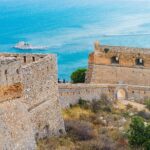
Your last major ancient viewpoint stop is Akrokorinthos, the fortress overlooking Ancient Corinth. The itinerary frames this as a meaningful part of the Paul journey, since it’s where you can imagine Paul looking back over the city and thinking about his mission to the Corinthians.
Time here is about 1 hour. The climb is the point—not only for the view, but for the way the city layout starts to click. When you’re above the ruins, you better understand how the area controlled movement and why Corinth mattered.
One review notes the view from the Aphrodite’s temple on the peak area during the climb. If you spot remnants tied to that temple area, it’s another reminder that Akrokorinthos wasn’t just a fortress; it was part of a religious world too.
Lunch in Corinth: when food time helps your day instead of eating it
Some tours rush lunch. This one gives you a real break. You’ll enjoy a leisurely meal at a traditional seaside Greek taverna, and if you selected the With Greek traditional food option, the lunch cost is included.
This matters for value and enjoyment. Lunch isn’t only fuel here—it’s when you catch your breath, check your phone, and decide whether you want to slow down for the next stop or keep momentum.
A few simple tips help:
- Go with the local option you’re offered; it’s part of the tour’s whole point.
- Wear breathable clothes. The day includes walking plus hillside stops.
- If you’re prone to rushing, remind yourself that the tour works best when you take your time at the sites, not between them.
How the drivers make this tour feel special (and why it shows up in reviews)
A huge theme in the positive feedback is the human part: drivers who communicate clearly, answer questions, and keep the day relaxed. Many groups mention guides by name, and a pattern comes through—people felt cared for, not processed.
You’ll see names like Alex, George, Spiros, Stephanos, Panos, Visili, Kostas, Thanous, and Stefanos mentioned in standout ways. Common threads:
- The day felt never rushed.
- Drivers adjusted timing when needed and offered good break spots.
- They explained what you were seeing in ways that made the ruins easier to understand, even without stepping inside with you.
- Some cars include a speaker so you can hear the commentary comfortably while on the road.
One review even highlights a driver going out of the way to help a guest make their ship sailing by sharing tracking info with the port. That’s not guaranteed in every situation, but it’s a good sign of how seriously the team treats timing.
Bottom line: if you like conversation, ask questions. If you want quiet, you can usually get that too. Private transport helps.
Price and value: what you’re really paying for at $218.43 per person
At $218.43 per person, you’re not just paying for “seeing ruins.” You’re paying for the full structure that makes a faraway day manageable:
- hotel/port pick-up and drop-off
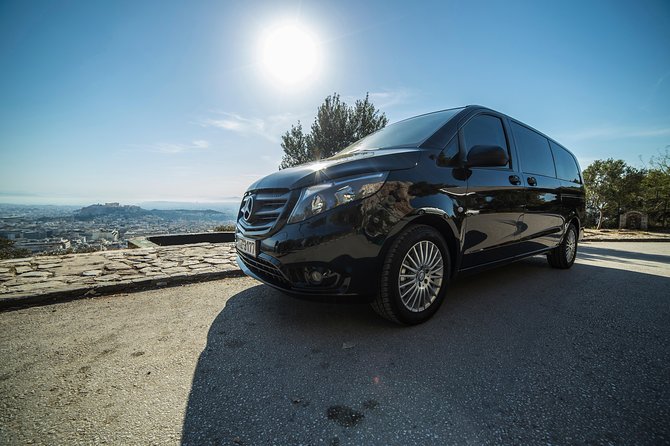
- private A/C transportation
- bottled water
- onboard Wi‑Fi
- lunch if you choose the Greek traditional food option
Two extra costs can apply:
- Entrance fees for Ancient Corinth and the Archaeological Museum of Isthmia (listed at €15.00 per person, payable on-site).
- Optional licensed tour guide access inside sites, if you request it.
So is it worth it? For most people: yes, especially if you want a St. Paul route with time to breathe. Where it’s less ideal is if you only want the maximum amount of inside-site lecturing for a fixed price. Since the driver is not a licensed in-site guide by default, you’ll want to either accept that format or request the optional licensed guide.
This is also a good match for cruise passengers. The itinerary covers a lot, and private timing helps reduce the stress of transfers and ship schedules.
Should you book this Paul-to-Corinth day trip?
I’d book it if you want:
- a private day with your own pacing
- a St. Paul-focused itinerary from Athens to Corinth
- clear commentary in the car and at stops
- a comfortable transport setup plus lunch
I’d hesitate if you:
- expect a licensed guide inside every archaeological site as part of the base price
- hate walking and hillside terrain and want only sit-down sightseeing
- need a very rigid tour-script with no flexibility at all
If your goal is to connect the letters to place names—Mars Hill, Corinth’s Bema setting, the port at Kenchreai—this itinerary is built for that. The comfort and flexibility make it easier to stay present, not just check boxes.
FAQ
FAQ
How long is the tour?
It runs about 8 to 9 hours.
Is this a private tour or a group tour?
It’s a private tour. Only your group participates.
Do I get picked up from my hotel or the port?
Yes. Hotel/port pick-up and drop-off are included, and the driver meets you at the hotel lobby, apartment entrance, or cruise gate.
Is Wi-Fi provided during the trip?
Yes. There’s Wi‑Fi onboard.
What language is the tour delivered in?
The tour is offered in English.
Are entrance fees included?
Entrance is free for some stops. Entrance fees for Ancient Corinth and the Archaeological Museum of Isthmia are not included (you can buy on-site for €15.00 per person).
Do we get a licensed tour guide inside the ruins?
A licensed tour guide is not included by default. Drivers provide commentary but are not official site guides inside the archaeological areas. A licensed guide may be available upon request, depending on availability.
Is lunch included?
Lunch is included if you choose the With Greek traditional food option.
Is the itinerary flexible for different interests?
Yes. This is a private tour, so your group can set the pace and you can ask for adjustments to what matters most.
What is the cancellation refund policy?
Free cancellation is available up to 24 hours in advance for a full refund. If you cancel less than 24 hours before the start time, the amount paid is not refunded.