REVIEW · ROME
Rome: Colosseum with Access to Arena Floor and Ancient Rome
Book on GetYourGuide →Operated by C.I.S. Tours. · Bookable on GetYourGuide
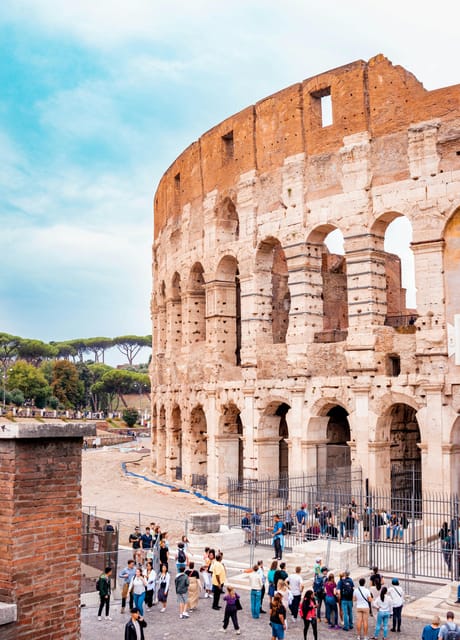
Walking into the Colosseum changes everything. This experience gets you down to the Arena floor and into the Colosseum using the kind of access the gladiators used, plus stops at the Roman Forum and Via Sacra where the stories of ancient daily life still feel close. The biggest draw is the view from below—stands towering over you—and the chance to see key monuments right after, as the Roman “world” unfolds in sequence.
One thing to plan for: you’ll mostly be self-guided with an app audio guide, and it can be fussy about phone setup (including needing working phone audio and sometimes internet access inside the sites).
In This Review
- Key highlights you’ll care about
- Entering The Colosseum Arena Like a Gladiator
- Arena Floor to First Level: What to Notice Inside the Colosseum
- Roman Forum and Via Sacra: The Center of Ancient Public Life
- Palatine Hill Access: Rome’s Origins Under Your Feet
- Price and Value: What You’re Paying For (and Why It’s Fair)
- Logistics That Decide Your Day: Meeting Point, Security, and Audio Setup
- Who This Tour Suits Best (and Who Should Think Twice)
- Should You Book This Colosseum with Arena Floor and Roman Forum Access?
- FAQ
- How long is the tour?
- What’s included in the ticket price?
- Is a guided tour included?
- Do I need to bring headphones?
- Where do I meet the group?
- Will I have to go through security?
- What are the opening hours for the Roman Forum and Palatine?
- Can I cancel?
Key highlights you’ll care about
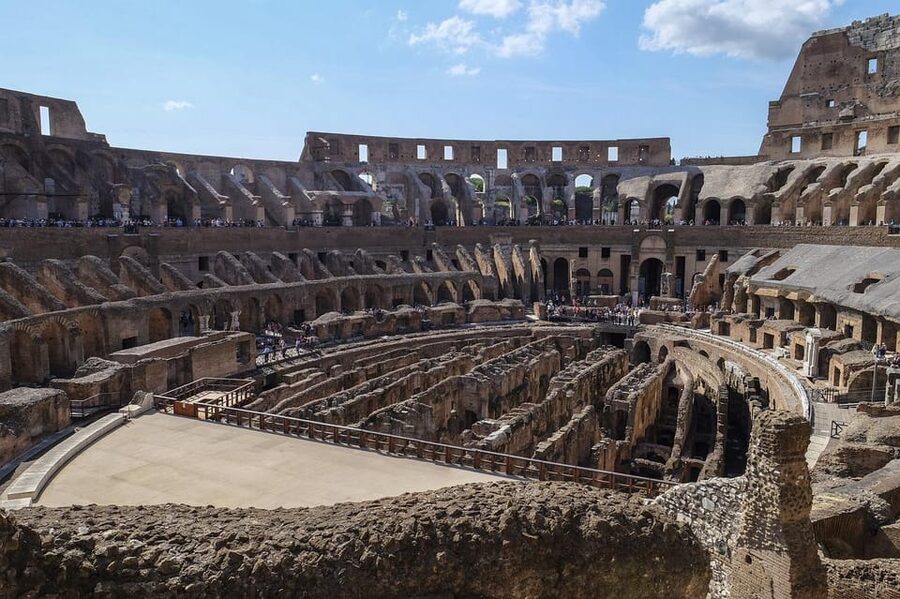
- Arena floor access from the gladiator-style entry: You’re not just looking up from seats—you’re standing where the action happened.
- Colosseum first-level viewing with structure context: You’ll understand the stadium’s strict layout and scale better than from outside.
- Via Sacra stop for real Roman “main street” context: It helps you connect monuments to how people actually moved through the city.
- Roman Forum focus on Julius Caesar’s Temple ruins: You’ll see the physical remnants of major political and public life.
- Palatine Hill access after the Forum: It’s a smart follow-up if you want Rome’s imperial origins, not just one monument.
Entering The Colosseum Arena Like a Gladiator
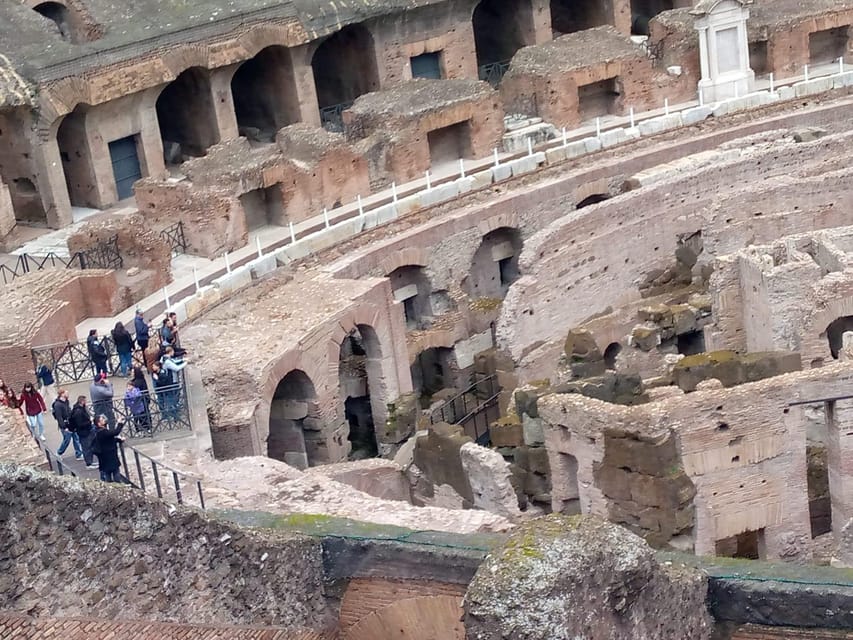
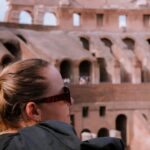
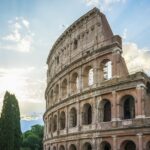
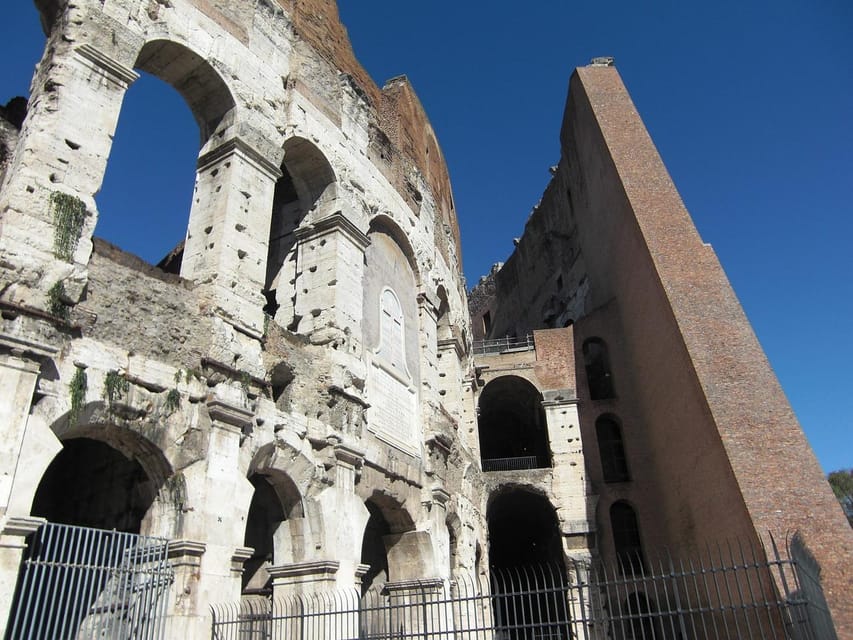
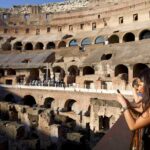
The Colosseum hits different when you’re standing on the arena level. Up close, it stops being a famous photo spot and starts feeling like a working space—architecture you can circle, arches you can judge, and levels that make sense only when you see them from the inside.
I like that the entry experience is designed to feel special, not rushed past. You’ll go in through the access that the gladiators used, then spend time inside the Colosseum at the levels that matter most for orientation—especially the chance to look out over the stands from below.
The “win” here is emotional as much as historical. You get that surreal moment of realizing this space hosted public spectacle more than 2,000 years ago, and you’re physically in the same venue geometry.
You can also read our reviews of more tours and experiences in Rome.
Arena Floor to First Level: What to Notice Inside the Colosseum
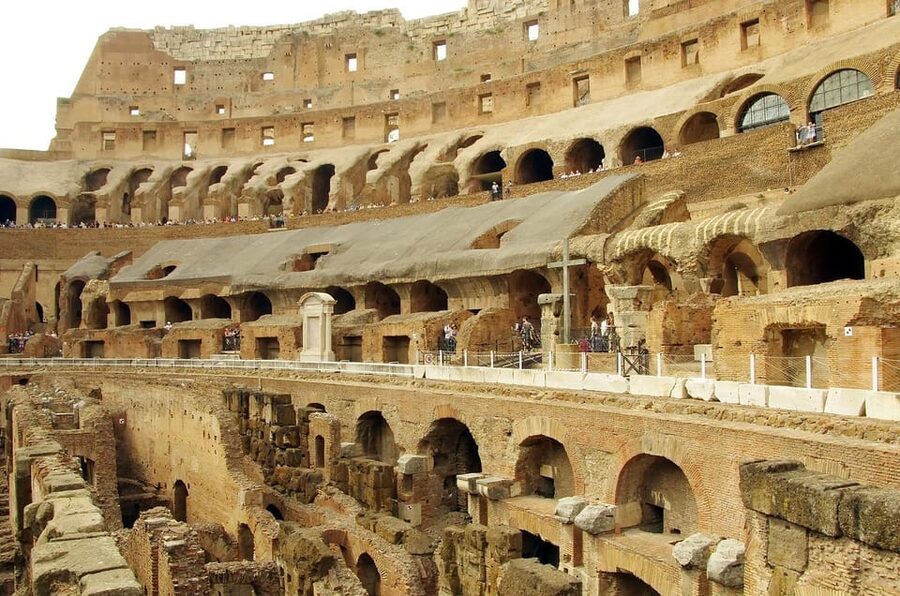
Your time inside is built around a simple logic: first you enter and get oriented, then you move to viewpoints that explain how the building functioned.
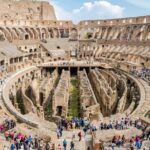
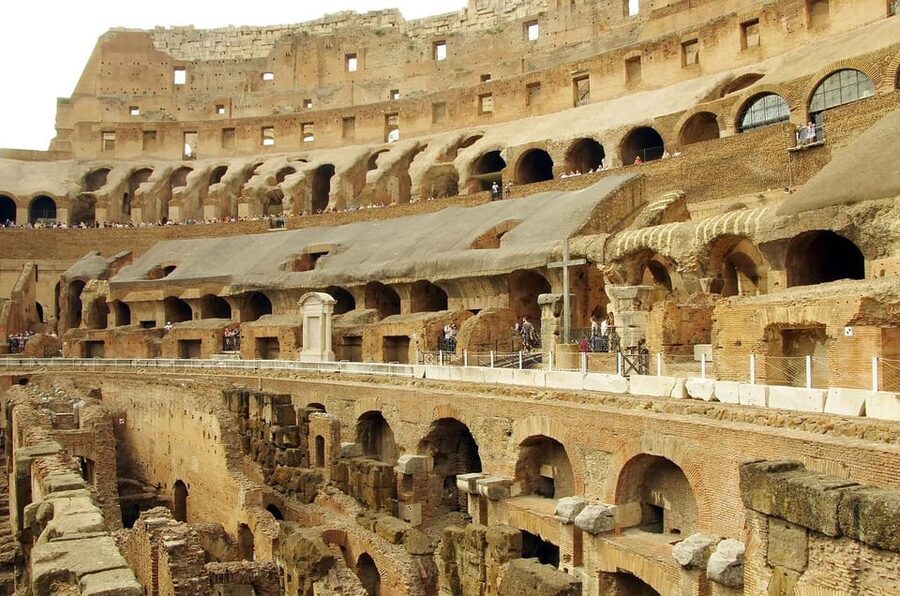
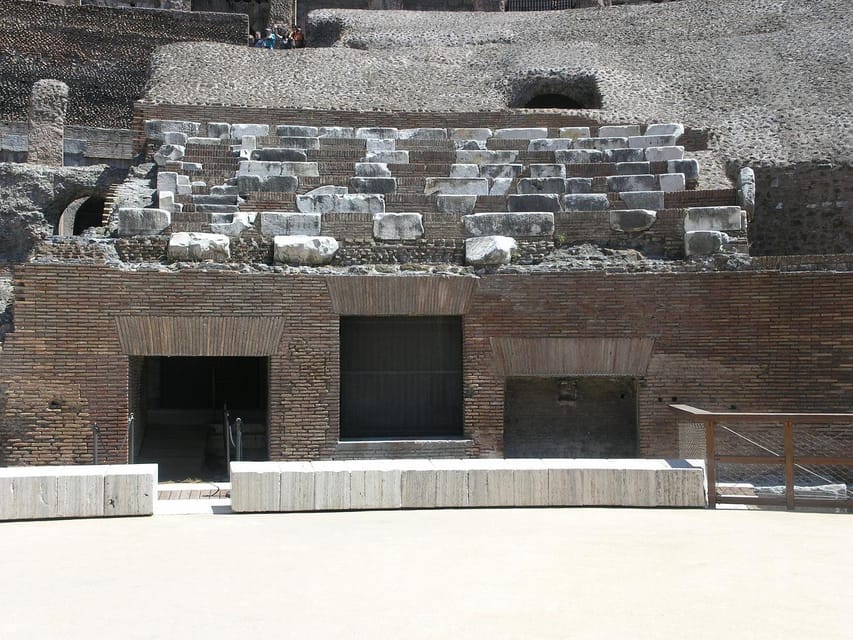
On the Arena floor, you’ll look up at the seating and get a real sense of scale. This is the part that makes the Colosseum feel like a stage. You’re not guessing where people sat or where sightlines went—you can stand and look, and the stadium’s “designed rigidity” becomes obvious.
Next, you’ll spend time on the first level of the Colosseum, where the famous gladiator battles took place. This level helps you understand how structured the space was—ancient Romans didn’t just build a crowd-collector. They built a system: tiers, circulation, and seating that controlled who saw what, and when.
Practical note: the Colosseum is strict about security. You must pass a metal detector, and if it’s busy you can get a waiting period before you enter. That affects your momentum, so I recommend arriving with a little buffer and keeping your phone and IDs ready.
Roman Forum and Via Sacra: The Center of Ancient Public Life
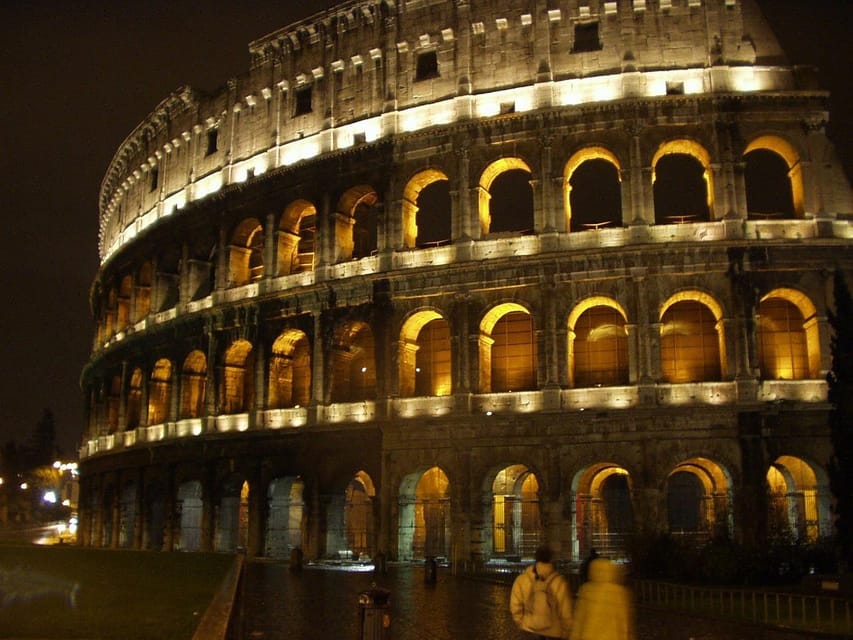
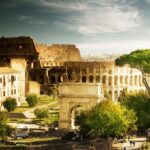
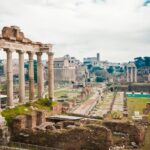
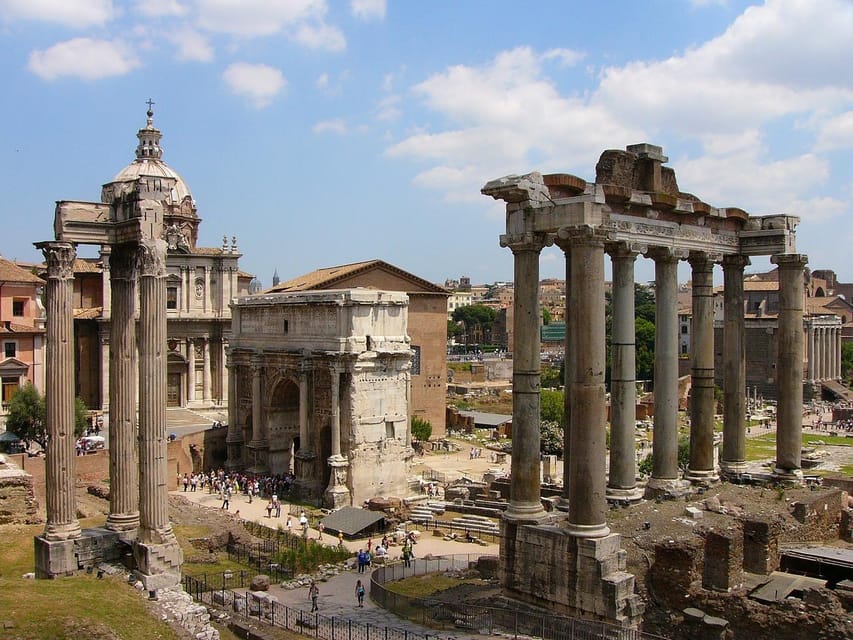
After the Colosseum, you shift from spectacle to government and daily movement. The Roman Forum is where the city’s public life clustered, and the route gives you a useful storyline: from the arena’s chaos to the Forum’s political weight.
A key stop is the Via Sacra. It’s one of those places where the name matters because it links you to the “main route” culture of ancient Rome. Even without going deep into academic detail, you’ll feel the logic: this is how people would have processed through the city’s most meaningful landmarks.
Then you’ll reach the ruins of the Temple of Julius Caesar in the Forum area. Seeing those remnants in context is powerful because it connects the political legend to physical stone. You’re not only reading about the Roman world—you’re standing in it and mapping how power and ceremony showed up in public space.
Palatine Hill Access: Rome’s Origins Under Your Feet
Palatine Hill is included, and that makes the overall experience more complete. The Forum explains the city’s public center; Palatine tells you where the city’s story began—home to some of the most important homes of emperors and the most central of Rome’s seven hills.
You’ll be going after your Forum time, which is the right sequence. By then, you’ve got anchors: the Colosseum as spectacle, the Via Sacra as movement through meaning, and the Forum as the public hub. Palatine adds the final layer—the personal, elite side of Roman power.
Timing matters here because the Roman Forum and Palatine hours vary by season. For many months (late spring through summer), the sites stay open later, but in winter they close earlier. If you’re booking near the end of a day, double-check the public opening hours for your exact date so you’re not rushing a hill-top view you came for.
Price and Value: What You’re Paying For (and Why It’s Fair)
At $28 per person for a 3-hour outing, the value is strongest if you care about doing more than a ticket-and-queue visit.
You’re paying for access that normally costs more or feels harder to line up yourself: Colosseum entry plus Arena floor access, and also Roman Forum and Palatine access in the same window. That combination is where the deal comes in. You get a rare inside-the-arena moment, and then the Forum and hill stops turn the visit into a mini “Rome overview” rather than a single building.
The tradeoff is that this isn’t a full guided tour in the traditional sense. The included experience centers on arena access plus an app audio guide, not a live walking lecture. Some people love that freedom. Others expect a deeper live guide style and may feel there’s less hand-holding once you enter.
If you want facts delivered live, look at alternative options. If you’re happy to follow your own pace with an audio track and you’re okay navigating a big, complex site, this is strong value.
Logistics That Decide Your Day: Meeting Point, Security, and Audio Setup
This part can make or break the experience, so here are the essentials I’d plan around.
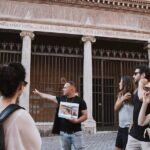
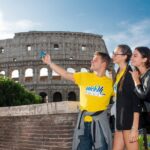
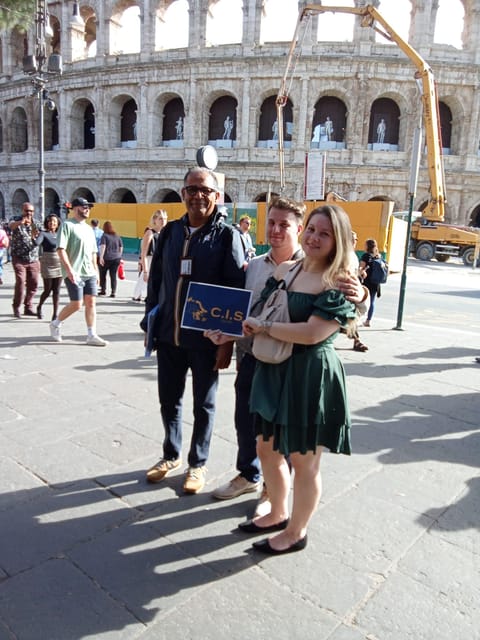
Meeting point: you meet in front of the Colosseo metro station (lower floor/ground level) near the green kiosk. Look for staff holding a c.i.s tours sign. Many guests say the staff are quick to help and direct you to the correct entrance for your included areas.
Security: plan for the metal detector check at the Colosseum. When it’s busy, there may be waiting time. Don’t show up stressed and late—arrive with enough time to breathe and move.
App audio guide + headphones: the tour includes an app audio guide, but headphones are not included. You need to bring headphones for your phone. One more practical detail: audio guidance can require a working phone setup, and some people found the map features easier when they have internet access on-site. If your phone battery is low, plug in early, and keep an eye on signal.
Itinerary navigation: the sites are large and signage can be confusing. Even with audio help, you may need to re-orient at a couple transitions—Colosseum to Forum, and Forum to Palatine. I recommend going slow for the first 15 minutes inside, so you start with the right mental map instead of trying to fix it later.
Who This Tour Suits Best (and Who Should Think Twice)
This experience is a good match if you:
- want the iconic moment of standing on the Colosseum Arena floor
- like self-guided structure with an audio app, not a constant live narration
- want a compact “big Rome” hit: Colosseum, Forum, Via Sacra, Julius Caesar ruins, plus Palatine
It may be less ideal if you:
- want a fully guided, turn-by-turn historic explanation the whole way
- rely on wheelchair access (this option isn’t suitable for wheelchair users)
- hate app-based navigation and don’t want to troubleshoot phone audio or map features
Small-group format helps. You’re not swallowed by a huge crowd group, so you can move at a reasonable pace when the sites get packed.
Should You Book This Colosseum with Arena Floor and Roman Forum Access?
I think it’s worth booking if your top priority is the arena-level experience. Standing on the floor and entering through the gladiator-style access is the kind of thing you can’t fake with photos. Then, the Roman Forum and Via Sacra stops make sure your visit keeps meaning as you move from spectacle to the political heart of ancient Rome, with Palatine Hill as a solid final chapter.
If you’re the type who wants a guide constantly at your elbow, you may feel the “guided” part is lighter than you expected, because the main support is through the app audio guide. For many people, that balance is exactly right: smart access, your own pace, and the freedom to linger where the stones feel important.
If you book, do one thing that really improves the day: bring headphones and make sure your phone is ready for the audio app before you start moving through the sites.
FAQ
How long is the tour?
The duration is 3 hours. Starting times depend on availability.
What’s included in the ticket price?
It includes Colosseum access, Arena access, Roman Forum access, Palatine Hill access, and an app audio guide. All taxes and fees are included.
Is a guided tour included?
A guided tour is not included. You’ll have the app audio guide, and a staff member will help you meet up and get pointed in the right direction.
Do I need to bring headphones?
Yes. You must bring headphones for your telephone. Headphones are not provided.
Where do I meet the group?
Meet in front of the Colosseo metro station (lower floor/ground level), near the green kiosk, and look for staff with the c.i.s tours sign.
Will I have to go through security?
Yes. You must pass a metal detector security check at the Colosseum, and during busy periods there may be a waiting period.
What are the opening hours for the Roman Forum and Palatine?
The opening hours change by season. The data provided lists:
- Jan–Feb: 09:00–16:30
- Mar: 09:00–17:30
- Apr–Sep (up to 30 Sep): 09:00–19:15
- Late Oct: 09:00–18:30
- Oct 27–Dec: 09:00–16:30
Check your exact date so you plan your time.
Can I cancel?
You can cancel up to 3 days in advance for a 50% refund.