REVIEW · ROME
Rome: Hike along the ancient Appian Way
Book on GetYourGuide →Operated by Hike with Nature of Sal · Bookable on GetYourGuide
The ancient stones of the Appian Way are the star here, and the walk is guided so you don’t just “see” it—you understand it as you go. I especially like the small-group feel (up to 10 people) and the way the route blends Roman history with real countryside—villas, trees, and wildlife along the way. One thing to consider: this is a long, difficult hike (about 17 km), so it’s not for anyone wanting a relaxed stroll.
You’ll start at the small rail stop of S. Maria delle Mole and finish by Circus Maximus, right by the subway. That one-way setup keeps the day moving and means you can plan your next stop in Rome without backtracking.
The biggest deciding factor is whether you’re excited by a 5.5-hour “walk first, sights second” rhythm. You should also know the route changes with conditions—weather, obstacles, safety—so expect some flexibility rather than a rigid checklist.
In This Review
- Key highlights you’ll actually care about
- Why the Appian Way hike feels different than “Rome sightseeing”
- Getting to S. Maria delle Mole without losing time
- The one-way route: what the 17 km day really means
- What you’ll see: Roman countryside, villas, and roadside nature
- Meet Salvatore’s kind of Rome stories (and why that matters)
- The ending at Circus Maximus: how to keep your day easy
- Difficulty level and what to bring for a comfortable hike
- Price and value: why $99 can make sense for this kind of day
- Who this tour is best for (and who should skip it)
- Quick planning tips to make the hike smoother
- Should you book the Appian Way hike?
- FAQ
- Where does the hike start and where does it end?
- How long is the Appian Way hike?
- How far do you walk, and what’s the difficulty?
- What should I bring and wear?
- Is the tour one-way or round-trip?
- Are food and drinks included?
- What languages does the guide speak?
Key highlights you’ll actually care about
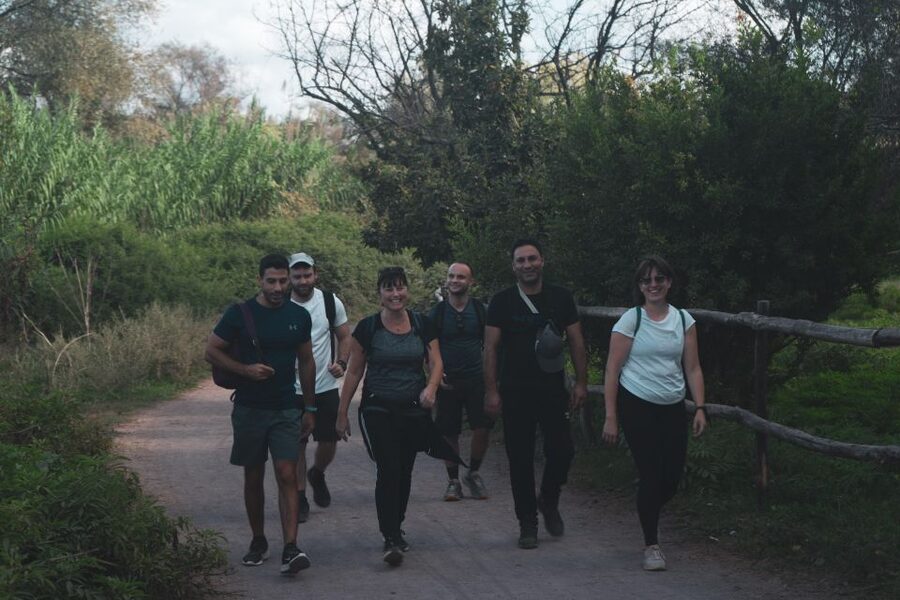
- Real Roman stones underfoot on one of Rome’s most famous historic roads
- Expert guide storytelling (you may hear anecdotes and even poems from guides like Salvatore)
- Roman countryside + nature breaks with flora and fauna along the route
- One-way from S. Maria delle Mole to Circus Maximus for easier onward travel
- Small group energy that works well for Q&A and pacing
- Rain or shine hiking with a guide who adjusts when needed
Why the Appian Way hike feels different than “Rome sightseeing”
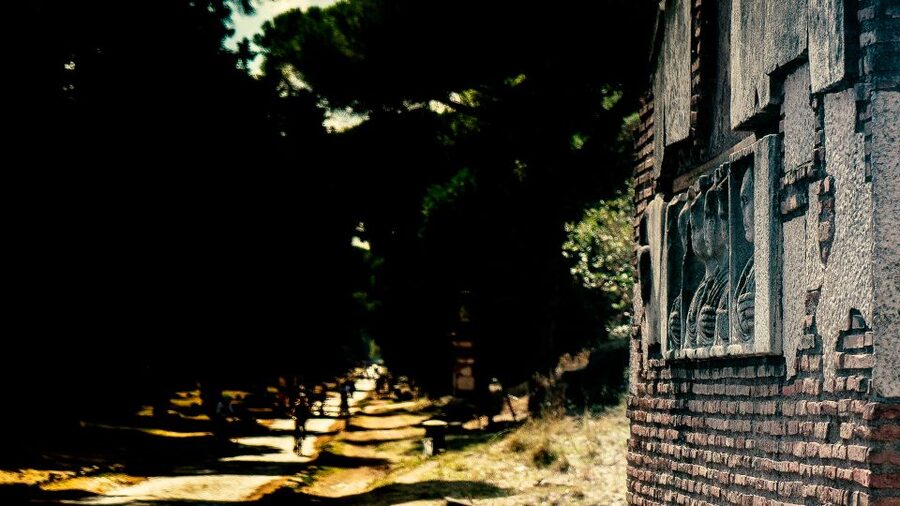
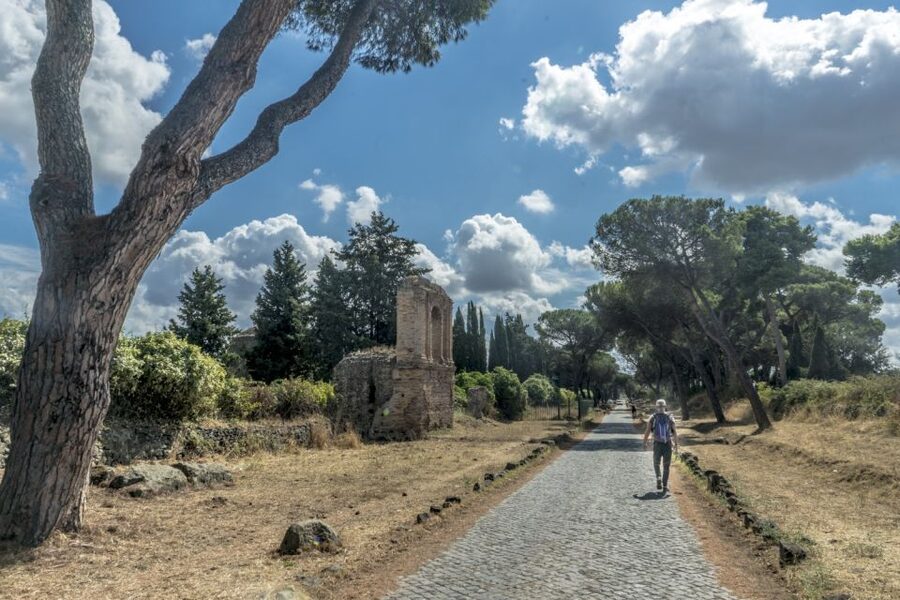
Most Rome tours show you history through standing still—photos, viewpoints, quick stops, then off to the next place. This one flips the script. You walk on the original Appian Way, sometimes called The Queen of Roads, for a long stretch that feels like stepping into an older rhythm of travel.
What makes that valuable is simple: distance changes your sense of time. After a while, you’re not thinking about a monument; you’re noticing patterns—stone surfaces, the way the road cuts through the landscape, and how the surrounding countryside frames the story. The experience leans into quiet observation too. Expect long stretches where nature gets its turn: plants, small animals, and the general “Rome outside the city” feeling.
And because there’s a guide, you’re not left guessing. You get context about what you’re walking through—reminders of the Roman Empire—so the road becomes more than an Instagram-friendly path.
You can also read our reviews of more tours and experiences in Rome.
Getting to S. Maria delle Mole without losing time
Your day begins at S. Maria delle Mole, a very small station with one platform. The practical detail that matters: it’s best to use one of the front doors when exiting, since the platform is short.
From Termini Central Station, you take the train for a bit over 20 minutes. You’ll want to validate your ticket before boarding. (If you forget, you can end up dealing with avoidable headaches, and this trip moves fast enough without extra stress.)
Plan to arrive a little early. You meet the group 15 minutes prior to departure, and you meet directly on the station platform right by the main road. That’s helpful because you’re not wandering around trying to find a tour office. If you’re the type who likes clean logistics, this part is friendly.
The one-way route: what the 17 km day really means
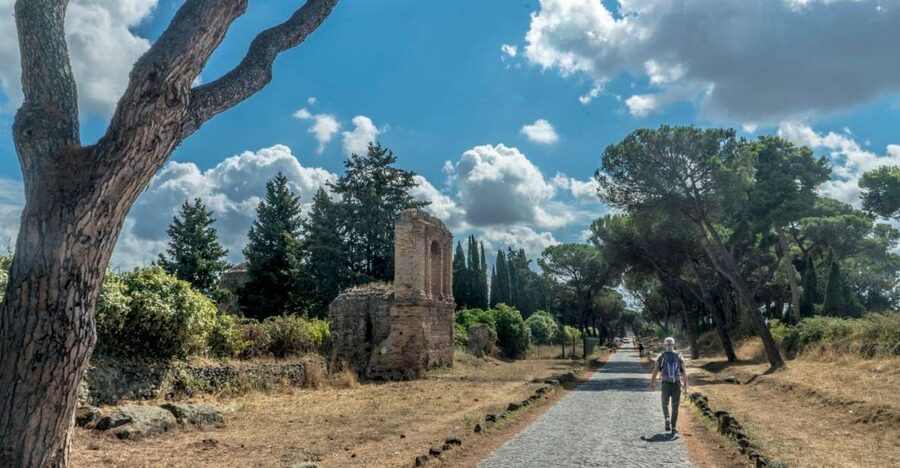
This hike is a one-way route. It starts at S. Maria delle Mole and ends at Circus Maximus, next to the subway station. Along the way, you’ll hike on the Appian Way for about 17 kilometers, with roughly 160 meters of elevation gain.
Here’s the key nuance: it’s labeled difficult, but the elevation is modest and much of the route is mostly flat. The challenge is the long distance plus uneven terrain. That combo is what wears people out—especially if you’re expecting a level walking path.
In other words:
- You don’t need crazy climbing gear.
- You do need stamina and shoes you trust.
- You should pace yourself like this is a hike day, not a “see Rome in one afternoon” day.
The itinerary also has built-in reality. Your guide may adjust the final duration and route based on weather, fallen trees, or other safety needs. That’s a good thing, not a problem—it means you’re hiking with a professional who prioritizes safe movement over rigid sightseeing.
What you’ll see: Roman countryside, villas, and roadside nature
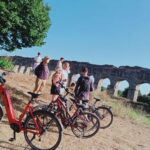
One of my favorite parts of this style of trip is how it lets nature and history share the stage. You’ll pass through Roman countryside and you’ll see villas and other remnants that create that classic “layers of time” feeling.
But it’s not just scenery—it’s also living landscape. The route includes a chance to witness flora and fauna along the way. That might sound like a generic nature note, but on a road like the Appian Way it has a specific effect: you get to watch how vegetation grows around old infrastructure, and you notice changes in light and shade that you’d never catch from a bus window.
Because it’s a guided walk, the guide’s stories help you “read” what you’re seeing. You’re more likely to connect the landscape to the Roman road system when someone is translating the road’s importance as you’re walking it.
Meet Salvatore’s kind of Rome stories (and why that matters)
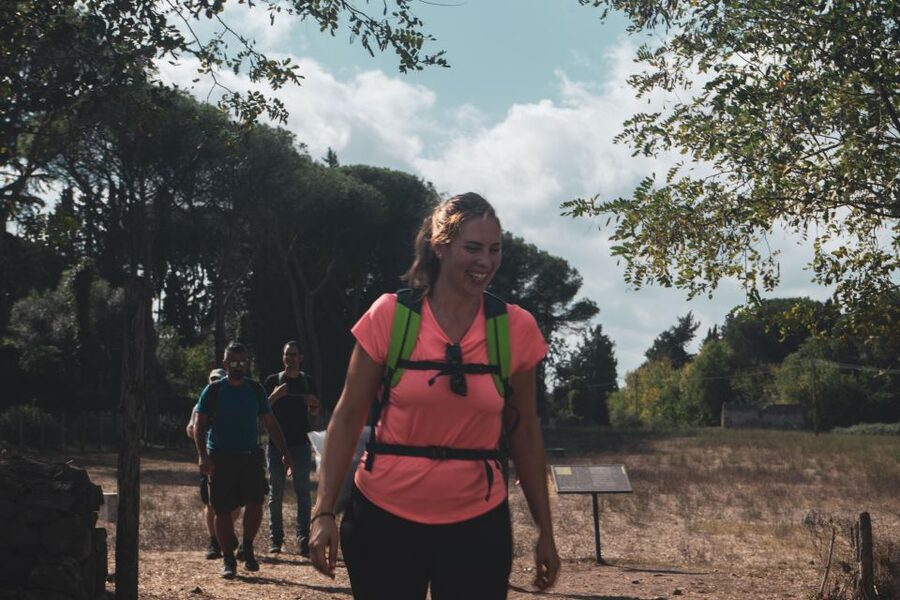
In the reviews, one name pops up: Salvatore. People describe him as engaging and fun, with anecdotes and poems layered into the history.
That matters because the Appian Way is visually striking, but it can also be emotionally flat if you don’t know what you’re looking at. A good guide turns a long stone walk into an experience with rhythm. The stories give you mental waypoints so you’re not just counting kilometers.
And it’s not only entertainment. A guide also helps you move comfortably—choosing a pace, giving you context, and keeping the group together on a route that may have uneven sections and occasional obstacles.


The ending at Circus Maximus: how to keep your day easy
Finishing at Circus Maximus is a smart design. You end right next to the subway station, which makes it far easier to transition to the rest of your Rome day.
After a long hike, the last thing you want is complicated route planning or a long trek back to where you started. Ending near transit gives you options:
- Continue exploring central Rome.
- Grab food nearby without turning your “walk day” into a second transportation day.
- Head back to your hotel while your legs still have some life left.
Difficulty level and what to bring for a comfortable hike
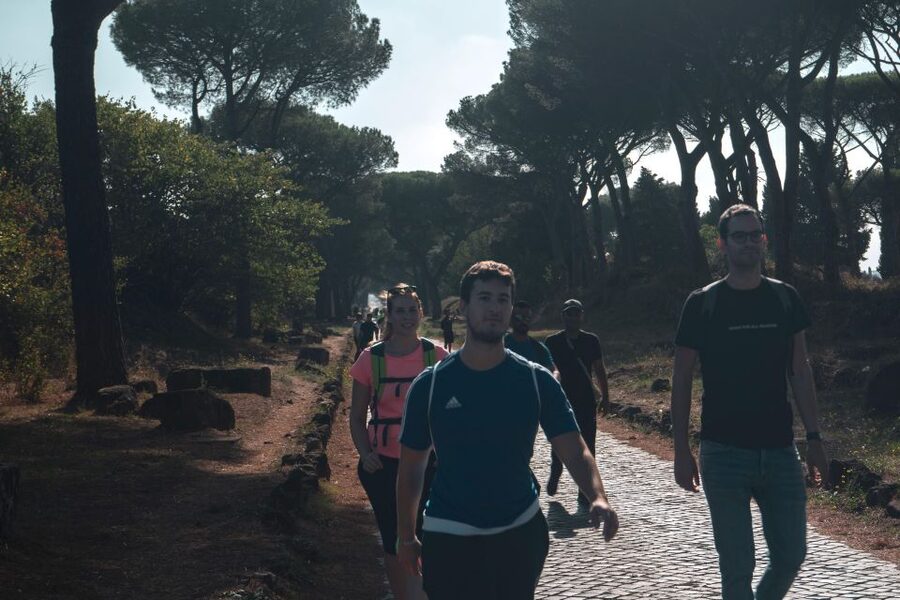
This tour is built for walkers, not casual strollers. The distance is about 17 km, terrain includes uneven ground, and it’s classified as difficult.
You should show up ready for that with the basics:
- Bring hiking shoes. No sandals or flip-flops.
- Expect the day to run on a hike schedule, not a sightseeing bus schedule.
- Plan for rain or shine. The route is designed to continue, even when the weather isn’t cooperative.
Also, don’t ignore the long-duration reality. At 5.5 hours, you’ll want your body to handle continuous movement. If you’re the type who stops for photos every 10 minutes, you might feel the time pressure. It’s better to take fewer, more intentional pauses.
Price and value: why $99 can make sense for this kind of day
At $99 per person, you’re paying for more than a path on a map. You’re paying for:
- A guided hike with a professional guide
- A small group (limited to 10 participants)
- Interpretation in English and German
- A full one-way experience that starts at S. Maria delle Mole and ends at Circus Maximus
What’s not included matters too. You won’t get food, drinks, or entrance tickets. You’re also responsible for your own travel to and from the route area. That’s typical for hiking experiences, but it’s part of the value calculation: the price is concentrated on guiding and keeping you on track for the hike.
To judge whether it’s a good deal for you, ask one question: do you want to understand what you’re walking on, or do you just want a photo route? If you want understanding—history tied to the landscape—this price is easier to justify.
Who this tour is best for (and who should skip it)
This hike is a good match if you:
- Enjoy hiking and can handle 17 km comfortably
- Want history you experience through motion, not just through museums
- Like nature details like flora and fauna while still getting Roman context
- Appreciate a guide who keeps the group engaged (people specifically mention Salvatore’s storytelling style)
It’s probably not your best choice if you:
- Want an easy walk with minimal strain
- Have foot issues or mobility limits that make uneven terrain hard
- Prefer to end early or avoid a full 5.5-hour outing
The reviews also point to a “look after your day” feeling—people mention getting helpful guidance beyond just the hike itself, like practical tips for continuing your sightseeing afterward. Still, transport isn’t listed as included, so you should plan around using the subway at the end.
Quick planning tips to make the hike smoother
A few practical habits will help you enjoy the day more:
- Wear shoes you’ve already broken in. Long walks punish new footwear fast.
- Arrive early at S. Maria delle Mole. The platform is short, and meeting on time keeps the group calm.
- Bring only what you can comfortably carry for hours.
- If it’s wet, prepare for a slower pace and keep an eye on uneven ground.
And mentally: treat it like a hike day. You’ll get more out of the Roman details when you’re not rushed.
Should you book the Appian Way hike?
I’d book this if you want Roman history you can feel under your boots—and you’re ready for a real workout. The combination of original Appian Way walking, expert guidance, and a countryside/nature setting is exactly the kind of “authentic Rome” experience that’s hard to replicate on your own without turning it into a logistics project.
I’d hesitate if you’re looking for a gentle, short, stop-and-start tour. This is long, classified difficult, and it runs rain or shine.
If you’re the kind of traveler who likes your best days a little active, a little quiet, and heavy on real atmosphere, this one is worth your time.
FAQ
Where does the hike start and where does it end?
The hike starts at S. Maria delle Mole and finishes at Circus Maximus, right next to the subway station.
How long is the Appian Way hike?
The experience lasts about 5.5 hours, though the final duration can vary based on weather conditions, obstacles, or safety reasons.
How far do you walk, and what’s the difficulty?
You’ll walk about 17 kilometers. The difficulty is listed as difficult, with around 160 meters of elevation gain and uneven terrain (mostly flat).
What should I bring and wear?
Bring hiking shoes. Sandals or flip-flops are not allowed.
Is the tour one-way or round-trip?
It’s one-way. It begins at S. Maria delle Mole and ends at Circus Maximus.
Are food and drinks included?
No, food and drinks are not included.
What languages does the guide speak?
The guide provides the experience in English and German.