REVIEW · POMPEII
Sipping History: Discover Ancient Roman Wines
Book on Viator →Operated by Bosco de Medici Winery · Bookable on Viator
Roman wine, served with a side of Pompeii. This Sipping History experience turns Pompeii from ruins into flavor, with a guided stop at Bosco de Medici and an expert-led tasting of ancient Roman wines. I especially like how the visit is tied to real-world winemaking details, including barrels and amphorae, and how you sample multiple wines instead of just sipping one and moving on. One heads-up: it’s about 2 hours, so you’ll want to show up ready to taste and ask questions right away.
My second favorite part is the meal. You get a 3-course lunch inspired by traditional flavors and Roman-style dishes, starting with an olive oil tasting with bruschetta and finishing with a wheat cake paired with dark berries. If you’re trying to eat well in Pompeii without spending your whole day hunting for the right spot, this format is efficient. The only drawback to consider is that there’s no hotel pickup, so you’ll need to make it to the meeting point on your own.
You’ll also want to plan around the schedule. This tour includes English service and runs in a limited time window (listed as Monday 11:00 AM–1:00 PM for the current season dates), so booking early helps. If you miss your slot, there’s no flexibility after purchase because it’s non-refundable.
In This Review
- Key Highlights You’ll Feel Right Away
- Why Pompeii’s Wine Tasting Feels Different Than Usual
- Bosco de Medici: From Estate Grounds to Roman Winemaking Details
- The Tasting Welcome: DOP Olive Oil and Bruschetta
- Stop 1 Wines: Four Different Wines Plus a Sparkling Pour
- Lunch at a Roman Table: Three Courses That Actually Tell a Story
- Starter: Hordeum Salad with Shrimp and Garden Vegetables
- First Course: Smoked Tuna with Citrus and Pumpkin Notes
- Second Course: Suckling Pig with Wild Herbs and Seasonal Vegetables
- Dessert: Ancient Wheat Cake with Wild Cherries and Black Currants
- Private Tour Value: Why the Guide’s Role Matters
- Price and Logistics: Is $78.10 Good Value?
- Who This Tour Suits Best (And Who Should Skip It)
- Final Decision: Should You Book Sipping History in Pompeii?
- FAQ
- How long is Sipping History in Pompeii?
- What does the tour price include?
- Are hotel pickup and drop-off included?
- Where do I meet for the tour?
- What wines are included in the tasting?
- Is there a vegetarian option?
- Is the tour offered in English?
Key Highlights You’ll Feel Right Away

- Four wines + one sparkling wine during an expert-led tasting
- Bosco de Medici’s Roman-style production with barrels and amphorae in view
- A 3-course lunch tied to Ancient Pompeii flavors, not generic “wine tour food”
- Private tour format so your guide can slow down for your questions
- Vegetarian option available if you request it at booking
- Mobile ticket and a simple meeting point at Via Antonio Segni, 41
Why Pompeii’s Wine Tasting Feels Different Than Usual
Most Pompeii plans are built around stone: streets, buildings, and the big wow moments you can photograph. This tour changes the angle. Instead of treating wine and food as an afterthought, you experience them as part of the setting that once surrounded the city—grape growing, winemaking, and Roman-style dining.
That matters because it gives you something the ruins can’t fully provide: the taste and rhythm of daily life. You’ll connect the dots between what the Romans made and how they ate, and you’ll come away with a clearer sense of how people experienced Pompeii beyond the disaster story.
And it’s practical. You get a timed experience (about 2 hours) that bundles estate time, tastings, and lunch. If you only have a short stay or you want a break from the heat and crowds, this is an efficient way to spend your time.
You can also read our reviews of more tours and experiences in Pompeii.


Bosco de Medici: From Estate Grounds to Roman Winemaking Details
You start at the meeting point on Via Antonio Segni, 41, 80045 Pompei. The activity ends back where you start, which is handy if you don’t want to problem-solve transit at the end of your day.
From there, the tone is hands-on and sensory. This isn’t a quick “look at the vineyard” stop. The Bosco de’ Medici estate portion is built like a guided walk through layers of place, with stops that cover:
- an 18th-century farmhouse area,
- an experimental vineyard,
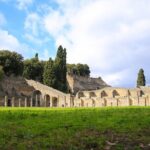
- a visit tied to the Necropolis of 79 AD,
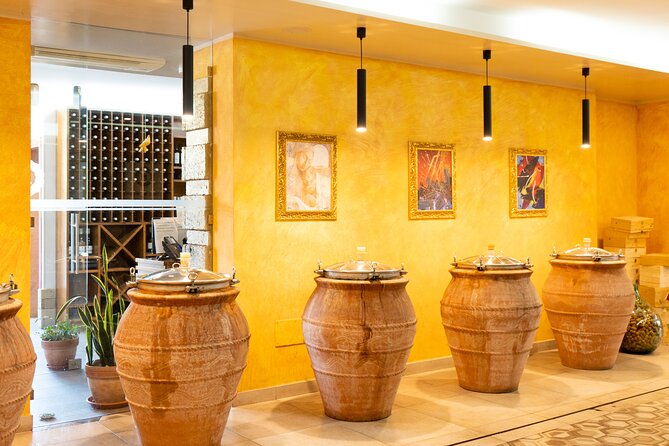
- and then the winemaking and refining spaces where barrels and amphorae come into play.
This is the part I like most for first-time visitors to Pompeii: you’re not just learning facts. You’re seeing the physical tools and processes behind the wine. When you taste later, those details give your palate context. You’re less likely to treat the wines as “something in a glass” and more likely to connect them to how they were produced.
Also, the tour is private. That means your guide can set pace for your group and answer questions as they come up.
The Tasting Welcome: DOP Olive Oil and Bruschetta
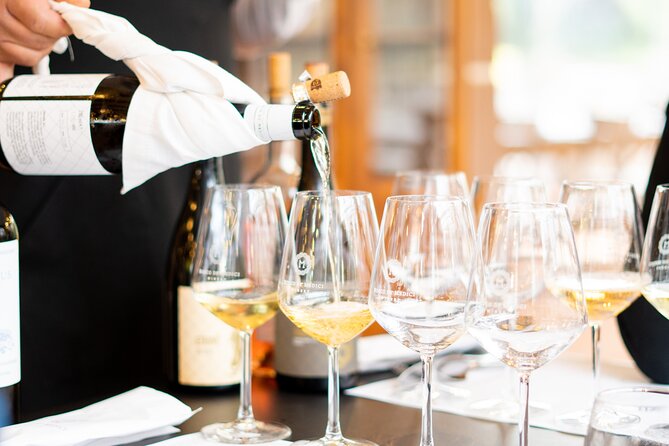
Before the wine really starts, you’ll begin in the cellar with a tasting of DOP olive oil plus bruschetta. This is a smart warm-up course because it changes how you taste everything after.
Olive oil has a distinct profile—fruitiness, bitterness, and that peppery note that can show up at the back of the throat. Pairing it with bruschetta gives you a familiar base so your brain can switch from sightseeing mode into food mode. By the time the wines arrive, you’ll be better at noticing how flavors shift on the tongue.
It’s also a gentle way to start if you’re arriving hungry. The tour runs as a combined tasting and lunch, so you’re not just drinking your way through a meal.
Stop 1 Wines: Four Different Wines Plus a Sparkling Pour
The wine portion is expert-led and structured around sampling four wines + one sparkling wine. That’s a useful number: you get variety, but it’s still manageable in a roughly two-hour experience.
In the estate setting, you also get the “why” behind the flavors. Since the tour highlights ancient Roman techniques and shows you the production spaces—including barrels and amphorae—you’re not tasting in a vacuum. You’re tasting while the guide explains how wine was made and refined.
Practical tip: don’t just sip and swallow. Take a second to notice how each wine feels at the start (aroma), mid-palate (flavor), and finish (the lasting impression). If you have questions—like how the winemaking methods affect taste—this is the moment to ask. A private guide can tailor the explanation to your interests rather than giving a one-size script.
Lunch at a Roman Table: Three Courses That Actually Tell a Story
The food is part of the point here. The lunch is described as inspired by recipes from Ancient Pompeii, which is a big difference from tours that serve standard Italian fare with no connection to the theme.



Starter: Hordeum Salad with Shrimp and Garden Vegetables
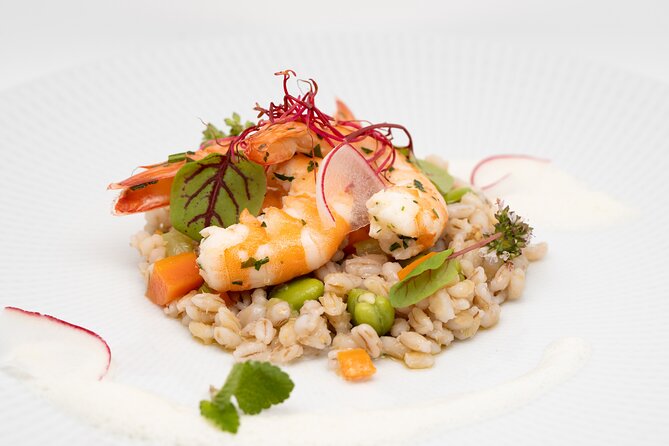
You begin with a Hordeum salad with shrimp, garden vegetables, and a brewed sauce. The name may sound unusual if you’re used to modern salads, but that’s exactly why it fits Pompeii. Hordeum refers to ancient grains, and the idea is to keep the meal connected to Roman staples.
If you like seafood, this starter sets the tone well. The shrimp and vegetable combo also gives you a contrast to the later, heavier courses—so your palate doesn’t feel like it’s stuck in one direction.
First Course: Smoked Tuna with Citrus and Pumpkin Notes
The next course is smoked tuna with mesclun, citrus sauce, and pumpkin in bittersweet. Smoked fish plus citrus is a classic “brightness against depth” combination, and the pumpkin adds a gentle earthy sweetness.
This course can be a great choice for people who worry that Roman-inspired meals will feel too rustic or one-note. The citrus keeps it lively. The mesclun helps it stay fresh rather than heavy.
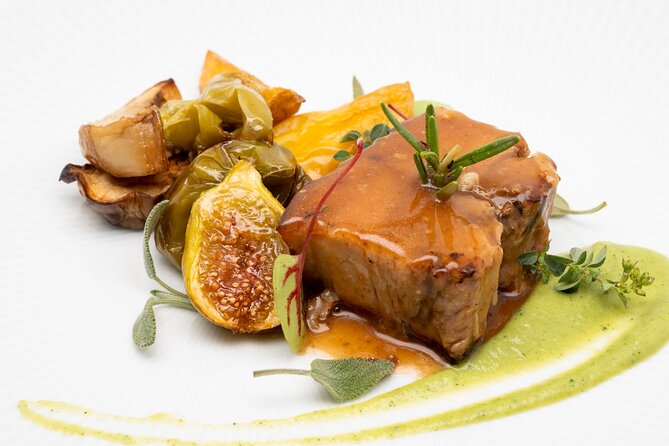
Second Course: Suckling Pig with Wild Herbs and Seasonal Vegetables
Then comes the centerpiece: suckling pig with wild herbs and seasonal vegetables. This is where you’ll likely feel the difference between an everyday lunch and a Roman-style feast.
If you like meat-forward meals, you’ll probably enjoy this most. If you prefer lighter dishes, just know this is the “big course” before dessert—so pace your wine sips and take your time.
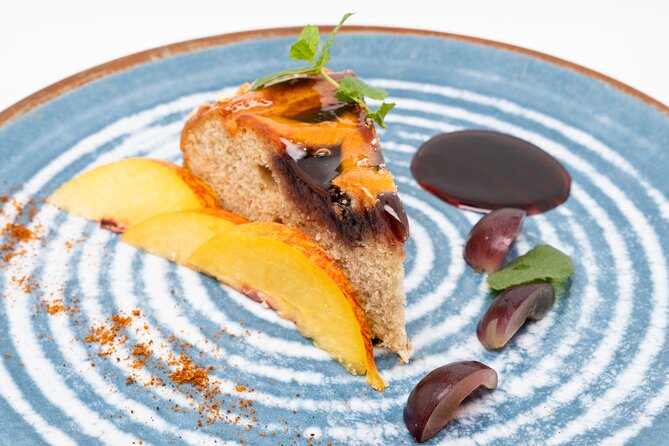
Dessert: Ancient Wheat Cake with Wild Cherries and Black Currants
Finish with an ancient wheat cake paired with wild cherries, blackberries, and black currants. This dessert leans toward tart and dark-fruit flavors rather than a super-sweet profile, which pairs nicely with wine’s lingering notes.
Even if you’re not a dessert person, it’s worth trying at least a few bites because it completes the theme: grains, orchard fruit, and a Roman-style approach to dessert rather than a modern cake template.
Private Tour Value: Why the Guide’s Role Matters

This is set up as a private tour, meaning only your group participates. In practice, that changes the whole feel. Your guide can adjust explanations, slow down at the parts you care about, and guide you from estate history into what you’re tasting right now.
One name that’s been connected with the experience is Christian, and it’s consistent with what you’d want from this kind of tour: friendly, clear storytelling and enough confidence in the subject to answer follow-up questions.
Also, since the experience includes gratuities, bottled water, and admission, you’re not constantly stopping to ask what’s included. That helps you stay in the moment—walking, tasting, and eating without administrative interruptions.
Price and Logistics: Is $78.10 Good Value?
At $78.10 per person for about two hours, you’re not just paying for wine. You’re paying for:
- an expert-led tasting of five wine pours total (four wines plus sparkling),
- a structured 3-course lunch,
- and a guided estate visit that includes multiple historical and production areas.
For Pompeii, where food and guided experiences can add up fast, this package-style pricing tends to be practical. You’re getting a full “experience block” rather than buying separate tickets and meals.
Two logistics points to factor in:
- There’s no hotel pickup or drop-off, so you’ll want to plan your arrival and departure.
- It’s non-refundable and cannot be changed, so lock in your timing before you buy.
One more scheduling note: the posted operating window lists Monday 11:00 AM–1:00 PM for the current range. If you’re visiting on a different day, check carefully so you don’t build your whole day around a time that isn’t running.
Who This Tour Suits Best (And Who Should Skip It)
This is a strong fit if you want:
- a break from the long walk-through of Pompeii,
- food and wine as part of your learning,
- and a guided tasting that focuses on process, not just flavor.
It’s also a good choice if you travel with someone who likes history but gets impatient with museum-style pacing. You’ll be moving, tasting, and eating while still learning what makes the place meaningful.
Skip it (or at least think twice) if:
- you’re hoping for a full Pompeii sightseeing day,
- you dislike meat-forward meals like suckling pig (the menu includes it as the second course),
- or you can’t make a fixed meeting time work on your schedule.
Dietary note: you can request a vegetarian option at booking, and you should advise any specific dietary requirements in advance.
Final Decision: Should You Book Sipping History in Pompeii?
Book it if you want Pompeii to taste like something. This tour is built around the kind of experience that makes memories stick: wine tasting tied to production, an estate walk with Roman references, and a full lunch that keeps the theme going through dessert.
Don’t book it if you only want a light snack and a quick sip. The experience is structured as a tasting plus a 3-course meal, so it’s meant for people who are ready to spend the time tasting and eating, not just browsing.
If your schedule works and you’re staying flexible enough to commit to the time slot, this is one of the more rewarding ways to spend a couple hours outside the classic Pompeii route.
FAQ
How long is Sipping History in Pompeii?
The tour lasts about 2 hours.
What does the tour price include?
It includes a private tour, gratuities, a food tasting (3-course lunch), a wine tasting, bottled water, and an admission ticket.
Are hotel pickup and drop-off included?
No, you’ll need to make your own way to the meeting point.
Where do I meet for the tour?
Meet at Via Antonio Segni, 41, 80045 Pompei NA, Italy.
What wines are included in the tasting?
You’ll sample 4 wines plus 1 sparkling wine.
Is there a vegetarian option?
Yes. A vegetarian option is available if you request it at booking. You should also mention any dietary requirements in advance.
Is the tour offered in English?
Yes, it’s offered in English. The guide may be multi-lingual as well.