REVIEW · KYOTO
Kyoto Highlights: Half Day Customized World Heritage Walking Tour
Book on Viator →Operated by TripGuru · Bookable on Viator
Kyoto in four hours is doable. I love that you can customize the route and even set the start time, so you can time your walk for the parts of Kyoto you care about most. A private guide keeps things practical and adds context as you go.
I also like the mix of big-name sights and calmer stops. Think Nijo Castle and its nightingale floors, then Gion’s historic streets, with a history-forward explanation from guides like Zied who can adapt to what you want to see.
One thing to plan for: entrance fees and transportation aren’t included, and some of the most famous stops typically have ticket costs. If you pick several ticketed sites, you’ll want a little buffer in your budget.
In This Review
- Key highlights you’ll actually feel on the walk
- What this Kyoto walking tour really is (and why it works)
- Price and value: is $125 per person a fair deal?
- Your first hour in Kyoto: getting oriented fast
- Nijo Castle: feudal architecture, plus meaning in the details
- Kiyomizudera: the city views are the payoff
- Gion: old streets, wooden machiya, and culture at human scale
- Kamigamo Shrine: calm, old, and world heritage
- Ota Shrine: iris garden season changes the whole vibe
- Kyoto Botanical Garden: the reset button for tired feet
- How customization helps you build the Kyoto day you want
- Transportation and timing: the two things you should plan yourself
- What it feels like with a great guide (and why Zied’s name comes up)
- Who this tour suits best (and who might want a different format)
- Should you book Kyoto Highlights: Half Day Customized World Heritage Walking Tour?
- FAQ
- How long is the Kyoto Highlights tour?
- Is this tour private?
- What does the $125 per person include?
- Are entrance fees included?
- Do I need to arrange transportation separately?
- Can I choose the attractions and the start time?
- What’s the booking timing like?
- FAQ (continued)
- What is the cancellation policy?
Key highlights you’ll actually feel on the walk
- Total control over your 4 hours: choose attractions and your start time.
- Private, small-group feel: it’s only your group, not a crowd shuffle.
- UNESCO heavy hitters are in the mix: Nijo Castle and Kiyomizudera are part of the suggested flow.
- History comes with the route: the guide’s storytelling is built for what you’re looking at.
- Some stops are free on paper, others aren’t: you’ll want to know where extra tickets may be needed.
What this Kyoto walking tour really is (and why it works)
This is a 4-hour, private walking tour designed to be adjustable. You pick the attractions, you set the start time, and you follow a guide through Kyoto’s world heritage areas without being stuck on a rigid script.
The practical win is simple: Kyoto is huge, and the best day usually depends on your pace, your interests, and your hotel location. With this format, you can build a route that feels like Kyoto instead of a checkbox list.
You also get a real guide-led benefit. The experience includes a guide in your selected language, so you’re not trying to piece together meaning from signage while you’re walking. That matters at places like Nijo Castle, where the structure and design tell a story that is hard to grasp in five minutes.
You can also read our reviews of more tours and experiences in Kyoto.

Price and value: is $125 per person a fair deal?
At $125 per person for about 4 hours, this lands in the “reasonable for private guiding” zone in Kyoto. You’re paying for one-on-one attention (or at least your group only) plus a route that you can shape to match your day.
Where the value can be extra good is when your plan includes several ticketed sights. The tour itself covers the guide and the walking time, while entrance fees and meals are not included. In other words, if you want a true UNESCO hit list in a short window, this tour can save you time deciding and jumping around.
The big cost watch-out is that transportation is also not included. If your chosen sights require hopping between neighborhoods, you’ll likely use trains, buses, taxis, or walking on your own. That doesn’t make the tour “bad,” but it does mean you should do a quick map check before you commit.
Your first hour in Kyoto: getting oriented fast
The suggested flow starts with a 1-hour stop in Kyoto, with admission marked free for this part. I like this approach because it treats orientation as part of the experience, not an afterthought.
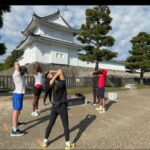
In that first hour, your guide can set the tone: what you’re about to see, how the areas connect, and what details are worth noticing as you walk. It’s also a good moment to adjust the plan if you realize your knees, your timing, or your interests need a tweak.
Even if you’ve already read about Kyoto’s temples and castles, orientation helps you move with more confidence. You stop wandering, start linking buildings to stories, and you waste less daylight trying to figure out where the “important” viewpoints are.
Nijo Castle: feudal architecture, plus meaning in the details
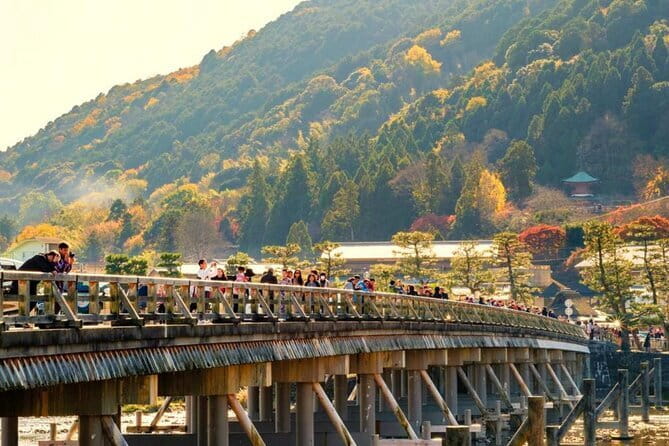
Nijo Castle is one of the UNESCO anchors in this tour’s suggested Central Kyoto mix. The visit block is about 30 minutes, and it’s listed as ticketed (admission not included).
The standout concept here is the nightingale floors. This is one of those Kyoto details that sounds like a trivia fact until you understand why it exists. Your guide can explain the purpose behind the design so it clicks as part of the palace’s security and court life, not just as a gimmick.
Practical tip: if you only have one short castle visit, aim to slow down at the key interior areas rather than trying to rush every corridor. A 30-minute window is enough if you prioritize. It’s also enough time to ask one or two focused questions instead of speed-running.
Potential drawback: castle interiors can be busy depending on your time of day. If you’re sensitive to crowds, set your start time with that in mind and let your guide steer you toward the best pacing.
Kiyomizudera: the city views are the payoff
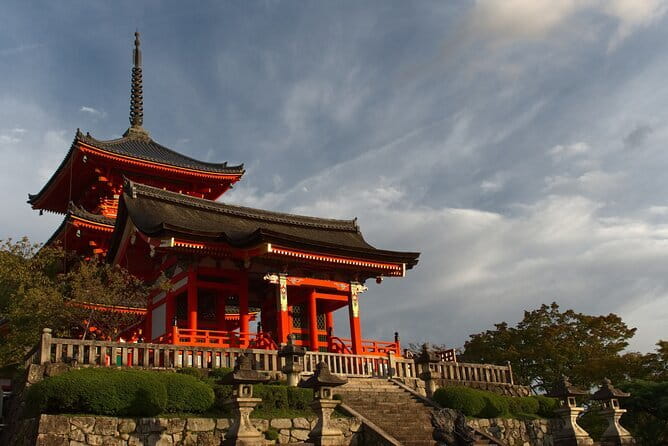
Kiyomizu-dera is another ticketed highlight on the Central Kyoto suggested path, again about 30 minutes. The temple is famous for its wooden stage and its panoramic views, so you’re not just walking through buildings. You’re looking out over Kyoto.
In a short visit, the guide’s job is to help you see the stage as a viewpoint and a design statement. That turns a quick photo stop into something you actually understand.
What I’d watch for: the area around famous temples can require stair climbing and careful footing. If you’re planning multiple ticketed stops, consider whether you want a more relaxed pace here or if you’re set on stacking UNESCO visits.


Gion: old streets, wooden machiya, and culture at human scale
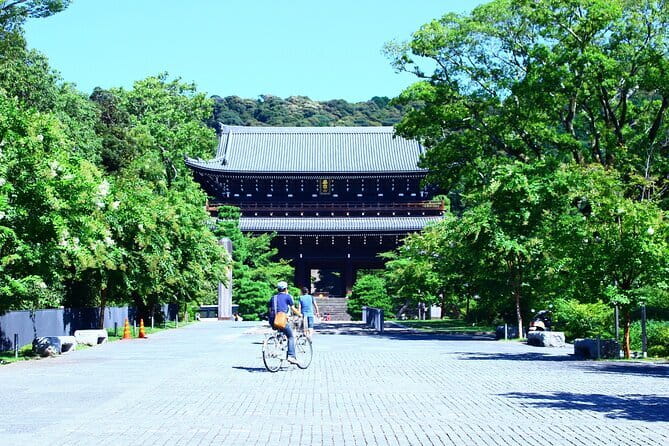
Gion is included as a 30-minute stop in the Central Kyoto suggested itinerary, with admission marked free for this part. That makes Gion a smart use of time because you can enjoy the atmosphere without worrying about another ticket line.
This is also a great contrast stop. After castles and major temple sites, Gion’s lanes and traditional wooden machiya houses feel like a different Kyoto mood—less about monuments, more about neighborhood character.
If you’ve come for geisha culture, your guide can help you understand what you’re seeing without turning it into a spectacle. You’ll get context for the district’s historic role and what to notice in the streets, rather than just chasing the most famous angles.
Kamigamo Shrine: calm, old, and world heritage
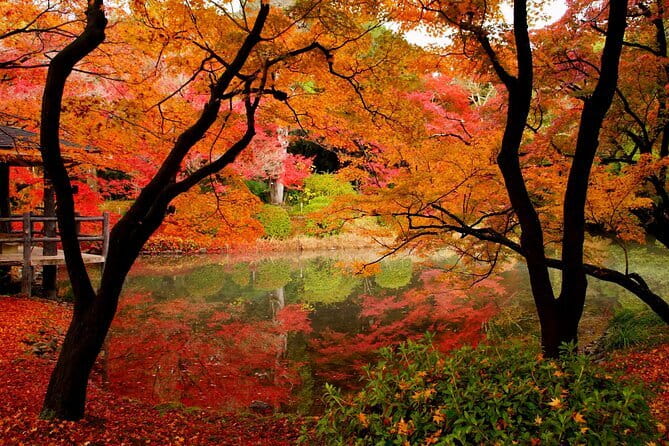
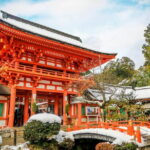
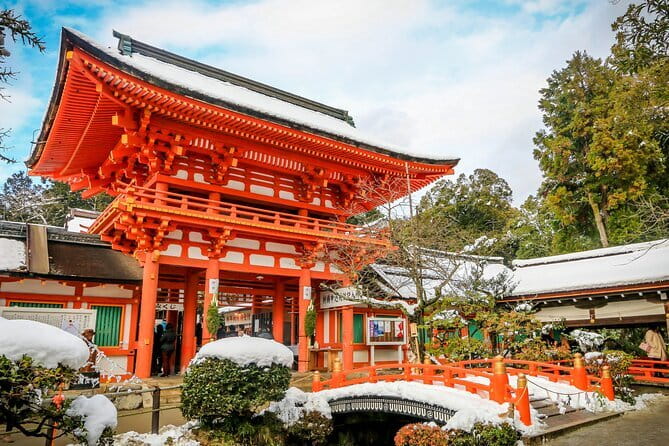
Kamigamo Shrine is included as a 30-minute North Kyoto suggested stop, with admission not included. It’s described as one of Kyoto’s oldest Shinto shrines and a UNESCO World Heritage site, known for its serene setting and traditional architecture.
This is where I’d lean if you want Kyoto to feel quieter and more timeless. Compared with the big tourist anchors, a shrine visit gives you space to slow your pace and pay attention to architecture and setting.
A practical thought: shrine grounds can be peaceful, but they also involve walking through areas that may not be perfectly flat. If you’ve been sprinting across the city, this stop is a good place to reset your rhythm.
Ota Shrine: iris garden season changes the whole vibe

Ota Shrine is another North Kyoto suggested stop at about 30 minutes, also ticketed (admission not included). The key detail here is the iris garden, especially vibrant during blooming season, plus the tranquil, wooded surroundings.
Even if you don’t travel in peak bloom timing, Ota Shrine can still work as a nature-and-shrine pause. The wooded surroundings give you a break from temple crowds and city noise.
One consideration: if irises are central to your wish list, you’ll want to align your tour day with the season. The tour is customizable, so you can prioritize Ota Shrine when the timing is right.
Kyoto Botanical Garden: the reset button for tired feet
Kyoto Botanical Garden is included in the Northern Kyoto suggested itinerary as a 30-minute stop, with admission not included. Think of it as a gentle change of pace between shrines.
This is where you can slow down and enjoy seasonal blooms and plant collections without the intensity of major landmarks. It’s also a practical choice when you want a short nature break but still want your guide’s context.
If you’re paying attention to comfort: botanical gardens can be pleasant, but they do involve walking paths. If you’re trying to keep the day efficient, treat this stop as a planned recovery moment, not an all-day wander.
How customization helps you build the Kyoto day you want
The biggest strength of this tour is the control. You can choose attractions and set your start time, which makes it easier to match Kyoto to your travel style.
Here are a few ways I’d use that flexibility:
- If you want UNESCO power fast: prioritize Nijo Castle and Kiyomizudera.
- If you want quieter Kyoto: lean into Kamigamo Shrine, Ota Shrine, and the Botanical Garden.
- If you want a classic Kyoto neighborhood feel: add Gion as your atmospheric buffer.
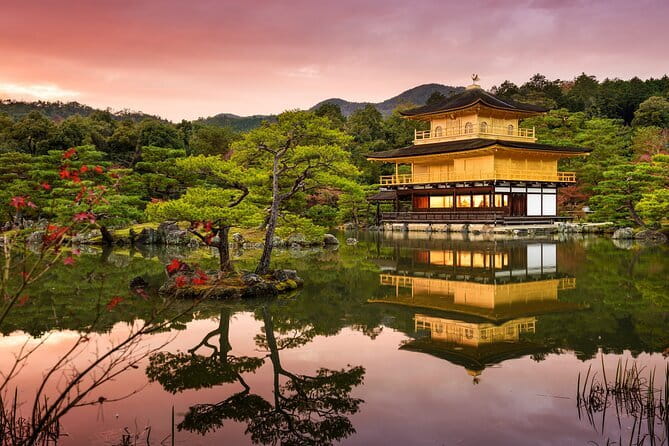
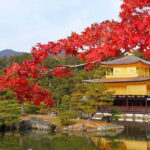
The overview also mentions iconic options like Kinkakuji Golden Pavilion. Since the tour is customizable, you can treat that as a potential swap if it fits your timing and route planning.
My advice: decide your “must-see” first, then let the guide fill in the best supporting stops. With only about 4 hours, stacking too many categories can turn the day into a frantic march.
Transportation and timing: the two things you should plan yourself
Transportation isn’t included, and the tour is near public transportation. That’s useful, but it still means you should have a simple plan for how you’ll reach the start point and move between chosen areas.
Timing is your lever. Setting the start time lets you avoid the worst crowd windows for the places you care about most. It can also help you coordinate ticketed stops so you’re not rushing inside.
Also, remember that some listed stops have admission free status while others are ticketed. Build your route with that in mind so you’re not surprised by extra entrance fees mid-tour.
What it feels like with a great guide (and why Zied’s name comes up)
One review mentioned Zied and praised his full knowledge of Japan’s history, plus how he accommodated the places they wanted to see. That tells you something important about the experience: the guide isn’t just reciting facts. They’re adjusting to your interests.
That matters most at places where details shape the whole meaning, like palace design or temple stage architecture. You get more from the visit when someone ties what you’re seeing to why it matters.
If you prefer a guided walk where you ask questions freely, this tour’s private format should fit well. If you prefer silence and only minimal explanation, you can still get value by asking for short context at each stop.
Who this tour suits best (and who might want a different format)
This tour is a great fit if:
- You want a private, customizable route rather than a fixed bus-style day.
- You want UNESCO sites in a limited time window.
- You like history and context while walking, not just “see and move on.”
It may not be the best fit if:
- You’re trying to cover a long list of far-apart neighborhoods on foot without using transit.
- You hate managing entrance fees. Some of the marquee stops are ticketed.
- You want a self-guided day with no guide involvement at all.
For many people, the best strategy is to pick 2–3 headline areas plus one atmospheric stop. That keeps the day enjoyable and lets your guide steer you instead of you sprinting to fit everything in.
Should you book Kyoto Highlights: Half Day Customized World Heritage Walking Tour?
I’d book it if you want a short, high-quality Kyoto day with real flexibility. The combination of private guiding, customizable route, and an itinerary that can swing between major UNESCO landmarks and calmer shrine or garden stops makes this a strong value for time-crunched travelers.
I would hold off if your plan is ultra-budget and you’d rather pay only for transit and skip paid attractions. In that case, you might save money by doing a DIY route. But if you’re set on seeing places like Nijo Castle and Kiyomizudera in one half-day, paying for guidance can be the difference between a stressed scramble and a coherent, satisfying walk.
If you do book, put thought into your must-sees first, then let the guide shape the rest. That’s where this tour earns its $125-per-person value.
FAQ
How long is the Kyoto Highlights tour?
It’s about 4 hours.
Is this tour private?
Yes. It’s private, and only your group will participate.
What does the $125 per person include?
The tour includes a guide in your selected language and the 4-hour customized tour.
Are entrance fees included?
Entrance fees are not included. Some stops are listed as admission ticket free, while others are listed as admission ticket not included, so you should expect to pay for tickets at certain sites.
Do I need to arrange transportation separately?
Yes. Transportation is not included.
Can I choose the attractions and the start time?
Yes. The tour is customizable, and you can choose attractions and set your start time.
What’s the booking timing like?
On average, it’s booked about 32 days in advance.
FAQ (continued)
What is the cancellation policy?
You can cancel for a full refund if you cancel at least 24 hours before the experience start time. If you cancel less than 24 hours before, the amount paid is not refunded.