REVIEW · ST AUGUSTINE
Walking Guided History Tour of Old St. Augustine
Book on Viator →Operated by Spyglass Tours · Bookable on Viator
St. Augustine makes sense on foot. In about 1 hour 30 minutes, this small-group walking history tour connects the city’s Spanish beginnings, defensive walls, and Flagler-era changes into one easy story, with lots of Q&A time as you go. I especially like how the route threads key icons like the Bridge of Lions and the Plaza de la Constitucion into the bigger why-this-mattered picture.
One thing to plan for: it’s a real walk through downtown. If you’re sensitive to heat or long pavement, bring water and wear shoes you can trust, and know the experience depends on good weather.
In This Review
- Key things to love about this Old St. Augustine walk
- Why this walking tour works so well in St. Augustine
- Plaza de la Constitucion: starting where the city always gathered
- Bridge of Lions: the icon, plus the story behind it
- Castillo de San Marcos: the oldest stone fortress energy
- City Gate Spirits: what’s left of the old wall
- Tolomato Cemetery: the oldest Catholic burial ground in Florida
- Grace United Methodist Church: Flagler’s first church in the new St. Augustine
- Memorial Presbyterian Church: architecture lovers get their moment
- Flagler College history: the Ponce de Leon Hotel ripple effect
- What the guide brings: stories, questions, and practical help
- Pace, timing, and how to enjoy all eight stops
- Value check: is $25 worth it?
- Should you book this Old St. Augustine history walk?
- FAQ
- How long is the Old St. Augustine walking history tour?
- How much does the tour cost?
- What language is the tour offered in?
- Is the tour a small group?
- Where do I meet for the tour?
- Does the price include admission tickets?
- Is the tour canceled for bad weather?
- Is free cancellation available?
Key things to love about this Old St. Augustine walk
- Small group size (max 15) for better back-and-forth with the guide
- 90-minute pace that’s long enough for real context, not so long that you fade
- Icon-to-context stops like the Bridge of Lions, City Gate Spirits, and Flagler-era churches
- Rain-ready guides who may come prepared with ponchos if weather turns
- Staff who answer questions and offer practical help before you start (like reminders for water or restrooms)
- Designed for first-timers and repeat visitors plus anyone who likes history details
Why this walking tour works so well in St. Augustine
St. Augustine has a lot of “things to see,” but it can feel like a pile of landmarks if nobody ties them together. This tour is built to do that connecting for you. In a short stretch of downtown, you’ll move through Spanish-era power and protection, then into the later Gilded Age era when Henry Flagler helped transform the city into a high-profile destination.
The payoff is how quickly the city starts to click. You’re not just looking at old buildings and stone bridges—you’re learning what they were for, who depended on them, and why people kept building and reinventing the place across centuries. I also like that the tour format makes room for questions. With a max of 15 people, you’re not stuck listening while your curiosity sits in your chest.
You can also read our reviews of more tours and experiences in St Augustine.


Plaza de la Constitucion: starting where the city always gathered
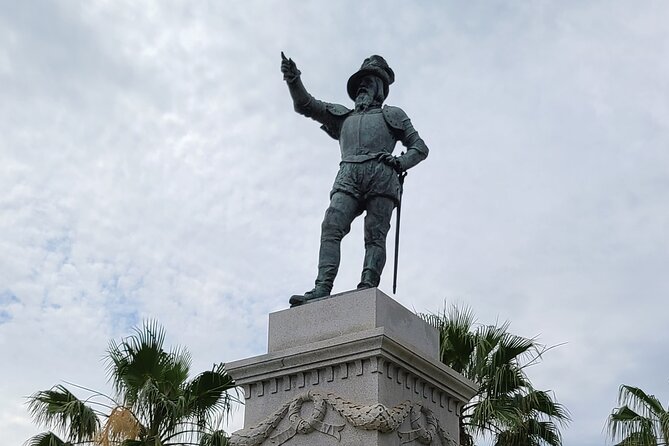
Your tour begins at the Plaza de la Constitucion, the traditional heart of the colonial city. This matters because plazas weren’t decorative. They were the social and political center—where people watched announcements, handled business, and gathered as the colony evolved.
As you stand here, your guide frames what St. Augustine was trying to become. You’ll hear how the city’s layout and public spaces supported daily life and authority. It’s a small start that sets expectations: you’re about to see defenses, gates, churches, and burial grounds, and the plaza gives you a mental map for why all of that sat in the same urban orbit.
Practical tip: If you’re the type who likes to take photos first and then listen, this is your moment to do it—because the rest of the route moves at a walking pace with quick interpretive stops.
Bridge of Lions: the icon, plus the story behind it
Next comes the Bridge of Lions, one of St. Augustine’s instantly recognizable symbols. The bridge is also a hook into the story of Florida’s Spanish founding era. You’ll connect the physical icon to the bigger narrative—how the Spanish shaped the colony and how later generations kept returning to and reusing the city’s visual identity.
Even if you’ve seen the bridge in photos, you’ll get more from the explanation than from the view alone. Your guide will help you understand why this spot became a landmark: not only because it’s photogenic, but because it sits within the urban story you’re building stop by stop.
Why it’s worth it: Bridges are often treated like backdrops in travel photos. Here, it’s a turning point in the timeline—so you can start placing the rest of downtown in the right order.
Castillo de San Marcos: the oldest stone fortress energy
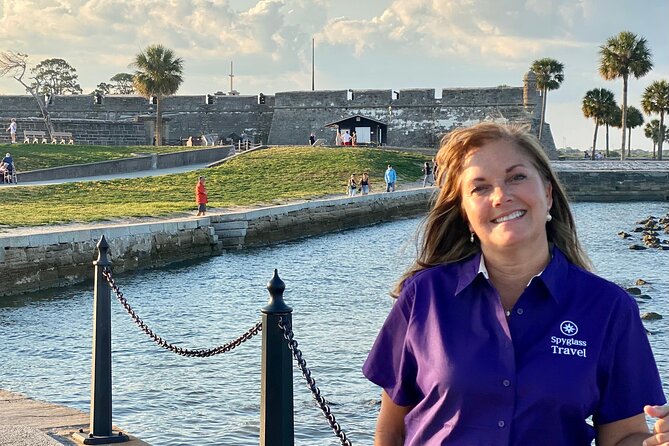
From the bridge, you move to the Castillo de San Marcos National Monument, often called the city’s old fort. This is where the tour turns from city life into the language of defense. You’ll learn why this fortress was such a central piece of the city’s protection—and why it’s known as the oldest stone fortress in North America.
What I like about this stop is that it’s not just “cool fort facts.” The explanation helps you picture what the city had to defend against, and why strong fortifications mattered in the early Spanish era. It also gives you a framework for understanding later sites like city gates and wall sections.
One note: admission to the Castillo is not included in the tour price. The experience is still designed for you to follow along with the story at this stop, but if you plan to go inside, check entry costs separately.
City Gate Spirits: what’s left of the old wall
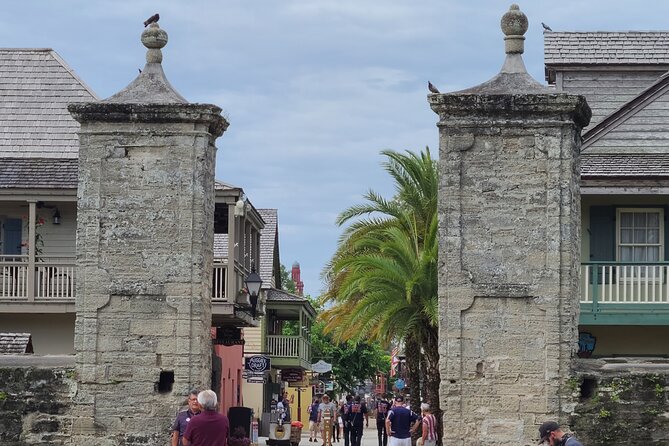
Then you’ll reach City Gate Spirits, tied to the only portion of the city wall that still exists. That detail is a big deal. Many historic cities lose most of their original defensive structures—so when something survives, it becomes a living document.
Here, your guide focuses on how the location protected the colony and what it meant for daily movement and control. You’ll hear how walls and gates weren’t just military toys; they shaped how people entered and left, how goods moved, and how the colony defended itself over time.
If you’re the type who likes to understand the “how did this function” part of history, this is one of the most satisfying stops. It turns stonework into a practical story.





Tolomato Cemetery: the oldest Catholic burial ground in Florida
At Tolomato Cemetery, the tour shifts from defense and architecture to the people who lived (and died) under the colony’s changing rules. This is the oldest Catholic cemetery in Florida, and it’s packed with names that can be both famous and infamous.
What you’ll get here is context—how the cemetery fits into the story of faith, community, and the way St. Augustine remembered its own. Burial sites can sound heavy on a walking tour, but the guide keeps it grounded: who mattered, why, and what their presence tells you about the city’s social and political life.
Consideration: Cemetery stops can feel emotionally intense if you’re not in the mood for solemn history. If that’s you, you might still enjoy it—just pace yourself and know it’s meant to be reflective.
Grace United Methodist Church: Flagler’s first church in the new St. Augustine
Grace United Methodist Church comes next, and it connects directly to Henry M. Flagler’s role in the Gilded Age revival. You’ll see the first church Flagler constructed as part of his development of St. Augustine, and you’ll learn how it supported his plans to revitalize the city.
This is a pivot point. Up to now, you’ve been learning about the Spanish colonial era and the physical structures that protected the city. Now you’re seeing how the city changed when wealthy outsiders arrived and when development reshaped what “St. Augustine” was marketed to become.
This stop is also a good reminder that history isn’t only old stone. It’s power, money, and decisions that altered the city’s rhythm.
Memorial Presbyterian Church: architecture lovers get their moment
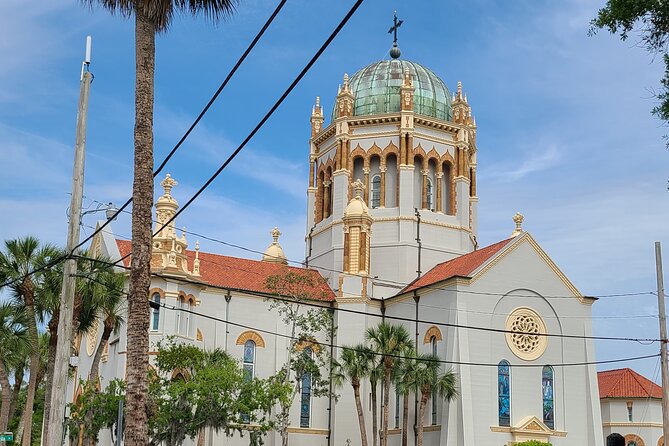
Memorial Presbyterian Church is next, and it’s widely considered one of the most beautiful buildings in the city. Your guide frames it as a lasting tribute to Flagler’s family and his influence on the area.
I like this stop because it gives you permission to enjoy the building without treating it as random decoration. The stories behind it help you “read” the architecture: who built it, why it mattered to the people in charge, and how such buildings signaled status in the Gilded Age.
This is also a strong pause for photos. Since the explanation is tied to the building’s story, your pictures feel more meaningful than a generic snapshot.
Flagler College history: the Ponce de Leon Hotel ripple effect
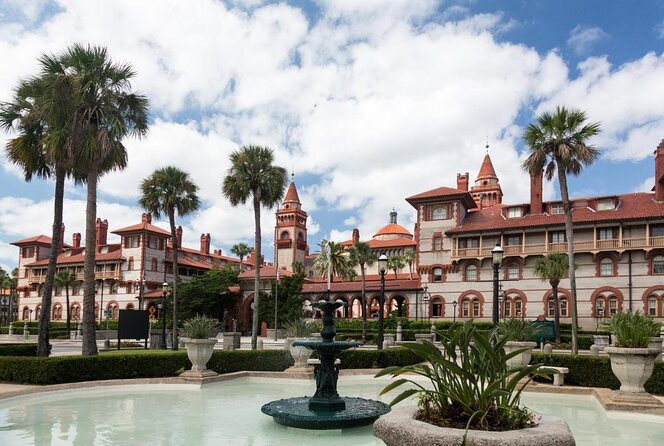
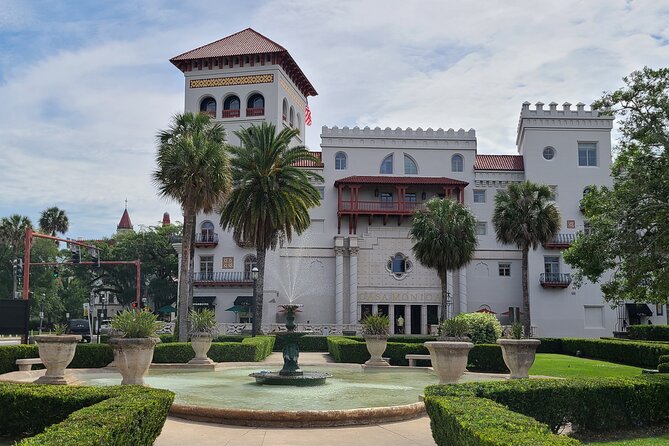
The final stop is Historic Tours of Flagler College, tied to the former Ponce de Leon Hotel. This is where the Gilded Age story becomes obvious on the street.
You’ll learn how the Ponce de Leon Hotel drew some of the richest and most powerful people of the era to what had been a quieter town. And you’ll hear how that shift changed not only St. Augustine, but also the wider state-level trajectory.
Like the Castillo, admissions for this stop are not included. Still, the tour’s main strength here is the narrative link: you leave with an understanding of why the city suddenly mattered more, to more people, for more reasons.
What the guide brings: stories, questions, and practical help
One of the most consistent themes in the experience is the guide’s style. You’ll be in a small group, which makes interaction real—your questions don’t get swallowed by a crowd. Guides like Angie and Kevin are noted for answering questions and sharing details that help you move from dates to meaning.
There’s also a practical edge. On rainy days, ponchos may show up—because Florida weather can switch fast. Some guides also send a quick heads-up message about helpful basics like where to find coffee, water, or restrooms before the walk starts, which makes the tour day feel smoother.
And if something goes wrong for someone in the group, it’s reassuring to see that the provider has handled last-minute issues with care, including refund help when a participant couldn’t attend due to illness.
Pace, timing, and how to enjoy all eight stops
This is a 1 hour 30 minutes, downtown-focused walk with brief stops—about 10 minutes each. That format is ideal if you want:
- a structured order (so you don’t zigzag downtown blindly)
- enough time for explanations at key sites
- not having to commit to long indoor visits
Still, you’ll be doing walking between locations. Wear supportive shoes, and if your schedule includes a lot of sun after, plan this as an earlier anchor in your day so you’re not rushing later.
Timing tip: The tour starts at 10:00 am. If you’re sensitive to heat, you’ll get a cooler part of the day for the hardest stretches of pavement.
Value check: is $25 worth it?
$25 for 1.5 hours can feel like a “why not just walk myself” decision. Here’s the value angle: the tour doesn’t just mark spots—it gives you a storyline that saves you time and guesswork.
For first-timers, this is an efficient way to build a mental map. You’ll know what to care about next as you explore on your own. For repeat visitors, it works because you’re not covering new buildings—you’re getting fresh framing about the same places: Spanish defense, gate function, burial-era context, and Flagler’s development impact.
If you love history but don’t want to spend your vacation reading plaques like homework, this is a practical compromise: guided context plus the freedom to keep walking afterward.
Should you book this Old St. Augustine history walk?
Book it if you want St. Augustine to feel understandable fast. This tour is built for people who like asking questions and getting the “why” behind famous landmarks—Plaza de la Constitucion, Bridge of Lions, the fort, the surviving wall section, Tolomato Cemetery, and Flagler’s church and hotel story.
Skip it only if you strongly prefer self-guided exploration with no back-and-forth and you don’t want any walking commitments. Otherwise, it’s a solid, fairly priced way to start your day with structure and leave with a clearer sense of how the city became the city.
FAQ
How long is the Old St. Augustine walking history tour?
It’s approximately 1 hour 30 minutes.
How much does the tour cost?
The price is $25.00 per person.
What language is the tour offered in?
The tour is offered in English.
Is the tour a small group?
Yes. The maximum group size is 15 people.
Where do I meet for the tour?
The meeting point is USCG E2C Memorial, 1-51 Granada St, St. Augustine, FL 32084.
Does the price include admission tickets?
Admissions fees are not included. The tour notes that Castillo de San Marcos National Monument and Historic Tours of Flagler College have admissions not included, and admissions to visited locations are not required as part of this experience.
Is the tour canceled for bad weather?
Yes. If it’s canceled due to poor weather, you’ll be offered a different date or a full refund.
Is free cancellation available?
Free cancellation is available. You can cancel up to 24 hours in advance for a full refund, and changes within 24 hours of the start time aren’t accepted.