REVIEW · ST AUGUSTINE
Wicked St. Augustine: Bootleggers, Brothels & Gambling in the Ancient City
Book on Viator →Operated by Spyglass Tours · Bookable on Viator
St. Augustine has a second, darker storyline. This Wicked St. Augustine tour focuses on Bootleggers, Brothels & Gambling—walking you past the physical spots where the city’s underworld operated, while you connect the dots on the vice-driven side of its growth. I love that it treats the topic like real local history, not spooky theater, and it keeps returning to how people actually lived and made money.
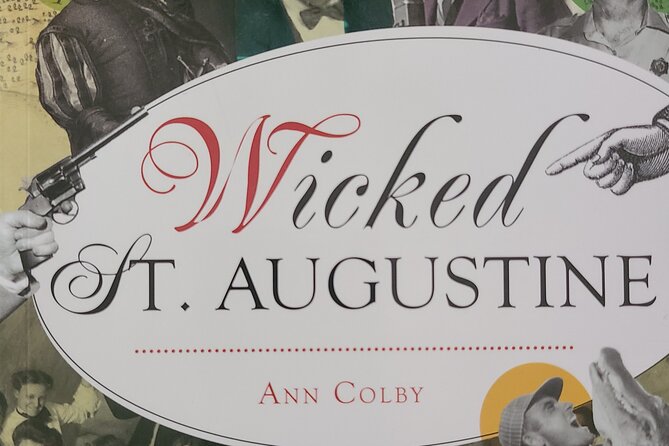
Two things I especially liked: the stop-and-sit pace (you’re not trudging for miles), and the guide’s author-level depth—Ann Colby is known for writing on St. Augustine’s “wicked” industry. One consideration: the tour is advertised at about 1.5 hours, but it often runs longer, so plan your evening with extra breathing room if you have reservations.
In This Review
- Key things to know before you go
- The Wicked St. Augustine angle: vice, gambling, and why St. George Street mattered
- Lightner Museum courtyard: the luxury backdrop to darker deals
- Flagler College and Henry Flagler: the Gilded Age story with uncomfortable edges
- St. George Street: private clubs, speak easies, and the street-level machinery of vice
- Plaza de la Constitucion: gambling halls and the coded language of brothel life
- The pacing: short strolls, mostly listening, and how to plan your time
- Price and value: why $30 can feel like a bargain here
- Who this tour is best for (and who should think twice)
- Should you book Wicked St. Augustine?
- FAQ
- How long is the Wicked St. Augustine tour?
- How much does it cost?
- Where does the tour start?
- Is the tour in English?
- Is there a group size limit?
- Do I need good weather?
- Can I bring a service animal?
Key things to know before you go
- Vice history you don’t get on the postcard tours, tied to specific corners of downtown
- Short distances, more standing/sitting than long walking—easy on your feet
- Stops built around big names and big money (think Flagler) with a darker counterpoint
- Adult themes, centered on gambling, speak easies, and brothel-coded boarding houses
- Small group size (up to 26), which helps the storytelling land
- Good weather required, since it’s an outdoor city walk
The Wicked St. Augustine angle: vice, gambling, and why St. George Street mattered
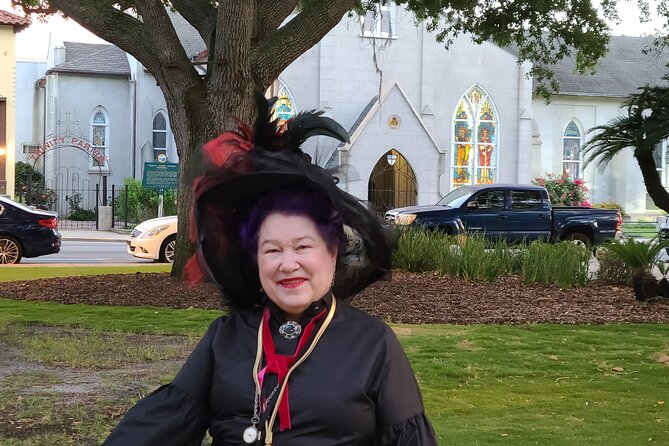
This is not a gentle “ghosts and legends” stroll. The whole point is the underbelly: illegal private gambling clubs, speak easies, bootlegging, and the way brothels were hidden in plain sight through coded language.
What I like about this approach is that it explains how the city worked. St. Augustine didn’t just endure—it attracted outsiders, brought money into town, and created a shadow economy to match. Once you start hearing those patterns, the city’s famous streets stop feeling like a museum and start feeling like something people built around opportunity.
If you already know the standard St. Augustine story, you’ll probably enjoy this more, because the tour leans on that context. You’ll get the “then” and “why,” not just a list of sites.
You can also read our reviews of more tours and experiences in St Augustine.


Lightner Museum courtyard: the luxury backdrop to darker deals
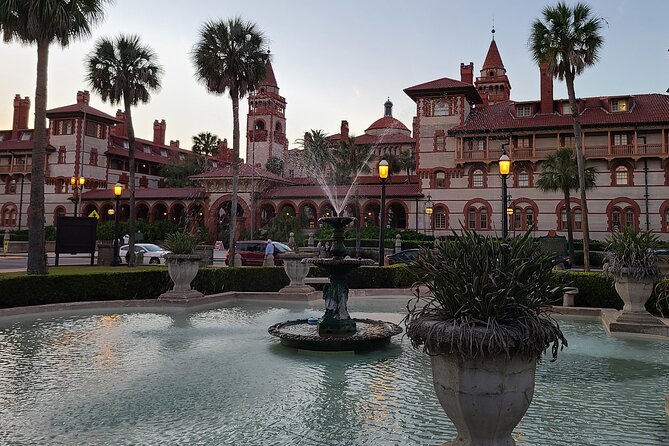
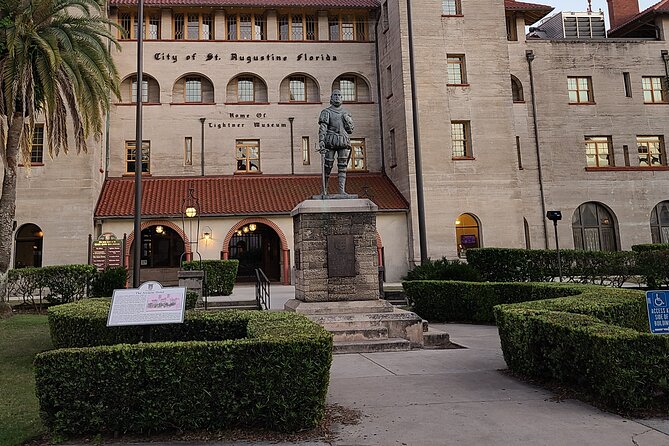
The tour starts at the Lightner Museum at 75 King St., in the courtyard space tied to the former Alcazar Hotel. Even before the stories get “wicked,” this setting does work for you. The architecture and the Gilded Age vibe create a strong contrast: high-end visitors on one side, under-the-table business on the other.
You’ll also see a quick visual link to Henry Flagler’s world. The Lightner Museum courtyard looks out toward the old Ponce de Leon Hotel, now Flagler College, and that connection matters later when the tour shifts from glamour to influence.
This first stop is a good warm-up because it sets the tone: St. Augustine’s vice didn’t exist in a vacuum. It relied on the same networks that supported luxury tourism and big-city investment.
Flagler College and Henry Flagler: the Gilded Age story with uncomfortable edges
Next you move to the Historic Tours of Flagler College, built on the old Ponce de Leon Hotel. If you’ve heard only flattering stories about Henry Flagler, this stop offers the other side—how wealth and ambition shaped the city’s momentum, and how the social economy grew along with it.
The tour also makes you pay attention to the details people tend to skip. One example mentioned in the tour narrative is the sort of progress that didn’t land only with the richest newcomers—like the talk around early ensuite bathrooms and the idea that “luxury” had a wider footprint than you might assume.
This is one reason the tour feels different from typical downtown history walks. It frames progress and vice as neighbors, not opposites. You come away thinking about how money attracts opportunity, and opportunity attracts characters who don’t ask permission.
St. George Street: private clubs, speak easies, and the street-level machinery of vice
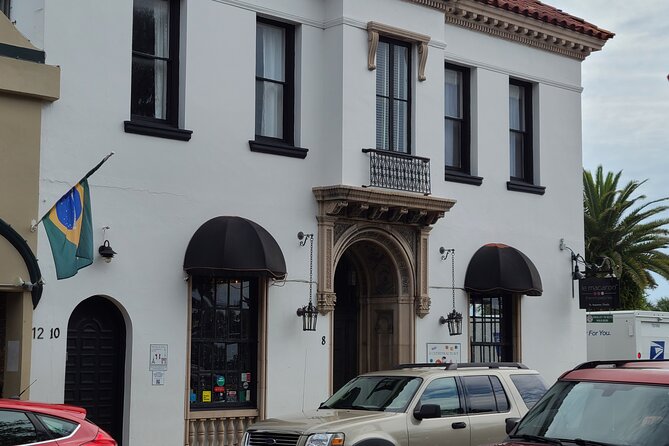
Then it’s onto St. George Street, the kind of street you instantly recognize from photos. Here, the tour shifts from big-picture context into the geography of wrongdoing: the private clubs that lined this stretch and adjoining areas, plus the speak easies and boarding-house connections.
This is where you’ll start mapping the city like a criminal would—less “what happened historically,” more “where did the meetings happen, and who needed secrecy?” The walking is minimal, but the storytelling is dense, and it ties together the everyday logistics behind the illegal entertainment.
A key theme is that these were not always dramatic, far-away dens. They were part of the town’s fabric, serving different customer types—working men, wealthy vacationers, and people looking for escape. Once you hear the tour’s explanations of who sought what, the street becomes more than scenery. It becomes a map of demand.
If you’re the type who likes your history with moral complexity, you’ll probably enjoy this portion the most.
Plaza de la Constitucion: gambling halls and the coded language of brothel life
The tour finishes at the Plaza de la Constitucion, where the focus stays on vice—but with more clarity about the way brothel culture operated through “code.” The tour explains that boarding houses functioned as a euphemism, a way for adult commerce to keep moving while still appearing respectable to outsiders.
This stop also gives you a sense of continuity across time. Prohibition-era references show up as part of the broader picture: when the country tightened rules elsewhere, St. Augustine’s culture and economy still found ways to keep attracting vice and money.
What’s valuable here is not shock value. It’s cause-and-effect. You learn how a tourist-friendly city can also become a magnet for illicit services, and how language and respectability acted like a cover system.
By the time you’re done, you’ll likely look back at familiar landmarks—Flagler College, the Lightner Museum area, and St. George Street—and you’ll see them with a more layered mental model.




The pacing: short strolls, mostly listening, and how to plan your time
Even though the tour is listed at about 1 hour 30 minutes, multiple notes point to a longer experience in practice. The common thread is simple: the guide’s stories run long because there’s a lot to cover, and it’s told in a way that keeps pulling you forward.
The good news for your legs: this isn’t a long-distance workout. You’re dealing with a downtown route with only a few blocks of walking and frequent opportunities to stop. That makes it a smart choice if you want history that’s physical-light.
What to bring depends on the season, but you should plan for outdoor time. A lightweight layer helps if evening is cool, and if you have back/hip issues, wear comfortable shoes anyway. Since good weather is required, it’s worth checking the forecast before you decide what else you’ll do that night.
Price and value: why $30 can feel like a bargain here
At $30 per person, this tour is priced for value because you’re not just paying for the sights. You’re paying for interpretation—someone connecting architecture, streets, and social patterns into a story you won’t hear from generic walking tours.
Small group size (up to 26) also matters. It’s easier to ask questions and keep the tone human, not rushed. And because the pace is relatively relaxed, you’re getting “content per minute,” not “minutes per minute.”
If you’re a history-first traveler, the value is even clearer. The guide’s depth is the selling point—particularly the author-level expertise associated with Ann Colby. When a tour is built around researched detail, the ticket cost feels less like entertainment and more like a field lecture you get to walk to.
Who this tour is best for (and who should think twice)
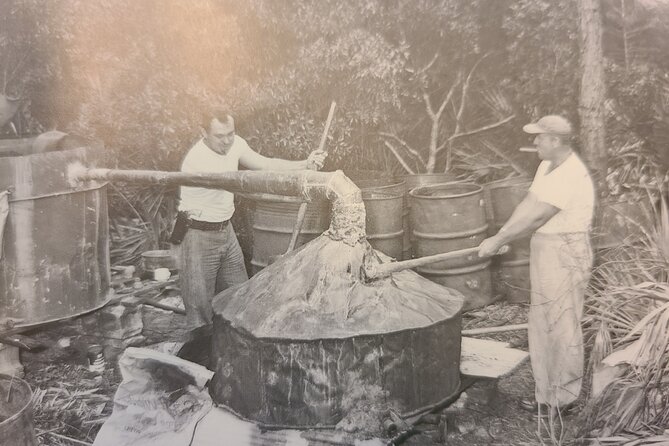
This tour is a strong fit if you enjoy history that doesn’t sanitize the past. If you like the St. Augustine classics but want the street-level side—gambling, speak easies, bootlegging, and brothels operating through coded systems—you’ll have fun here.
It’s also a good match if you prefer short walking, more listening. If your dream St. Augustine day includes getting your bearings, then settling in for story time, you’ll probably like this format.
Think twice if you need a family-friendly tone. The subject matter is adult by nature, and the tour focuses on vice industry themes rather than general sightseeing.
Should you book Wicked St. Augustine?
I’d book it if you want St. Augustine with more honesty and more grit than the standard downtown circuit. The route is compact, the storytelling is the main event, and the sites—Lightner Museum area, Flagler College, St. George Street, and Plaza de la Constitucion—give the stories real anchors.
Skip it only if you’re short on time, because the experience can run longer than the advertised window. Or if adult content makes you uncomfortable, choose a different tour that matches your vibe.
If you’re curious about how cities actually work—money, secrecy, and human choices—this one is worth your evening.
FAQ
How long is the Wicked St. Augustine tour?
The tour is listed at about 1 hour 30 minutes.
How much does it cost?
It costs $30.00 per person.
Where does the tour start?
The meeting point is at the Lightner Museum, 75 King St, St. Augustine, FL 32084.
Is the tour in English?
Yes, it’s offered in English.
Is there a group size limit?
Yes. The maximum group size is 26 travelers.
Do I need good weather?
Yes. The experience requires good weather, and if it’s canceled due to poor weather you’ll be offered a different date or a full refund.
Can I bring a service animal?
Yes, service animals are allowed.