REVIEW · MARRAKECH
World Heritage Ksar Ait Ben Haddou Ouarzazate, Tour of 1 Day, Guided Small Group
Book on Viator →Operated by Marrakech Tours · Bookable on Viator
One day in the Atlas feels like two. This is a long-but-satisfying day trip built around two big visual hits: the UNESCO Aït Ben Haddou kasbah and the mountain road over Tizi-n’Tichka.
I really like how the tour keeps it simple for you: hotel/riad pickup and a small group (max 15) means less time wrangling taxis and more time looking at the views. The main consideration is the timing—plan for a full 12-hour day with a minibus ride that can feel tight if you’re tall or picky about legroom.
In This Review
- Key things that make this day trip work
- The big draw: Aït Ben Haddou’s mud-and-straw kasbah feel
- Crossing Tizi-n’Tichka: the pass is the show
- Ouarzazate in one hour: Taourirt Kasbah and the film-capital vibe
- Price and logistics: why $30.21 can still feel like a lot
- Guides and on-site choices: the difference between a good day and a stressful one
- What the timing feels like in real life (and how to prep)
- Who this is best for
- Should you book it? My decision rule
- FAQ
- How long is the tour?
- What time does the tour start, and when does it end?
- Is hotel or riad pickup included?
- What’s the maximum group size?
- Is there an admission ticket included for Aït Ben Haddou?
- What do you see in Ouarzazate?
- Do I get a mobile ticket?
- What happens if weather is bad, or if I need to cancel?
Key things that make this day trip work
- UNESCO time at Aït Ben Haddou (about 3 hours): enough hours to walk the site at your own pace after the main viewpoints.
- Tizi-n’Tichka pass at 2,260 meters: the drive is part of the experience, not just a transfer.
- Ouarzazate as film-country: quick stop with sights tied to the rocky “Sahara gateway” look.
- Hotel/riad round-trip transfers: no taxi scramble, just a scheduled pickup and return.
- A cap of 15 people: helps keep the day from turning into a cattle-car tour (though seating can still be basic).
- Optional local guide at the kasbah: you get the choice to add interpretation for a small charge on-site.
The big draw: Aït Ben Haddou’s mud-and-straw kasbah feel
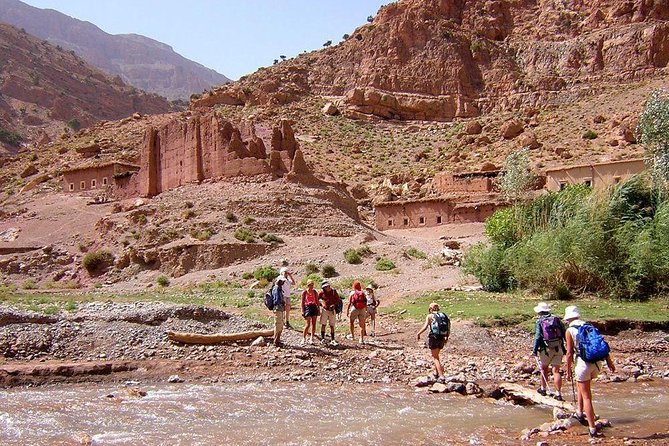
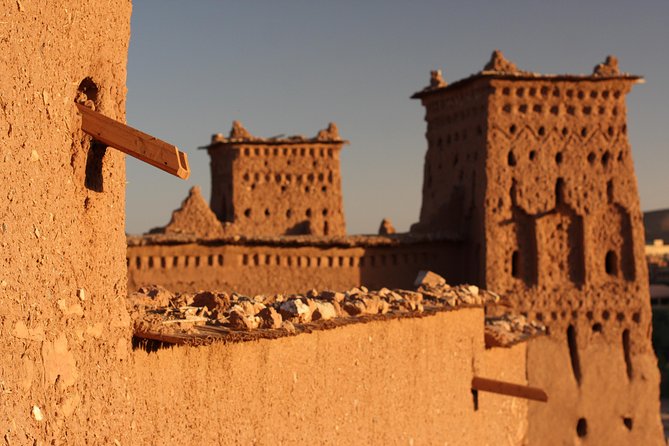
Aït Ben Haddou is one of those places where your brain instantly understands why it got UNESCO status. The buildings aren’t “decorations.” They’re practical earthen walls shaped for heat, wind, and daily life—mud and straw stacked into a fortress layout that still looks alive.
In the tour format, you’re given about three hours on site, which is a good amount of time. You can do the basics—walk the kasbah grounds, look at the layers of architecture, and study the red-earth tones—without feeling rushed. You also have space to slow down for the kind of photos that work better when you’re not sprinting to the next stop.
One small detail I appreciate: on-site, you may run into craft or demonstration moments. In the experiences I read about, a local scene involved brothers painting designs using a mixture that included tea, lots of sugar, and saffron water warmed over a flame—described as smelling a bit like cream caramel. Even if you don’t see that exact moment, it’s a reminder to watch for what’s happening around you, not just the main alleys.
Practical tip: bring shoes with grip. The kasbah walk isn’t extreme, but it is uneven. Also, if you want interpretation, consider the local guide option on-site (not always bundled). It can help you connect what you’re seeing—fortification layout, daily-life logic, and why the site looks the way it does.
You can also read our reviews of more tours and experiences in Marrakech.

Crossing Tizi-n’Tichka: the pass is the show
The drive over Tizi-n’Tichka (2,260 m) is the “how did this get so scenic?” part of the day. You start with Morocco’s High Atlas foothills and then, as you push south, the environment shifts toward a more semi-desert feel. That transition matters because it changes the color and texture of what you see through the windows: greener zones fade, the rock takes over, and the valley views go wide.
This is also where the long day can feel longest. The road climbs and winds, and you’re in a vehicle for a while. If you’re prone to motion sickness, this is the moment to plan for it—skip the heavy breakfast, sit where you feel most stable, and keep water handy.
The payoff is real. People describe the viewpoint from the top as amazing, and you’ll feel why when you hit the higher stretch: there’s a “standing above the world” sense to it, with Berber villages and mountain valleys slipping by below.
Small advice that makes a difference: have your camera/phone charged before you leave Marrakech, because once you’re on the pass, you’ll want both hands free for quick stops and clean shots.
Ouarzazate in one hour: Taourirt Kasbah and the film-capital vibe
Ouarzazate is often sold as the gateway to the Sahara, but on this tour you’ll experience it in a very specific way: quick orientation, a look at the town’s defining fortress structure, and then back on the road.
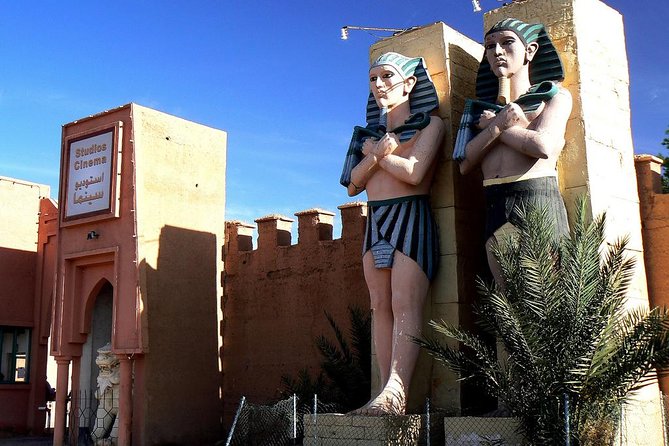
You get about one hour there, and the star is Taourirt Kasbah—a massive kasbah that includes a 19th-century palace and gives views back over the surrounding rocky areas. That “Hollywood desert set” feeling isn’t accidental. The area’s look has shown up in films for years, and Taourirt is a good way to understand why: the shapes, the earth tones, and the fortress form make it cinematic even in daylight.
A one-hour stop means you won’t have time for every museum or side street. So I’d treat it as a “get your bearings fast” visit:
- Walk the most important viewpoints first
- Spend time on the exterior views and the kasbah structure itself
- Keep an eye on the sky—this part of Morocco can go from bright to dramatic quickly
If you want more than this, you’d need a longer stay. But if your goal is to sample the region on a limited schedule, this timing fits well.
Price and logistics: why $30.21 can still feel like a lot
The price listed—about $30.21 per person—is hard to compare in a fair way because the day is built around a long transfer. You’re paying for more than time in a car; you’re paying for the convenience of a scheduled route, the group management, and those two major cultural stops.
Here’s what you’re actually getting for that money:
- Round-trip transfers from Marrakech hotels/riads (so no taxi negotiation stress)
- A guided experience component (with a multilingual guide possible)
- Aït Ben Haddou admission included (and time there is the real core)
What you’re not paying for is comfort. A couple of factors can affect your “value feeling”:
- The day is about 12 hours
- You’re in a minibus, not a private sedan
- One experience I read mentioned the tour was overbooked and seating was tight, with limited legroom
So, my practical take: this price is good value if you’re flexible and you care more about sights than comfort. If you’re tall, sensitive to cramped seating, or you hate slow, windy roads, you may want to upgrade to something more spacious—or at least go in knowing your expectations.
Guides and on-site choices: the difference between a good day and a stressful one
This tour can be run by a multilingual guide, and on Aït Ben Haddou you also have the option of adding a local guide for a small charge. That setup can work very well, but you should make your decisions early.
In the experiences I saw, a guide named Housim was described as very good and informative. Another day-trip driver named Jawad was credited with prompt pickup and a careful approach to the mountainous road.
Those names matter because they hint at what you’re really buying: smoother timing and clearer context. The route is long and the scenery changes fast. A good guide helps you understand what you’re seeing without turning the day into an exam.
A caution, though: one negative experience described a situation where the guide/local setup wasn’t what the person expected, and there wasn’t easy communication. That’s not something you should fear blindly, but it does suggest a smart move for you: at pickup, make sure you clearly understand the plan for Aït Ben Haddou—what’s included, what’s optional, and how you’ll find each other if you split briefly on-site.
If you choose the local guide at the kasbah, treat it like a service you opt into. If you don’t, just be ready to navigate by yourself for the details.

What the timing feels like in real life (and how to prep)
You start early. The meeting point is set for around 7:30 am, and the day begins departing around 7:45 am. Then you drive through the Atlas region, spend time at Aït Ben Haddou, and continue to Ouarzazate before returning.
That means you’ll want to prep like you’re doing a full hiking day, even though you’re mostly sitting:
- Water: have some with you at the start
- Layers: higher elevations can feel cooler in the morning, and it can warm quickly
- Motion-sickness help: if you need it, take it before the pass
- Cash/cards for snacks: not everything is guaranteed between stops
- A small snack: hunger can make a long road ride feel worse
Also, plan for a “one-day whirlwind” mental mode. Don’t try to force the trip to be leisurely. Instead, think of it as a tasting menu: the pass for scale, the kasbah for texture, Ouarzazate for film-country context.
Who this is best for
This day trip is a strong choice if:
- You have limited time in Marrakech
- You want to see Aït Ben Haddou without committing to a multi-day desert tour
- You like structure—pickup, route, guided time, and a clear return
- You’re okay with a long drive in exchange for big sights
It’s less ideal if:
- You hate long road days or you’re very sensitive to cramped seating
- You need lots of museum time or slow browsing
- You prefer fully independent travel (since this runs on a fixed schedule)
Should you book it? My decision rule
Book it if you want a high-impact day with UNESCO kasbah time plus the Tizi-n’Tichka pass views, and you like the simplicity of hotel/riad transfers. The price is the kind that makes sense for a short visit, especially if you’re doing Marrakech as a base and you want one “southern Morocco highlight” day.
Pass on it—or choose a different format—if comfort is your top priority. The route is long, the vehicle is a minibus, and at least one experience raised concerns about seating when the day got crowded.
If you do book, go in with the right mindset: expect an early start, a scenic drive that’s part of the reward, and a focused visit where you’ll see a lot in 12 hours.
FAQ
How long is the tour?
The tour runs for about 12 hours (approx.).
What time does the tour start, and when does it end?
Meeting is set for 7:30 am, with departure starting around 7:45 am. The tour ends back at the meeting point.
Is hotel or riad pickup included?
Yes. Pickup is offered, and the day includes 2-way transfers from Marrakech hotels and riads.
What’s the maximum group size?
The group is capped at a maximum of 15 people.
Is there an admission ticket included for Aït Ben Haddou?
Yes. The Aït Ben Haddou stop includes an admission ticket and about 3 hours on site.
What do you see in Ouarzazate?
You’ll spend around 1 hour in Ouarzazate, including time focused on Taourirt Kasbah (the visit notes admission is free).
Do I get a mobile ticket?
Yes, the tour offers a mobile ticket.
What happens if weather is bad, or if I need to cancel?
The experience requires good weather. If it’s canceled due to poor weather, you’ll be offered a different date or a full refund. You can cancel up to 24 hours in advance for a full refund.



![[One-day bus tour departing from Kanazawa Station] Shirakawa-go and Gokayama - Two World Heritage Villages Enjoyable Bus Tour - Stop 1: Michi-no-Eki Shirakawago roadside station (short, useful, not rushed)](https://l.myfavoritehistorytour.com/wp-content/uploads/one-day-bus-tour-departing-from-kanazawa-station-shirakawa-go-and-gokayama-two-world-heritage-villages-enjoyable-bus-tour-400x267.jpg)