REVIEW · ATHENS
Visit Delphi the famous oracle! Explore the mysteries of the ancient world!
Book on Viator →Operated by Athens Tours Greece · Bookable on Viator
Delphi is famous, but the route makes it better. This private day trip mixes a long, comfortable drive through central Greece with real time at the Oracle sanctuary, plus a stop that adds context to 20th-century Greek history. You’ll love the chance to walk the UNESCO Delphi grounds at your pace, and you’ll enjoy the mountain-village feel of Arachova on the way.
One thing to plan for: entrance fees for the archaeological site and the museum are not included, and the driver can guide you until you enter—then you’ll explore inside on your own unless you add a licensed tour guide.
In This Review
- Key highlights at a glance
- Piraeus-to-Delphi logistics that actually work for a cruise day
- Riding Roúmeli: the drive past Thebes, Livadia, and Arachova
- Karakolithos memorial stop: short time, heavy meaning
- Delphi Archaeological Site: walking in the Oracle’s shadow
- What you’ll actually do there
- Temple of Apollo and what to look for
- Delphi Archaeological Museum: the best insurance for deciphering the site
- Delphi town time: views, a lunch option, and breathing space
- Tholos of Athena Pronaia: the circular landmark that reads like a puzzle
- Price and value: $497.43 per group, up to 3, plus what’s extra
- Who this Delphi day suits best (and who might want a different setup)
- Should you book this Delphi shore excursion?
- FAQ
- Do I get pickup from my hotel and from the cruise port?
- Are entrance tickets included for Delphi and the museum?
- Is the Oracle of Delphi visit self-paced?
- How much time do I have in Delphi town?
- Is there a stop for a WWII memorial?
- What should I wear?
Key highlights at a glance
- Piraeus port pickup and Athens hotel transfers keep a shore day from turning into a logistics puzzle
- Ample Delphi time to see the key landmarks without feeling rushed
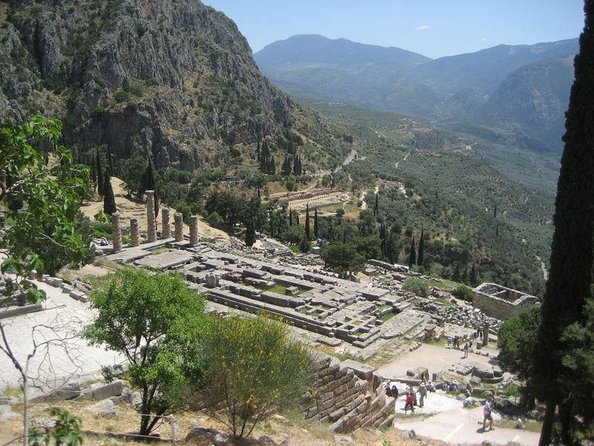
- Temple of Apollo area for the heart of the sanctuary atmosphere
- Delphi Archaeological Museum with a major collection of sculptures and objects from the sanctuary
- A WWII memory stop at Karakolithos on the road linked to the Distomo tragedy
- Arachova break with big mountain views and easy lunch options nearby
Piraeus-to-Delphi logistics that actually work for a cruise day
If you’re arriving by cruise, the smooth part matters. This tour is built for cruise timing: you get picked up at Piraeus Port, then transported by a car/vehicle with air-conditioning to Delphi. There’s also hotel pickup and drop-off in Athens, which helps if you’re starting your day inland or extending your trip after the cruise.
The day runs about 8 hours, and it’s set up as a private group (up to 3 people per booking). That matters because you get flexibility with the pace. You’re not competing with a big bus crowd just to ask a question or step aside for photos.
Also note the tour style: it includes a professional English-speaking driver who can explain the history and culture up to the point you enter the sites. Once you’re inside the archaeological spaces and museum, you’ll explore on your own unless you arrange an additional licensed guide. That’s not a dealbreaker, but it changes how much commentary you’ll get inside.
You can also read our reviews of more tours and experiences in Athens.
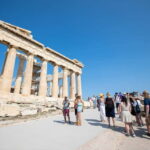
Riding Roúmeli: the drive past Thebes, Livadia, and Arachova
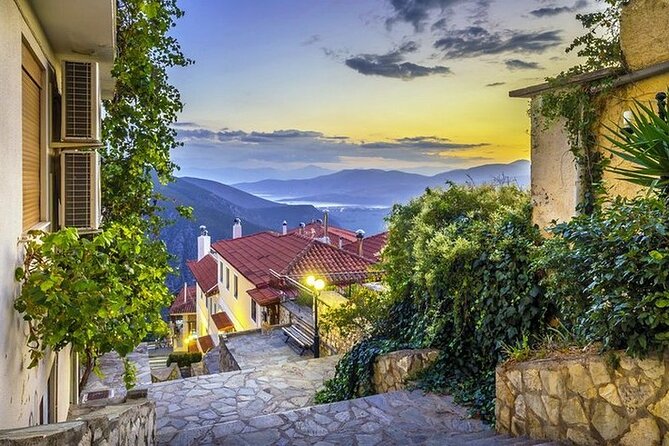
You’re leaving Athens’ port area and heading northwest through central Greece, in the broad region commonly called Roúmeli (Central Greece). The route passes by places like Thebes and Livadia, and then you reach the mountain village of Arachova at the foot of Mt. Parnassos.
This is one of my favorite parts of any Delphi day. Delphi sits in the mountains, so the approach builds the mood. You’re not just being transported—you’re watching the terrain shift as you move away from the city and into the hills.
Arachova is the kind of stop that gives you a breather. It’s known as a popular winter destination in Greece, with a ski scene and a lively local atmosphere that attracts Athenians. If you’re standing at the edge of the village area, you also get a real sense of how close Delphi is to the mountain world, not some flat, easy day trip.
And yes, Arachova is also historical. The area is tied to the Greek War of Independence story where Georgios Karaiskakis defeated the Turkish army led by Moustafabei in November 1826. It’s a reminder that these places are layered—mountain resort today, political and military geography in the past.
Practical tip: bring layers. Even when Athens feels warm, the mountains can feel cooler, and you’ll be walking around ruins with wind in the open spaces.
Karakolithos memorial stop: short time, heavy meaning
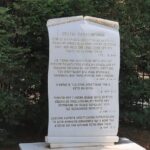
On the road between Livadia and Distomo, there’s a monument at Karakolithos tied to a grim event on April 25, 1944. This is one of those stops that’s brief in time but serious in tone.
Here’s the story given on the tour: partisans from ELAS captured 17 German officers on this road. ELAS then wrote demanding the release of 32 Greek prisoners. The response from the Nazis turned violent—within hours, 136 Greek prisoners, mostly in their 20s, were transported and executed on the spot.
The stop itself is about 10 minutes, and it’s designed as a moment of remembrance rather than a long history lesson. Still, go into it mentally prepared. If you prefer a lighter day, this is the part that may feel like a hard left turn from ancient Greece.
Delphi Archaeological Site: walking in the Oracle’s shadow
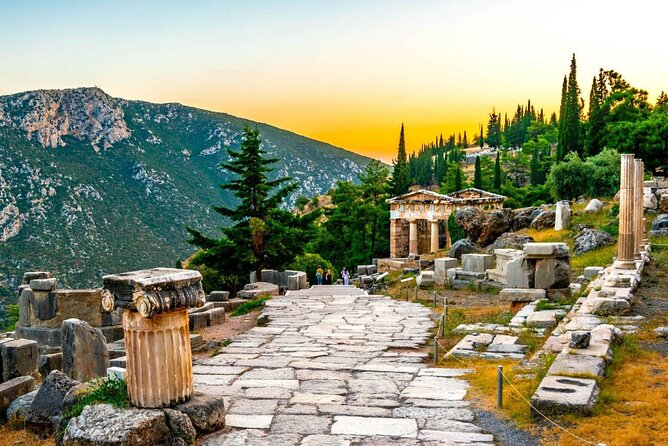
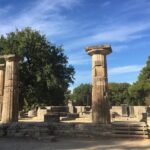
Once you arrive, Delphi is the main event. This sanctuary is a UNESCO World Heritage Site and has been treated, for centuries, as a center of the Greek world.
You’ll hear the myths that explain why people cared so much. Delphi was believed to be the navel of the earth—a kind of cosmic midpoint. The sanctuary story includes the idea that two eagles sent by Zeus from opposite ends met there. It also includes the older, pre-Apollo layer: sacred ground to Mother Earth, with the serpent Python as the guard, killed by Apollo.
Then came the shift to Apollo’s domain, with Cretans building and shaping the sanctuary tradition. These stories matter because they explain how Delphi functioned—not just as a pretty ruin, but as a place where religion, politics, and identity met.
What you’ll actually do there
You get a chunk of time to explore the archaeological site and landmarks, including key zones around the sanctuary. The tour format gives you room to wander at your pace instead of speed-walking with a crowd. For many people, that’s the difference between seeing Delphi and understanding it.
If you enjoy ruins, you’ll probably gravitate to the temple area and the spaces that hint at how the sanctuary worked: offering zones, ritual spaces, and the layout that guided movement.
One caution: it can feel busy but doable, and you’ll be walking on uneven ground and stone steps. The tour asks for moderate physical fitness, so if you’re limited with mobility, plan to go slow and wear sturdy shoes.




Temple of Apollo and what to look for
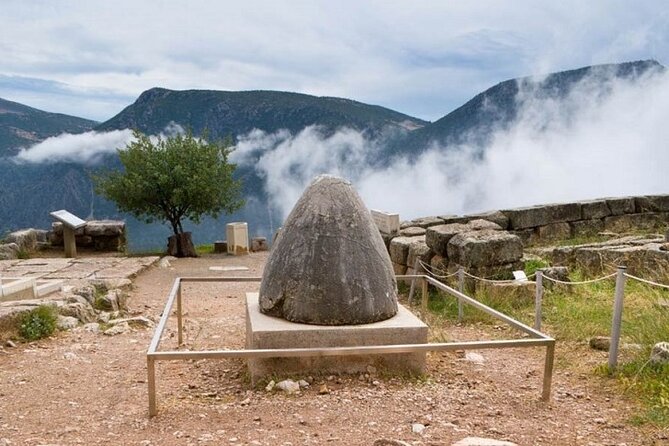
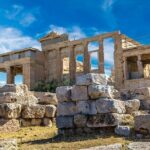
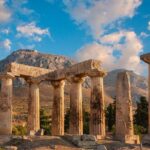
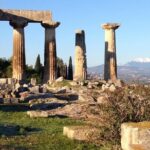
The Temple of Apollo is the sanctuary’s anchor. It dominates the temenos (sacred enclosure) from its central position, and the area is strongly associated with offerings and the kind of cult rituals that included divination.
In practical terms, the Temple of Apollo area helps you orient the whole complex. Even if you’re not reading every sign, you can often see how the sanctuary’s meaning comes through the architecture and placement.
There’s also a historical layer that makes this spot feel connected to later Greek life. The text explanation points to the presence of the chresmographeion—an archive destroyed in 373 BC—which held lists tied to the Pythian games. That’s a detail worth noting, because it shows Delphi wasn’t only about prophecy. It also tracked winners and cultural prestige.
My advice: don’t just snap photos. Stand for a minute, then look around and imagine processions and offerings moving through the same spaces.
Delphi Archaeological Museum: the best insurance for deciphering the site
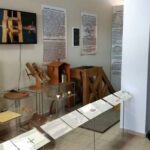
If you want to understand what you’re seeing outdoors, the Delphi Archaeological Museum is the place. This is one of the most important museums in Greece for the sanctuary’s material culture.
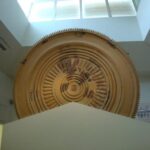
The museum visit is about 30 minutes in the tour flow, but it’s packed with meaning. The collection focuses on the sanctuary’s history and activities: architectural sculptures, statues, and smaller objects connected to religious, political, and artistic life from the eighth century BC through late antiquity.
The museum building is a two-story setup with fourteen exhibition rooms and large conservation/storage areas. The details provided also mention 558 square meters of storerooms and conservation labs for items like pottery, metal objects, and mosaics. It also had a refurbishment that added a new lobby, cafeteria, and gift shop.
For many people, the museum is what turns a “pretty ruin day” into a “now I get it” day. Outdoors, you’re looking at structures and placement; inside, you get the objects and fragments that tell you what people actually made, offered, and valued.
The museum entrance fee is not included, so plan extra budget for it.
Delphi town time: views, a lunch option, and breathing space
After the main ruins, you shift into the modern village area of Delphi, sitting at the foot of Mt. Parnassos near the Arachova region.
You get about 1 hour of time in the town area. This is when you can do the human stuff: pause for lunch, buy water, use the restroom, and reset your brain before the final leg back.
There’s also a recommended-style option for lunch near the area with views toward Itea and the Ionian Sea, surrounded by olive groves. Food and drinks are not included, but this is the point of the day where you can choose a proper sit-down meal rather than grabbing something quick.
This hour is also valuable because Delphi’s ruins can be intense. A bit of town time keeps you from feeling like you spent the whole day staring at stone. It also gives you a chance to pick up small souvenirs if you want something tied to the sanctuary.
Tholos of Athena Pronaia: the circular landmark that reads like a puzzle
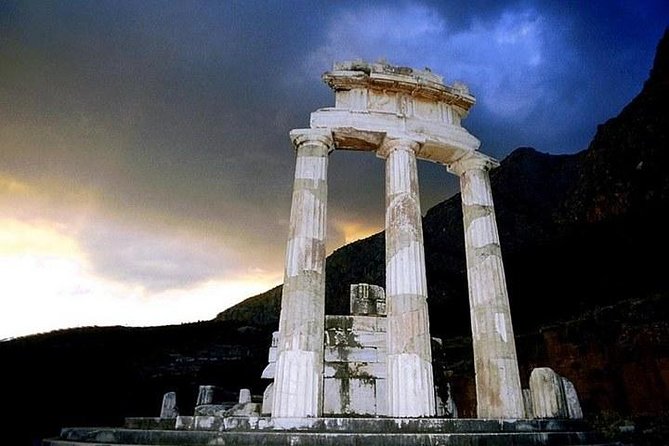
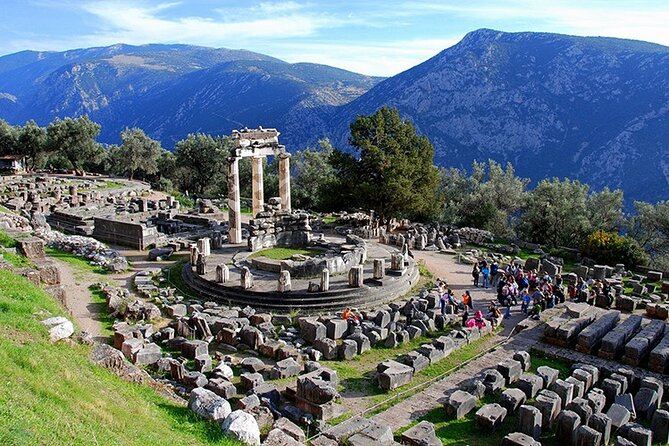
One of the standout monuments is the Tholos of Athena Pronaia. It’s described as the most characteristic monument at Delphi, and you can often spot it visually, including from above.
The tholos is a circular building of unknown purpose, connected in theory to chthonic cults (cult traditions linked to the underworld or earth-related religious ideas). It sits between the later Temple of Athena and the Treasury of Massalia.
This is a place where the “what is it?” feeling is part of the experience. Ancient architecture can be both beautiful and confusing—and that confusion makes the ruins more memorable.
The background given also points to a Classical architecture source: Vitruvius is mentioned, along with the builder detail that it was raised in 380 BC on plans by Theodoros of Phocea (or Phocis). The important part for your visit is that it’s a synthesis of Classical architectural styles.
If you’re the type who likes to look at a building and try to figure out its function, this stop will click.
Price and value: $497.43 per group, up to 3, plus what’s extra
At $497.43 per group (up to 3) for about 8 hours, the price can look steep at first glance. But here’s where value comes from.
You’re paying for:
- Private, air-conditioned transport for a small group
- Hotel pickup and drop-off in Athens
- Piraeus port pickup/drop-off
- A professional English-speaking driver/guide for the cultural and historical context
You’re also paying for fewer compromises. A private group means less time waiting and fewer “we’ll stop if the timing works” moments. With a cruise, timing pressure is real, and smooth transport is worth a lot.
What’s extra:
- Entrance fees for the archaeological site and the Delphi museum
- Food and drinks
- Optional add-on: a licensed, state tour guide inside sites, if you want that level of guided commentary (it depends on availability)
One more practical note: the tour suggests having admission tickets pre-purchased because availability can be tight. You might find it reassuring to handle museum and site tickets ahead of time, especially if you’re on a cruise schedule.
Who this Delphi day suits best (and who might want a different setup)
This is a strong match if you:
- Want a private day with pickup from Piraeus
- Like ancient sites but also want a bit of real context from modern history stops
- Enjoy scenic drives through Greece’s interior towns and mountain villages
- Want time to move at your own pace—especially at Delphi and in the museum
It’s less ideal if you:
- Expect a fully licensed guide inside every site included in the price. The driver can’t accompany you inside the archaeological areas, so you may need the optional licensed guide if you want wall-to-wall interpretation.
- Prefer a totally light day with no heavy history. Karakolithos is brief, but it deals with mass execution and wartime terror.
- Have limited mobility. The day includes walking around ruins and uneven terrain, and the tour asks for moderate physical fitness.
Should you book this Delphi shore excursion?
I’d book it if you’re optimizing for a calm, well-timed Delphi day. The private size, the port pickup at Piraeus, and the built-in time at both the archaeological site and the Delphi Museum make this a practical way to see Delphi without turning the day into a stressful check-list sprint.
I would only hesitate if you know you need a licensed guide inside the sites to feel satisfied, or if the WWII memorial stop would weigh on you too much. In those cases, consider adding a licensed guide option (if available) or pairing Delphi with a different itinerary style.
If you want Delphi’s myths, Apollo’s temple area, the museum objects, and those mountain village moments—this tour gives you that mix in one clean package.
FAQ
Do I get pickup from my hotel and from the cruise port?
Yes. The tour includes hotel pickup and drop-off in Athens, and also Piraeus port pick up/drop off for cruise passengers.
Are entrance tickets included for Delphi and the museum?
No. Entrance fees to archaeological sites and the museum are not included. Food and drinks are also not included.
Is the Oracle of Delphi visit self-paced?
You’ll explore at your own pace once you enter the sites and museum. The driver provides guidance before you enter, but the driver is not licensed to accompany you inside the archaeological sites and museums.
How much time do I have in Delphi town?
You have about 1 hour in the modern Delphi area near the archaeological site. You can use that time for lunch and a slower look around.
Is there a stop for a WWII memorial?
Yes. There is a short stop at Karakolithos connected to the events of April 25, 1944, including the execution of Greek prisoners.
What should I wear?
The tour lists a formal dress code. Also plan for walking on uneven stone at the archaeological site and bring layers for mountain weather changes.