REVIEW · ACCRA
4 Days Trip in Accra, Cape Coast,Kumasi culture & heritage tours
Book on Viator →Operated by Bilson Tours Gh · Bookable on Viator
Slave castles meet hands-on culture.
This 4-day Ghana trip knits together classic Accra landmarks with the emotional weight of Cape Coast, and then adds real craft work through Kente and Adinkra. I especially like how the day-by-day rhythm balances head and heart, with time at major museums and memorial sites, followed by creative learning where you can actually make something. I also like that the tour keeps moving through key places without feeling rushed, so you get context instead of check-the-box sightseeing.
One possible drawback: parts of the route are physically demanding. The Kakum canopy walk trek is described as steep and the walk itself sits around 40 meters up, so if you dislike heights or long uphill stretches, you’ll want to think carefully.
In This Review
- Key highlights worth your attention
- Why this Accra to Cape Coast to Kumasi-area route works
- Day 1 in Accra: National Museum, W.E.B. DuBois Center, and Makola Market
- Independence Square and Centre for National Culture: Ghana in public and in product
- Day 2: Kakum canopy walk plus Elmina and Cape Coast slave forts
- Day 3 in the Ashanti region: Bonwire Kente, Ntonso Adinkra, and the naming ceremony
- Day 4 at La Pleasure Beach: reset after history
- Price and value: is $750 per person fair for what’s included?
- Small practical tips that help you enjoy every stop
- So, should you book this heritage tour?
- FAQ
- What locations does this 4-day tour cover?
- How long is the tour?
- What time does the tour start, and where does it end?
- Is pickup included?
- What’s included in the price?
- Are mobile tickets provided?
- What hands-on activities are part of the trip?
- Is the naming ceremony part of the tour for everyone?
- Is the canopy walk at Kakum suitable for everyone?
Key highlights worth your attention
- Accra museum + Pan-African context at the W.E.B. DuBois Center, including his shrine and research collections
- Market time at Makola to see everyday Ghana life, not just monuments
- Hands-on Kente weaving in Bonwire with an actual weaving lesson using traditional looms
- Adinkra craft with stamping technique: carving symbols, dye work, and pressing calabash gourds like a local
- Cape Coast and Elmina slave forts with time to learn the Atlantic slave trade and visit castle dungeons
- Kakum canopy walk for big views, with the built-in reality check that it’s not for faint hearts
Why this Accra to Cape Coast to Kumasi-area route works
You’re covering three different Ghana vibes in four days: capital city life, Central Coast history, and Ashanti cultural craft. That mix is exactly why this itinerary feels satisfying. You don’t just watch history from a distance—you also learn how people create identity through cloth, symbols, and naming.
Another smart thing here is pacing. Day 1 is primarily Accra and culture in public spaces. Day 2 shifts into nature and then into the solemn forts. Day 3 is again cultural, but hands-on, with making and meaning. That’s a good emotional arc: you can process the heavy parts without the schedule becoming chaos.
Also, this is set up as a private tour for your group, with pickup offered and a guide included throughout. That matters because places like Makola Market and craft villages feel very different when you’re going with someone who can explain what you’re seeing while you’re walking.
You can also read our reviews of more tours and experiences in Accra.

Day 1 in Accra: National Museum, W.E.B. DuBois Center, and Makola Market
Accra starts you off with foundation. The National Museum of Ghana is a strong first stop because it gives you a Ghana-wide lens before you move into more specific memorial sites and craft locations. You’ll see displays covering African and Ghanaian history, local crafts, and cultural material you can connect to later days.
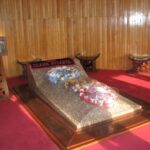
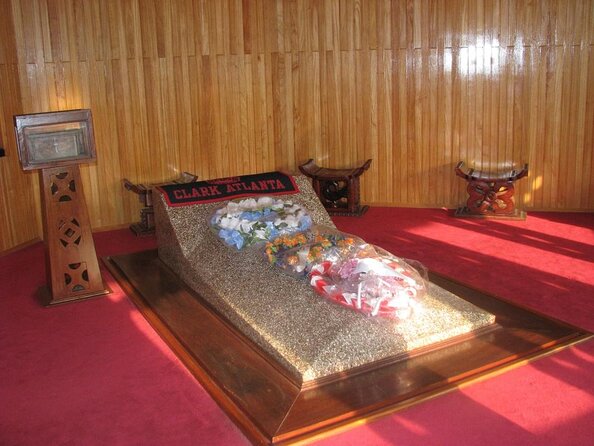
Next comes a more focused story at the W.E.B. DuBois Center. This is named for W. E. B. DuBois, the African American historian and Africanist who later became a citizen of Ghana. The center includes a small museum area tied to his personal library and works, and there’s an adjacent shrine for his grave and the ashes of his second wife, Shirley Graham Dubois. If you’re interested in Pan-African connections, this stop adds meaning fast.
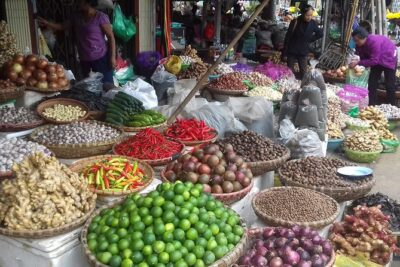
Then you shift from curated indoor space to real everyday energy at Makola Market. The tour frames Makola as the largest open-air trading center in the country, where you’ll experience crowds, scents, sounds, and the day-to-day flow of commerce. You’re not there to hunt souvenirs alone. This is about seeing how trade shapes social life. The tour guide also covers practical details like how to get there and the best time to visit, so you can spend your energy on watching instead of figuring out logistics.
If you want one tip for Day 1: go in with curiosity and don’t stress about buying things. The tour even points out the idea of not being a tourist in disguise—you’ll get more out of the experience by observing, asking questions, and letting the place teach you.
Independence Square and Centre for National Culture: Ghana in public and in product
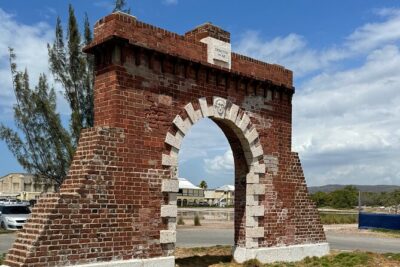
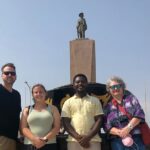
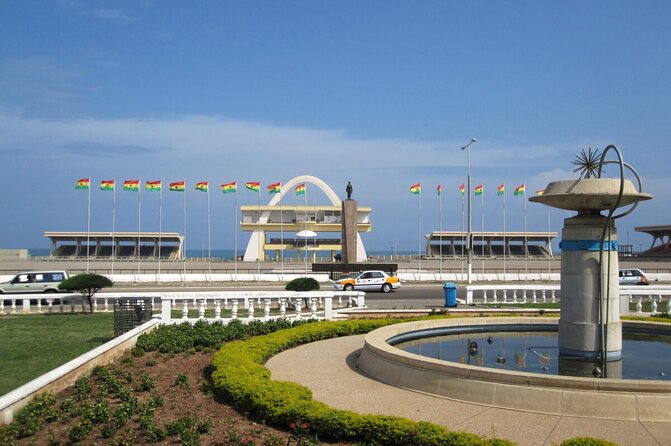
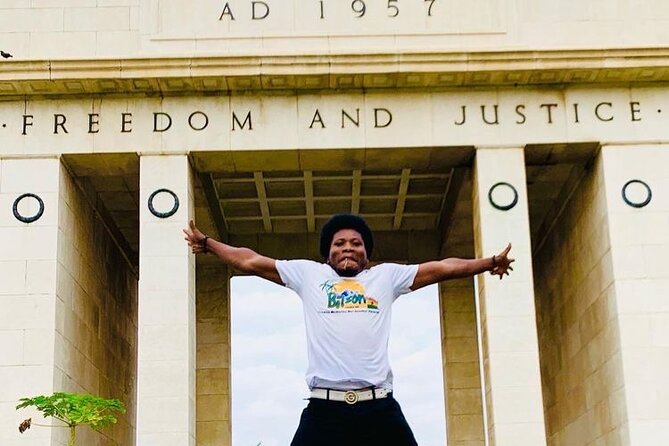
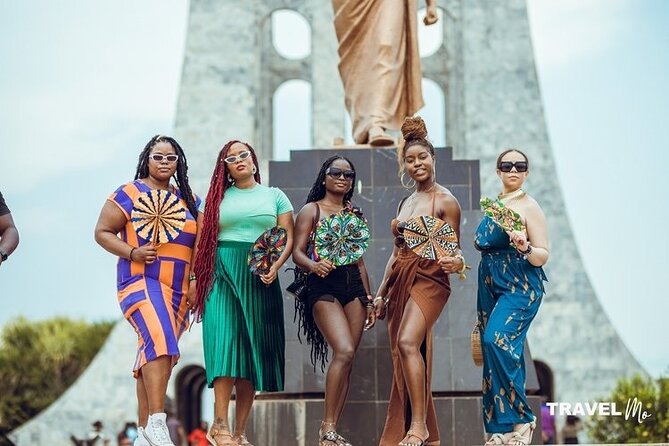
After Makola, you move to Independence Square, home to monuments tied to Ghana’s independence story. You’ll see major structures like the Independence Arch and the Black Star Gate, plus the Liberation Day monuments. It’s also described as a huge public gathering space (with capacity around 30,000), used for Independence Day parades on March 6 and other national events. Even if you’re not visiting during a festival, this is where you can feel the scale of national pride in physical form.
From there, the Centre for National Culture brings you back into hands-on Ghana identity through craft and fashion. This is a practical place for souvenirs too, because you’ll find things like kente cloth, sculptures, bead work, leather bags, earrings, and other accessories. You’ll also see arts and craft stalls and a textile-focused area, where you can browse items made from materials like clay, wood, leather, and metal. If you’re trying to understand Ghana’s creative economy, this stop helps you connect the cultural meaning to everyday goods people use and wear.
One consideration: this part of the day can feel like sensory overload. The best approach is to pick a lane. Maybe focus on one or two categories—kente and bead work, for example—so you don’t leave tired and empty-handed.
Day 2: Kakum canopy walk plus Elmina and Cape Coast slave forts
Day 2 starts with Kakum National Park, and specifically the canopy walk. You’ll get the main attraction: a high suspended walkway about 40 meters above the ground, with views over treetops. The tour also warns you about the approach: the trek to the start of the canopy walk is steep and may test visitors who aren’t in good physical shape. The walk itself is described as not for fainthearted people. Translation: go prepared for uphill steps and heights, not just a photo stop.
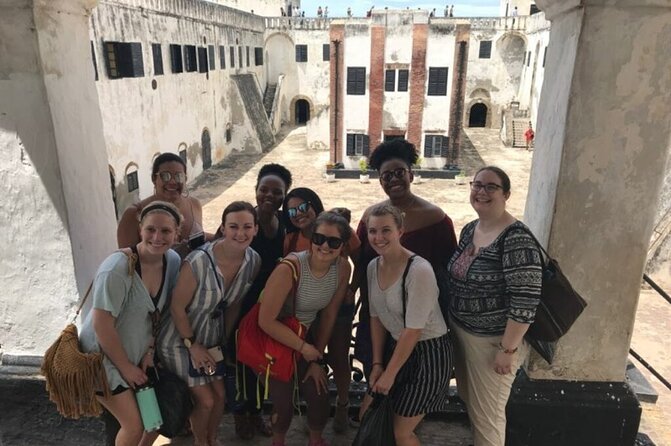
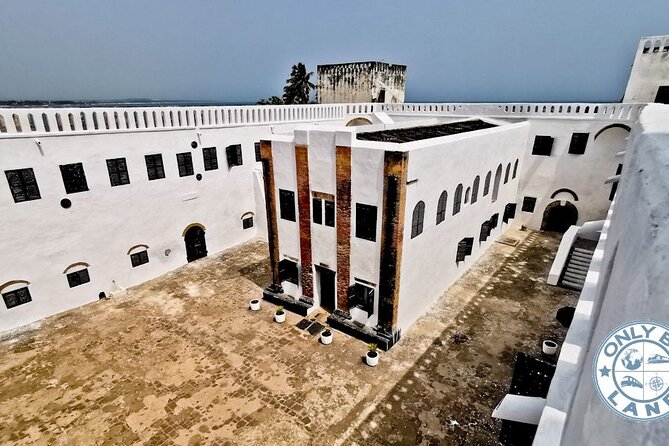
After the nature time, you head to the coast and into a very different kind of learning at Elmina Castle. The stop is framed around the Atlantic slave trade and the horrors that happened within the fortress walls. You’ll learn how the castle functioned as a last stop before people were transported away from their homeland. This is where the tour becomes deeply serious, and it should be treated as such.
Then comes Cape Coast Castle, another cornerstone site for understanding the same system. You’ll hear how the Portuguese trading post was established in 1555, and you’ll visit the castle dungeons where enslaved people were kept before being transported. There’s also mention of castle museum elements, crafts, monuments, and scenery from the castle forts. A key emotional point from recent guest feedback is the Door of No Return area within Cape Coast, which many people find profoundly sobering.
How to make this day feel meaningful (not just heavy): slow down during the memorial sections. Take in one room at a time. If you want photos, do that lightly and deliberately. If you want to just stand and absorb, do that too. This isn’t the day to rush for a perfect timeline.
Day 3 in the Ashanti region: Bonwire Kente, Ntonso Adinkra, and the naming ceremony
Day 3 is where Ghana becomes personal. You’ll head toward the Ashanti cultural belt and start with Bonwire Kente Weaving Centre. The stop is described as the birth place of popular Kente cloth, with a learning-focused weaving lesson. You’ll get hands-on time with weaving using ancient looms operated with hands and traditional techniques. If you love culture you can touch, this is the day.
Next is Ntonso Adinkra Craftsmen, where the emphasis shifts from weaving into symbolic art. You’ll learn the meaning behind Adinkra symbols, which communicate messages and wisdom. The craft process described here is wonderfully specific: drawing lines on cloth to divide it into squares, carving symbols into calabash gourds, pressing the gourd into dye, and stamping like a local. That’s the kind of technique you won’t get from a souvenir alone. Even if you don’t take home finished work, you’ll leave with a clearer understanding of how symbols travel from meaning to material.
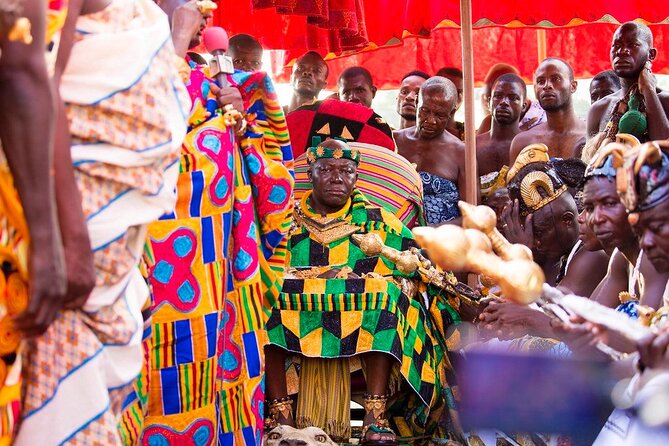
Then you get a culturally powerful experience at Adanwomase. This portion is purposely designed for African Americans and the Caribbean, and it centers on naming. You’ll be given your date of birth, which is used to assign you a Ghanaian name, along with a certificate of recognition. The ceremony is also described as including tailored cloth tied to the traditional meaning of the name you receive. There’s even an element where you can dress up as a king or queen mother for your Ghanaian name moment. The point is simple: it’s about heritage, identity, and paying homage to ancestors.
After the naming ceremony, the day includes practical making time. You’ll weave kente as local-style practice and also spend time around Adinkra-related crafts. The stop concludes with a visit to a cocoa farm, connecting everyday Ghana agriculture to the broader story of land, labor, and harvest.
Practical note: this day can be emotional and physically active. If you want the full experience, bring energy. If you’re tired, you’ll still learn, but you might feel it more in your feet than in your head.
Day 4 at La Pleasure Beach: reset after history
After Cape Coast and Elmina, Day 4 is your release valve. Labadi Pleasure Beach (also known as La Pleasure Beach) is described as one of Accra’s main coastal beach spots, maintained by locals. The vibe here is less about deep learning and more about time by the sea.
You’ll have options like horse riding and quad riding along the shoreline area. The tour describes this as a relaxed and hassle-free way to make memories after heavier days. This isn’t a day to cram. It’s a day to breathe, eat, and let your body catch up with your mind.
If you’re sensitive to heat, plan to take breaks between activities. Beach days often sound easy, but the sun can be sneaky, especially when you’ve been walking most days.
Price and value: is $750 per person fair for what’s included?
At $750 per person for about four days, the value depends on what you hate doing yourself. This package covers transportation, entrance fees, all taxes, bottle water, snacks, and guided service, plus lunch is included across the days. You’re also getting the structure of a private group route—so you’re not piecing together separate taxi legs, ticket lines, and craft village coordination.
Here’s how I’d judge the deal:
If you were to hire guides and pay for entrance fees for major sites like Cape Coast and Elmina, plus the canopy walk in Kakum, plus museum stops and craft lessons, the total would likely climb fast even before you add transport and meals. The price can make sense if you want comfort and guidance without having to negotiate every step.
One thing to keep in mind: buying personal items is not included, so budget for extras. That includes souvenirs, clothing, and anything you decide you want to bring home after seeing the work firsthand.
Small practical tips that help you enjoy every stop
These are the kinds of tweaks that can make the difference between a good trip and a smooth one:
- Pack for mixed days: museums and ceremonies indoors or shaded areas, plus steep treks and coastal heat.
- Plan for hands-on activities: you’ll be learning craft techniques like dyeing and stamping, so consider what you wear and how you protect yourself.
- Bring patience for markets: Makola Market is crowded and active. It’s better to go slowly and let the guide steer you than rush through for a quick snapshot.
- Balance photos with reflection: at the slave forts, you may want less camera time and more quiet time, especially in the dungeon and monument areas.
- Choose footwear wisely: you’ll do walking days across multiple stops, including Kakum’s steep approach.
So, should you book this heritage tour?
If you want a Ghana trip that combines Accra landmarks, Cape Coast’s solemn memorial sites, and real Ashanti craft experiences (Kente weaving and Adinkra symbolism), this is a strong fit. The naming ceremony at Adanwomase is the kind of experience that turns a normal sightseeing trip into something personal, especially for people from the African American and Caribbean diaspora.
I’d think twice before booking if heights or steep walking are major problems for you, because the canopy walk trek at Kakum is described as testing and the walkway is high. If that’s manageable, the payoff is big.
Best match: you like history with context, you want to learn techniques you can explain later, and you’d rather have a guide handle the route than figure it out one stop at a time.
FAQ
What locations does this 4-day tour cover?
It covers Accra, Cape Coast, and Ashanti-area cultural sites, including Kente weaving and Adinkra craft experiences.
How long is the tour?
The duration is about 4 days.
What time does the tour start, and where does it end?
The start time is 9:00 am, and the activity ends back at the meeting point.
Is pickup included?
Pickup is offered.
What’s included in the price?
Transportation, entrance fees, all taxes, bottle water, snacks, 3x lunch (and lunch is listed as 4), and tour guide service are included.
Are mobile tickets provided?
Yes, the tour includes mobile ticketing.
What hands-on activities are part of the trip?
You’ll have a Kente weaving lesson in Bonwire, and you’ll do Adinkra-style craft activities at Ntonso, including dye and stamping techniques. There’s also a kente weaving practical component around Adanwomase, plus a naming ceremony.
Is the naming ceremony part of the tour for everyone?
The Adanwomase naming ceremony is described as purposefully for African Americans and the Caribbean.
Is the canopy walk at Kakum suitable for everyone?
The trek to the canopy walk is described as steep and the canopy walk is about 40 meters above the ground, so it may not be suitable if you’re afraid of heights or not physically comfortable with steep walking.