REVIEW · ACCRA
6 day Culture & History Tour in Ghana
Book on Viator →Operated by Eyali Tours · Bookable on Viator
Ghana in six days, no shortcuts. This is a private tour run by Eyali Tours that strings together the country’s most important cultural stops, from Elmina Castle on the Slave Route to Kakum’s famous canopy walkway. I like the way it’s built around comfort and time-savings, with all fees and taxes covered (plus accommodations), and I also like that the pacing keeps big sights from turning into a blur. The main drawback to plan around is that meals and drinks aren’t included, and several days mean long driving stretches.
You’ll start in Accra with an airport meeting and a quick orientation, then head into the forest and farmland: Aburi Botanical Gardens, a Volta River motorboat ride toward Akosombo, and later Asante craft villages around Kumasi. On the emotional side, you’ll follow the Slave Route with stops around Assin Manso and then Elmina Castle, and you’ll balance that with lively craft culture at Kejetia and the Manhyia Palace area.
In This Review
- Key highlights worth your attention
- Day 1 in Accra: landing at Kotoka and getting your bearings fast
- Day 2: Aburi Botanical Gardens, carvers market, and a Volta Lake boat ride
- Day 3: Asante craft villages, Akaa Falls steps, and cocoa up close
- Day 4: Manhyia Palace Museum, National Cultural Center, and Kejetia Market
- Day 5: Elmina Castle, Fort San Jago area, and the Slave Route context
- Day 6: Kakum National Park canopy walkway and Hans Botel nature stops
- Price and what $1,852.57 buys you in real life
- Guide service and private group comfort: where this tour shines
- Who this Ghana route is best for
- Should you book this Ghana culture and history tour?
- FAQ
- What cities and areas does the tour include?
- Is pickup offered, and where does the tour start?
- Is this a private tour?
- What’s included in the price?
- Are meals and drinks included?
- What accommodation types are used during the trip?
- How does the tour end?
- Can I get a refund if I cancel?
Key highlights worth your attention

- Private, guide-led travel with just your group, so the pace stays yours
- Elmina Castle (UNESCO) plus nearby Slave Route sites for a clearer, focused context
- Kakum canopy walkway high above the forest floor, with nature stops like Hans Botel
- Asante craft days tied to kente weaving, Adinkra stamping, wood carving, and cocoa farming
- Air-conditioned transport and admissions included, so you’re not constantly budgeting on the fly
Day 1 in Accra: landing at Kotoka and getting your bearings fast
Your day begins with a meeting at Kotoka International Airport in Accra for a morning arrival. From there, you get safe transport to your hotel in an air-conditioned vehicle, with time to refresh and settle in.
You’ll stay at a mid-range hotel at Osu. Osu is a smart choice for easing into the city because it’s active enough to feel like Accra, but it doesn’t trap you in one single tourist bubble. If you arrive early, you’ll typically get a bit of neighborhood orientation time—use it to grab water, check SIM/data if you need it, and understand where you’ll be starting the next morning.
What to expect: low-pressure start, then a real ramp-up tomorrow.
Practical tip: plan for morning energy. Airport arrivals can run late, and a smooth Day 2 depends on being ready to go.
You can also read our reviews of more tours and experiences in Accra.

Day 2: Aburi Botanical Gardens, carvers market, and a Volta Lake boat ride
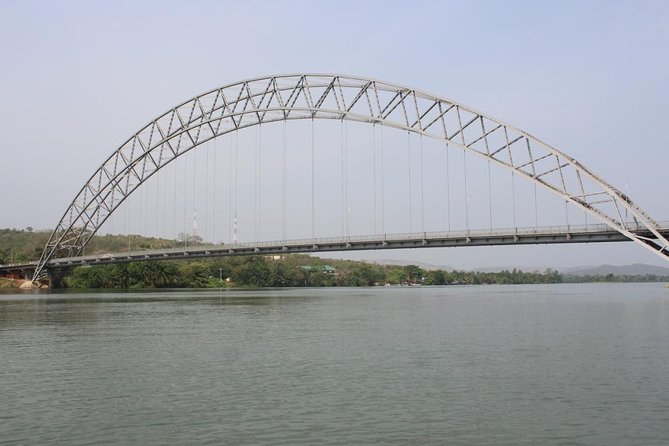
Day 2 takes you out of the city toward the Akwapim highlands, starting with Aburi Botanical Gardens. This stop isn’t just about pretty scenery—it’s a calm contrast to the intensity of Accra, and it sets the tone for why Ghana’s geography matters. After that, you’ll visit the Aburi carvers market, where you can see handcraft culture tied to the region.
Next comes a traditional glass bead workshop near the Volta River. Then you switch gears again with a motorboat ride on the Volta River, leading toward the Akosombo dam and the area around Volta Lake.
Staying on the Volta River gives you a different feel from the city hotels. It also breaks up the travel day rhythm, so you’re not constantly “on the road” with no chance to reset.
Possible drawback: this day packs variety—gardens, market craft, workshop, then boat time. If you’re sensitive to long outings, pace yourself with breaks and don’t overbuy just because everything is interesting.
Day 3: Asante craft villages, Akaa Falls steps, and cocoa up close
You’ll start Day 3 with a scenic drive that includes seasonal Akaa Falls. The standout detail here is the physical part: 250 concrete steps down to the bottom. It’s one of those sights that rewards effort with a clear view of the falls, but it’s still a good reminder that not every Ghana “wow” is a flat, easy walk.
After the falls, you’ll head to villages showcasing traditional Asante handcrafts, including:
- Kente cloth weaving
- Adinkra cloth stamping
- Wood carving
This is also where the day connects craft to everyday production. You’ll visit a cocoa farm too, which helps you understand how Ghana’s agricultural story feeds into its cultural and economic life.
You’ll sleep in central Kumasi at a mid-range hotel, which sets you up well for the deeper Ashanti-focused days that follow.
What I like about this layout: you get nature (the falls) and making things (textiles, stampwork, carving) in one day. That combination makes the culture feel less like a museum stop and more like a living process.
Practical note: if you have knee issues or limited mobility, those steps are the one part to think through in advance.
Day 4: Manhyia Palace Museum, National Cultural Center, and Kejetia Market
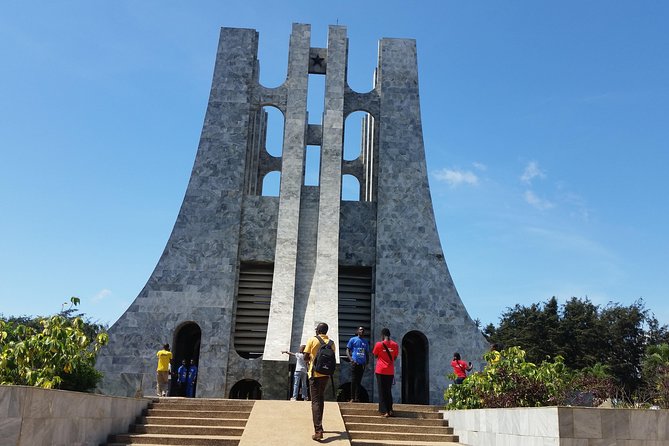
Day 4 is where Ashanti culture becomes more “official” and more grounded. You’ll start at Manhyia Palace Museum, home of the Ashanti King, and you’ll also see the Komfo Anokye Sword—a key cultural artifact tied to Ashanti heritage.
Then you’ll visit the National Cultural Center, described as one of Ghana’s best museums. It’s the kind of stop that helps you interpret what you’ve seen in craft villages, so you’re not just collecting images. From there, you’ll shop at Kejetia Market, listed as West Africa’s largest outdoor market.
Kejetia is big on energy and choices. It’s also one of the most practical places to buy gifts that feel tied to place, not just mass-produced souvenirs. If you’re the type who enjoys bargaining, this is one of your main windows. If you’re not, you can still use it as a “look, learn, compare” stop.
You’ll stay another night in central Kumasi at a mid-range hotel.
Consideration: with a museum and a massive market in the same day, your feet will do a lot of work. Comfortable shoes are non-negotiable.
Day 5: Elmina Castle, Fort San Jago area, and the Slave Route context
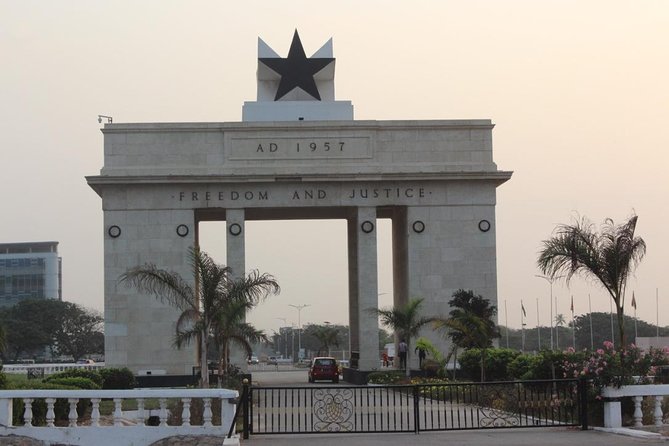
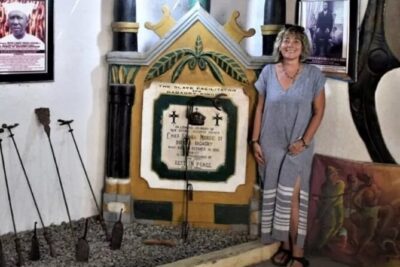
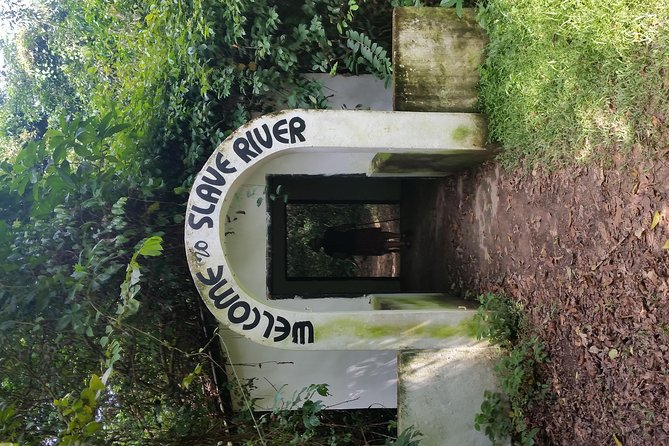
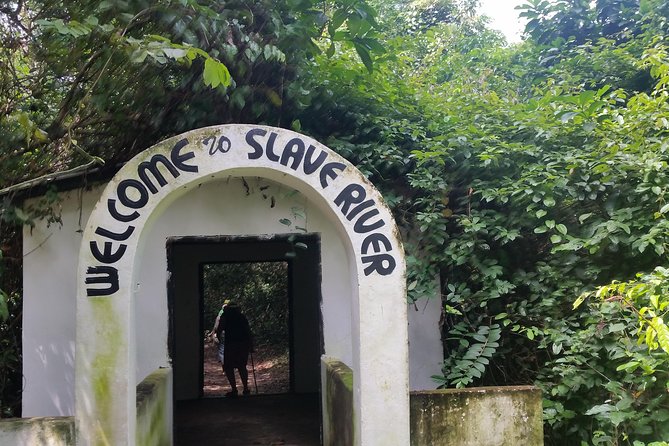
Day 5 shifts the tone. You’ll travel along the Slave Route, with a stop at Slave River in Assin Manso. That stop matters because it adds context before you reach Elmina—so the day doesn’t feel like a single-site visit, but a chain of history you can follow.
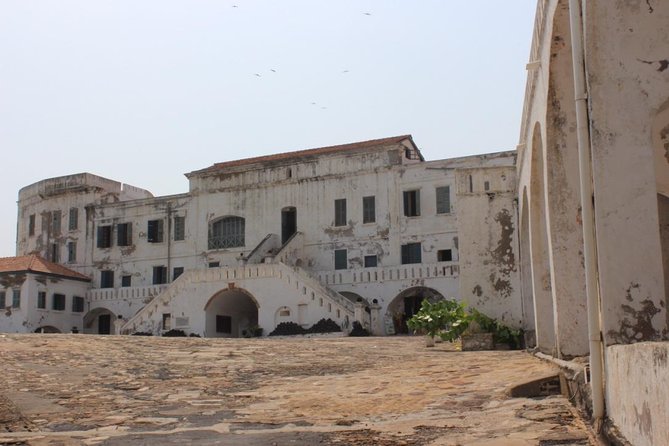
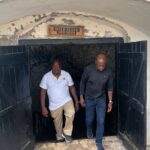
Then you’ll tour Elmina Castle, the oldest European structure in Africa and a UNESCO World Heritage Site. This is one of Ghana’s most important historical sites, and it tends to hit people differently depending on your background. Plan to take your time with it and don’t feel pressured to rush through rooms.
After the main castle visit, you’ll explore the Posuban shrines, Ft. San Jago, and a fishing lagoon in central Elmina. That mix helps you see the region as living, not just historical.
You’ll stay at a mid-range beach resort overnight, which is a thoughtful contrast after two heavier days: Kumasi crafts, then this day’s weight.
Practical tip: wear layers and give yourself space to absorb. For many people, sites like Elmina Castle aren’t “quick stops”—they’re the kind of experiences you replay later.

Day 6: Kakum National Park canopy walkway and Hans Botel nature stops
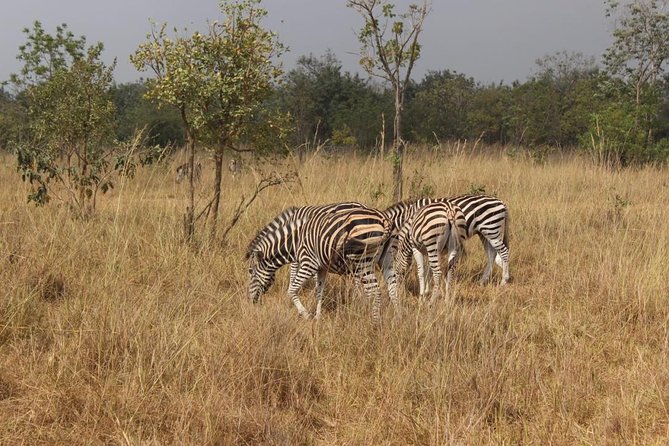
Your final day is nature with real structure. You’ll visit Kakum National Park and head to the canopy walkway, described as West Africa’s highest rain forest canopy walkway. Walking high above the forest floor is one of the most memorable ways to experience Kakum, because you’re not just looking—you’re moving through it.
After that, you’ll visit Hans Botel, with crocodile ponds and a weaver bird community before returning toward Accra. The tour ends with a drop-off at a location of your choice, so you can align your finish with your flight or next plans.
This final day works well because it gives you a different kind of Ghana—green, high, and active—right after the emotional history of Elmina.
Price and what $1,852.57 buys you in real life
At $1,852.57 per person for roughly six days, the key value isn’t just that you’re paying for transport—it’s what’s wrapped into that price. The tour includes:
- Air-conditioned vehicle
- All fees and taxes
- Accommodation for the duration
And most days include the relevant admission tickets for the stops. When those major costs are folded in, you’re less likely to feel nickel-and-dimed while you’re on the move. It also means your money stays focused on what it should be focused on: the experience itself, not constant add-ons.
The trade-off is predictable: meals and drinks are not included. So if you budget only for the tour price, you’ll need to plan extra for daily food and water. Also, since the itinerary is full and travel days can be long, you may want to keep snacks on hand (especially on days like Akaa Falls).
In short: if you want a planned route with key costs handled, this price can feel fair. If you prefer total freedom with no fixed structure, you might feel constrained by the pace.
Guide service and private group comfort: where this tour shines
One of the most praised aspects here is the human side. Past bookings highlight Emmanuel as the kind of guide who is professional, patient, and punctual—someone who shows up early and keeps the days running smoothly. There’s also feedback that the service is attentive enough to help with practical needs like visa-related questions.
The private format matters because it changes how the day feels. When it’s just your group and your guide, you’re not waiting for other people, and you can ask questions without worrying about holding anyone else back. It’s a small thing until you’re in it—and then it becomes a big deal.
If you like your travel day to feel calm even when the schedule is packed, this setup fits that goal.
Who this Ghana route is best for
This tour is a good match if you:
- want a structured six-day route that covers Accra, Kumasi/Asante culture, Elmina history, and Kakum nature
- prefer private travel over joining a larger group with different interests
- care about practical comfort, especially air-conditioned transport and included accommodations
- like learning through both museums and hands-on crafts, not just photo stops
It’s also a reasonable choice for many travelers (it’s listed as most can participate), but you’ll want to think about mobility on the 250 steps at Akaa Falls.
Should you book this Ghana culture and history tour?
I’d book it if your priority is a clear, guided route that mixes Ghana’s big themes: modern city life, Asante craft culture, Slave Route history, and a nature finish that doesn’t feel like an afterthought. The biggest reasons to feel confident are the included fees/taxes, the private guide setup, and the fact that accommodations are built into the schedule rather than tacked on.
I’d hesitate only if you know you dislike long days in a vehicle, or if you’re tight on budget for meals and drinks. Also, if the idea of climbing many steps is a stress point, plan around Akaa Falls.
If this tour matches what you want from Ghana—meaning, variety, and a guide who keeps things moving—you’ll likely find it a strong value.
FAQ
What cities and areas does the tour include?
The tour is based in Accra, with time in Osu for your first night, then travel to Akwapim (Aburi), Kumasi, Elmina, and Kakum National Park, before returning toward Accra for your final day.
Is pickup offered, and where does the tour start?
Yes, pickup/meeting is offered. You meet your morning arrival at Kotoka International Airport in Accra.
Is this a private tour?
Yes. It’s described as a private tour/activity, and only your group participates.
What’s included in the price?
The tour includes an air-conditioned vehicle, all fees and taxes, and accommodation. Admission tickets for the stops listed each day are also included.
Are meals and drinks included?
No. Meals and drinks are not included.
What accommodation types are used during the trip?
You stay at a mid-range hotel in Osu (Day 1), a resort on the Volta River (Day 2), mid-range hotels in central Kumasi (Days 3 and 4), and a mid-range beach resort in Elmina (Day 5).
How does the tour end?
On the final day at Kakum, you’ll return toward Accra and be dropped off at a location of your choice.
Can I get a refund if I cancel?
You can cancel up to 3 days in advance for a full refund. If you cancel less than 3 full days before the experience start time, the amount paid is not refunded.