REVIEW · ROME
Exclusive tour of Ancient Rome and Domus Tiberiana
Book on GetYourGuide →Operated by ontario srls · Bookable on GetYourGuide
Rome’s top views come with serious archaeology.
This tour is for you if you want real access to the Palatine Hill and Roman Forum area with an archaeologist-style guide who connects ruins to how Rome actually worked. I especially like the chance to see the imperial zone on Palatine Hill and get priority views toward the Circus Maximus, because it helps the whole geography click. I also love that the Domus Tiberiana is part of the experience, since it’s been closed for decades and has only recently reopened after major restorations. One thing to keep in mind: you’ll go through airport-style security, and you can’t bring luggage or large bags.
The vibe here is not just look-and-snap photos. You’ll get guided interpretation as you move through the Forum and Palatine Hill ruins, including restricted areas connected with the imperial palaces and where the city’s power was concentrated. If you’re the kind of person who likes knowing what you’re standing on, you’ll feel like you’re being handed the Rome “cheat code” along the way. The ticket is priced reasonably for what’s included, but you’ll need a passport or ID and you should plan for a tighter visit flow because security is real.
In This Review
- Key points I’d plan around
- Palatine Hill and Roman Forum: Where Roman power looked out
- Domus Tiberiana: The imperial residence that reopened after nearly 50 years
- How the Forum and Palatine connect city life to politics
- Your guide makes or breaks it: Dino and Donnatella’s best qualities
- Skip the ticket line, then plan for real security
- What the visit includes (and why that matters for value)
- Who should book this Palatine + Forum + Domus Tiberiana tour
- Should you book this tour?
Key points I’d plan around
- Archaeologist-guided ruins: interpretation, not just walking history.
- Priority access: better views and less waiting for entry.
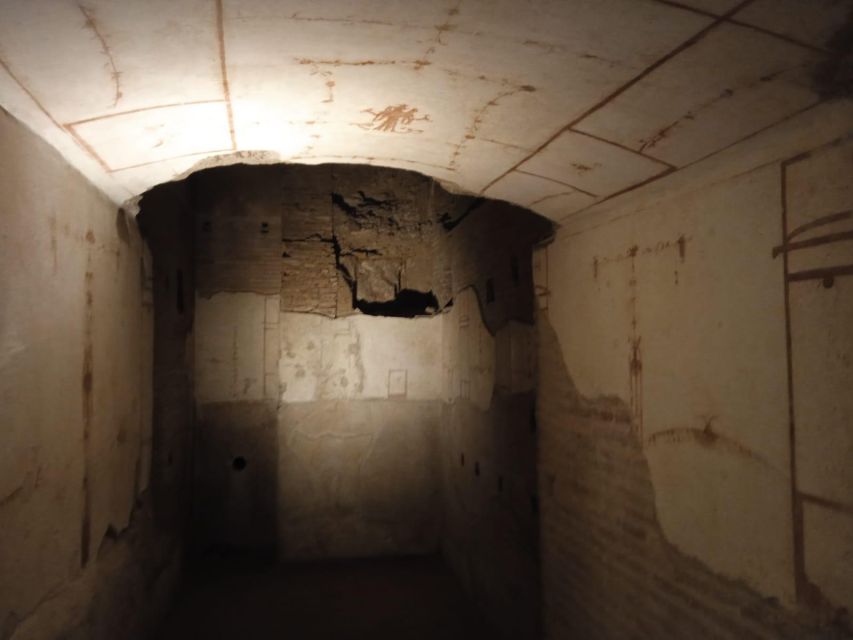
- Domus Tiberiana’s return: a major imperial complex newly restored and recently accessible again.
- Palatine Hill + Roman Forum together: you see where politics and power lived side by side.
- Circus Maximus sightlines: helpful views that place you in the city’s layout.
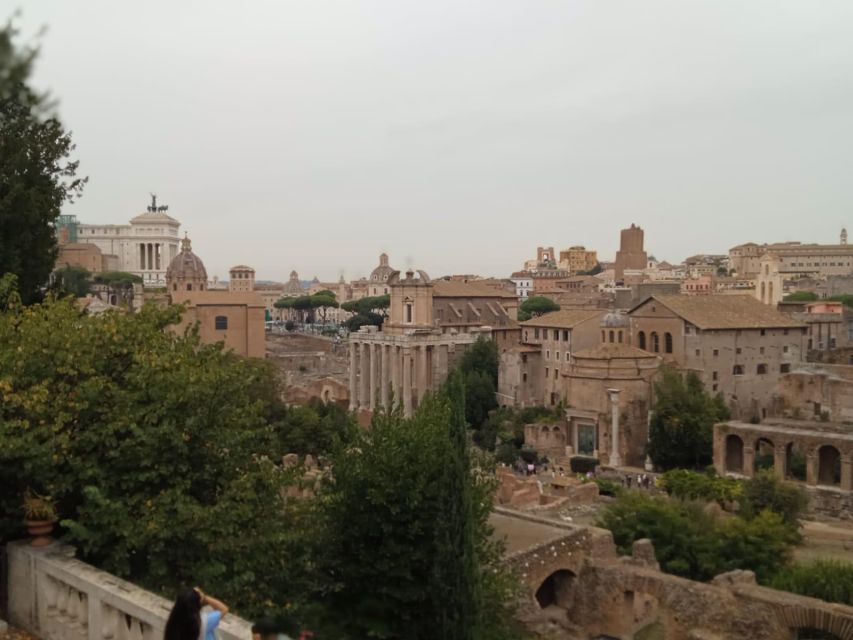
Palatine Hill and Roman Forum: Where Roman power looked out
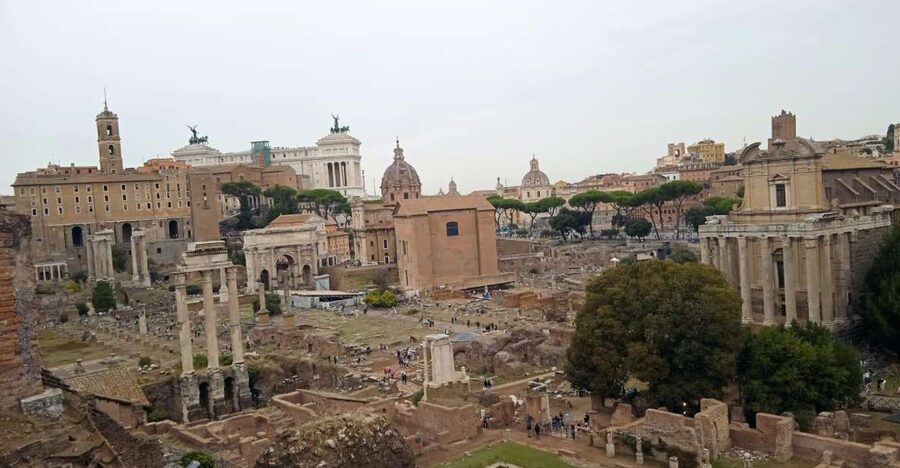
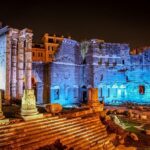
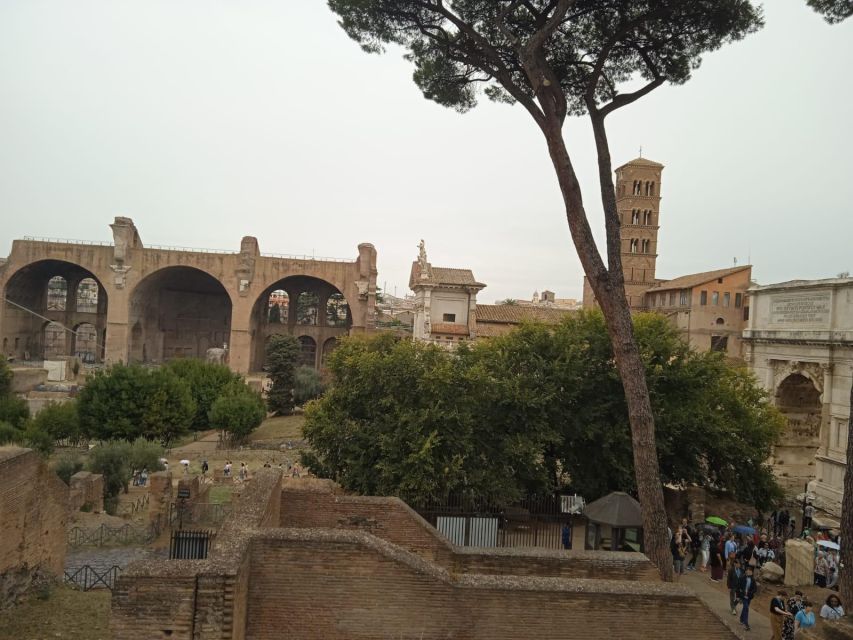
If you only do one chunk of Ancient Rome, make it this one. The Roman Forum shows the public face of power, while Palatine Hill is where the story turns private—emperors and elite circles shaping the city from above and nearby. When the guide points out alignments and vantage points, you start to see how Rome’s power network wasn’t scattered; it was concentrated.
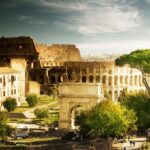
You’ll also get those great Forum-and-Circus Maximus views that help you understand the scale. The Circus Maximus matters because it wasn’t a small, niche spectacle—it was a huge stage for mass entertainment and public life. Seeing it from the right angles makes the ruins feel less like random stones and more like an organized city.
On this tour, you’re not only walking paths you could stumble through on your own. You’re being shown key buildings and areas tied to Roman institutions and the imperial world, which saves you hours of guessing. The Roman Forum can feel busy and confusing if you go without a plan, so having someone guide your route is a big quality-of-life upgrade.
You can also read our reviews of more tours and experiences in Rome.
Domus Tiberiana: The imperial residence that reopened after nearly 50 years
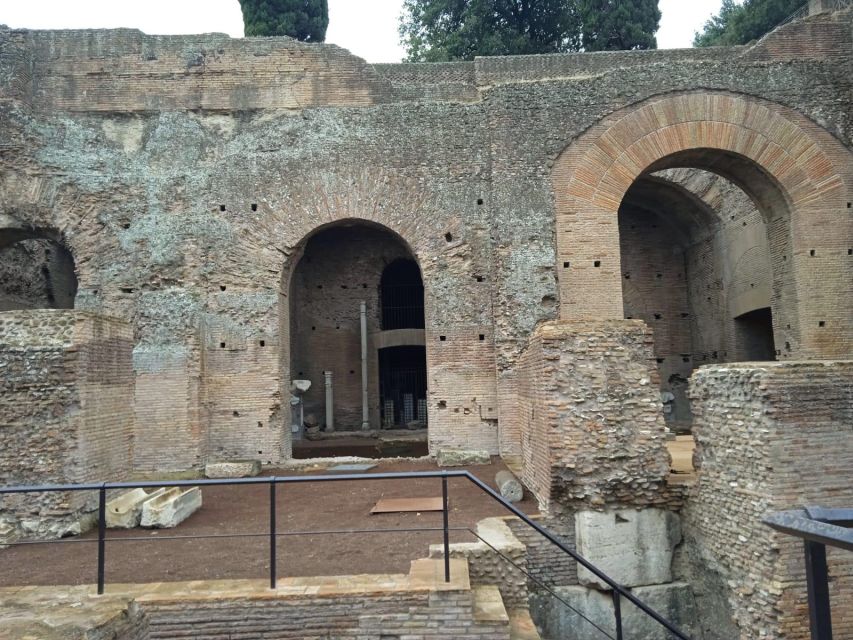
The headline for me is Domus Tiberiana. This was closed to the public for nearly 50 years because of structural issues, and it’s only recently undergone significant restorations. That history alone makes the visit meaningful: you’re not just seeing old Rome, you’re seeing a major piece of the city’s imperial story return after a long pause.
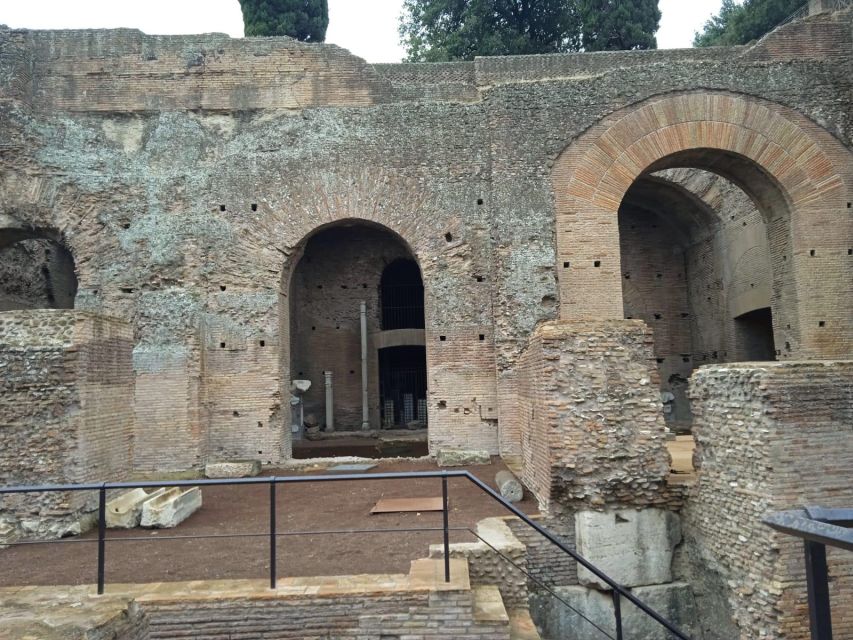
Domus Tiberiana covers roughly 4 hectares and sits overlooking the Roman Forum. That size is hard to imagine until you’re standing in the right spaces, looking at the layered design and the multi-level arches the complex is known for. Even if you’re not a “Roman architecture nerd,” the guide’s explanations help you grasp why the layout mattered—this wasn’t just fancy living; it was a statement of control and access.
The tour includes explanations of restricted areas of the imperial palaces on Palatine Hill too, so Domus Tiberiana fits into a bigger map of how the imperial residence related to the Forum below. When you connect those dots, the Forum stops being a distant backdrop and starts looking like the audience for imperial life.
How the Forum and Palatine connect city life to politics
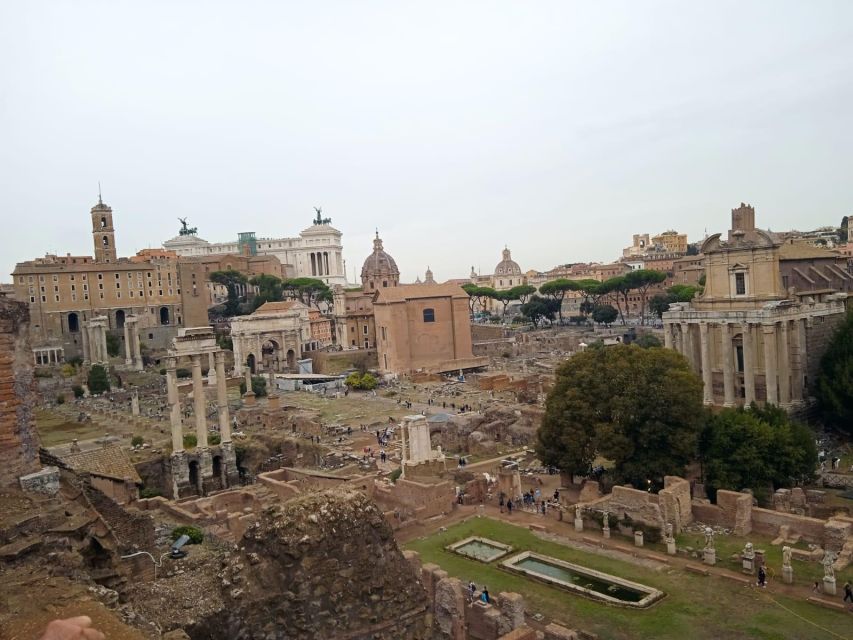
I like that the tour doesn’t treat the Forum like a museum hallway. You’ll get walked through where Rome was founded and where political life unfolded, then placed into that world as you move between Palatine Hill and the Forum. The point isn’t memorizing names—it’s learning the logic of the space.
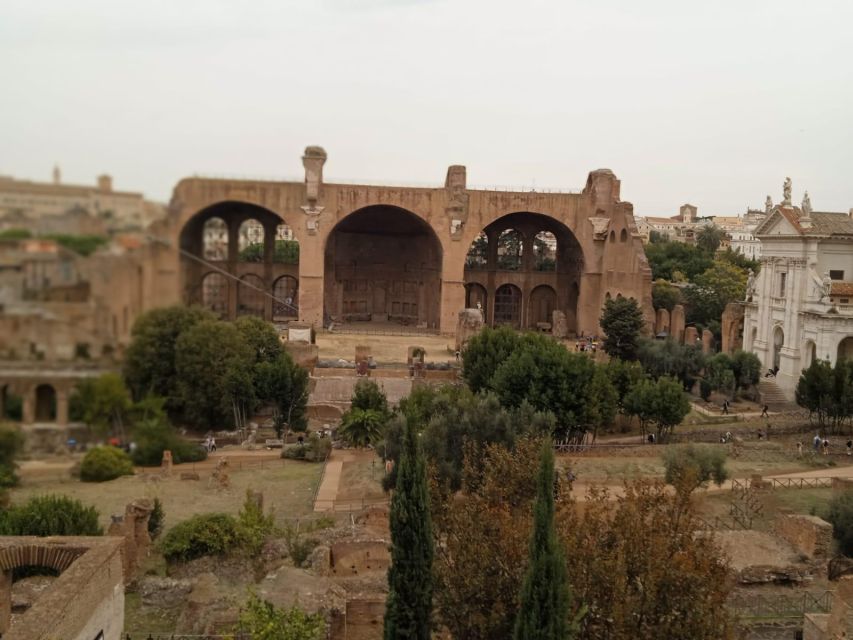
The Roman Forum is where public decisions happened, where power got performed, and where the city’s leaders were constantly measured by the crowds. Meanwhile, Palatine Hill represents the top tier of influence, including the imperial areas. Seeing both in the same guided visit helps you understand one key idea: Rome’s power wasn’t just a set of laws or titles; it was a physical experience tied to buildings, elevation, and movement.
You’ll also benefit from guided time spent in the most important areas. Without a guide, it’s easy to get lost in the sheer volume of ruins. With a guide, you get a route that keeps you oriented, and that orientation makes the whole site feel more understandable.
Your guide makes or breaks it: Dino and Donnatella’s best qualities
What really lifts this tour is the quality of the interpretation. The format is led by an expert archaeologist guide, and the difference shows in how they explain what you’re seeing.
In the reviews, two guide names stand out: Dino and Donnatella. Dino is praised for doing an excellent job showing the Forum and Domus Tiberiana and, importantly, for spending extra time explaining portions that have only been explored recently. That kind of detail matters because it turns restoration and new research from background trivia into something you actually notice in the ruins.
Donnatella is highlighted for deep knowledge and for genuinely taking interest in questions and concerns, with her guidance and timing exceeding expectations. That’s the sweet spot on a site like this: you want someone who can answer fast when you’re staring at an arch wondering what it means, and you want explanations that match what’s physically in front of you.
If you’re the type who likes to ask why a building is shaped the way it is, this tour structure is a good match. It’s not just someone reading off a script; it’s guidance that helps you make sense of complex layers of history.
Skip the ticket line, then plan for real security
One of the practical wins here is skip the ticket line. That reduces one of the biggest drains on time at Rome’s major ancient sites, so you get more of your 2 to 2.5 hours actually in the ruins rather than waiting.
Still, you should be ready for airport-style security. All visitors must pass through it, and you’ll need your passport or ID card. Also, luggage or large bags aren’t allowed, and you can’t bring things like drones, alcohol and drugs, or explosive substances.
If you’re used to touring Europe with a casual carry-all, Rome sites can feel stricter than you expect. So keep your day simple: bring only what you need for ID checks and comfort. You’ll thank yourself when the queue moves smoothly.

What the visit includes (and why that matters for value)
The tour includes a professional local expert guide plus entry/admission for Roman Forum and Palatine Hill. That’s important for value because those site entries aren’t free, and bundling them into the tour price reduces decision fatigue.
You’re paying $99.92 per person for a guided experience lasting 2 to 2.5 hours. For Rome, that’s in the “serious value” zone when you get two big sites together, guided interpretation, and priority access. If you tried to piece this together on your own, you’d spend time managing tickets and figuring out an order—and you might still miss the context that makes the ruins feel coherent.
Also note that food and drinks aren’t included. That sounds obvious, but it matters: this is a short, focused route. If you want a smooth day, eat before you go or plan a nearby break afterward.
Who should book this Palatine + Forum + Domus Tiberiana tour
This tour is a good fit if you want structure, context, and the kind of guided route that helps you understand what you’re seeing. It’s especially appealing if you care about the stories behind the stones—Imperial Rome, the Forum’s role in public life, and how restoration has changed what’s possible to visit.
It’s not suitable for wheelchair users, and it’s also listed as not suitable for people with recent surgeries. If either applies, you’ll want to look for a different format or a different route with fewer physical demands.
If you’re traveling solo, as a couple, or with friends who like history but don’t want to spend the whole day reading plaques, this should work well. The 2 to 2.5 hour duration is long enough to feel like you covered the essentials, but short enough that it won’t steamroll your afternoon.
Should you book this tour?
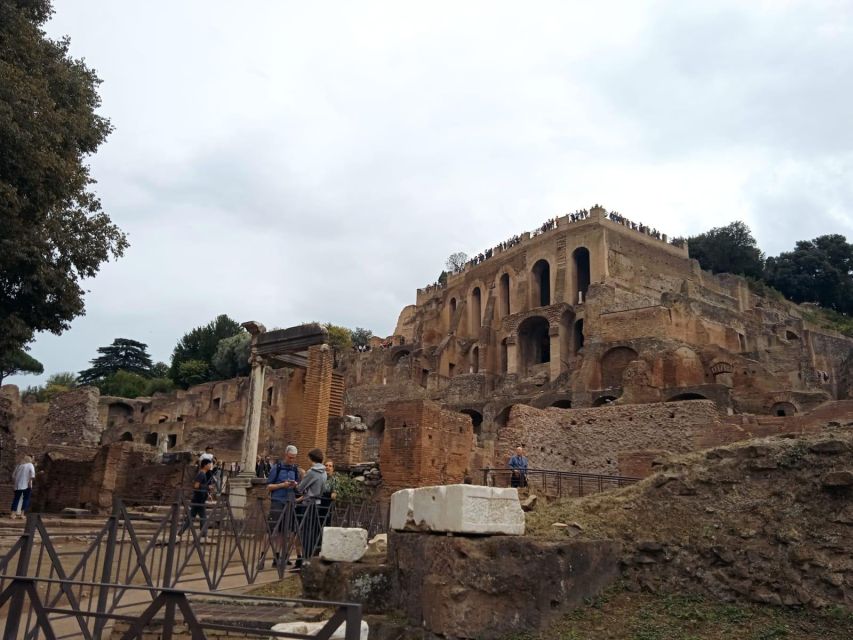
Yes, if you want the Roman Forum and Palatine Hill with priority access, plus the chance to see Domus Tiberiana as a restored, newly accessible site. The strongest reasons to book are the expert archaeologist-led interpretation, the guided attention to areas tied to the imperial palaces, and the fact that the tour is short enough to stay focused while still covering two of Rome’s big hitters.
Book it if you like being told what matters and why it matters, not just where to stand for a photo. Skip it only if you need an itinerary that’s more accessible or you’re uncomfortable with airport-style security and restrictions on bags.