REVIEW · ATHENS
Ancient Athens, Agora, and Keramikos Segway Tour
Book on GetYourGuide →Operated by Athens City Segway Tours · Bookable on GetYourGuide
Segways turn Athens into a glide. This 2-hour guided ride covers major classics like Keramikos and the Agora, plus hilltop views that are harder to reach on foot. You’ll move up and down Athens’ landscape fast, with stops for photos and short guided moments as you go.
I love the half-hour training that gets you rolling without drama, even if it’s your first time. I also like the small group setup (up to 10), which keeps the pace fun instead of rushed, and helps your guide keep an eye on everyone’s comfort and control. Guides such as Alexander and Gina also come through in a big way, with patience and clear guidance that makes the whole thing feel low-stress.
One consideration: this tour does not enter archaeological sites, so entry fees and full site walkthroughs are not part of the experience. You get history from the ride and the stop areas, but you won’t have that inside-the-site museum or courtyard experience.
In This Review
- Key things to know before you go
- Segways on Athens’ hills: the real reason this works
- Eschinou 9 start, helmet on, and the 30-minute training you actually need
- Areopagus and Thiseio: getting your views early, then rolling into the historic zones
- Kerameikos: ancient cemetery atmosphere by Segway
- Ancient Agora: the civic center feel, without the inside-site commitment
- Mars Hill and the Acropolis entrance approach: the big-name climbs, turned into glide-time
- Monastiraki and the Athens finish: a long enough landing to catch your breath
- Price and value: what $78 buys you in real sightseeing time
- Who this tour fits best (and who should skip it)
- Should you book this Segway tour?
- FAQ
- How long is the Ancient Athens, Agora, and Keramikos Segway Tour?
- What’s included in the price?
- Does the tour enter archaeological sites like the Acropolis or Agora?
- What are the age and weight requirements?
- Is luggage or a large bag allowed?
- Which languages are offered by the guide?
Key things to know before you go
- Half-hour training + helmet included so you start the real route feeling confident
- Keramikos (ancient cemetery area) gives you a calmer, older Athens mood than the postcard streets
- Agora and Acropolis approaches without the exhausting climb grind
- Stops built for photos and short breaks, not one long uninterrupted ride
- Small group limit of 10 helps keep traffic and spacing manageable
- No large bags/luggage and specific rider rules (age and weight) matter for planning
Segways on Athens’ hills: the real reason this works
Athens is famous for its hills, and that’s both a blessing and a trap. Blessing, because you get big views. Trap, because you can burn your energy fast before you even see the places you planned.
That’s where this tour shines. You’re gliding over varied terrain so you can spend more time looking up at landmarks and less time laboring your way between them. The route is built around the big-name zones people come to Athens for, including Mars Hill and the approach toward the Acropolis, plus the Agora area at the heart of ancient civic life.
The payoff is simple: you cover more ground in two hours than most walking plans, but you still get time to pause, take photos, and hear the story behind what you’re seeing. It’s a practical way to get your bearings on day one, or to add a new angle if you’ve already done a more traditional sightseeing day.
You can also read our reviews of more tours and experiences in Athens.



Eschinou 9 start, helmet on, and the 30-minute training you actually need
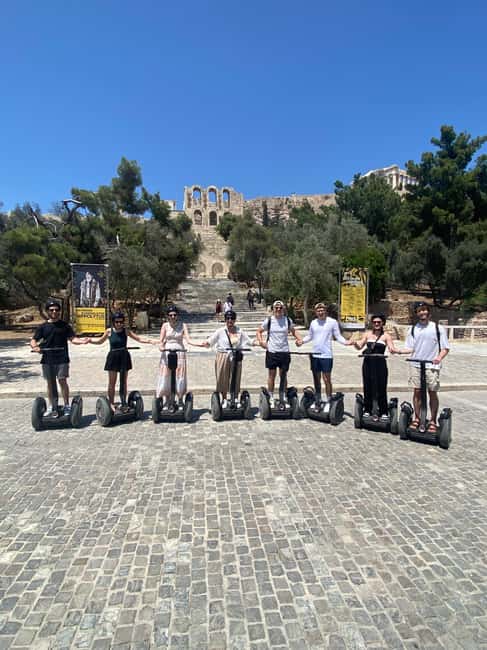
The meeting point is Eschinou 9, in the Plaka area. The tour is designed to start you with a proper Segway setup, not just a quick instruction and go.
You begin with about a half-hour training session, and you’ll also get a helmet. The point isn’t just safety. It’s control. The faster you feel steady, the more you’ll enjoy the ride rather than thinking about balance the whole time.
From there, the tour moves into short rides and guided stop moments. The rhythm matters. Instead of one long continuous glide where your attention drifts, you get segments of riding, then a pause for photos or a guided look at what’s around you.
If you’re worried about your first Segway day, you’ll probably feel better knowing the guides in the mix are known for being patient with learning curves. One highlight from recent experiences is how guides adapt when someone in the group needs extra coaching, including time to practice and get comfortable.
Areopagus and Thiseio: getting your views early, then rolling into the historic zones
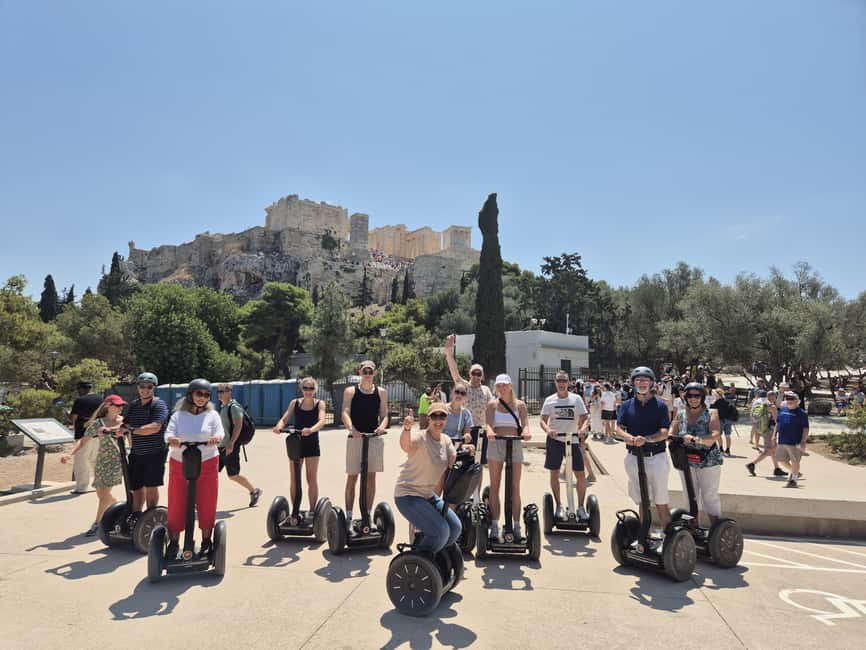
The tour’s first major viewpoint stop is Areopagus. This is where you build that early sense of elevation and scale that Athens does so well. You’ll have a break and photo time, and you’ll get a guided look as you move through the area.
Next comes Thiseio, with another photo and guided moment plus a short glide segment. Even if you’re not going inside major monuments, this part of the route helps you connect the dots. You start seeing how neighborhoods, hills, and ancient routes line up in real space.
A small but important detail: the tour includes short guided talks, but you’ll also be moving. If you’re the type who likes to catch every spoken fact, plan to lean in during stops and not worry if the conversation is harder during motion. One of the few gripes tied to the experience is that hearing the guide can be tough while you’re traveling, which is normal on a ride. Treat the stop moments as your main listening time.
Kerameikos: ancient cemetery atmosphere by Segway
Now for a very Athens thing: Kerameikos, the ancient cemetery area. This stop is special because it’s not only about famous ruins in the usual postcard sense. It’s a reminder that Athens was a living city with real people and real stories—right up to the edge of where the ancient world laid its dead.
You’ll have a photo stop and guided segment, then a ride connection that keeps you moving without losing the context. The Kerameikos area also tends to feel more spacious and reflective than the busiest sightseeing lanes, which makes it a good break from pure crowds.
The Segway part is what makes this stop easier. You still get to take in atmosphere and surroundings, but you’re not spending your limited time grinding uphill and then immediately needing another long climb.
Ancient Agora: the civic center feel, without the inside-site commitment
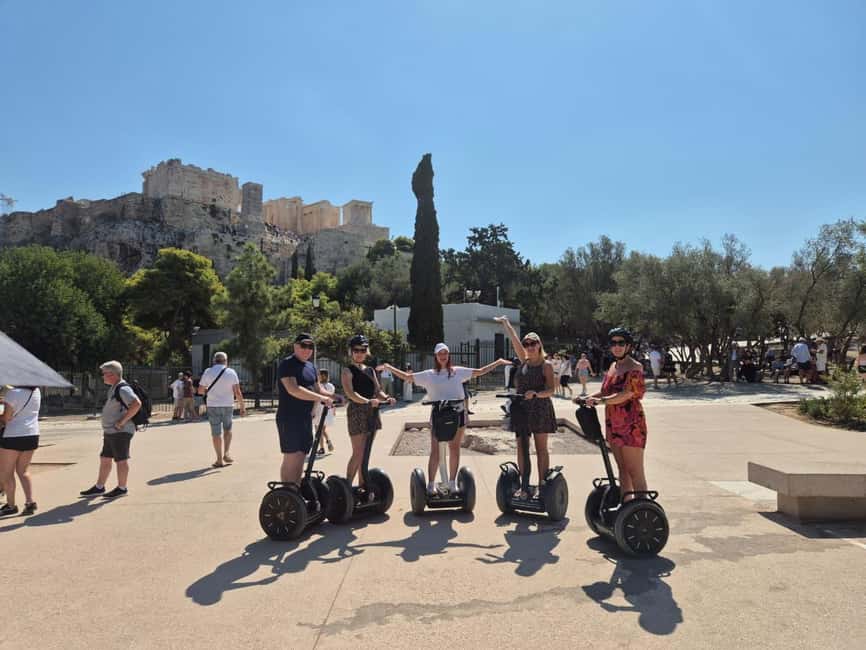
After Kerameikos, the route reaches the Ancient Agora of Athens area. This is the heart-of-it zone for ancient civic life, the kind of place where you can almost imagine debate, commerce, and public gatherings.
Here, you’ll get another photo stop and guided look, plus time to absorb what’s in front of you. The important detail is that the tour does not enter archaeological sites. That means entry tickets and full on-site guided experiences aren’t included.
So think of the Agora stop as a high-value orientation moment. You’ll see the surrounding setting and hear key ideas, but you won’t be walking through every inner space the way a paid site ticket tour would. If you want a deeper, inside-the-structures experience, you can pair this with a separate archaeological visit later.






Mars Hill and the Acropolis entrance approach: the big-name climbs, turned into glide-time
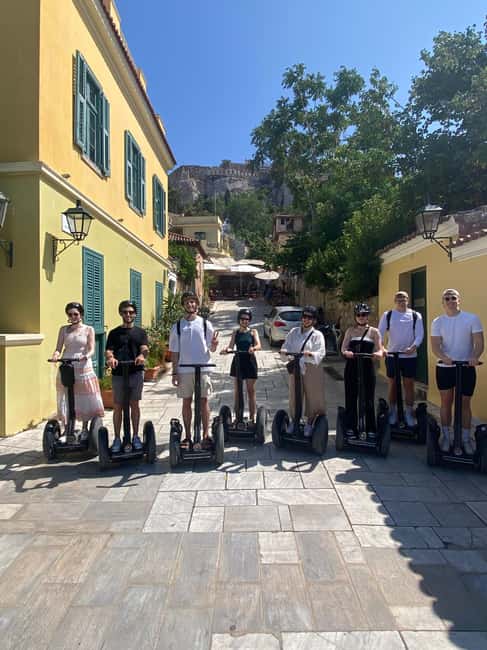
One of the headline features is riding over Mars Hill and continuing toward the entrance to the Acropolis. This is where the Segway saves your legs.
You’ll have a guided break and photo time along the route, and then the riding brings you up toward those famous viewpoints. The tour also includes Pnyka Hill and a terraced area connected to the story of democracy, followed by a path leading to one of the better panoramic outlook points in the city.
Even if you’ve visited the Acropolis already on another day, this approach can still be worthwhile because it changes the angle. You’re not just standing and looking. You’re traveling the slopes and seeing how the city sits around ancient high ground.
That panoramic piece is a real practical win. You get a clearer “map in your head” for where ancient areas connect, where modern streets lead, and which hills are worth revisiting on foot.
Monastiraki and the Athens finish: a long enough landing to catch your breath
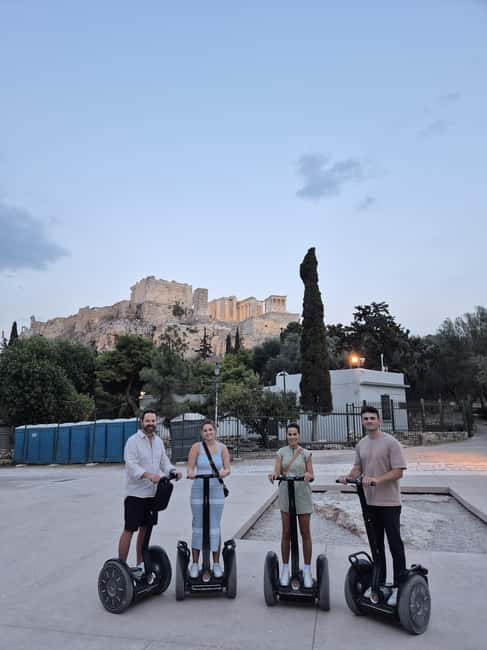
As the tour winds down, you’ll reach Monastiraki for another short guided and photo moment, plus a break. This area is known as a lively neighborhood hub, so it’s a nice place to pause and recalibrate.
Then the tour ends back at the starting point, Eschinou 9. You’ll also have a longer stop labeled Athens with free time, including photo moments and pass-by views on the way. That extra time is useful because you can:
- grab a few final photos while the light is good
- walk a short distance if you spot a street you want to explore later
- shift from tour pace to your own pace without rushing
You’re not left stranded. It’s structured enough to feel guided, but flexible enough to let you keep exploring afterward.
Price and value: what $78 buys you in real sightseeing time
At $78 per person for a 2-hour guided ride, the value depends on what you want most: efficiency, energy-savings, or a quick first-pass overview.
This price includes the core stuff that makes Segway tours work: training, a helmet, and an experienced local guide. It also includes the time you’d normally spend walking and climbing between dispersed highlights. That’s the big deal in Athens, where steep streets can turn “one more stop” into “why did I do that to my knees.”
The one thing not included is site entry and any inside-site guided tours at archaeological places. Since the tour doesn’t enter archaeological sites, you should view the historical stops as orientation with context, not as a replacement for a ticketed Acropolis or full archaeology tour.
In plain terms: if you want a fast, fun way to get the lay of the land and collect the skyline views without spending the whole day hiking, this is strong value. If you want maximum time inside monuments, pair it with a separate entry-based visit.
Who this tour fits best (and who should skip it)
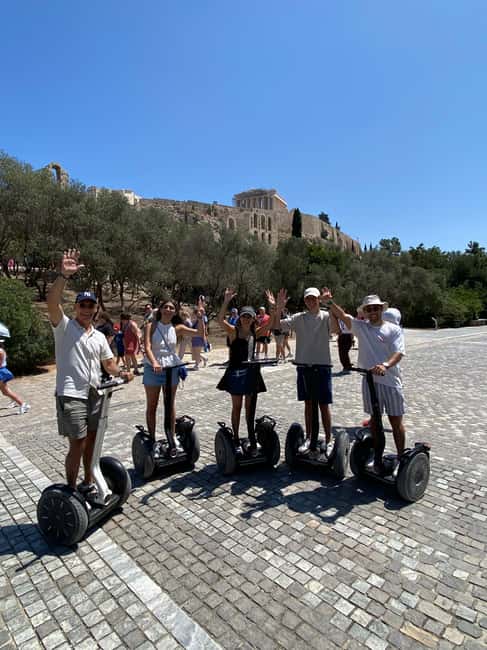
This Segway experience is a good match if you:
- want to see Keramikos, the Agora area, and Mars Hill views in one go
- like guided storytelling but don’t want to spend every minute on your feet
- are comfortable learning a new skill and then using it right away
It’s less ideal if you:
- can’t meet the ride requirements, including the minimum age of 10 and the rider weight limits (not suitable under 100 pounds / 45 kg or over 250 pounds / 113 kg)
- need accessibility support for stairs or climbing motions, since riders must be able to do those movements without assistance
- are pregnant, since the tour is not recommended for pregnant women
- plan to bring luggage or large bags, since those aren’t allowed
Also note: anyone under 18 must be accompanied by an adult. That matters if you’re planning a family trip.
Should you book this Segway tour?
I think this is a great choice when your goal is efficient sightseeing and skyline views without turning Athens into a long uphill slog. The combination of training, a small group, and multiple hilltop stops gives you a strong “first map of the city” effect. And when guides like Alexander or Gina bring patience and clear handling, the whole experience feels smoother, even for first-timers.
Skip it or plan something else if you’re specifically chasing inside-site access and full ticketed monument time. Since the tour does not enter archaeological sites and entry isn’t included, you’ll want separate plans for that deeper, indoor kind of history.
If you’re weighing it, here’s my quick rule: book this when you want to move, look, and learn in motion. Book a ticketed archaeology day when you want to slow down inside the monuments. Many people do both, and it works well.
FAQ
How long is the Ancient Athens, Agora, and Keramikos Segway Tour?
The tour lasts 2 hours. Starting times depend on availability, so you’ll need to check the schedule for your date.
What’s included in the price?
The included items are training, a helmet, and an experienced local tour leader. Guided content at archaeological sites is not included as a paid entry experience.
Does the tour enter archaeological sites like the Acropolis or Agora?
No. The tour does not enter archaeological sites. Entry and guided tours inside those sites are not included.
What are the age and weight requirements?
The minimum age to ride is 10 years. Riders must weigh between 100 pounds (45 kg) and 250 pounds (113 kg). People under 18 must be accompanied by an adult.
Is luggage or a large bag allowed?
No. Luggage or large bags are not allowed for this activity. You should wear comfortable shoes and travel with minimal items.
Which languages are offered by the guide?
The live guide is available in English, Spanish, Hebrew, and Russian.