REVIEW · ATHENS
Ancient Sparta & Mystras Private Day Tour from Athens
Book on Viator →Operated by Olive Sea Travel · Bookable on Viator
Sparta has a pull, even when the ruins are quiet. This private day trip strings together Mystras (the medieval “ghost city”) and the key Sparta landmarks, with a scenic stop at the Corinth Canal on the way. It’s the kind of itinerary that saves time and keeps you moving without getting stuck in a big bus herd.
I especially like the pacing. You’re not just herded from one ticket line to the next. With hotel (or Airbnb/port) pickup and drop-off, the day feels built for real sightseeing, not logistics. And I like that the drive itself gets treated like part of the tour—drivers such as Andreas, Nikos, Marios, George, and Terry are repeatedly praised for storytelling and smart stops along the route.
One thing to consider before you book: entrance fees and some site-hours issues are real. Entrance tickets for Ancient Sparta, Mystras, and the Olive Oil Museum aren’t included, and if any parts are closed on the day you go, your “sparta sightings” can feel shorter than you hoped.
In This Review
- Key highlights worth your attention
- How a private Athens-to-Sparta-and-Mystras day actually plays out
- Corinth Canal: a quick scenic stop with a daredevil option
- Mystras: the medieval ghost city where churches are still active
- Sparta landmarks: more meaning than museums
- The Olive and Olive Oil Museum stop that fits the day
- Drivers and flexibility: the biggest value multiplier
- Price and what to budget beyond the base cost
- Who this day trip suits (and who might want another plan)
- Should you book it?
- FAQ
- Is this a private tour?
- How long is the tour from Athens?
- What’s included in the price?
- Are entrance fees included?
- Is a licensed guide included at the sites?
- Is there an option for bungee jumping?
Key highlights worth your attention
- Private door-to-door pickup and drop-off so the day starts fast and ends on your schedule
- Mystras combines ruins with living monasteries, so you’re walking among church life, not only stone
- A great viewpoint workflow: citadel first, then palaces and courtyards as you move downhill
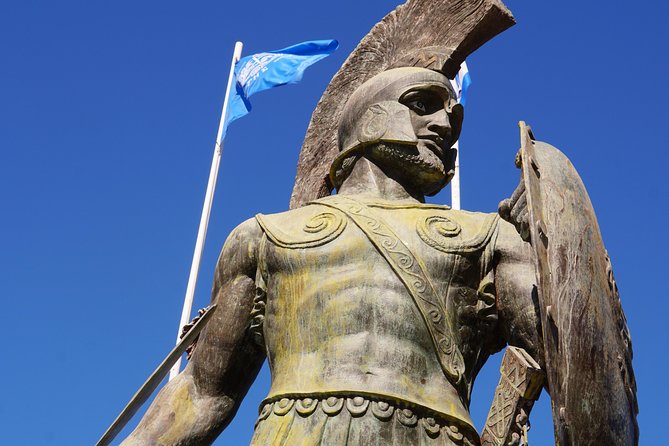
- Leonidas Monument ties into modern Spartan running culture via the Spartathlon endpoint marker
- Corinth Canal includes a walkable bridge and, on some days, a bungee jump option
- Short olive-oil learning stop that fits neatly into a packed 10-hour day
How a private Athens-to-Sparta-and-Mystras day actually plays out
This is a private 10-hour outing, built around driving time, site time, and breathing room. You’ll leave Athens in the morning, spend time at both Mystras and Sparta proper, and then head back. Exact timing depends on traffic, but the drive is long enough that the car ride matters. In reviews, people call out about 2.5 hours each way, and that checks out with how far south you’re going.
Here’s what makes the private setup practical for you: you can move at “your group speed.” If you want photos, you stop. If your knees complain, you adjust the pace. One common theme is that the driver helps manage parking and timing so you don’t burn your limited hours fighting the clock.
Also note a key limitation. The drivers are described as professional and history-focused, but they aren’t licensed to walk you through sites inside museums. If you want a licensed guide inside the archaeological areas, you need to hire one separately. That’s not a deal-breaker for many people—it can work great when you’re happy with driver context plus self-paced exploration—but it’s worth deciding up front.
You can also read our reviews of more tours and experiences in Athens.

Corinth Canal: a quick scenic stop with a daredevil option
The day starts with a drive along the coast, with views of Greek seaside villages and the island of Salamis. (Salamis is tied to the historic naval battle between Athenians and Persians.) It’s a nice warm-up before the day turns into mountains, ruins, and stone cities.
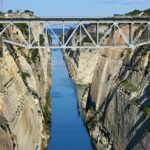
Then you hit the Corinth Canal. The canal opened in 1892, cutting through what separates the Peloponnese from the rest of Greece and connecting the Saronic Gulf to the Corinthian Sea. The tour gives you about 15 minutes, and the best part is simple: you can walk to a pedestrian bridge to see the canal closer. That’s a quick “wow” moment that doesn’t require hours of planning.
On some days, bungee jumping is an option at the canal. The tour doesn’t push it, which is good. If you’re not in the mood for adrenaline, you still get the views and the canal geometry fix.
Practical tip: wear shoes you trust. You might not spend long here, but you’ll likely be on uneven ground near viewpoints. And if you’re the type who likes to stand in the best spot until your camera battery cools down, 15 minutes will feel tight—in a good way.
Mystras: the medieval ghost city where churches are still active
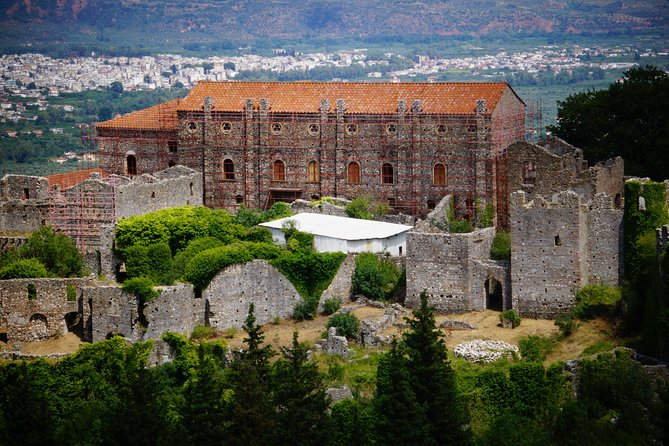
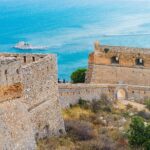
If Sparta is the headline, Mystras is the reason your day feels bigger than a checklist. You drive into the southern Peloponnese through mountainous countryside, then arrive at Mystras, a fortified citadel city tied to the Byzantine era. It’s often described as a “ghost city,” but that name is slightly misleading—in a good way. Many monasteries are still in use, and monks may show you around their small world.
Mystras is built for slow walking and smart sequencing. The way your time is framed matters:
- You start at the upper point, reaching the citadel and getting major views over the surrounding area.
- Then you walk downhill toward palaces and royal courtyards.
That uphill-to-downhill flow helps you read the site. You’re not constantly backtracking, and the slopes naturally space out your attention. At the top, you get the “how could this be defended?” feeling. On the way down, you see how daily life and power buildings overlapped.
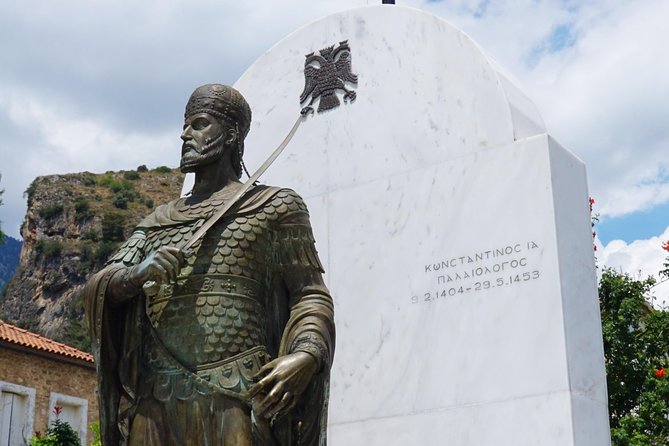
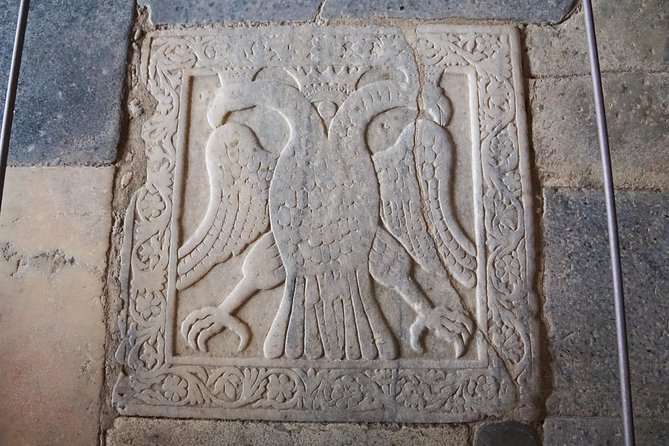
You’ll also come across the chapel of St. Demetrios. Inside, there’s mention of a plaque with a two-headed eagle, a symbol of Byzantium. The tour notes that it was on that plaque that Konstantine Palaiologos kneeled before being crowned the last emperor of Byzantium. Even if you don’t remember every name afterward, this kind of anchor detail turns Mystras from scenery into story.
Time-wise, you’re allotted about two hours here, and that’s usually enough for photos, a steady walk, and a meaningful pause in churches and viewpoints.
One more practical note: plan your energy. People describe Mystras as accessible, but it is still a site of stairs and uneven ground. If you’re going with limited mobility, you’ll want to communicate your comfort level early so the driver can pace your stops.
Sparta landmarks: more meaning than museums
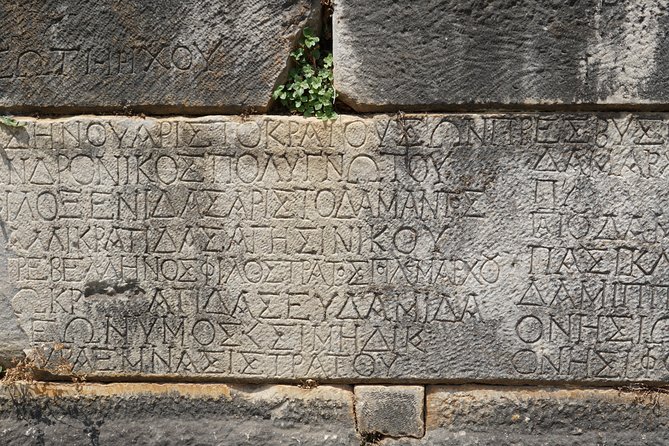
After Mystras, the tour shifts to Sparta, the city tied to competing ideals in ancient Greece. Sparta is associated with a military-focused society, ruled by a small group of aristocrats and known for its kings. It’s also the myth-and-history connection point for Leonidas and the famous 300 marching toward Thermopylae in 480 BCE.
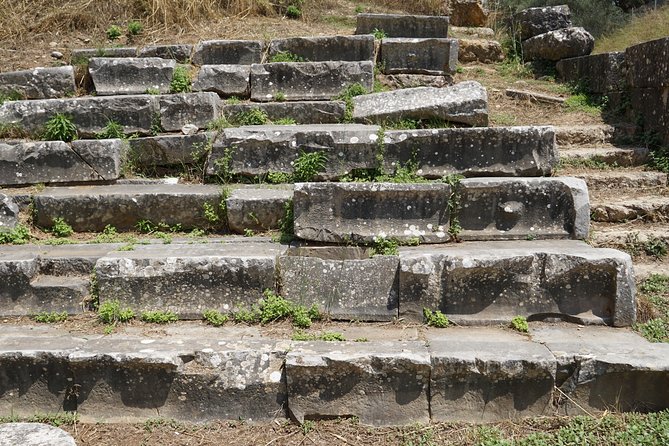
You’ll spend about 30 minutes at the Acropolis and Ancient Theater area, where the tour emphasizes the contrast between Sparta’s worldview and Athens. The reality check: Sparta’s on-site remains can feel smaller and more atmospheric than you expected, especially compared with big archaeological sites elsewhere. Some people come away surprised that they can see so much in a short time.
That said, your driver’s in-car context changes the experience. If you can link what you’re looking at to what you’ve heard on the drive, you’ll get more meaning out of the short stop.
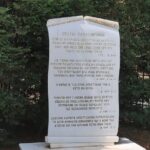
Then you move to the Leonidas Monument area. You’ll pass in front of a stadium with a Leonidas statue, marking the ending point of the Spartathlon race—the route Athens to Sparta (245.3 km). This is one of those touches that makes ancient references feel current. You’re seeing a modern marker in a place that was famous for marching, endurance, and discipline.
You’ll also get about 10 minutes here. It’s short, but it works because the monument is the key visual moment—after that, it’s usually about photos and soaking in the setting.
Practical tip: bring stamina for Mystras, but don’t expect to solve Sparta like a giant archaeological puzzle. Think of Sparta here as the frame—the emotional and historical context—while Mystras does most of the heavy lifting.
The Olive and Olive Oil Museum stop that fits the day
Before you head back to Athens, you make a stop at the Museum of Olive and Olive Oil. Time allocation is about 20 minutes, and admission is not included in the base price.
This part can be easy to overlook because it’s not a battlefield. But it’s also one of the more “life” stops on the itinerary. Greece’s olive culture isn’t a museum-only topic; it’s part of how people eat, farm, and build local identity. In a day that’s otherwise heavy on stone and theory, this museum-style stop gives you a quick grounded perspective on what everyday life looks like—then and now.
If you’re short on time or museum fatigue hits, 20 minutes is manageable. You can skim, learn a few things, and move on without feeling stuck.



Drivers and flexibility: the biggest value multiplier
This tour’s biggest strength isn’t just the stops—it’s the driver. The reviews (and the repeated names) point to the same pattern: people remember the ride because the driver makes connections between what you see and why it mattered.
You’ll see praise for drivers like Andreas, Nikos, Marios, George (and George plus Jimmy in one case), Terry, Petros, Vasilis, Demostines, and Chris. Common compliments include:
- smooth, comfortable driving and parking
- clear explanations while you’re on the road
- flexibility to adjust the flow so you don’t feel rushed
One practical perk: drivers often help handle timing for breaks and even lunch. In reviews, people mention getting excellent lunch recommendations near Mystras, sometimes with reservations lined up. That’s the kind of small planning that makes a long day feel civilized.
And yes, the “be in the car for hours” factor matters. People note that conversation and stops keep the ride from feeling endless. If you’re the type who gets antsy in transit, choose the private format here for exactly that reason.
Price and what to budget beyond the base cost
The listed price is $340.93 per person for a private day out (about 10 hours). That sounds steep until you think about what’s included: door-to-door pickup/drop-off, private transportation, and bottled water. For a route that’s long, private, and time-sensitive, you’re paying for efficiency and comfort.
But the real budget picture has two add-ons:
- Entrance tickets for Ancient Sparta, Mystras, and the Olive Oil Museum: €34 per person (not included)
- If you want a licensed tour guide to accompany you inside the sites/museums: €390 additional, depending on availability
So is it good value? For many people, yes—because the private format saves the stress of group timing and gives you a smarter way to experience two major sites in one day. If you’re the kind of visitor who likes a plan but hates being dragged around, this fits well.
The one caution is cost sensitivity. If you’re paying a premium and then find a major section closed or missing, the experience can feel less than you paid for. There’s at least one reported case where parts of Sparta’s archaeological site were closed on a scheduled day, and it led to disappointment. There’s also a clarification that the palace of Mystras is under restoration for many years, so you should mentally plan your Mystras focus on churches, monasteries, and the museum areas that are open.
Who this day trip suits (and who might want another plan)
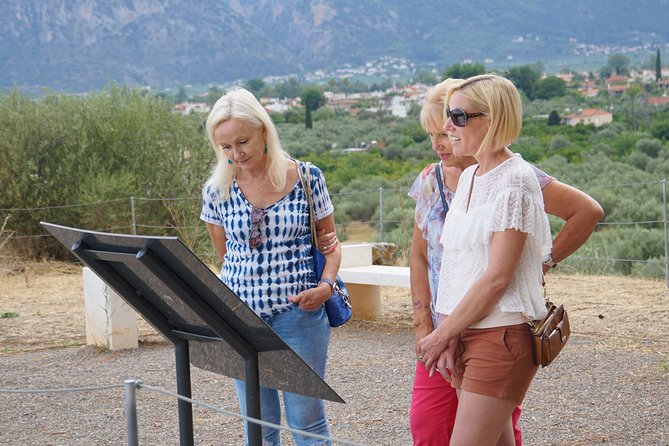
This tour is a strong match if you:
- want one-day access to both Mystras and Sparta from Athens
- like guided context but prefer self-paced time inside sites
- value comfortable private transport and the ability to adjust your day
- enjoy cultural history, plus one “life learning” stop like olive oil
It may feel less ideal if you:
- want a long, deep site guide inside every museum space (you’ll need the licensed guide add-on)
- are extremely sensitive to missing parts due to site closures or restoration
- expect Sparta to look like a huge, fully intact museum complex (here, it’s more about landmarks and atmosphere)
If you want the best of both worlds, think about Mystras as your main event and Sparta as the “meaning” event. This itinerary is designed that way.
Should you book it?
I’d book this tour if your heart is set on seeing Mystras and Sparta in one day without wrestling with schedules. The private pacing, the driver-led storytelling, and the fact that Mystras mixes stone with living monasteries make this feel like more than a drive-by.
Skip the tour only if you’re booking with ultra-specific expectations about which museum rooms must be open, or if you strongly prefer a licensed guide inside the sites and don’t want to add that cost. Otherwise, it’s a practical, memorable way to turn Athens time into Peloponnese time—one long day that feels well spent.
FAQ
Is this a private tour?
Yes. It’s a private activity, so only your group participates.
How long is the tour from Athens?
It’s listed as about 10 hours, and the exact duration can change based on time of day and traffic.
What’s included in the price?
You get hotel/AirBnb/port pickup and drop-off, private transportation, bottled water, and the services of professional drivers with deep historical knowledge (they are not licensed to accompany you inside museums or archaeological sites).
Are entrance fees included?
No. Entrance fees for Ancient Sparta, Mystras, and the Olive and Olive Oil Museum cost €34 per person and are not included in the base price.
Is a licensed guide included at the sites?
Not automatically. A licensed tour guide can be arranged upon request depending on availability, and it costs €390.
Is there an option for bungee jumping?
The plan includes the Corinth Canal stop, and it notes that on some days bungee jumping is an option.