REVIEW · ATHENS
Athens: Kotsanas Ancient Greek Technology Museum Guided Tour
Book on GetYourGuide →Operated by Kotsanas Museum · Bookable on GetYourGuide
Ancient Greek machines act like modern gadgets. This private visit to the Kotsanas Museum is built around real working ideas from antiquity, so you don’t just read about inventions—you see mechanisms in motion and get clear answers from an engineer or historian. Two things I loved right away: the chance to track the story of the oldest analog computer and other famous devices up close, and the way the guide turns heady technical concepts into plain, watch-and-try moments.
Second, the setting helps. The museum lives in a historic Art Nouveau building, and the displays use big diagrams, labels, and video to help you follow how Greek technology actually worked. The main drawback is simple: it’s not suitable for people with mobility impairments, and with only a 1-hour private tour, you’ll want to pay attention early so the free exploration time feels like a bonus, not a scramble.
In This Review
- Key Things You’ll Notice on This Tour
- Finding the Kotsanas Museum Near Syntagma
- The 1-Hour Private Tour: How You Actually Get Value
- Inside a 700 Square Meter Art Nouveau Home
- What You’ll See: Ancient Devices That Feel Shockingly Modern
- The Old Analog Computer Connection
- Antikythera-Style Calculating Mechanisms
- Automata and Motion Stories
- Hydraulic and Timekeeping Engineering
- Interactive Stations, Labels, and Video That Actually Help
- Using the Guide Like a Pro (Even If You’re Not an Engineer)
- Getting the Most Out of Your Free Time
- Price and What It Covers for a Small Group
- Who This Tour Fits Best
- Should You Book This Guided Visit?
- FAQ
- FAQ
- Where does the tour meet?
- How long is the guided tour?
- Is the tour private?
- What language is the guide?
- What’s included in the price?
- Are food and drinks allowed?
- Is the museum tour accessible for mobility impairments?
- What kinds of exhibits will I see?
Key Things You’ll Notice on This Tour
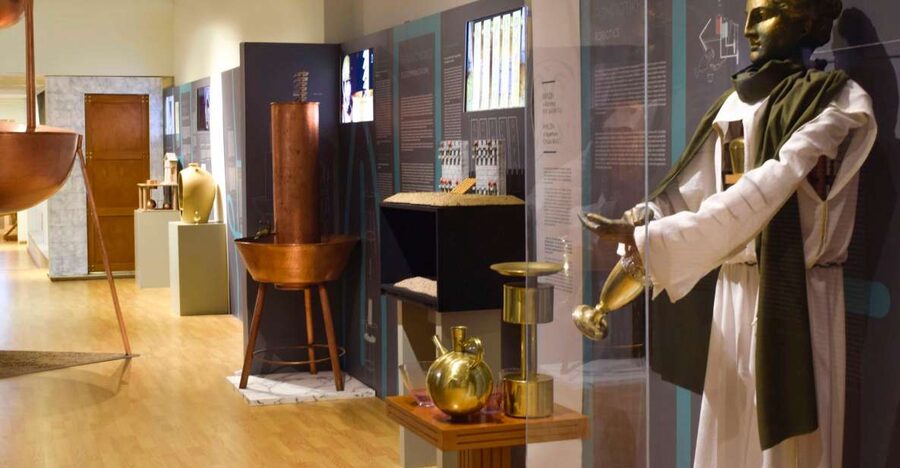
- Private guide in English (engineer or historian), tuned to your pace
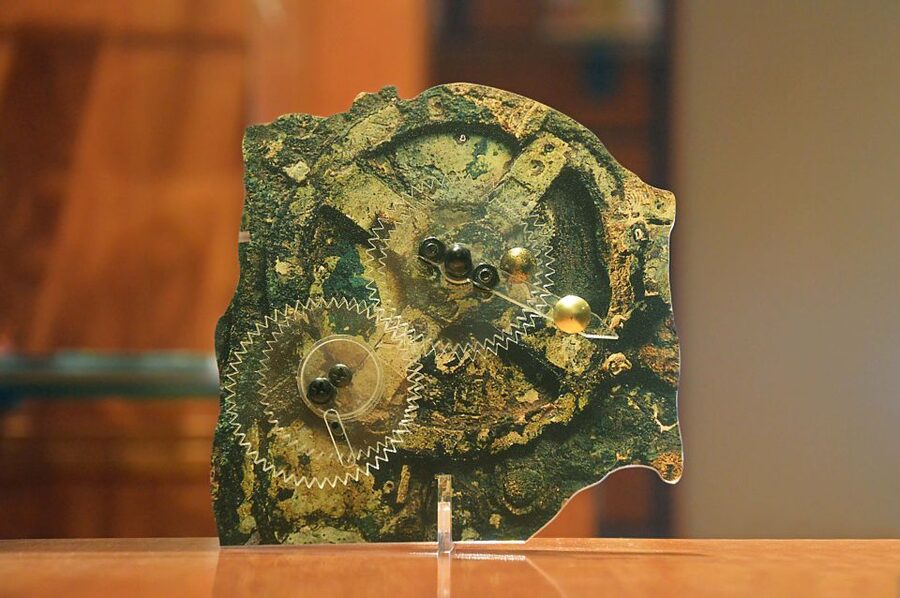
- Working models of inventions, including the oldest analog computer and the Antikythera-style calculating mechanism
- A focused “hi-tech” theme across about 100 selected exhibits tied to automation and devices
- Interactive displays plus audio-visual stations with video, animation, and documentaries
- A one-hour format that hits the highlights fast, then leaves room for questions and self-guided browsing
Finding the Kotsanas Museum Near Syntagma
This tour starts at Pindarou 6, Athina 106 71, and it’s an easy walk from Syntagma Metro Station (about 5 minutes). That matters because you can slot this into a normal day of Athens walking without planning a separate transit adventure.
Also, since it’s a private group, you’re not stuck waiting behind a line of strangers. The meeting point keeps things simple, and once you’re inside, the museum’s format encourages you to slow down and look closely—at gears, levers, timing systems, and the little “how did they think of this?” details.
You can also read our reviews of more tours and experiences in Athens.



The 1-Hour Private Tour: How You Actually Get Value
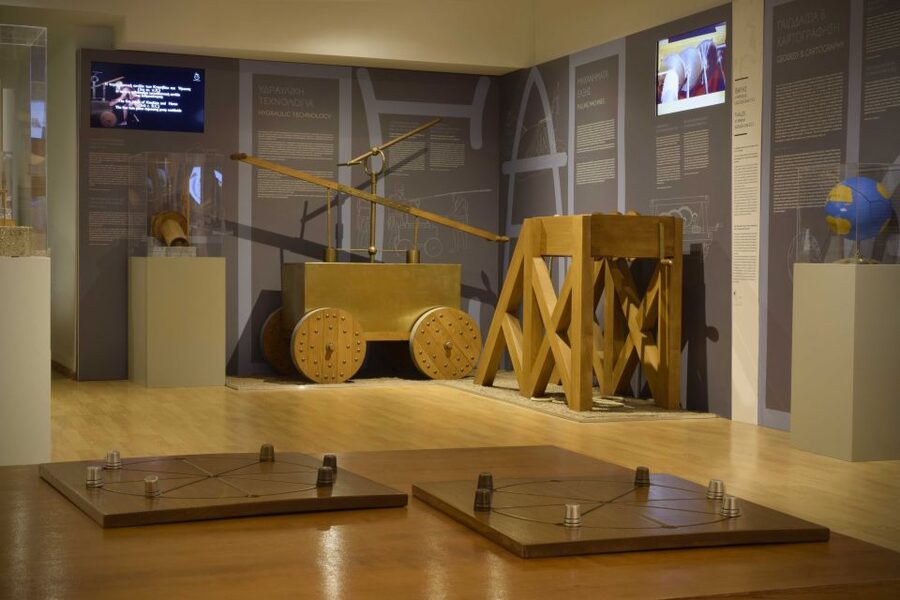
You’re buying an hour of expert interpretation, not just admission. The museum provides a private guided tour in English, run by qualified staff such as engineers, archaeologists, historians, or museologists. That guide role is the difference between passively viewing old objects and understanding what you’re seeing.
What I like about the timing is that it forces clarity. In an hour, you can focus on the most meaningful inventions and the logic behind them—how a mechanism measures, counts, moves, or times. Then you get free time to explore further, which is your chance to re-check any device that grabbed you.
The one caution: because the tour is only 1 hour, you’ll get more out of it if you’re ready to ask questions as you go. If you tend to read everything slowly, I’d treat the guided portion as your map, then spend your free time on the items that feel personal.
Inside a 700 Square Meter Art Nouveau Home
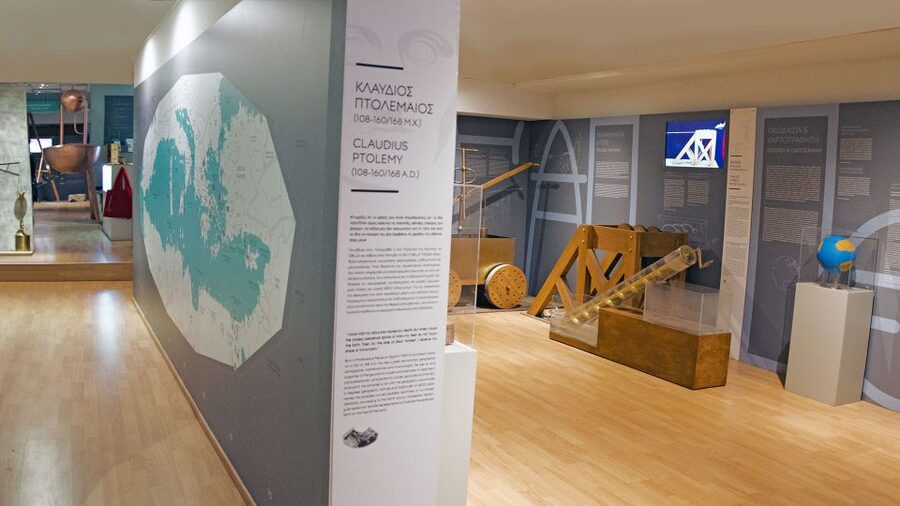
The Kotsanas Museum isn’t just a collection—it’s housed in a unique historic Art Nouveau building with a total area of 700 square meters. That architectural detail helps set the tone: the place feels like it’s designed for display and discovery, not just storage.
Inside, you’ll move through an exhibition that includes about 300 artifacts of ancient technology. Some are interactive, and many are supported by visuals like giant posters and detailed diagrams. When you’re trying to make sense of old engineering, these explanations aren’t extra—they’re the scaffolding that lets you follow the mechanism instead of guessing.
What You’ll See: Ancient Devices That Feel Shockingly Modern
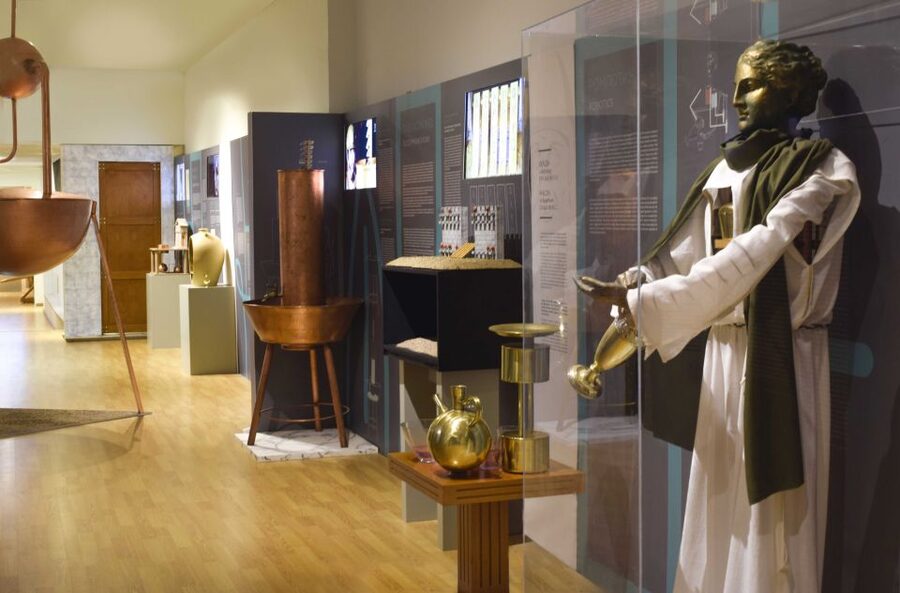
This is where the tour earns its reputation. The museum focuses on the theme The Hi-Tech Inventions of Ancient Greeks, including about 100 selected exhibits. The selection isn’t random: it connects automation, “thinking machines,” and controlled motion with inventors and concepts you’ve likely heard of—but rarely see explained in a hands-on way.
Here are some of the standouts you’ll encounter:
The Old Analog Computer Connection
One highlight is the oldest analog computer in the world. Even if you don’t know the technical background, the guide helps you recognize what “analog computing” means in practical terms—using mechanisms to represent relationships and calculations rather than digital signals. Seeing the logic through a real model is often where the penny drops.






Antikythera-Style Calculating Mechanisms
You’ll also see the Antikythera calculating mechanism. The value here is context. The museum format helps you connect the device to the broader theme of Greek precision: not just clever parts, but a system for producing information from motion and gearing.
Automata and Motion Stories
Greek technology in this museum isn’t only about counting and clocks. You’ll meet playful automation ideas tied to:
- The robot-servant concept
- Philon’s cinema, which points to early ideas about projecting scenes through mechanism
- Heron’s automotive-puppet show, showing how motion and control could be staged like performance
Even when these sound like sci-fi, they’re presented as engineering. That contrast—between the creativity of the idea and the practicality of the mechanism—is exactly the “wait, really?” feeling you’re here for.
Hydraulic and Timekeeping Engineering
Another key thread is time and measurement, including the hydraulic clock of Ktesibios. Water-driven mechanics can be tricky to picture from a static display. With the museum’s explanatory labels and the guide’s walkthrough, you’ll see how fluid motion can become a timing system.
Interactive Stations, Labels, and Video That Actually Help
A lot of museums have audio-visual material. This one uses it as support for understanding.
You’ll find projecting stations with video and animation, plus documentaries where the exhibitor explains how the mechanisms work and how you should think about their use. That’s especially helpful for visitors who don’t have a technical background. The guide can point you to what to watch for, and the visual aids can translate motion into a clearer mental model.
You’ll also see:
- explanatory labels and large posters loaded with information
- detailed diagrams and photos
- complete bibliographical references for the ideas behind the exhibits
That last part matters if you like to connect what you see to sources. It turns a one-hour stop into something you can chase later, instead of just forgetting the details by dinner.
Using the Guide Like a Pro (Even If You’re Not an Engineer)
One of the best parts of this tour is the way the explanation lands for different kinds of visitors. Even if you’re not an engineer, the experience is designed so you can follow along. The guide’s job is to bridge the gap between the object in front of you and the bigger story of how Greek technology worked.
You’ll also notice how guides personalize the pace. Some groups are led by staff like Vasilis, who comes across as energetic and clear. Other guides mentioned include Irina and Maria, and the common theme is the same: they help you learn by looking and then trying to understand the mechanism’s purpose.
My practical advice: as you move through the exhibits, pick 2 or 3 machines to focus on deeply during the tour. Let the rest be fast “scans.” Then use your free time to return to your favorites. That method turns a short visit into a memorable education.
Getting the Most Out of Your Free Time
After the guided portion, you’re allowed free time to explore further. This is where you can slow your pace and experiment with whatever is interactive for you.
If you’re the type who likes to take photos, do it here. The tour portion is often about tracking the explanation, while free time is about inspection—spotting the parts the guide pointed out, re-reading labels, and watching mechanisms again without feeling rushed.
If you’re with kids, this free time is also your friend. The museum’s interactive approach makes it easier to keep attention. Even in a short visit, the combination of guided explanation and hands-on curiosity can work well for families.
Price and What It Covers for a Small Group
The price is listed as $54 per group up to 4, and the tour lasts 1 hour. That pricing structure is part of what makes this good value. You’re not paying per person for a group experience—you’re paying for a private guide session that runs for your group size.
So the real question isn’t just “is it cheap?” It’s: how much do you value understanding? If you like museums where the explanations help you see how the engineering works, you’ll feel the value quickly. If you’re the type who prefers wandering without structured commentary, you might feel the hour goes by fast.
For most visitors, though, private guided access to a one-of-a-kind collection—with models, interactive elements, and English interpretation—adds up to a solid deal.
Who This Tour Fits Best
This museum tour is best for people who enjoy mechanisms and smart explanations. It’s a great fit if:
- you like science topics but don’t want a technical lecture
- you want a hands-on way to connect ancient inventions to modern thinking
- you’re traveling with family and want something that feels more than text and glass cases
It’s not the best option if you have mobility constraints, since it’s not suitable for people with mobility impairments.
Also, if you only have a small window in Athens and you want a focused, high-impact experience, this hour-based structure is practical. You’ll leave with a set of concrete examples: analog computing, timekeeping, automata, and early projection ideas.
Should You Book This Guided Visit?
I think you should book it if you want to understand Greek technology through real devices and clear guide-led explanations. The combination of private guidance, interactive models, and audio-visual support makes it far easier to grasp what you’re seeing than a self-guided walk.
You might skip it if you strongly dislike structured tours, or if mobility needs make the museum experience hard. But for everyone else, this is the kind of Athens activity that changes how you look at ancient history. Instead of just admiring inventions, you’ll start thinking like an engineer—watching how parts connect and why the system works.
FAQ
FAQ
Where does the tour meet?
Meet at Pindarou 6, Athina 106 71, Greece. It’s about a 5-minute walk from Syntagma Metro Station.
How long is the guided tour?
The tour duration is 1 hour.
Is the tour private?
Yes. It’s a private group experience, with the price set for a group of up to 4.
What language is the guide?
The live tour guide is English.
What’s included in the price?
Included are entry to the museum, the 1-hour private guided tour, and free time to explore further.
Are food and drinks allowed?
Food and drinks are not allowed.
Is the museum tour accessible for mobility impairments?
It’s not suitable for people with mobility impairments.
What kinds of exhibits will I see?
You can expect interactive displays and operating models tied to inventions such as the oldest analog computer, Antikythera calculating mechanism, hydraulic clock of Ktesibios, and themed exhibits like the robot-servant and Philon’s cinema.