REVIEW · BOSTON
Boston: Chinatown Food Tasting & Cultural History Tour
Book on GetYourGuide →Operated by Bites of Boston Food Tours · Bookable on GetYourGuide
Chinese food in Boston tells real stories. This 3-hour walk turns Chinatown’s past and present into something you can taste, with stop-by-stop context and six tastings across traditional, modern, and Chinese-American flavors. The catch: this tour does not offer alternative tastings for food allergies or special diets, so plan for that upfront.
I also like how the route is built around place, not just plates. You start at the Chinatown Gate, then work through historically meaningful streets and restaurant sites while sampling from local restaurants and bakeries. Expect a good chunk of the time outdoors, rain or shine, so wear comfortable shoes and bring an umbrella if the weather looks iffy.
And yes, you’ll finish with a drink. The last stop includes a cocktail or mocktail, which is a nice reward after walking and eating your way through the neighborhood.
In This Review
- Key highlights at a glance
- Chinatown Gate to Lunch: How the Tour Feels in Real Time
- What You Really Get: 6 Tastings That Track Chinese Food’s Boston Story
- The First Stops: Early Chinatown Street Roots and the First Restaurant Site
- Oldest Spots Matter: The Oldest Restaurant and Oldest Bakery Sweet
- Modern Chinese and Chinese-American Twists at Newer Second-Generation Stops
- The Drink Finish: Cocktail or Mocktail as a Friendly Finale
- Price and Value: Is $125 Worth It?
- Who Should Book This Chinatown Food Tour (and Who Should Skip It)
- Logistics That Actually Matter Day-Of
- Should You Book It?
- FAQ
- How long is the Boston Chinatown Food Tasting & Cultural History Tour?
- Where does the tour meet?
- How many places do you visit for tastings?
- Is the tour suitable for vegetarians or people with food allergies?
- What should I bring and wear?
- Does the tour include a drink at the end?
Key highlights at a glance
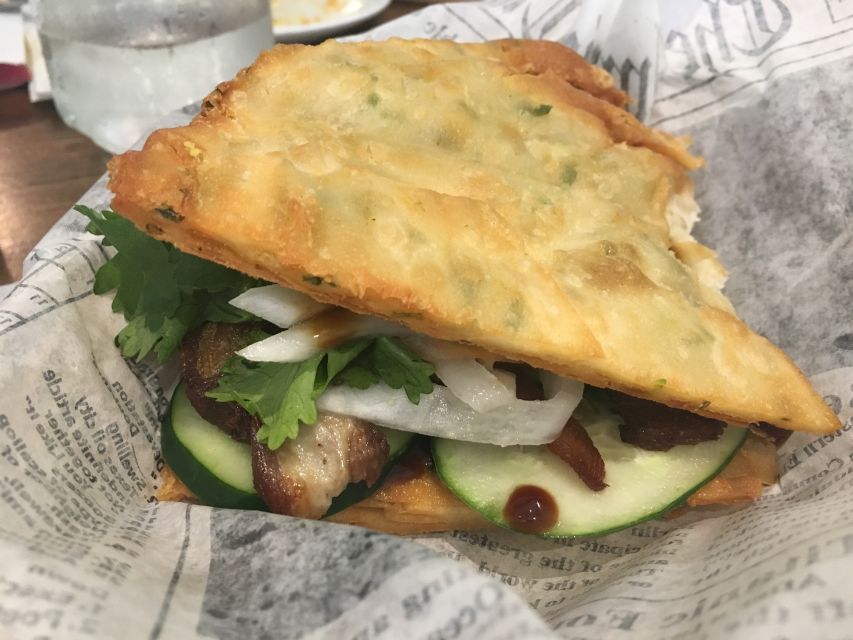
- 6 tastings across three styles: traditional Chinese, modern Chinese, and Chinese-American dishes
- History tied to specific places, including early Chinatown street and restaurant sites
- Old-school stops: you’ll visit the oldest restaurant in Chinatown and get a sweet from the oldest bakery
- Newer second-generation energy, with additional tastings at recently opened spots
- A guide who makes the walk easy, with named guides like Andrew and Katie mentioned for their friendly, competent hosting
- A cocktail or mocktail finish, so you end with something fun, not just full
Chinatown Gate to Lunch: How the Tour Feels in Real Time
This tour is simple in concept: you walk Boston’s Chinatown, learn why it looks the way it does, and eat enough food to feel like you had a real meal. It runs about 3 hours at an easy walking pace, and it’s designed so you’re not stuck staring at signage the whole time. You’re constantly moving, constantly learning, and constantly sampling.
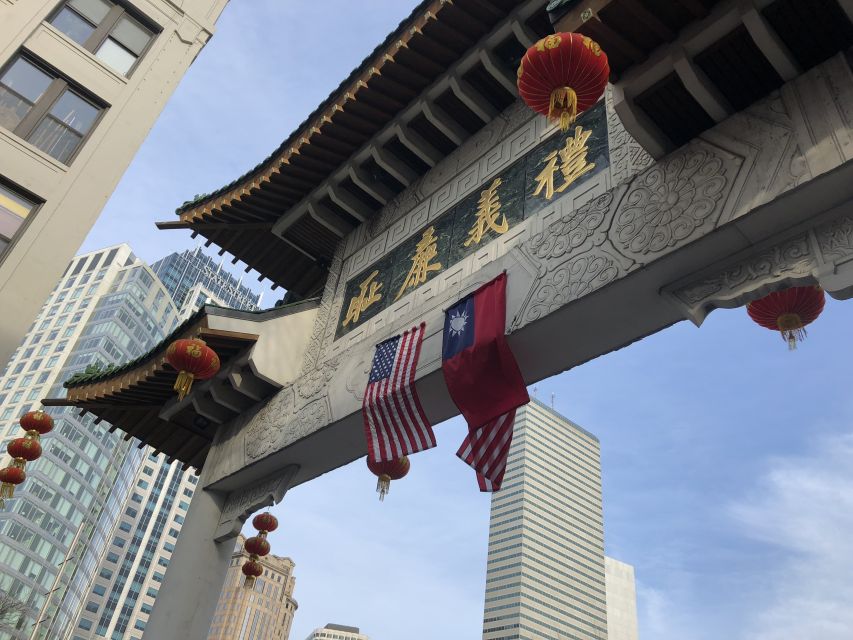
You’ll meet at the Chinatown Gate, right where the neighborhood announces itself. That’s helpful because you don’t waste time figuring out where everyone gathers. From there, the guide keeps the story grounded in the neighborhood itself—streets, buildings, and the kinds of businesses that shaped what Chinatown became.
One detail I appreciate: the tour is outdoors and runs rain or shine. That doesn’t mean it’s uncomfortable by default, but you should come prepared. Bring a water bottle, wear clothing you can move in, and pack a small umbrella or rain jacket if rain is forecast.
You can also read our reviews of more tours and experiences in Boston.


What You Really Get: 6 Tastings That Track Chinese Food’s Boston Story
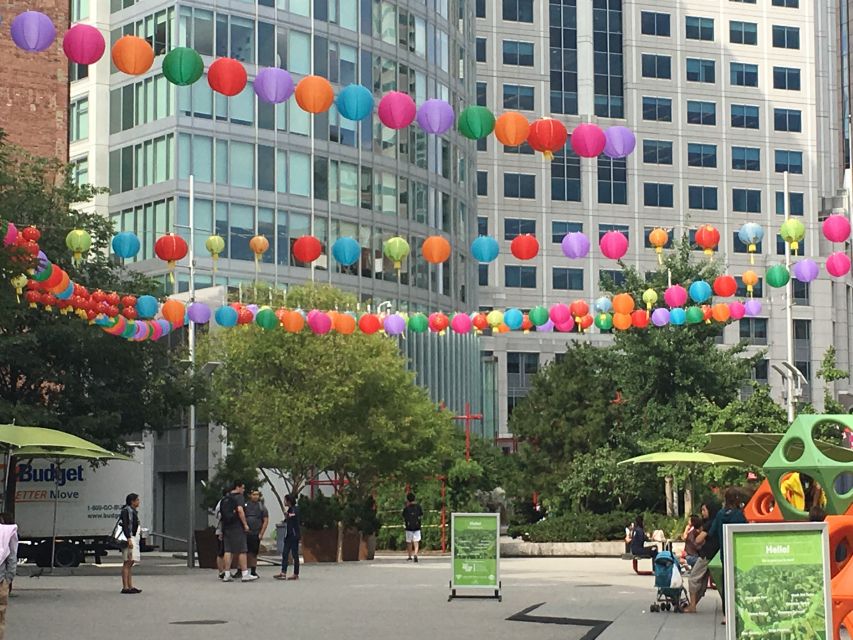
The headline is the food, but the real value is how the tastings connect to change over time. You’ll try sweet and savory items, and you’ll see how Chinese cuisine evolved in Boston into Chinese-American dishes that feel local, not just imported.
Here’s how the tastings are framed during the walk:
- Traditional Chinese examples show the foundation—flavors and styles that arrived and took root.
- Modern Chinese tastings help you understand what changed as chefs adapted and new generations brought different ideas to the table.
- Chinese-American tastings show the local remix: dishes shaped by Boston neighborhoods, ingredients available here, and the tastes of people eating out.
This matters because without a guide’s context, Chinatown food can blur together into a list of dishes. With context, each bite becomes a clue: this dish reflects early community needs, that one reflects new tastes, and that other one reflects adaptation.
Also, the guide brings in a behind-the-scenes layer—each stop includes info about the establishment and its owners. That turns food into a timeline you can follow with your feet.
The First Stops: Early Chinatown Street Roots and the First Restaurant Site
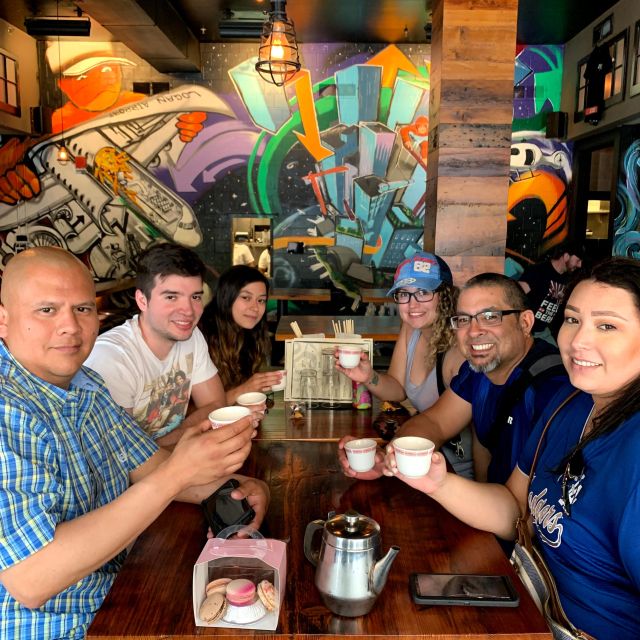
The tour includes historically meaningful sites, including the first street tied to Chinatown and the site of the first restaurant in Chinatown. Even if you’ve walked the area before, these stops tend to change how you see it. Instead of treating the neighborhood like a food strip, you start to understand the layout and why certain kinds of businesses appeared where they did.
Practically, this part of the tour is your orientation. You’re not just getting a mouthful of history; you’re getting bearings. The guide’s job here is to help you connect what you see—streets, architecture, and business locations—with the bigger story of how Chinese-American culture grew in Boston.
If you’re the type who likes “why does this exist here?” questions, this section will land. It’s the difference between eating your way through Chinatown and learning how Chinatown became Chinatown.
Oldest Spots Matter: The Oldest Restaurant and Oldest Bakery Sweet
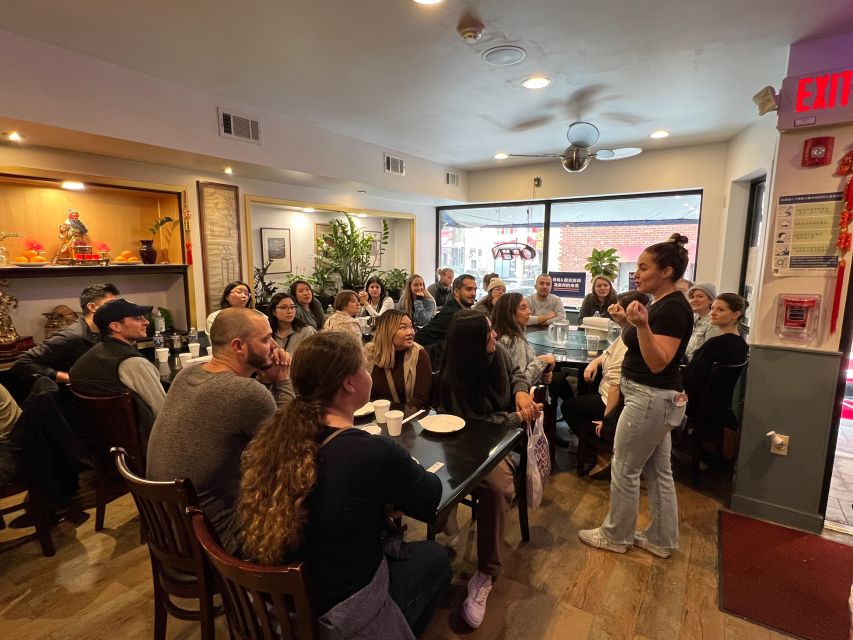
Later on, you’ll hit the oldest restaurant in Chinatown and enjoy a sweet from the oldest bakery. Those two stops are important because they offer continuity. New places come and go, but oldest places are like living receipts from earlier waves of the community.
What you’ll get from these stops isn’t only nostalgia. It’s a tasting lesson. When you compare classic flavors to more modern takes later in the walk, you can spot what endured and what shifted—spices, textures, portion style, and how food is presented for today’s diners.
Drawback-wise, don’t assume every stop will be equally easy on your body. One restaurant on the route requires access by a flight of stairs with no elevator. If stairs make you slow down, you’ll want to move at your own pace and mentally budget for that one harder moment.
Modern Chinese and Chinese-American Twists at Newer Second-Generation Stops
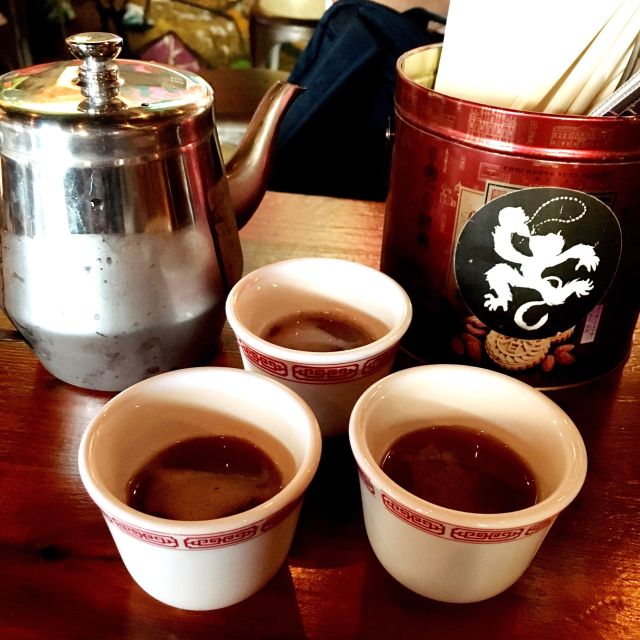
After the older anchors, the tour shifts to newer establishments. The idea is to show how second-generation restaurant owners (and newer teams) add a fresh twist while still building on what came before.
This is where the tour feels fun and current. You’ll get tastings from places opened by these newer owners, and the flavors tend to reflect what’s happening in the neighborhood now—dishes that meet local expectations while still carrying Chinese culinary roots.
I like this mix because it prevents the tour from becoming a museum. You’re learning the story, but you’re also eating food that you’d actually want to come back for on your own.
If you’re worried you’ll end up full but not satisfied, this pacing helps. The tastings are varied across sweet and savory, so you get different textures and flavor directions rather than repeating one style all day.


The Drink Finish: Cocktail or Mocktail as a Friendly Finale
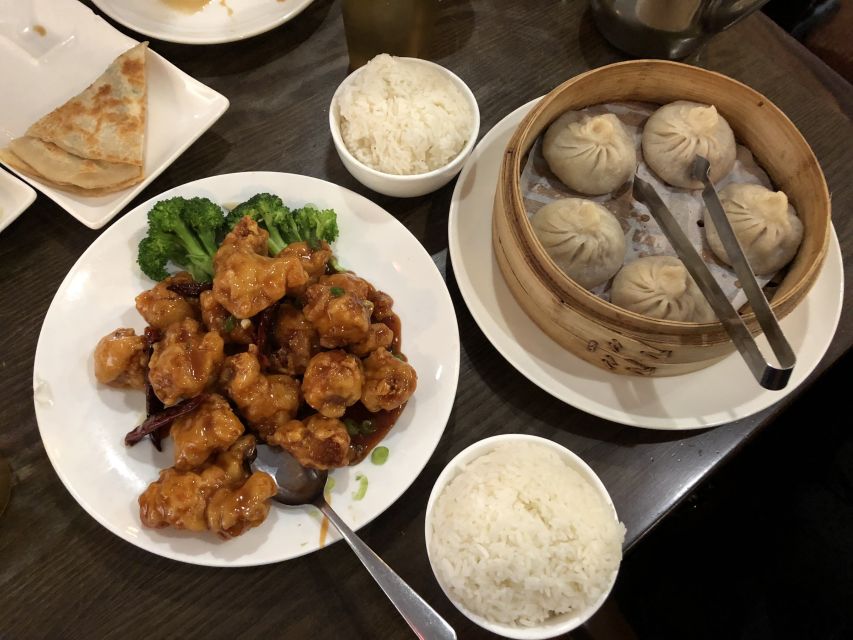
At the end, the tour caps things off with a cocktail or mocktail. This is more than a random add-on. It’s a practical closer because you’ve finished the walk and the tastings, and you’re ready to relax without having to think about where to go next.
If you’re not into alcohol, the mocktail option is a welcome choice. Either way, you end your tour at the point where you can digest, ask questions, and plan your next meal.
Also, it’s a small social signal: this tour isn’t only for serious food historians. It’s for people who like good conversation, solid food, and an easy way to explore Chinatown without doing hours of planning.
Price and Value: Is $125 Worth It?
At $125 per person for 3 hours, this is a premium-priced walking tour, but the pricing makes sense if you compare what’s included.
You get:
- A guided walking experience
- Tastings from 6 local eateries and bakeries
- Multiple stops tied to historical and cultural interest
- One cocktail or mocktail
- Taxes and fees
The key value is the combination. Many food tours give you food. This one adds the neighborhood context—how historic events shaped Chinese-American culture and cuisine in Boston, and how the cuisine evolved into something specific to Boston. That extra layer turns your tastings into something more memorable.
If you’re the kind of traveler who likes a structured day and doesn’t want to guess what to order, this tour can save you time. You’ll eat your way through variety in a short window, which is hard to replicate on your own unless you already know where to go.
If you strongly need allergy-friendly or diet-specific options, though, this is not the tour to pick, because alternative tastings are not offered.
Who Should Book This Chinatown Food Tour (and Who Should Skip It)
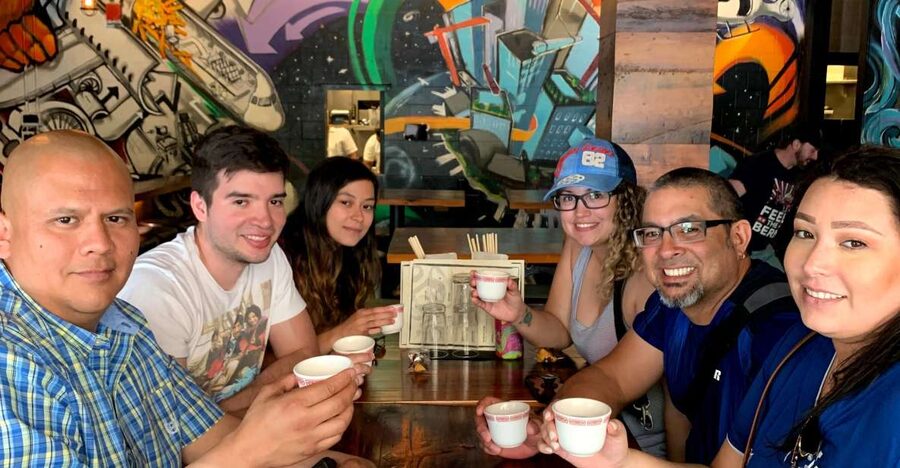
This tour fits best if you:
- Enjoy food plus context, and want history explained through what’s on the menu
- Like both classic and newer styles of Chinese food, including Chinese-American dishes
- Can eat meat-based and standard restaurant fare without needing special substitutions
It’s not suitable if you are:
- Under age 12
- Vegetarian
- Managing food allergies or expecting alternative tastings for dietary restrictions
One more practical note: you’ll walk outdoors for a significant portion of the experience, and there’s at least one stop with stairs. So if mobility is an issue, plan accordingly.
Logistics That Actually Matter Day-Of
The meeting point is the Chinatown Gate, and that’s where the guide meets you. Comfortable shoes are not optional here. You’re sampling across multiple locations, and you’ll be on foot for a good chunk of the tour.
Bring an ID card (a copy is accepted), plus water. You also can’t bring pets, baby strollers, or luggage/large bags, and you can’t smoke during the tour. These rules are the kind that keep the group moving smoothly and reduce delays at crowded eateries.
If rain is in the forecast, come ready. The tour runs rain or shine, so a rain jacket and umbrella help you stay comfortable and focused on the food.
Should You Book It?
I’d book this Boston: Chinatown Food Tasting & Cultural History Tour if you want a guided way to eat your way through Chinatown and understand how Boston-shaped Chinese-American cuisine emerged. The strongest selling point is the pairing of six tastings with specific cultural and historical stops—plus that final cocktail or mocktail to close out the day feeling happy, not rushed.
Skip it if you need allergy-friendly substitutions or if your diet rules mean you can’t eat what’s offered. Also skip it if stairs are a big problem for you, since one key restaurant stop has no elevator access.
If you’re in the sweet spot—curious eater, comfortable walker, no allergy needs—this is a smart way to spend 3 hours in Chinatown without guessing, overplanning, or ending the day hungry.
FAQ
How long is the Boston Chinatown Food Tasting & Cultural History Tour?
The tour lasts 3 hours.
Where does the tour meet?
You meet your guide right at the Chinatown Gate.
How many places do you visit for tastings?
You get tastings from 6 local eateries and bakeries.
Is the tour suitable for vegetarians or people with food allergies?
No. The tour is not suitable for vegetarians and it does not accommodate dietary restrictions or food allergies with alternative tastings.
What should I bring and wear?
Wear comfortable shoes, bring water, and bring an ID card (a copy is accepted). If rain is expected, bring an umbrella and a rain jacket since the tour runs rain or shine.
Does the tour include a drink at the end?
Yes. The tour ends with one cocktail or a mocktail.