REVIEW · BOSTON
Boston: Guided Seafood Tasting and History Tour
Book on GetYourGuide →Operated by Intrepid Urban Adventures · Bookable on GetYourGuide
Boston’s seafood tastes better when you see the dock. This tour is built around behind-the-scenes life at the waterfront, with visits tied to the working lobster industry and the oldest continuously operating fish pier in the U.S. You’ll love the way the food plan adds up (lobster roll, clam chowder, and seasonal bites like oysters or fried clams) and the way expert guides such as Nabil or Olivia turn the harbor into a story, not a lecture. One key drawback: it centers on shellfish, and the tour is not suitable for a shellfish allergy.
The pace stays friendly too. With a group capped at 12, you get real questions answered while you stroll the Harborwalk and finish at Rose Kennedy Greenway with fresh ideas for your next meal. It also runs year-round, rain or shine, and is carbon neutral through a B Corp certified operator—so you’re not just eating well, you’re also learning how Boston is trying to eat smarter.
In This Review
- Key things I’d circle on your map
- Starting at South Boston Maritime Park: the tour clicks fast
- The Harborwalk segment: learning Boston Harbor by walking it
- Boston Fish Pier: the oldest continuous operation, up close
- The seafood tasting flow: lobster roll, chowder, and whatever the harbor is offering
- South Boston Waterfront: where the history connects to the present
- Fort Point Channel finale: the century-old seafood shack moment
- Price and value: why $79 can feel like a deal here
- Who should book this seafood tasting and history tour
- Should you book? My call
- FAQ
- How long is the Boston guided seafood tasting and history tour?
- How big is the group?
- What seafood is included in the tastings?
- Is this tour suitable for a shellfish allergy?
- How much walking is involved?
- Where do I meet the tour guide?
- Can I cancel for a refund?
Key things I’d circle on your map
- Oldest working fish pier access you don’t get on typical sightseeing walks
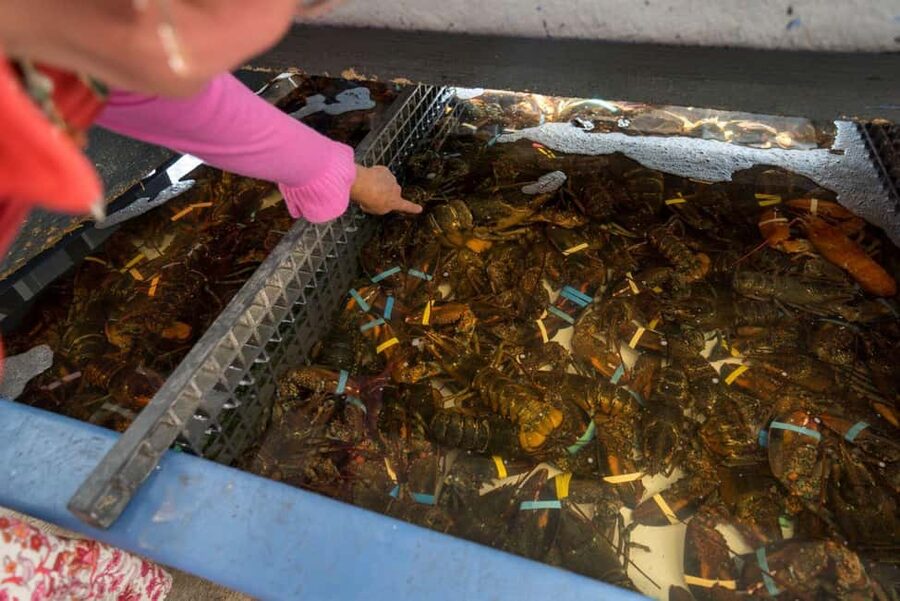
- Working lobster facility behind-the-scenes moments that make the tastings click
- A sample lineup that adds up to a full meal (not just nibbles)
- Conservation and sustainability stories tied to real seafood and real operations
- Small-group format (up to 12) for questions and conversation
- Year-round, 2 miles of walking with dock-side history at multiple stops
Starting at South Boston Maritime Park: the tour clicks fast
You meet at South Boston Maritime Park, right at the corner of D Street and Congress Street (600 D Street). Look for the center of the park near the outdoor seating and under the tall roof structures. This is a smart start. You’re already in the Seaport District zone where Boston’s food culture spills right out onto the sidewalks.
From minute one, the structure is clear: walk a bit, learn a bit, then eat a bit. The whole experience runs about 150 minutes, which is long enough to feel satisfying but short enough that you don’t end up spending your entire day in line or stuck on one stop. And because the group stays small—up to 12—you’re less likely to get the tour version of herd behavior.
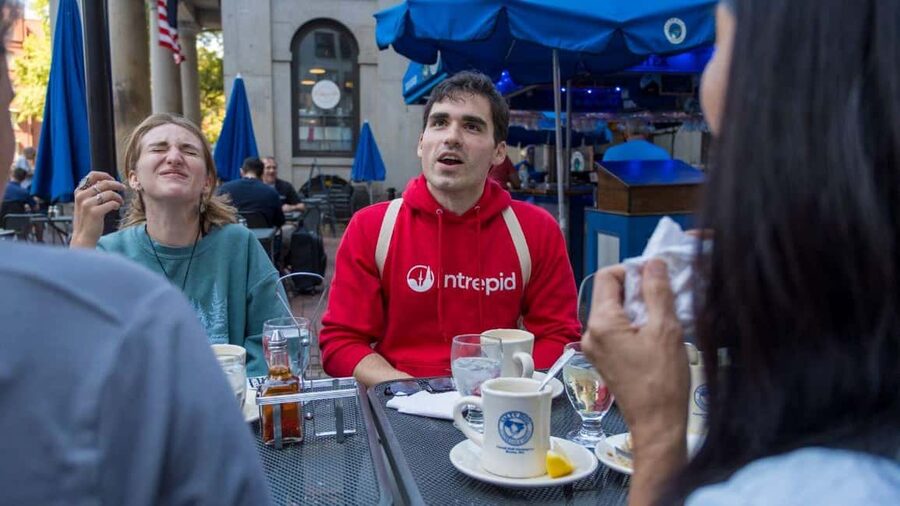
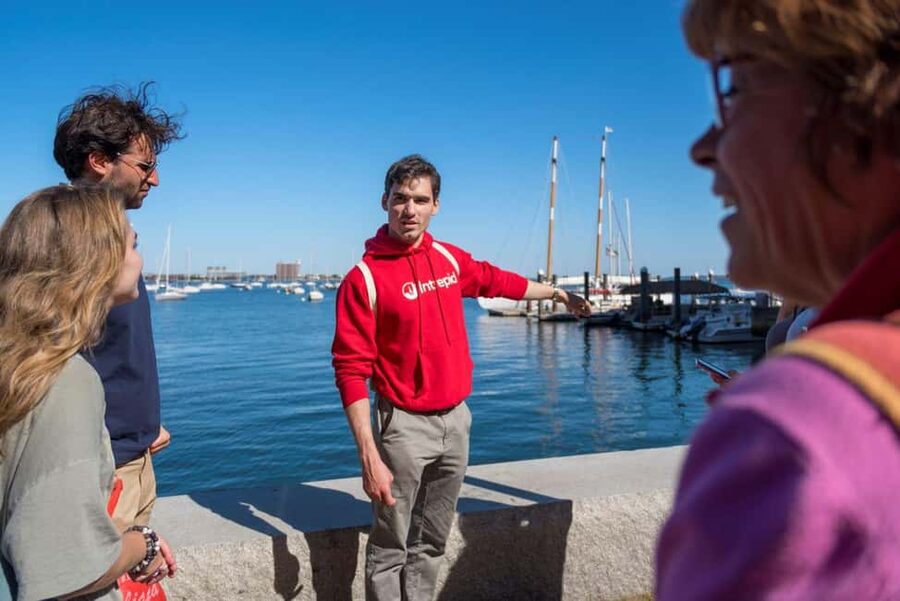
This is also a tour where your guide matters a lot. Reviews highlight guides like Nabil, Olivia, Allison, Lexie, Conner, Adam, and Molly as big reasons people rate the tour so highly. The common theme is not just facts. It’s energy. You’ll feel it when someone explains why certain seafood practices matter, and then you taste the results a few minutes later.
What to bring: comfortable shoes. You’ll cover about 3.2 km (2 miles) on foot, and the route sticks to waterfront areas where the ground can be uneven.
You can also read our reviews of more tours and experiences in Boston.


The Harborwalk segment: learning Boston Harbor by walking it
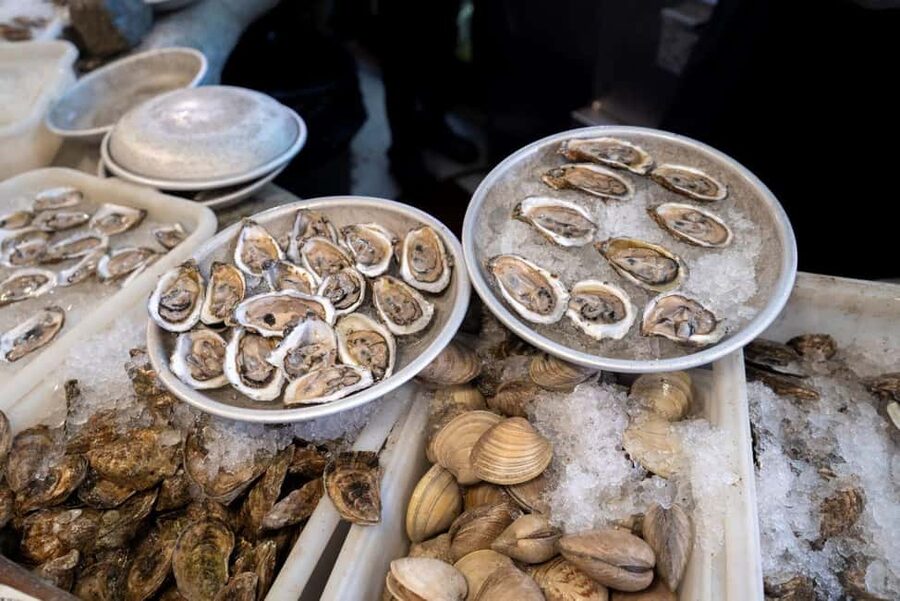
After the park start, you head to the Boston Harborwalk. This stretch is more than a scenic stroll. It’s where you start seeing the waterfront as a system: people, boats, docks, regulations, and the water itself.
You’ll also pick up what this tour is really trying to teach: Boston Harbor isn’t just a backdrop for seafood. It’s an evolving project. The tour focuses on how the harbor became one of the cleanest urban waterfronts in the world, and how sustainability efforts affect what ends up on your plate.
This part matters because it changes how you taste later. If all you do is eat, seafood can feel like a treat. If you learn a little about conservation and practices first, it becomes food with context. You’ll notice that the tour talks about “keeping your plate full for generations” rather than treating seafood as a one-off indulgence.
A practical note: since this is a walking tour, dress for the day. It runs rain or shine unless weather becomes dangerous, so you’ll want layers and footwear that won’t make you regret every step.
Boston Fish Pier: the oldest continuous operation, up close
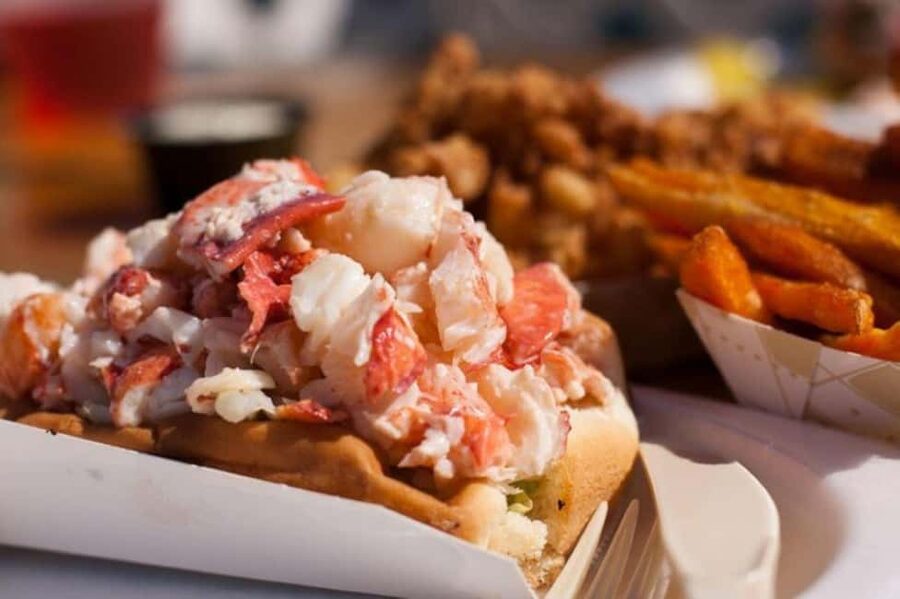
Next comes a big deal: access to the oldest continuously operating fish pier in the U.S. Being near that working-pier atmosphere is one of the reasons this tour doesn’t feel like a typical “look at the view” experience.
This stop is where the behind-the-scenes angle turns real. You’re not just touring history; you’re seeing how the seafood industry functions day to day. That’s a rare thing for visitors. Most tours stop at storefronts. Here, the story begins earlier—at the working end of the supply chain.
And because the tour includes tastings, this stop helps answer a question you didn’t know you had: how does seafood go from dock to sandwich (or bowl)?
Guides also seem to excel at making the industry understandable without turning it into a textbook. Some bring in wider Boston stories while you’re walking and eating—one review mentioned American Revolution connections alongside stuffies. That’s the kind of approach that keeps history from feeling stuck in a museum case.
The seafood tasting flow: lobster roll, chowder, and whatever the harbor is offering
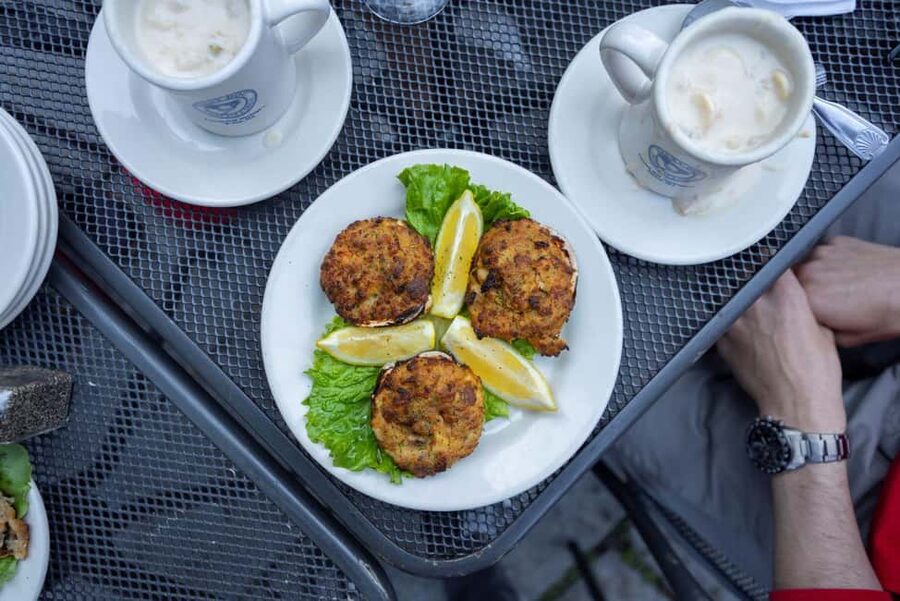
The tour includes multiple food samples that add up to a full meal. That’s key. At $79 per person, you’re paying for more than a few bites. The included options are designed to create a progression across different styles of New England seafood.
You should expect a classic lineup such as:
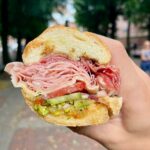
- Lobster roll
- New England clam chowder
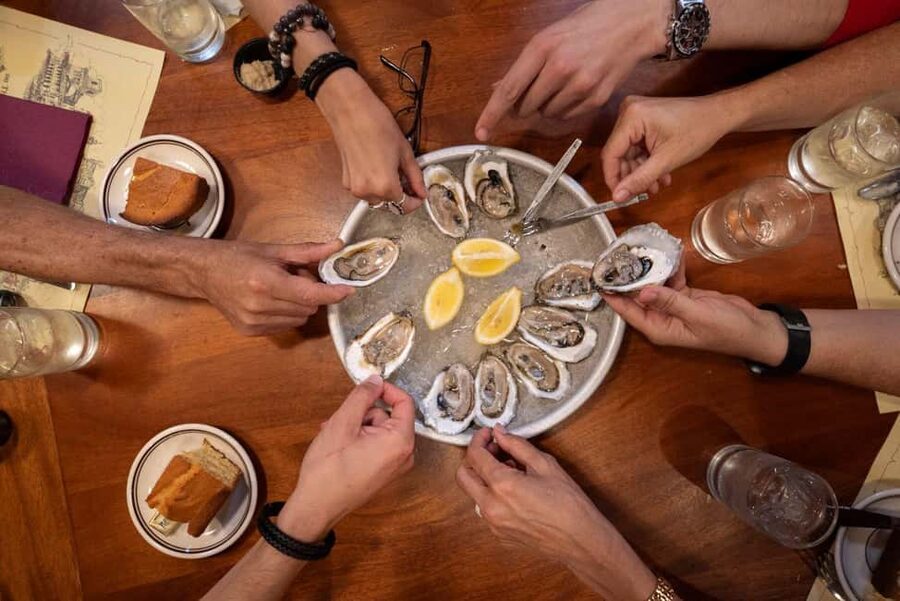
- Seasonal specialties (examples include oysters or fried clams)
- Other samples that may include Atlantic bluefin tuna handrolls, stuffed clams, or quahogs, depending on what’s available
Because the tour calls out variety explicitly, you can go in with confidence that you won’t leave hungry or stuck with the same seafood in three forms. The goal is balance: buttery, warm, creamy, and sometimes briny or fried. Even better, the tastings are paired with the walking route and the harbor stops, so each bite feels connected to the place you’re standing.
Possible challenge: this is a shellfish-centered experience. If you don’t like shellfish at all, you’re going to have a harder time loving it. If you do love it, you’ll probably appreciate the mix between cooked comfort foods (like chowder and lobster roll) and raw or lightly prepared options that show the seafood in a more direct way.
South Boston Waterfront: where the history connects to the present
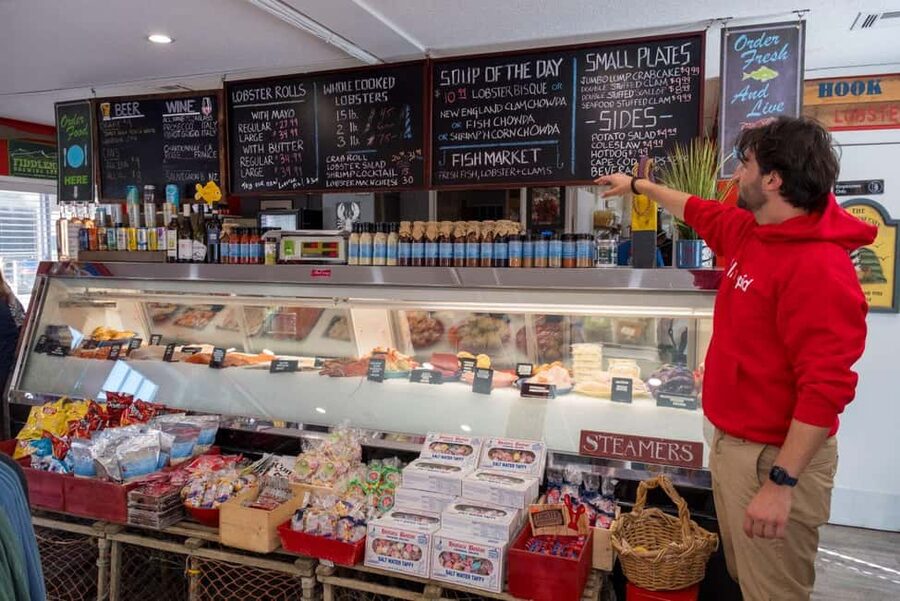
As the route continues along the South Boston waterfront, the tour broadens from “how seafood gets made” into “why Boston Harbor’s rules and habits matter.”
This is where you’ll hear conservation and sustainability efforts described in plain language—how cleaner water and responsible practices shape the industry. The tour frames it as long-term thinking: not just catching today, but protecting the future so seafood stays available for new generations.
I like this part because it’s not preachy. It’s practical. The tour doesn’t just say sustainability is good. It ties the topic to the very specific, very local reason you showed up: you want great seafood, and you want it to keep coming.
You’ll also get the feel of the waterfront as an active workplace rather than a postcard. That’s what makes the history feel different here. It’s happening now, in real time, not just in photos.



Fort Point Channel finale: the century-old seafood shack moment
Then you head toward Fort Point Channel. This is where the tour pays off in a very Boston way: you finish with a final bite from a century-old seafood shack along the channel.
That ending is more than dessert-level satisfaction. It’s a nice period match. You started at a maritime park, walked through the harbor’s working spaces, learned about conservation, and then you wrap at a place built into Boston’s food timeline. The contrast makes the whole experience feel like a story with a beginning, middle, and end.
After that, you finish at Rose Kennedy Greenway. This is a good spot to land because it’s calmer than the docks, and it gives you a smooth transition back to exploring on your own. Many guides also use this moment to share where to eat, drink, and wander next, which is handy if you’re trying to build a second half of the day without guessing.
Price and value: why $79 can feel like a deal here
At $79 per person for about 150 minutes, this isn’t a cheap “walk and snack” tour. But it has a built-in value story.
Here’s what you’re paying for:
- Multiple seafood samples that can add up to a full meal
- Access that’s not typical tourist-level: behind-the-scenes at a working lobster facility and exclusive access to the oldest continuously operating fish pier
- A small-group guide experience (up to 12), which usually means you get better explanations at each stop
If you try to replicate this on your own, you’d likely spend more just on the food alone, especially if you order multiple items like lobster roll plus chowder plus oysters plus something richer like a handroll. And you probably won’t get the same access to working operations unless you’re part of a structured tour.
So the value isn’t just in the food. It’s in the combination of rare waterfront access and a guided tasting that keeps your schedule tight.
Who should book this seafood tasting and history tour
This tour is a strong fit if you:
- Love seafood and want more than one style—creamy, buttery, briny, and sometimes fried
- Want real waterfront context, not just restaurant-hopping
- Like small groups and conversational guides who connect local history to what you eat
- Prefer a guided route so you’re not piecing together logistics on your own
You should skip it if:
- You have a shellfish allergy. The tour says it’s not suitable because there are no suitable substitutions.
- You dislike shellfish overall and don’t want the tasting to revolve around it.
- You hate walking. It’s about 2 miles total.
For everyone else, the small-group format is a big part of the appeal. You’re not just collecting stamps. You’re getting answers.
Should you book? My call
If you want a Boston tour that feels like you’re eating with the city, not just visiting it, I think this one is worth your time. The big winners are the behind-the-scenes access (working lobster facility and the oldest fish pier) and the fact that the food samples are planned to feel like a full meal, not a couple of token bites.
The main reason not to book is simple: shellfish allergy (no substitutions). If that applies, look for a different style of tour. If it doesn’t, this is the kind of experience where the history and the seafood reinforce each other bite by bite.
FAQ
How long is the Boston guided seafood tasting and history tour?
The tour lasts 150 minutes.
How big is the group?
It’s a small group with up to 12 guests.
What seafood is included in the tastings?
The tour includes a variety of seafood samples that add up to a full meal. Options mentioned include lobster roll, New England clam chowder, Atlantic bluefin tuna handrolls, stuffed clams, quahogs, and raw oysters (seasonal items may vary).
Is this tour suitable for a shellfish allergy?
No. Since the tour centers on shellfish, it is not suitable for anyone with a shellfish allergy, and substitutions are not available.
How much walking is involved?
The tour covers about 3.2 km (2 miles) of walking.
Where do I meet the tour guide?
Meet at South Boston Maritime Park at 600 D Street, Boston, MA 02210, near the outdoor seating and under the tall shady roof structures.
Can I cancel for a refund?
Yes. You can cancel up to 24 hours in advance for a full refund.