REVIEW · SEOUL
Seoul: Deoksugung Palace Heritage Walking Tour
Book on GetYourGuide →Operated by S.A. Seoul · Bookable on GetYourGuide
A palace walk with global side-quests. I love how Deoksugung Palace shows Joseon-era turning points, and how Jeongdong-gil turns one street into a timeline of missions and embassies. The only catch: it is a 3-hour walking tour, so pack comfy shoes and expect constant movement.
This tour also wins on guidance. You get an expert, English-speaking guide (and in the past, guides like Mitch have been praised for being super prepared and able to answer questions beyond the sites, including culture and school/work topics). Plus, your entrance tickets to Deoksugung Palace and Donuimun Museum Village are pre-booked, so your time stays on stories and sightseeing instead of admin.
At $56 per person, it’s a fair value if you want more than photo stops. You’ll pay for three hours of guided context plus entry, but food and drinks are on you, and you’ll need to handle your own transport to the start.
In This Review
- Key Points You’ll Care About
- Start at City Hall: a smart way to begin a Seoul walking loop
- Deoksugung Palace: Joseon power, then Japan-era pressure
- Jeongdong-gil: the foreign institutions story on one charming street
- A short local cafe pause: don’t skip it
- Donuimun Museum Village: Seoul’s homes from the 1900s to the 1980s
- Gwanghwamun Square: the government corridor and monument stories
- Cheonggyecheon: from drainage ditch to a social spine
- How the 3-hour pacing works (and where you’ll feel it)
- Price and value: what you’re paying for at $56
- Who should book this Seoul walking tour
- Before you go: small prep that makes a big difference
- FAQ
- How long is the Seoul Deoksugung Palace Heritage Walking Tour?
- What does the tour cost?
- Where do I meet the guide?
- What’s included with the price?
- Are food and drinks included?
- Is transportation included?
- What languages will the guide speak?
- Is this tour private or group-based?
- What should I bring, and can I get a refund if plans change?
- Should you book this tour?
Key Points You’ll Care About
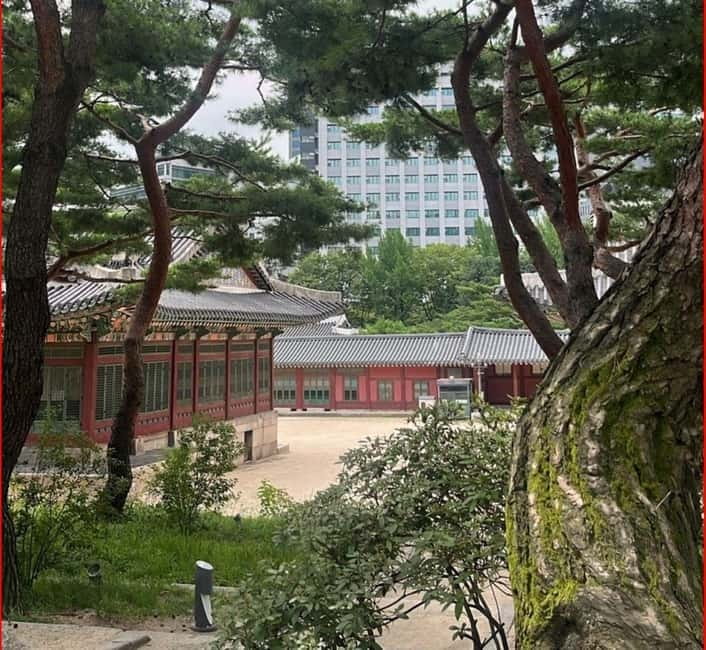
- Deoksugung Palace connection to 1592: a late Joseon palace with a specific story about becoming a principal palace during the Japanese invasion.
- Jeongdong-gil’s foreign footprint: you pass real institutions and embassies, not vague “history vibes.”
- Donuimun Museum Village time travel: an outdoor collection of homes preserved from the 1900s through the 1980s (with 40 of 63 houses saved).
- Gwanghwamun Square’s monument meaning: learn why Korea’s government corridor matters and what statues are pointing at.
- Cheonggyecheon’s built-for-life makeover: the stream reclaimed from a drainage ditch into a walkway for daily life and events.
- A guide who can answer the extra questions: expect clear explanations and room for back-and-forth, not just one-way talking.
Start at City Hall: a smart way to begin a Seoul walking loop
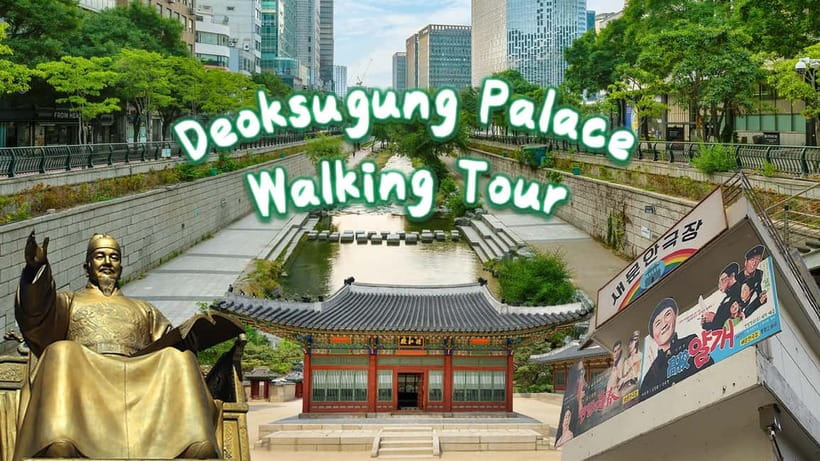
You meet in front of the Deoksugung Palace ticket office, Exit 2 of City Hall Station. That’s a convenient start area if you’re staying anywhere central, and it helps you begin with a “here we are, now pay attention” focus instead of wandering first.
From the start, the tour is set up for steady sightseeing rather than museum-style sitting. You’ll walk through a sequence of important landmarks and then end around Cheonggyecheon, where the city feels more like an evening stroll than a formal sightseeing day.
Quick practical note: bring comfortable shoes. It’s not a long-distance hike, but it is constant walking—so avoid anything that gives you blisters before Seoul gets interesting.
You can also read our reviews of more tours and experiences in Seoul.
Deoksugung Palace: Joseon power, then Japan-era pressure
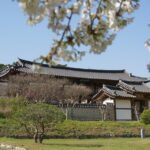
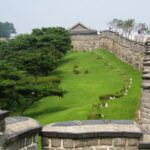
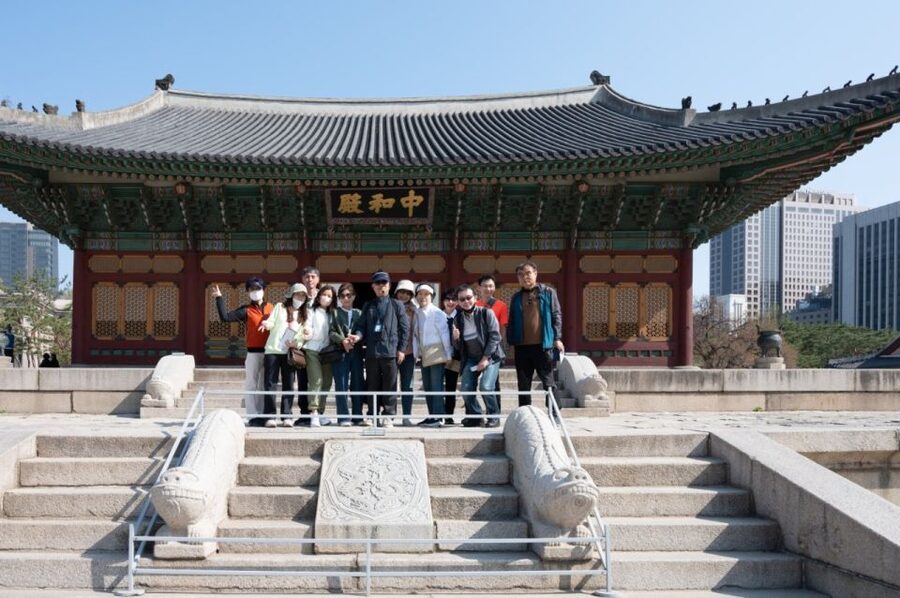
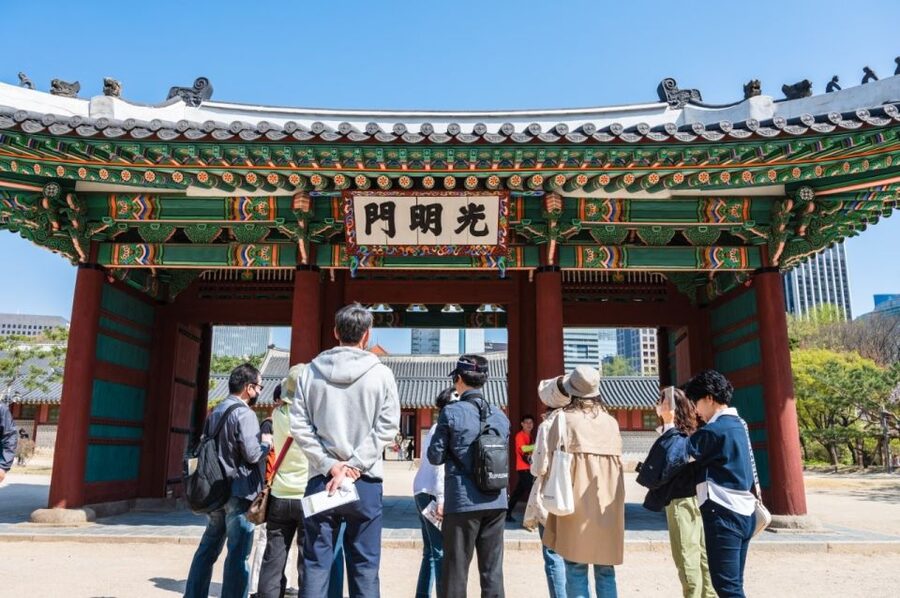
Deoksugung Palace is often less crowded than some of Seoul’s other palace stops, and that can help the guide’s stories land. You start your history in the late 14th century, when the site began as a royal relative’s residence. Then you move forward to the moment it became a principal palace during the Japanese invasion of 1592.
That shift matters because it’s not just architecture. It’s a political story: the same grounds that once served family status later gained national weight when crisis changed who needed this place. Your guide ties those dots with commentary and historical anecdotes, so the palace stops feeling like a collection of buildings and starts feeling like a chessboard.
What to watch for during your palace time (you’ll have about 45 minutes):
- How the palace layout supports ceremonial roles and authority
- Why the 1592 turning point makes Deoksugung feel different from a “static” historical set
- The way the guide explains daily palace life alongside big events
One nice value point here: your entrance ticket is handled in advance. You’re not scrambling to figure out what line to stand in—you can focus on seeing.
Jeongdong-gil: the foreign institutions story on one charming street
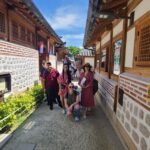
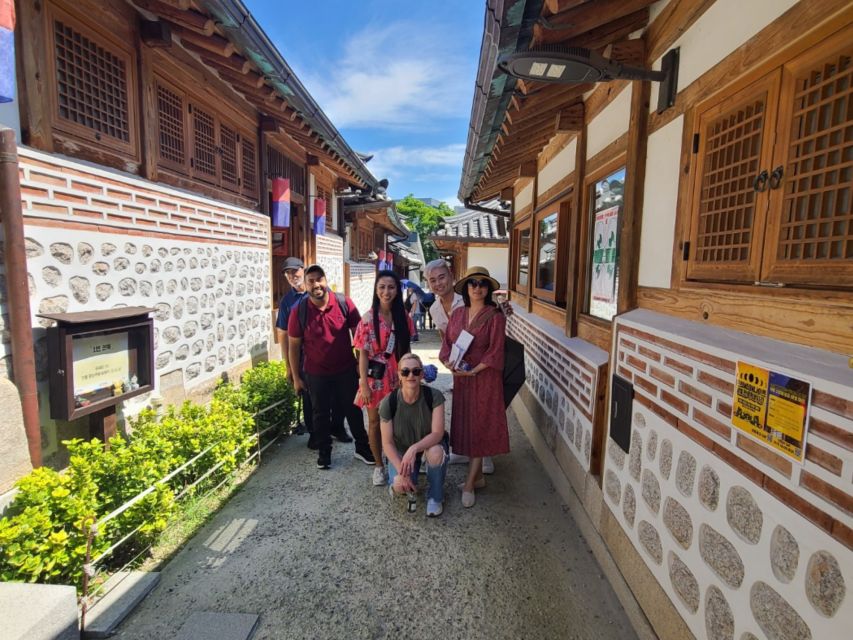
After Deoksugung, you head into Jeongdong-gil, where the tour gets personal in a good way. This is the kind of street history you can only learn by walking it slowly with a guide—because you’re passing the locations that represent turning points, not just reading plaques.
Jeongdong-gil is described as the original location of significant foreign missionary institutions and several prominent foreign embassies. That means you’re not looking at “foreign presence” as a vague idea. You’re seeing a physical trail of institutions that shaped parts of modern Korea.
As you walk, you pass a set of major stops, including:
- Paichai Academy
- Chungdong First Methodist Church
- The Russian Embassy
- Gyeonggyojang
Each one gives you a different angle on how international contact played out locally. The guide’s job here is to connect what you’re looking at with why it mattered, especially during Korea’s opening to the world.
And if you like asking questions, this is often where the tour shines. In the past, guides such as Mitch have been noted for being able to answer broader questions about Korean culture and everyday systems—not only historical facts. That makes the walk feel like you’re chatting with someone who can translate the context, not just recite dates.
A short local cafe pause: don’t skip it
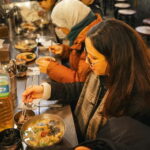
Some tours feel like a nonstop sprint. This one includes a brief break—about 15 minutes at a local café. Food and drinks aren’t included, but that’s actually helpful. You can choose something simple and refill your water without the tour building a one-size-fits-all meal plan.
For you, the value of the pause is energy control. If you’ve got any cold legs, tired feet, or just a normal human need to refuel, this stop helps you keep enjoying the rest instead of counting minutes until the end.
Donuimun Museum Village: Seoul’s homes from the 1900s to the 1980s
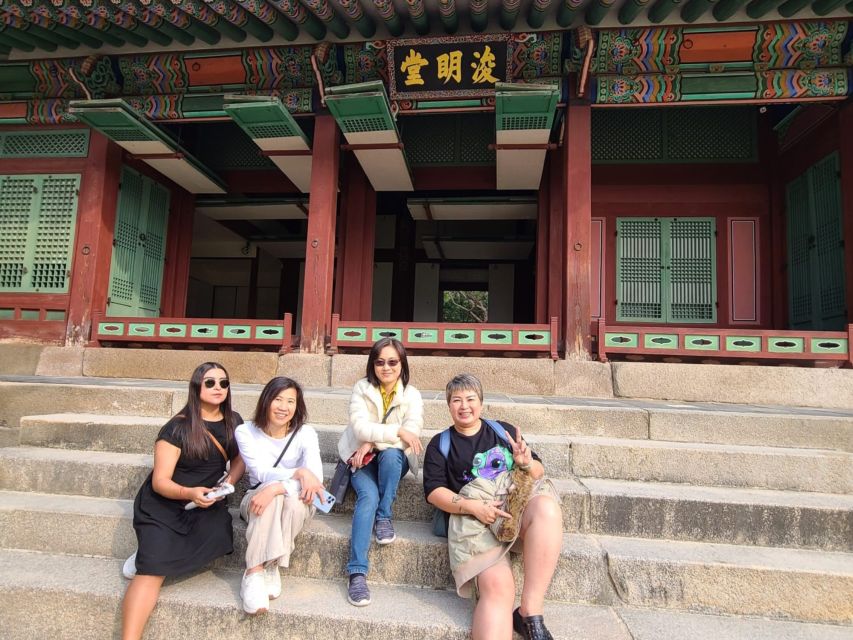
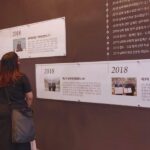
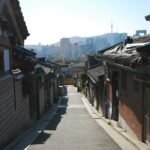
Next comes Donuimun Museum Village, an outdoor architecture village that’s designed for walking and looking. Think: a preserved slice of Seoul residential design rather than a single “main attraction” building.
Here are the facts that make it worth your time:
- It shows Seoul architecture from the 1900s up to the 1980s.
- Founded in September 2017.
- Of the historic district of Saemunan, it preserved 40 out of 63 houses.
So you’re not just seeing old buildings. You’re seeing what survived, and what that survival means for how Seoul remembers itself.
You’ll have about 20 minutes for the guided visit and sightseeing here. That’s enough time to spot patterns—materials, layouts, and the overall “feel” of how homes changed across decades—without dragging on so long that you lose attention.
If you like history that you can actually picture in everyday life (rooms, streetscapes, how people might have moved through their day), this is the section that often converts “I came for palaces” into “now I want to see more of how Seoul lived.”

Gwanghwamun Square: the government corridor and monument stories
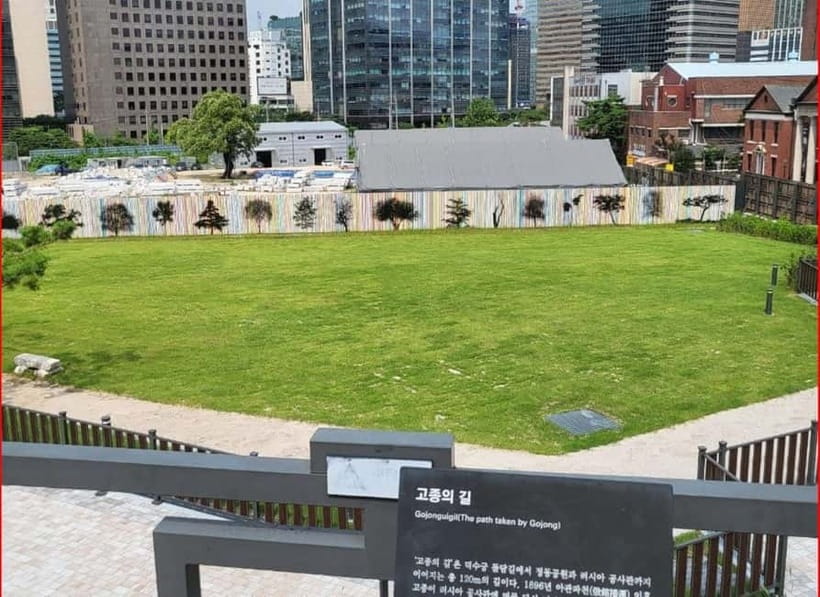
Then you reach Gwanghwamun Square, often treated like a central photo stop. But on this tour, you stand there to learn what the statues and monuments are pointing at.
You’ll get the idea of the government corridor—how the central layout and prominent sites connect to Korea’s civic and historical story. Your guide shares the powerful stories behind the grand monuments, framed around pivotal moments in Korea’s journey and the values the country has wanted to display.
You’ll spend about 30 minutes here for guided sightseeing. It’s a good chunk of time because monument explanations really need a bit of listening time to work. If you rush through, it turns into generic sightseeing. With the guide, it becomes a map of meaning: what the location represents, why it was placed where it is, and what kind of messages the city wants to keep visible.
Cheonggyecheon: from drainage ditch to a social spine
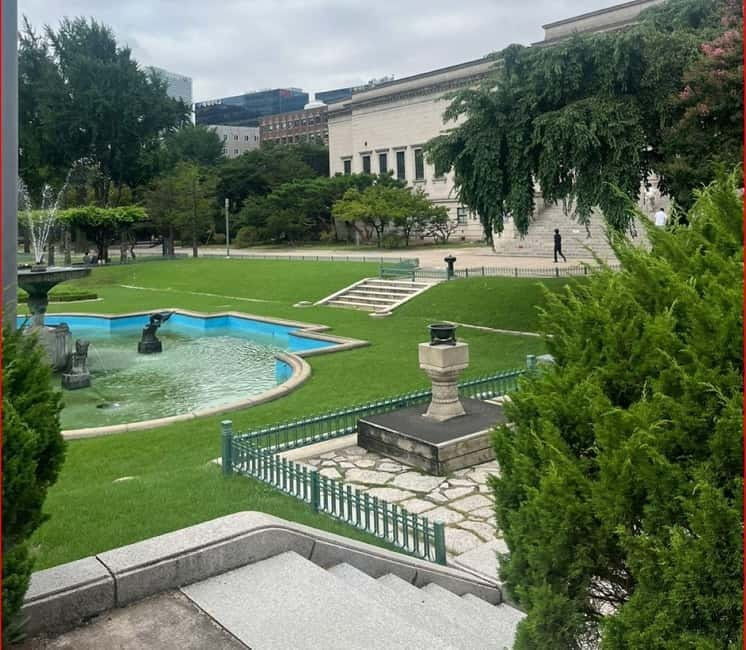
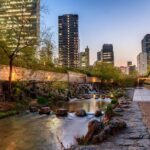
Finally, the tour ends with Cheonggyecheon, the stream that used to be an unsightly drainage ditch and was later renovated into one of Seoul’s major cultural walking areas.
This part feels lighter than the palace and monument stops, but it’s not “just scenery.” You’ll walk along a corridor lined with sculpture pieces, restaurants, and cafés, and the stream area hosts festivals at various times of the year.
You’ll have about 30 minutes for sightseeing and walking here, and you’ll finish around Cheonggyecheon-ro in Jongno-gu. Ending near the stream is practical too: it’s easy to keep your day going afterward with another stroll, dinner, or a casual reset.
How the 3-hour pacing works (and where you’ll feel it)
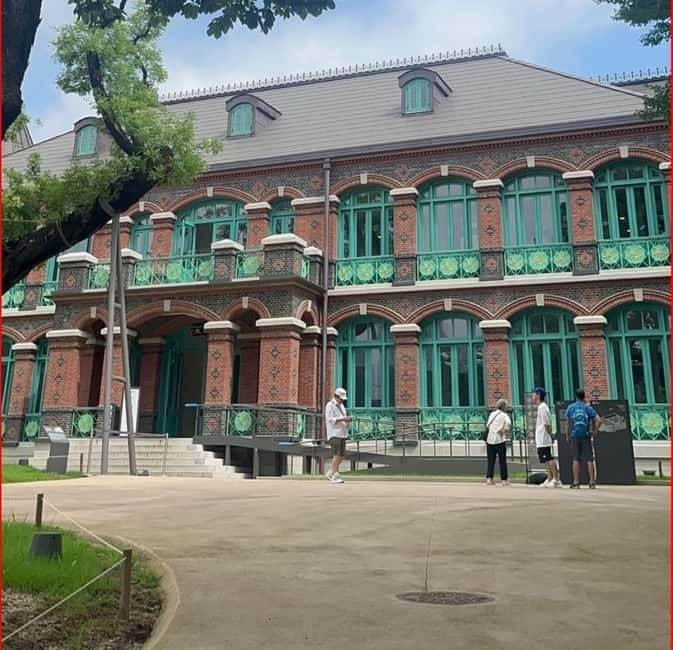
The tour is built as a compact loop, with short sightseeing blocks and a café break. You get a palace focus, then street history, then an outdoor architecture village, then central monuments, and finally the walkable stream.
Here’s what that means for you in real terms:
- If you like structure, you’ll appreciate having each stop timed and explained.
- If you’re sensitive to walking, the pace can feel continuous, especially in warmer or rainy weather.
- The stops are short enough to keep you engaged, but long enough to absorb context when the guide is actively interpreting what you’re seeing.
The smartest way to enjoy it is to keep your questions ready. This kind of tour performs best when you treat it like a conversation. In past experiences with guides like Mitch, people have found that the explanations were not trapped inside the walls—questions about modern Korean life were answered too.
Price and value: what you’re paying for at $56
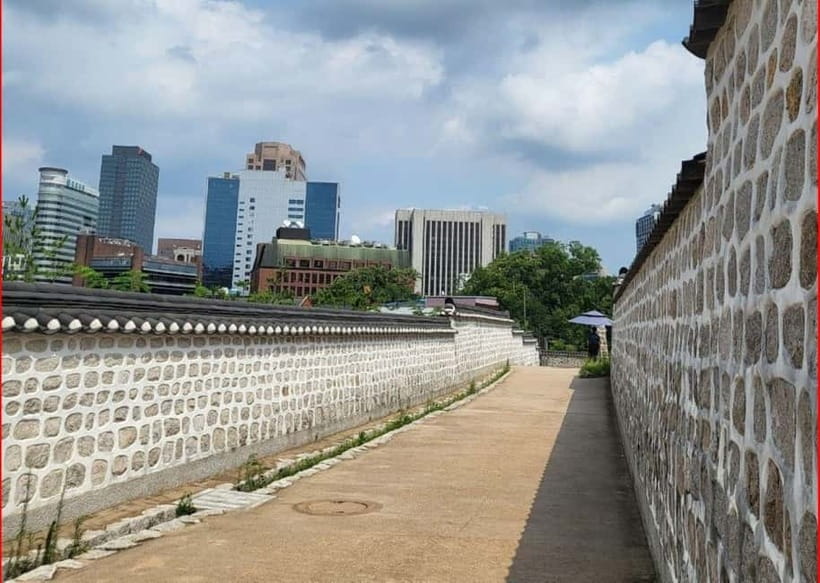
At $56 per person for a 3-hour guided walking tour, you’re paying for three things:
- A live English-speaking historical guide (not just a self-guided audio track)
- Entrance tickets that are arranged for Deoksugung Palace and Donuimun Museum Village
- A curated route that links palace power, foreign-institution street history, and city monuments
What you’re not paying for is also clear: food and drinks aren’t included, and transportation is on you. That keeps the cost from ballooning if you already have your own plan for meals.
My practical take: this price is a good deal if you care about context. If your goal is only quick photos, you could probably cobble together a DIY day cheaper. But if you want the “why” behind the locations—and you like asking questions—$56 starts looking like money well spent.
Who should book this Seoul walking tour
This tour fits you best if:
- You want a Joseon-era palace story with a specific turning point (1592)
- You like street-level history that connects missions and embassies to modern Korea
- You enjoy architecture and want a fast, focused look at Seoul homes across decades
- You’re curious about how city monuments explain national values and civic space
It may be less ideal if:
- You prefer a mostly indoor itinerary
- You don’t want to walk continuously for about three hours
- You’re expecting meals to be included
If you want a slower, more personal pace, there’s also a private group option. That can be great if you’re traveling with family, want extra time for questions, or just prefer not to sync with a group flow.
Before you go: small prep that makes a big difference
- Wear comfortable shoes. You’ll thank yourself at the Gwanghwamun and Cheonggyecheon stages.
- Bring something for weather. The tour is walking-heavy.
- Make sure you have an instant messaging method you can use for emergency contact on the day of departure, including how to find your location.
One last tip: leave room in your schedule afterward. Finishing near Cheonggyecheon is a strong reason to keep strolling.
FAQ
How long is the Seoul Deoksugung Palace Heritage Walking Tour?
The tour lasts about 3 hours.
What does the tour cost?
It costs $56 per person.
Where do I meet the guide?
Meet in front of the Deoksugung Palace ticket office, Exit 2 of City Hall Station.
What’s included with the price?
You get an English-speaking historical guide and entrance tickets.
Are food and drinks included?
No. Food and drinks aren’t included.
Is transportation included?
No. Transportation isn’t included.
What languages will the guide speak?
The live guide speaks English and Korean.
Is this tour private or group-based?
There is a private group option available.
What should I bring, and can I get a refund if plans change?
Bring comfortable shoes for a walking tour. There’s free cancellation up to 24 hours in advance for a full refund, and if the tour can’t run due to minimum traveler requirements, you’ll receive an email one day before with an alternative date or a full refund.
Should you book this tour?
If your Seoul trip has space for one high-value walking history block, I’d book it. You get palace context, a rare street-level foreign-institution story on Jeongdong-gil, a quick hit of preserved residential architecture at Donuimun Museum Village, and then you end at Cheonggyecheon where the city feels alive. And if you want a guide who’s prepared enough to handle the extra questions, this tour’s track record with guides like Mitch makes it an easy yes for curious minds.