REVIEW · BOSTON
Boston: Underground Railroad History Tour of Beacon Hill
Book on GetYourGuide →Operated by Hub Town Tours · Bookable on GetYourGuide
Boston has layers, and Beacon Hill shows them well. This Underground Railroad history walk moves at a human pace, using short stops and a smart route that fits inside 2.5 hours. You start on Boston Common, then thread into the narrow streets where 19th-century Bostonians argued over slavery while wealth sat only blocks away.
Two things I really like: the small-group format helps you avoid the heavy sidewalk crush, and the route centers on places that are easy to miss on your own. I also appreciate the emphasis on the Black Heritage Trail landmarks, including the African Meeting House, rather than only repeating the famous names.
One thing to consider: this is a 2-mile walk with steep areas and non-ADA-compliant sidewalks, so it is not a good match if you have mobility limits or low stamina. It is outdoors rain or shine, so dress for the weather and plan on comfortable walking shoes.
In This Review
- Key points worth knowing
- Walking Into Beacon Hill’s Civil War Pressure Cooker
- Meeting Point on Boston Common: Where the Story Frames Itself
- Beacon Hill Streets: Acorn Street, Louisburg Square, and the Contrast
- Schools and Community Institutions: Where Equality Was Fought for
- Underground Railroad Homes and the Black Heritage Trail Link
- Charles Sumner and Civic Power: The Political Lead-Up
- The African Meeting House: A Break That Pays Off
- From Learning to Legacy: Abiel Smith School and the Final Memorial
- Price and Value: Why $35 Can Be a Smart Spend
- What the Walking Is Like (So You Can Plan Your Day)
- Who This Tour Is Best For
- Should You Book This Underground Railroad History Tour?
- FAQ
- Where does the tour start?
- How long is the walking tour?
- What does the tour include?
- Is the tour outdoors?
- About how far do you walk?
- Are there any restrictions on what I can bring?
Key points worth knowing

- Small-group pace keeps the tour talkable and makes the narrow streets feel manageable
- Black Heritage Trail landmarks connect the Underground Railroad story to real addresses
- Stops include major sites like the African Meeting House and the Shaw and the 54th Regiment Memorial
- You get context for the lead-up to the U.S. Civil War, not just a list of names
- The route is about 2 miles in roughly 2.5 hours, so you should expect steady walking
- Guides are live, and you’ll follow a historian’s narrative through the neighborhood streets
Walking Into Beacon Hill’s Civil War Pressure Cooker
This tour is built around a simple idea: before the Civil War fully ignited, Boston was already wrestling with slavery, freedom, education, and political power. You walk through Beacon Hill and you feel the contrast fast. In a few blocks you go from elite streets to the communities pushing for equality and organizing resistance.
What makes this experience more than a standard walking tour is the way it links the stories together. You’re not just seeing buildings; you’re tracking how debates and activism fed into the national crisis. As you move, the guide ties the Black Heritage Trail sites to the same struggle that shaped the years right before the Civil War.
Even better, the small-group size matters. Beacon Hill streets can get tight, and a crowded tour can turn history into a shoulder-to-shoulder delay. Here, the pace stays practical, and you’re able to actually look at the landmarks while the guide explains what you’re seeing.
You can also read our reviews of more tours and experiences in Boston.


Meeting Point on Boston Common: Where the Story Frames Itself
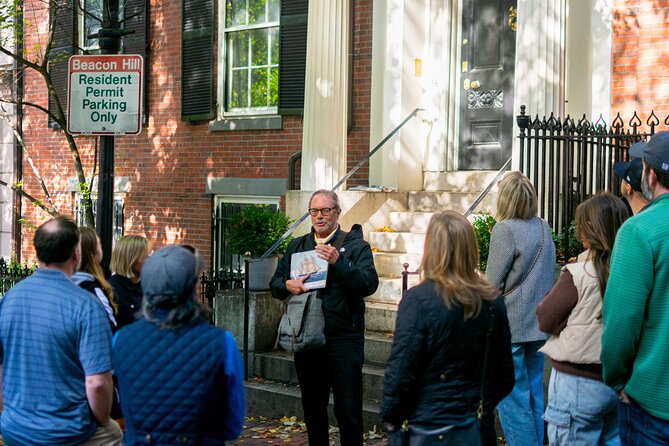
You start at the Soldiers and Sailors Monument in the center of Boston Common. It’s one of the easiest places to find, right by the Boston Common Visitor Center area. From the start, you get the tone: the walk is anchored in civic memory and then gradually moves into the neighborhood where day-to-day life took on moral urgency.
The quick early stop at Boston Common helps you get bearings without wasting time. You’ll take in the open space, then transition into Beacon Hill’s narrower lanes where the details land more sharply. It’s a good setup because you start with the big picture and only then shrink down to street level.
Beacon Hill Streets: Acorn Street, Louisburg Square, and the Contrast
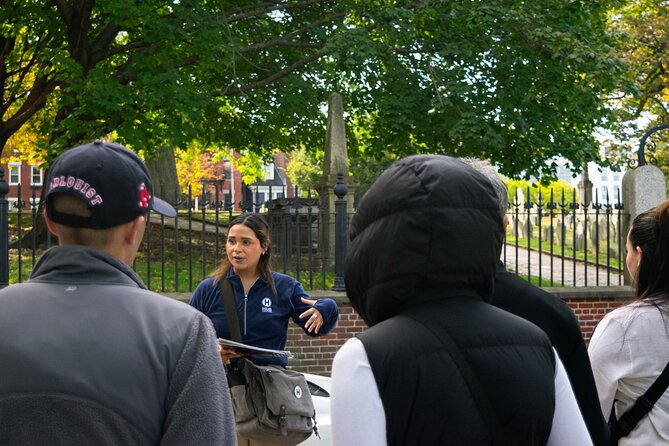
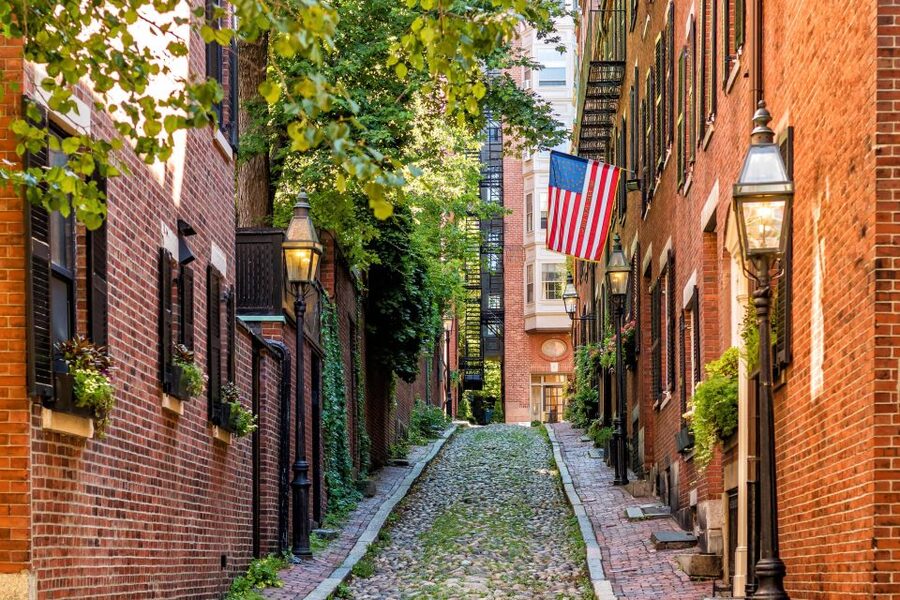
After Boston Common, the tour heads into Beacon Hill with stops that let you read the neighborhood like a map. You’ll visit Mount Vernon Street and then get to Acorn Street, one of those streets people photograph for its look. Here, you’ll see it through a different lens: not just pretty, but historically situated.
Then comes Louisburg Square, a place that feels like a calm pause inside the city’s motion. The practical value is that it gives your mind a rest while the guide keeps the narrative moving. You get short guided time, then you’re back out walking, not stuck in one place too long.
This part is where the tour’s “why it matters” really clicks. The guide uses these classic Beacon Hill stops to show how close the visible wealth sat to communities fighting for freedom. That proximity is a big theme throughout the walk.
Schools and Community Institutions: Where Equality Was Fought for
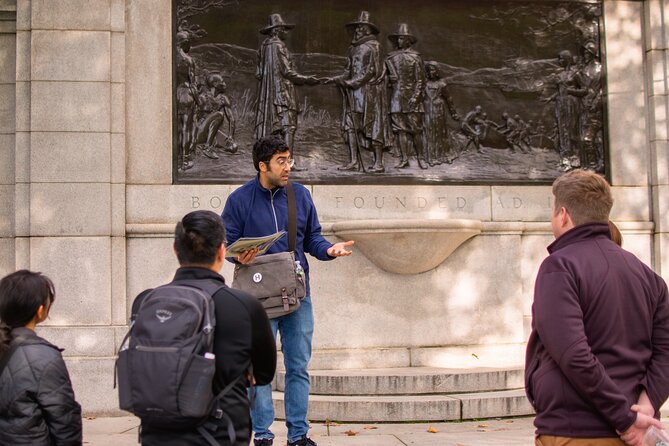
A major highlight is the way the tour centers education and community spaces rather than only focusing on famous events. You’ll stop at Phillips School, then later move through more learning-related sites. Schools matter in this story because access to education was one of the clearest battlegrounds in the fight over equality.
Next, the tour includes a series of homes and historic meeting places that help you understand how communities lived and organized. The route brings you through John J Smith House, then Charles Street Meeting House and Charles Street itself. This is the kind of stop sequence that makes you notice how religious and civic life overlapped for Black Bostonians pushing for rights.
You also get a sense of scale: these weren’t distant ideas. They were the daily reality of people living within blocks of institutions that set policy and shaped public opinion.
Underground Railroad Homes and the Black Heritage Trail Link
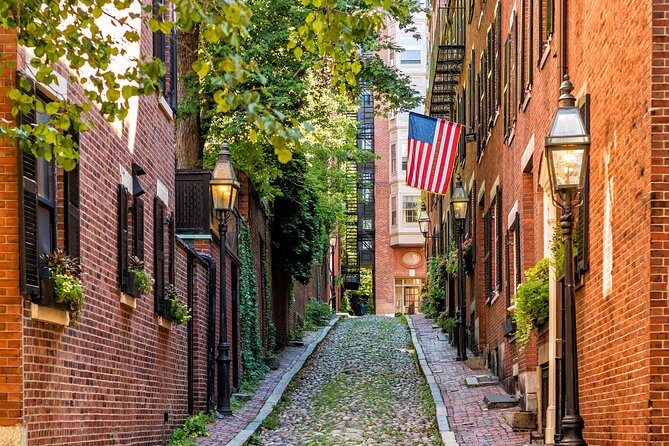
Here’s where you start making the mental connections that turn sightseeing into understanding. The tour walks the Black Heritage Trail using about 10 landmarks, and it focuses on homes and sites connected to Underground Railroad activity.
You’ll see stops tied to the Lewis & Harriet Hayden House and later the George Middleton House. You’ll also pass by places like the Vilna Shul and the Otis House Museum, which the guide uses as context for the neighborhood’s layered communities and different immigrant and minority histories.
That mix helps you understand Beacon Hill as more than one story. At the same time, the guide keeps the Underground Railroad thread clear. The value for you is that you leave with a “route in your head,” not just a handful of random facts.
And yes, you get the essential message: abolition wasn’t only about debates in distant places. It took networks, courage, and local coordination. Walking those blocks makes that feel real.






Charles Sumner and Civic Power: The Political Lead-Up
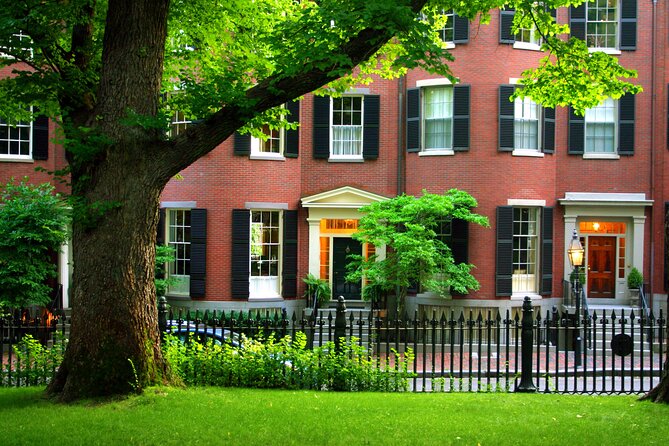
The tour then turns toward political momentum and public rhetoric. You’ll visit Charles Sumner House, a stop that’s especially useful if you’ve mostly heard names without learning how the arguments formed.
As you keep walking, the guide ties local activism to the broader national slide toward war. This is what makes the tour different from a purely architectural walk. You’re seeing civic life as part of the same pressure system that produced conflict.
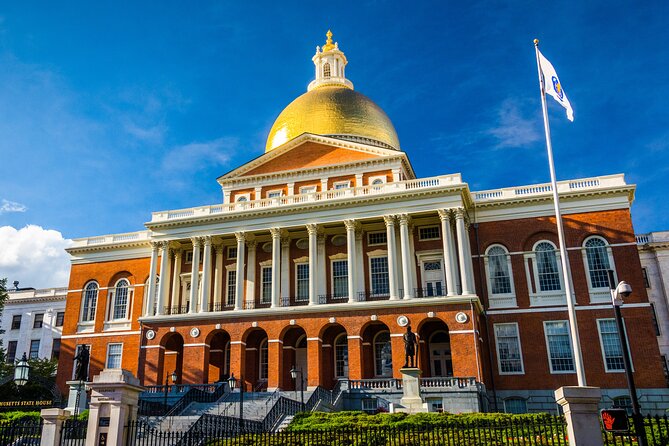
You also pass major Boston landmarks along the way, including Park Street Church for scenic views. Then you pass by the Massachusetts State House, which reinforces the point that policy and power were never far from the neighborhood streets.
The African Meeting House: A Break That Pays Off
One of the tour’s biggest anchors is the African Meeting House, where you’ll have break time plus a guided visit. This stop tends to stick with people because it’s both historic and human. You’re not just looking at a facade; you’re getting the story behind a community space that mattered.
This is also a turning point in the tour’s pacing. The break time gives you a chance to catch your breath and reset before the final stretch. After that, the walk moves back into education and abolition-era institutions with stops like Abiel Smith School.
From Learning to Legacy: Abiel Smith School and the Final Memorial
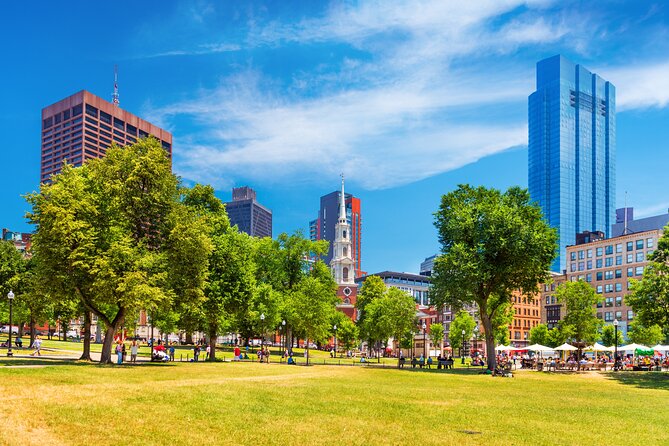
After the African Meeting House and the school stop, the tour keeps your attention on how communities built institutions and carried activism forward. The Abiel Smith School stop helps connect equality struggles to real, specific efforts in education.
The last portion is built for emotional payoff without getting overly sentimental. You’ll pass through Smith Court Residences and then finish at the Robert Gould Shaw and the 54th Regiment Memorial on Boston Common. You also get time at the Shaw and the 54th Regiment Memorial itself.
This ending matters because it ties the lead-up story to a moment of national consequence. You don’t just learn about resistance. You see how it translated into public action and remembered sacrifice. For many people, that final memorial turns the earlier home-and-street stops into something bigger.
Price and Value: Why $35 Can Be a Smart Spend
At $35 per person for about 2.5 hours, this tour is priced in a way that makes sense for the value you get. You’re paying for a local historian, a clear narrative, and an efficient walking route that hits major sites without wandering.
The practical “value math” here is simple: 2.5 hours of guided interpretation can save you hours of solo research later, especially for topics like the Underground Railroad, where context matters. Plus, the tour is set up to avoid the big-crowd mess, which is a real quality-of-life factor in a place like Beacon Hill.
If you like walking tours but hate wasting time guessing what you’re looking at, this is a fair trade. You’re not just paying for movement. You’re paying for someone to connect the dots while you’re standing in the exact right spot.
What the Walking Is Like (So You Can Plan Your Day)
You should expect about 2 miles (3.2 km) on mostly outdoor paths. The tour runs rain or shine. That means you’ll want shoes with grip, a layer for wind, and a quick-dry plan if it’s wet.
The route includes steep hills and non-ADA-compliant sidewalks, and the tour is not suitable for wheelchair users or people with mobility impairments. It also isn’t for kids under 6, and it’s not designed for low fitness levels. If that describes you, it’s worth choosing a different format.
One more note: no video recording and no luggage or large bags. If you’re carrying a backpack, keep it minimal.
Who This Tour Is Best For
This is best for you if you:
- Want Civil War lead-up context tied to real local sites
- Prefer a small-group format over packed group tours
- Enjoy walking neighborhoods where the buildings help tell the story
- Care about Black history and local activism, not only the headline events
It’s less ideal if you need step-free routes, long seated breaks, or if you dislike steady walking outdoors.
Should You Book This Underground Railroad History Tour?
If you’re planning your first serious look at Boston’s abolition-era story, I think this is a strong choice. The route focuses on Beacon Hill, uses the Black Heritage Trail, and ends with a powerful Civil War legacy stop on Boston Common. You get a guided narrative that helps you understand the pressure building toward the war, not just the final outcome.
Skip it if you know you can’t handle steep, uneven sidewalks or if weather-based outdoor walking is a dealbreaker. Otherwise, book it and wear shoes you trust. This is the kind of tour where you leave with a clearer mental map of how people lived, organized, and pushed the country toward change.
FAQ
Where does the tour start?
You meet your guide at the Soldiers and Sailors Monument in the center of Boston Common, steps from the Boston Common Visitors Center at 139 Tremont Street (02108).
How long is the walking tour?
The tour lasts about 2.5 hours (starting times vary by availability).
What does the tour include?
It includes a local historian and expert guide and coverage of the Black Heritage Trail (10 landmarks), along with time spent in the Beacon Hill neighborhood.
Is the tour outdoors?
Yes. The tour is entirely outdoors and runs rain or shine.
About how far do you walk?
The walking portion is about 2.0 miles (3.2 km).
Are there any restrictions on what I can bring?
Luggage or large bags aren’t allowed, and video recording is not allowed. Comfortable shoes and weather-appropriate clothing are recommended.