REVIEW · ATHENS
Footsteps of Apostle Paul in Ancient Corinth Biblical
Book on Viator →Operated by Exclusive Pickups · Bookable on Viator
Corinth hits different when you connect it to Paul’s story. This private day trip strings together the key places tied to the Apostle Paul—with a comfortable ride and smart timing. I especially like the smooth, chauffeured pickup in an air-conditioned vehicle, and the way the day includes planned stops (not just driving past sights).
One thing to plan for: not every stop has admission covered. The Temple of Apollo and the Archaeological Museum of Ancient Corinth have entrance fees not included, and lunch is also on you (you get free time to eat).
In This Review
- Key highlights before you go
- A private eight-hour Corinth day from Athens
- Corinth Canal: the modern cut that shapes your Corinth viewpoint
- Apostolos Pavlos Church: a calm pause tied to Paul
- Temple of Apollo and the Bema context in ancient Corinth
- Archaeological Museum of Corinth: artifacts that make Paul’s city concrete
- Acrocorinth fortress: why the views and walls matter
- Kenchreai port: the shoreline link to Paul’s sailing journeys
- Lunch time: what you’re getting and how to use it
- Price and value: what $336.43 per group really buys
- Comfort, guides, and the service style that makes the day work
- Should you book this Footsteps of Apostle Paul in Ancient Corinth tour?
- FAQ
- How long is the Footsteps of Apostle Paul in Ancient Corinth Biblical tour?
- How much does the tour cost and how many people are included?
- What is included in the tour price?
- Which entrance fees are not included?
- Is pickup available, and is there extra cost for the airport?
- Is this a private tour, and what language is it in?
Key highlights before you go
- Private group of up to 3 with all fees and taxes for the tour included
- Car comfort that makes the drive easy, including bottled water and WiFi onboard
- A Paul-focused route through Corinth, including the Bema context tied to Gallio
- Acrocorinth views with a fortress mindset, plus free admission time
- Kenchreai port ruins that connect to Paul’s sailing journeys
A private eight-hour Corinth day from Athens
This is a true private tour—your group is the only group in the vehicle. That matters on a day like this. Ancient Corinth, Acrocorinth, and Kenchreai sit in a wider region than most people expect, so having your own transport keeps the day from turning into a hurry-up festival.
The pacing is built around real on-the-ground time, not just photo stops. You’ll get about 30 minutes at Corinth Canal and the Apostle Paul church, around 45 minutes for Ancient Corinth’s temple area, about 30 minutes at the Archaeological Museum, 45 minutes at Acrocorinth, and a shorter 25 minutes at Kenchreai. In an eight-hour day, that’s a workable rhythm.
You’ll also appreciate the small comforts. The tour provides bottled water, and the vehicle has onboard WiFi. In the reviews, the experience with the driver and the comfort of the ride get repeatedly praised, with notes about a Mercedes and a very welcoming, professional attitude.
You can also read our reviews of more tours and experiences in Athens.

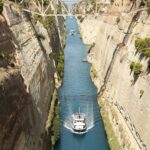
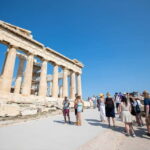
Corinth Canal: the modern cut that shapes your Corinth viewpoint
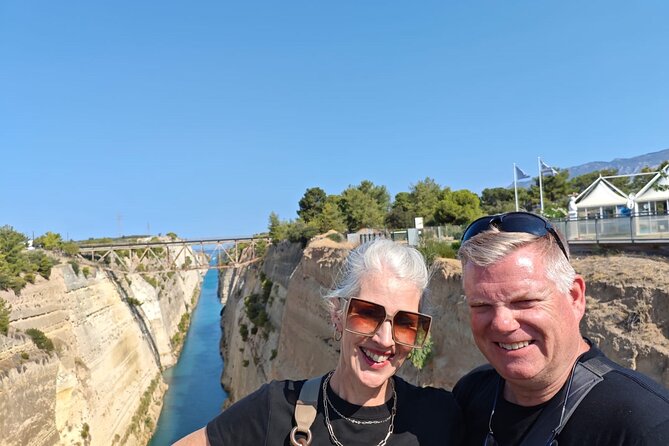
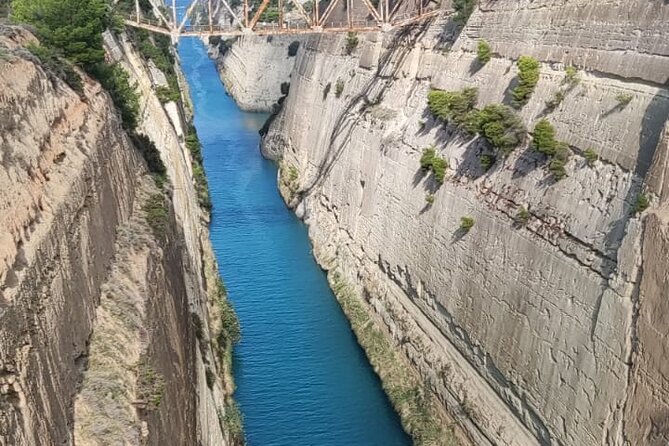
Your first stop is the Corinth Canal, one of those places where engineering is the star. It’s a man-made waterway connecting the Aegean Sea and the Ionian Sea, slicing through the narrow Isthmus of Corinth.
What I like about this stop for a Biblical-themed route is that it gives you a geography lesson before you step into the ancient city story. Paul traveled through Corinth long before the canal was built, but the region’s importance as a crossroads for travel and trade still makes sense once you see how tightly the land is pinched between seas. The canal’s steep rock walls (over 70 meters high) and narrow width also help explain why controlling movement here mattered across centuries.
The practical side is simple: this stop is short (about 30 minutes) and admission is free. You can focus on photos and a quick mental map rather than budgeting time or ticket lines.
Apostolos Pavlos Church: a calm pause tied to Paul
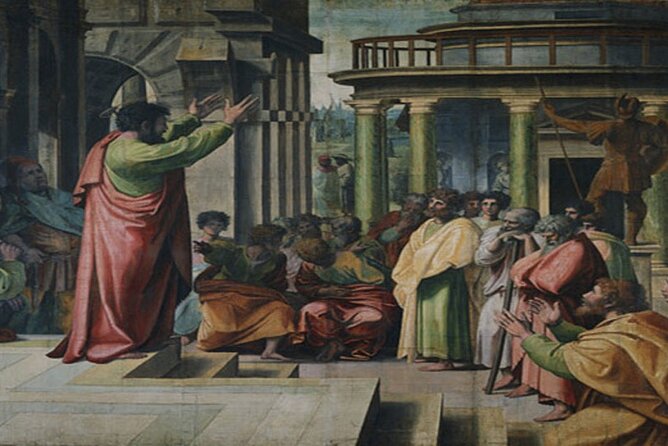
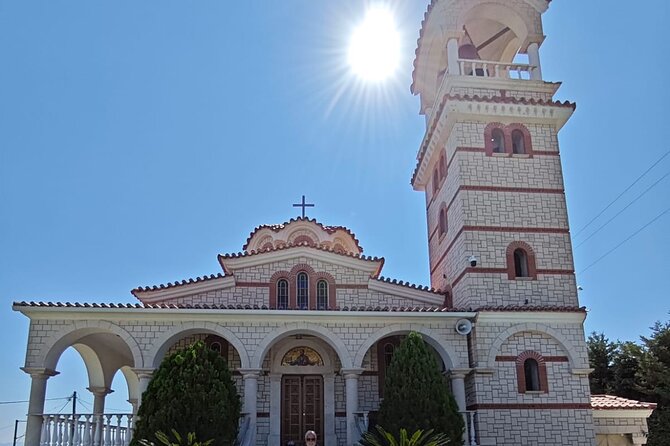
Next you visit the Holy Church of Apostle Paul in Ancient Corinth. This is one of the moments where the trip slows down emotionally, not just physically.
The church sits near the ancient city area and honors Paul’s time in Corinth—when he preached and helped shape one of the first Christian communities there. It’s not an overwhelming stop, and that’s part of the value. After seeing big infrastructure like the canal, the church gives your brain a softer landing before the archaeological pieces start clicking into place.
Timing is about 30 minutes, and admission is free. If you like moments of quiet during history days, this stop will feel like a breather rather than another checklist item.
Temple of Apollo and the Bema context in ancient Corinth
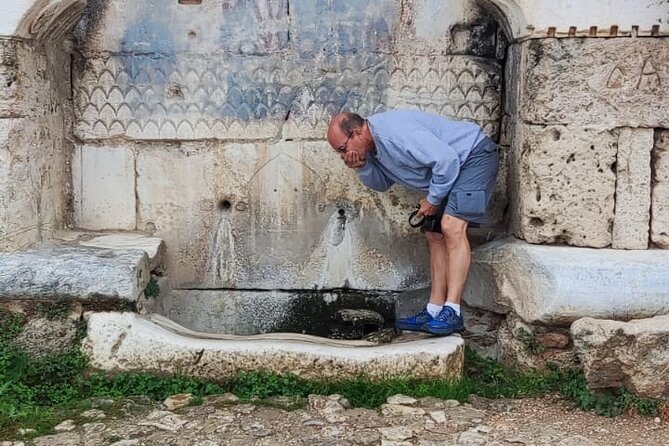
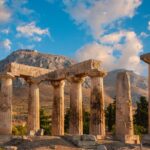
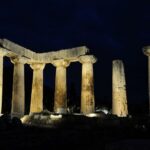
This is where the ancient city turns into a story you can follow. Ancient Corinth was powerful and wealthy, a major hub for commerce and culture. You’ll walk among ruins that point to how the city functioned—temple grounds, marketplaces, and streets where merchants and thinkers would have crossed paths.
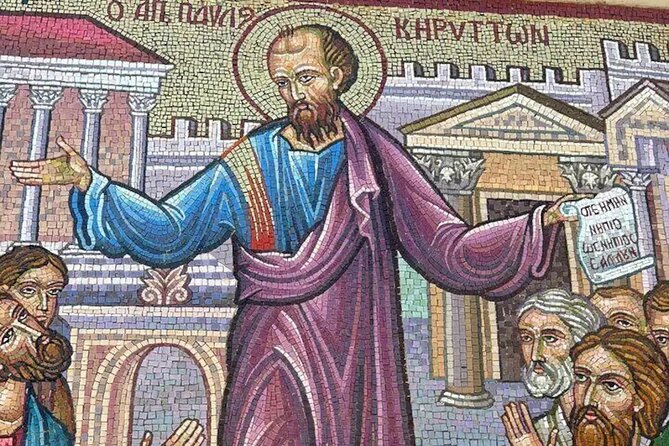
For a Paul-themed tour, this is also where the conversation connects to his preaching. The most specific anchor point here is the Bema, the raised platform where Paul is believed to have stood before Roman governor Gallio. You won’t need to be a Bible scholar to get value from this. The key is that the Bema reference helps you picture Paul not as an abstract name, but as someone speaking publicly in a city that knew how to handle crowd attention.
Time for this stop is about 45 minutes. Entrance fees are not included here, so I’d budget extra for tickets on the day. If you’re traveling with tight timing, it’s worth making sure you have cash or card ready for whatever the site requests when you arrive.
Archaeological Museum of Corinth: artifacts that make Paul’s city concrete
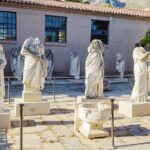
After seeing ruins, the museum gives your imagination something solid. The Archaeological Museum of Ancient Corinth is where Corinth’s story becomes tangible: sculptures, mosaics, pottery, inscriptions, and more.
This is especially useful for Bible-minded travelers because it can translate background into specifics. You’ll find artifacts that reflect Corinth’s role as a trade and cultural center—and materials connected to the broader period when early Christianity was spreading through the city.
The museum stop is about 30 minutes. Entrance is not included, so again, this is an added cost to factor into your budget. Still, it tends to be one of the highest-value time blocks because it’s not dependent on weather, and you get a more complete sense of how the city worked beyond the outlines of walls.
If you want one “do this for sure” moment in your Corinth day, the museum is it. Ruins show what’s left; museums show what that leftover means.


Acrocorinth fortress: why the views and walls matter
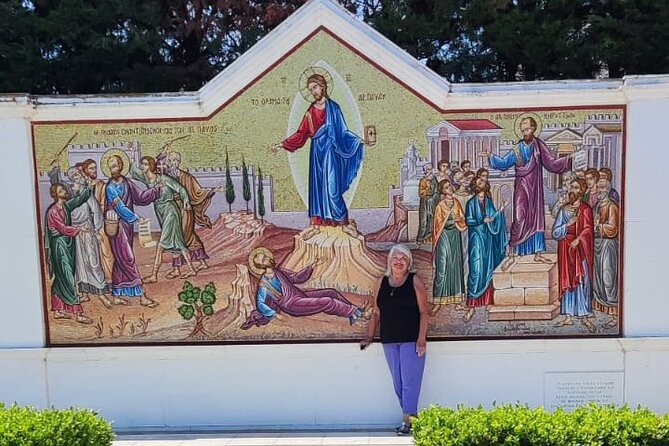
Acrocorinth is the payoff many people picture when they think of Corinth: a fortress high above the ancient city with massive walls and a strategic position that controlled the region.
You’ll have about 45 minutes here. Admission is free, which is great because this stop is a bigger time block than the canal or church.
What makes this place click for a Paul-themed itinerary is the layered meaning of the hilltop. The fortress guarded the region for centuries under different powers, and the description includes Greeks, Romans, Byzantines, and Ottomans. Even if your main goal is Paul, this military-and-political backdrop helps explain why cities like Corinth were always contested. Control of vantage points meant control of movement and trade routes.
You’ll also get panoramic views toward the sea. In the reviews, people singled out the day’s lunch experience as having a view connected to Acrocorinth area, which matches the feeling you get standing up there: this is a place built for watching the world move.
Because it’s a fortress, expect uneven ground and winding paths in places. The tour is marked as suitable for most travelers, but if you know you dislike steep or rocky walks, it’s smart to plan your pace.
Kenchreai port: the shoreline link to Paul’s sailing journeys
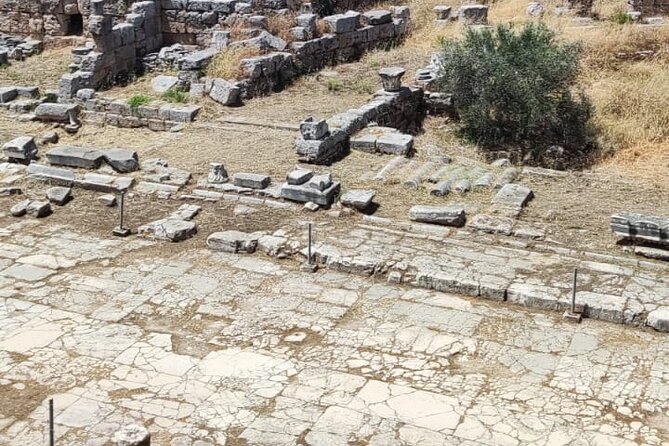
Your final ancient-history stop is the Ancient Port of Kenchreai. This is the eastern port of Corinth and a key gateway for trade and travel in antiquity.
The practical value here is that you finish the day grounded in motion. Kenchreai connects Corinth to the Aegean Sea and explains how goods, people, and ideas moved. For Paul-focused travelers, the port has an extra layer: it’s tied to the idea that Paul set sail from here on missionary journeys, leaving behind a Christian community in the region.
Time at Kenchreai is about 25 minutes, and admission is free. The remains can feel quiet compared with the fortress, but that’s the point. The setting helps you picture departure points, not just speaking platforms.
If you’re the type who likes finishing a tour with a “where would the next journey start?” moment, this stop does the job.
Lunch time: what you’re getting and how to use it
Lunch isn’t included, but you will have free time to eat at a traditional Greek restaurant where you can taste local cuisine.
A practical tip: use this window strategically. If you want to keep the day comfortable, order something quick and filling. If your group tends to linger, pick a place that keeps the line moving so you don’t lose time on the back end.
In the reviews, people mention lunch with a view connected to the Acrocorinth area, which tells me the timing likely supports a scenic meal. Even so, your exact restaurant and view depend on what’s available that day.
Price and value: what $336.43 per group really buys
The price is $336.43 per group, up to 3 people, for the full eight-hour experience. That’s often a smart value when you compare it to piecing together transport plus a tightly timed multi-stop route.
Here’s how I’d think about it:
- If you’re traveling as a pair or with a third person, the per-person cost drops a lot, and you get the comfort of private transportation for the whole day.
- You’re not just paying for transit. You’re paying for a structured route with time at each key location and a driver who can connect the sites to Paul’s story. Reviews consistently emphasize the driver’s helpful explanations and upbeat service.
- The tour includes private transportation, an air-conditioned vehicle, WiFi onboard, bottled water, and all fees and taxes for the tour itself.
What you should budget separately:
- Entrance fee to the Archaeological Museum of Ancient Corinth
- Entrance fee to the Temple of Apollo
- Lunch (since you get free time to find food)
If you want to spend less money but still visit the same area, you’d need to arrange transport and timing on your own. The value of this private setup is that it reduces planning stress and keeps you from burning daylight on logistics.
Also note: the tour is commonly booked about 8 days in advance. If your dates are firm, I’d book earlier rather than gambling on last-minute availability.
Comfort, guides, and the service style that makes the day work
This tour is built around comfort and clarity. You’ll get pickup offered, and confirmation is received at booking.
A name that shows up repeatedly in feedback is George (sometimes written as Giorgos or Giorgios). People describe him as professional and friendly, with prompt pickup, careful driving, and a lot of context tied to what you’re seeing. Many also mention the comfort of the vehicle and the welcome touches—like cold bottled water.
Even if you don’t get the same driver, the service model matters. Private transport plus time management tends to mean you can actually enjoy the sites instead of racing between them.
The tour runs in English, and the day is designed for most travelers. If you’re someone who hates feeling hurried or stuck on group schedules, the private format is a big reason to choose it.
Should you book this Footsteps of Apostle Paul in Ancient Corinth tour?
Book it if you want a Paul-focused day that connects geography, ruins, and meaning—without turning your trip into a map-and-museum scramble. It’s especially attractive if you care about getting context for stops like the Bema reference and want help connecting the ancient city to Paul’s missionary route.
Skip or reconsider if:
- You want a cheaper DIY trip (because museum and temple entrances plus lunch will add up).
- You dislike any walking on uneven terrain (Acrocorinth is a fortress setting, so you may encounter uneven paths).
- You’re traveling solo and the per-person cost feels high compared with group-based options.
If your goal is one high-quality day outside Athens with smart pacing, comfortable transport, and a route that feels purpose-built for Paul’s story, this one makes sense. The combination of sites—canal, city ruins, fortress views, and Kenchreai’s port connection—covers the full arc.
FAQ
How long is the Footsteps of Apostle Paul in Ancient Corinth Biblical tour?
The tour lasts about 8 hours.
How much does the tour cost and how many people are included?
It costs $336.43 per group, up to 3 people.
What is included in the tour price?
The price includes private transportation, an air-conditioned vehicle, WiFi on board, bottled water, and all fees and taxes for the tour.
Which entrance fees are not included?
Entrance fees are not included for the Temple of Apollo and the Archaeological Museum of Ancient Corinth.
Is pickup available, and is there extra cost for the airport?
Pickup is offered. Pickup from and to Athens International Airport may have an additional cost due to extra driving distance.
Is this a private tour, and what language is it in?
Yes, it’s private, so only your group participates. The tour is offered in English.