REVIEW · ROME
Exploring Rome’s Rich Heritage: Pantheon and Jewish Ghetto
Book on GetYourGuide →Operated by CheckandGo Tours · Bookable on GetYourGuide
Two legends, one walk. This tour connects the Pantheon with Rome’s Jewish Ghetto, so you see how religion, art, and politics all shaped the same city blocks. I especially like the way the Pantheon’s domed interior turns light into a story, and I like having a guide like Maria make the ghetto walk feel clear and human. The main thing to watch is the strict dress code at the Pantheon: no shorts, short skirts, sleeveless tops, or even vests.
Here’s the clever part: you don’t just sightsee big names. You also hit the places where Roman power changed hands, like the area tied to Julius Caesar’s assassination, and you pass the Bernini-era Elephant and Obelisk sculpture by way of Piazza della Minerva. Expect a tight, meaningful 2-hour loop with professional commentary and headsets to keep you tuned in.
In This Review
- Quick hits before you go
- Why the Pantheon + Ghetto combo makes sense
- Starting at Piazza della Rotonda: what to look for before you enter
- The Pantheon guided tour: oculus light and a building with political legs
- Bernini’s Elephant and Obelisk in Piazza della Minerva
- Largo di Torre Argentina: where Caesar was assassinated
- Piazza Mattei and the streets of the Jewish Ghetto
- Portico of Ottavia: finishing with cultural memory
- What you get for $42.59 (and why it’s fair value)
- Timing, clothing rules, and practical travel tips
- Who this tour is best for
- Should you book this Rome heritage tour?
- FAQ
- FAQ
- How long is the Pantheon and Jewish Ghetto tour?
- Where does the tour start?
- What is included in the price?
- What languages are available for the live guide?
- Are there dress code rules for the Pantheon?
- Can I cancel or pay later?
Quick hits before you go
- Pantheon skip-the-line access through a separate entrance, so you’re not stuck in the biggest crowds.
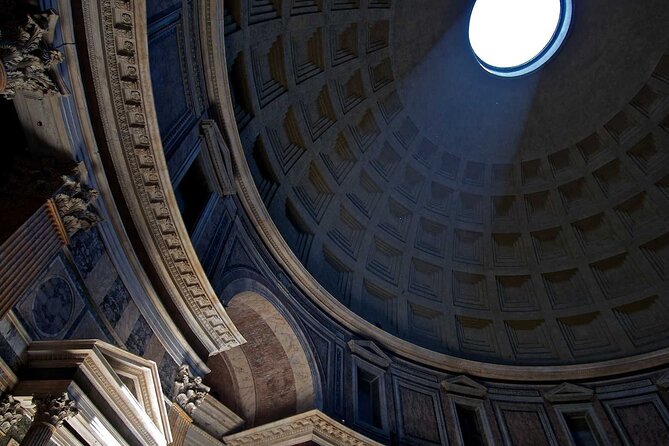
- Oculus light in the dome: a built-in lighting trick that makes the building feel alive.
- Guide Maria’s storytelling style: clear, detailed, and easy to follow, even on a Spanish-language tour.
- Julius Caesar’s assassination area at Largo di Torre Argentina, where the past feels close.
- Bernini’s Elephant and Obelisk as a rewarding side stop you might miss on your own.
- Jewish Ghetto streets and Portico d’Ottavia to connect everyday life with layered historical meaning.
Why the Pantheon + Ghetto combo makes sense
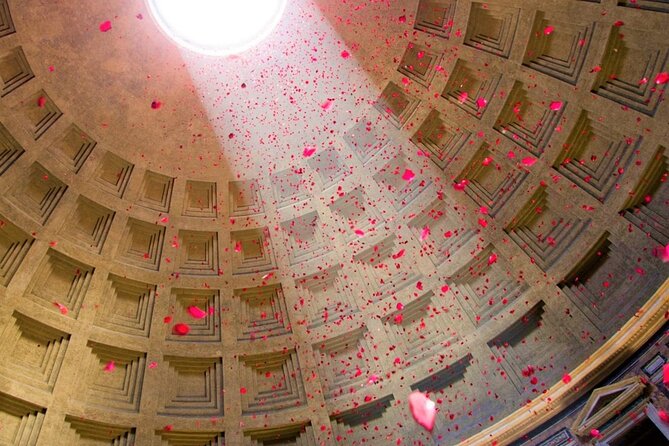
A lot of Rome tours treat the Pantheon like a standalone “wow moment,” then throw in a quick neighborhood walk. This one does the opposite. You start with one of the best-preserved monuments from ancient Rome, then you follow the thread of belief and power into the Jewish quarter, ending at a monument that symbolizes cultural memory.
That structure matters because it changes how you read the city. The Pantheon isn’t only a pretty dome. It was built as a temple for all gods, then it later became a place tied to important names in Italian history. Walking afterward through the ghetto gives that transformation real context. You’ll see Rome as a city that re-used space, re-labeled meaning, and kept talking about religion—sometimes through art, sometimes through policy.
You can also read our reviews of more tours and experiences in Rome.
Starting at Piazza della Rotonda: what to look for before you enter
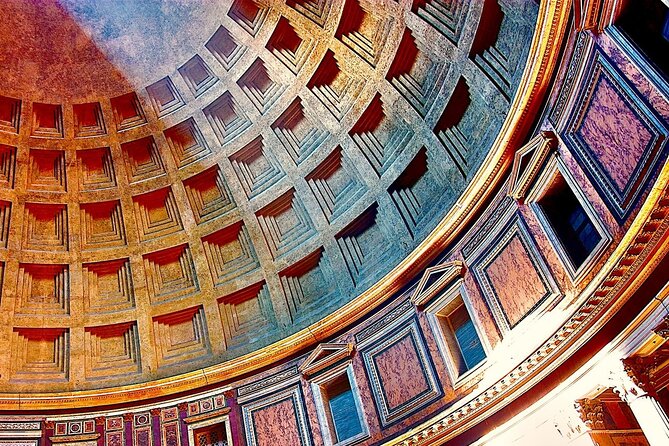
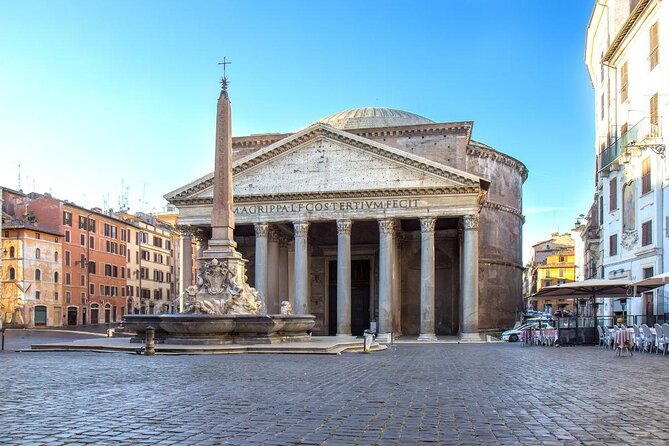
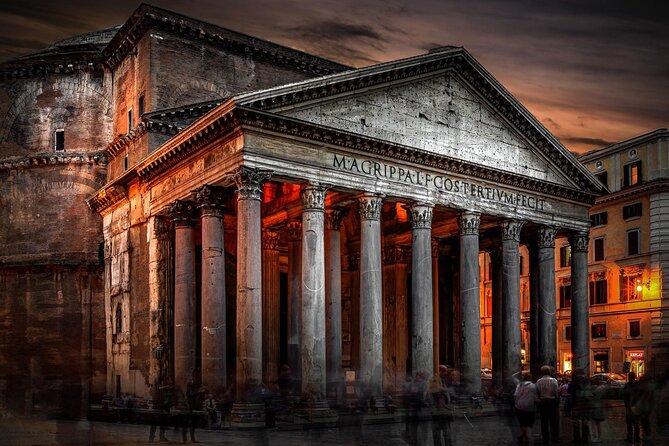
The tour begins at Piazza della Rotonda, 2, which is right where you want to be: the Pantheon zone is compact, and it keeps you from wasting time crossing the whole city.
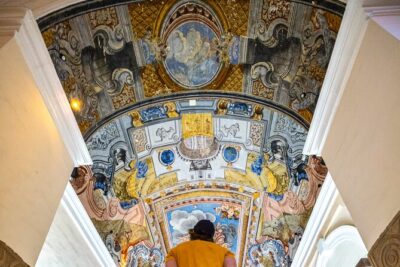
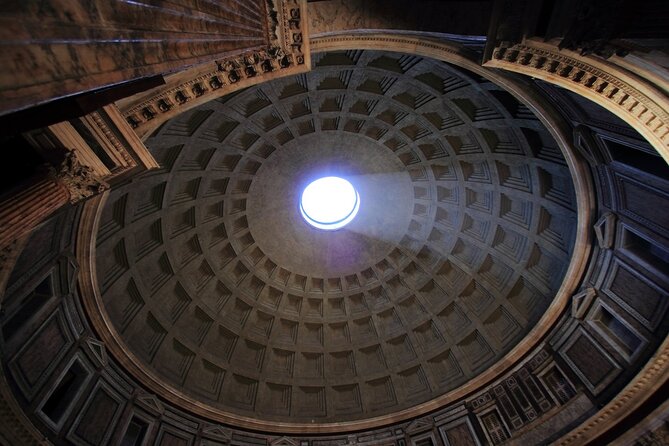
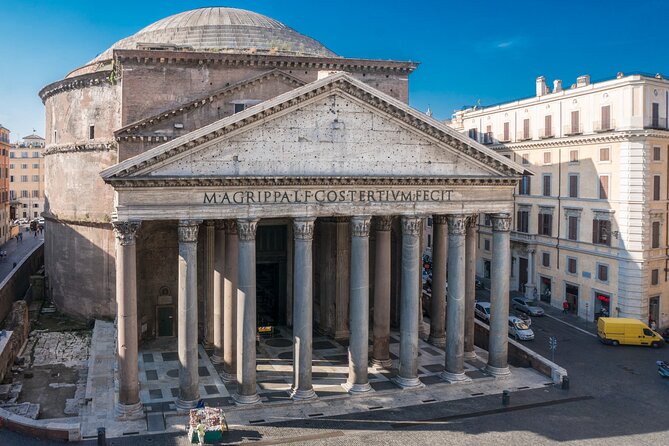
Before the group goes inside, I like taking a few seconds to reset your eyes. The Pantheon’s exterior looks classic and solid from outside, but the real surprise is what happens after you enter: the interior’s huge domed ceiling and central opening (the oculus) work like a light machine. If you arrive prepared to notice details, the rest of the tour lands better.
The Pantheon guided tour: oculus light and a building with political legs
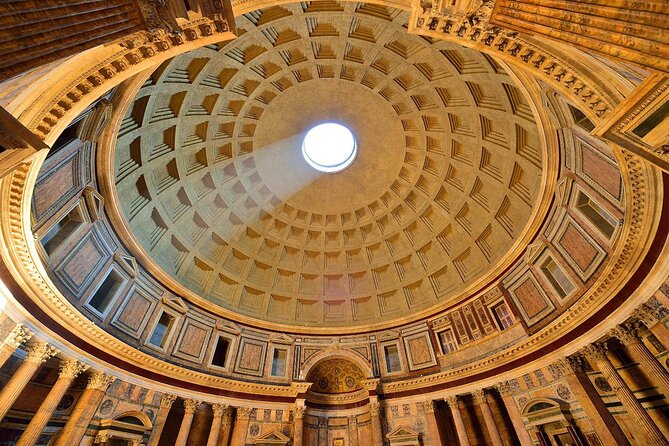
You’ll get a guided tour of the Pantheon for about 45 minutes. That’s a smart amount of time. Long enough to see the main features without feeling rushed, but short enough that you still have energy left for the next stops.
Here’s why the Pantheon is worth a guide. The architecture isn’t just “ancient.” It’s deliberate. The massive dome, the oculus, and the play of natural light make you feel the building’s scale, even if you’ve seen photos before. The guide also connects what you’re seeing to what the building used to represent—originally a temple for all gods—and what it represents now, including its role as a final resting place for notable figures like Raphael and the kings of Italy.
A small practical win: you’re getting skip-the-line tickets through a separate entrance, which can change your whole experience. When you’re not fighting the crowd at the front gate, you actually get to concentrate on what you’re entering.
One more thing to plan for: Pantheon access can be affected by anticipated closures, postponed openings, masses, concerts, or other events. The tour time may shift, so keep your day flexible if you’re stacking other bookings close by.
Bernini’s Elephant and Obelisk in Piazza della Minerva
After the Pantheon, the walk brings you to Piazza della Minerva. This stop is a nice reminder that “ancient Rome” isn’t the only era represented in these streets.
The highlight here is Bernini’s iconic Elephant and Obelisk sculpture. On a free stroll, you might notice it but miss why it’s there. With a guide, it becomes a piece of the larger Rome story: how later artists and patrons took existing symbols and made them part of the city’s ongoing religious and artistic language.
Even if you’re tired of “another statue,” this one earns its place in the route because it’s a bridge between eras. The city isn’t divided into neat chapters. It’s layered, and Rome loves reusing old ideas in new forms.
Largo di Torre Argentina: where Caesar was assassinated
Next is Largo di Torre Argentina, where you’ll visit the archaeological site connected to Julius Caesar’s assassination. This is one of those stops where a guide really matters, because the location can feel like just another square—until you connect it to the political shock that happened here.
The payoff is emotional accuracy, not just dates. Caesar’s assassination was not a background event; it changed the direction of power in Rome. Standing in the area linked to that moment makes the city’s grandeur feel more real. Suddenly the monuments aren’t just surviving buildings; they’re part of a timeline where leadership was argued, seized, and punished.
If you like history that has cause and effect, this stop gives you that. It also sets up the ghetto part of the day: once you understand how politics reshapes space, you’re more likely to notice how later communities navigated restrictions, identity, and survival.


Piazza Mattei and the streets of the Jewish Ghetto
Then you’re walking into the Jewish Ghetto area, with guided time in Piazza Mattei and along Via del Portico d’Ottavia, described as the heart of the neighborhood.
This is one of the most meaningful segments of the whole tour because it’s not just architecture. It’s everyday space with centuries of consequences behind it. I like the way a guided walk helps you avoid the “photo and move on” problem. Instead, you can follow the connections: how religion and community life played out in particular streets, and how those streets stayed in the city’s memory.
You’ll also get a steady storyline from the guide. In particular, Maria stood out for her ability to explain Pantheon history in a simple but complete way, and then shift that clarity to walking the ghetto streets. That ability to keep ideas understandable is a big deal on tours where the material can otherwise feel too heavy or too vague.
One practical tip: Rome sidewalks can be uneven, so wear shoes you trust. This is a walking-heavy segment even though the total tour is only 2 hours.
Portico of Ottavia: finishing with cultural memory
The tour concludes in front of the Portico of Ottavia. This stop works as a period finale. You’re moving from smaller street views and piazzas into a monumental structure that signals continuity—an actual reminder that communities built identity through the urban landscape.
The guide framing here matters. The Portico isn’t only “a cool old building.” It symbolizes the past and cultural heritage of the Jewish community in Rome. Ending here lets you close the loop: you started at a monument that began as a temple for all gods and ended your day at a reminder of how later communities carved out meaning in the city’s changing political and religious climate.
It’s a satisfying way to leave the area. You’ll know where you are, what you just learned, and why the place feels important—not just scenic.
What you get for $42.59 (and why it’s fair value)
At $42.59 per person for about 2 hours, the value is in what the ticket covers, not in the headline price.
You’re paying for:
- Skip-the-line tickets to the Pantheon, plus a guided Pantheon visit
- Headsets, so you can hear clearly even in louder outdoor sections
- Guided stops through Pantheon and the Jewish Ghetto areas
Rome can be expensive when you’re paying separately for entry, a guide, and then extra time losses in queues. Here, the guide and skip-the-line access are doing most of the heavy lifting. If you were planning to do it on your own, you’d still spend time figuring out what to look at and how the sites connect. A guided structure saves that mental work and replaces it with clear explanations.
Also, the tour languages are Spanish and English, so if you’re matching your comfort level, you’ll get more out of every stop.
Timing, clothing rules, and practical travel tips
This experience runs about 2 hours. Starting times vary, so check availability before you commit your day.
A big planning detail is attire. Access to the Pantheon requires suitable clothing: no hemline above the knees, no vests, and no sleeveless tops for both men and women. Also, shorts and short skirts are not allowed, and sleeveless shirts are a no-go. If you’re arriving from a beach or packing for summer weather, plan ahead. It’s easier to swap clothing for this one stop than to argue with rules once you’re at the entrance.
Also note:
- Food and drinks aren’t included.
- Bring a passport or ID card (and for children as well).
- Pets aren’t allowed.
Finally, there’s a wrinkle about mobility needs. The activity lists wheelchair accessibility, but it also states it’s not suitable for wheelchair users and for people with mobility impairments. If accessibility is a concern for you, confirm directly before booking so you don’t get surprised on the day.
Who this tour is best for
I’d recommend this tour if you want Rome in one coherent storyline. It’s great for people who love:
- Architecture with meaning, not just photos
- A guided explanation of how political events shape what survives
- Seeing the Pantheon and then understanding how later religious communities lived in the city
It’s also a smart choice if you’re the type who gets impatient with long lines. The skip-the-line approach helps you start strong and keep your energy for the walk into the ghetto area.
If you prefer totally free wandering with no structure, you might feel boxed in by a guided pace. But if you like knowing what to look at and why, you’ll probably enjoy it more than you expect.
Should you book this Rome heritage tour?
Yes—book it if you want a well-connected “Rome story” in just a couple of hours, with skip-the-line entry and headsets, plus a guide who can explain both the Pantheon and the ghetto without turning the day into a chaotic history lecture.
I’d think twice (or confirm details first) if your schedule can’t flex due to possible Pantheon event-related closures, or if your clothes don’t meet the Pantheon rules. And if mobility support is needed, verify suitability carefully because the accessibility info is inconsistent.
FAQ
FAQ
How long is the Pantheon and Jewish Ghetto tour?
It lasts about 2 hours.
Where does the tour start?
The tour starts at Piazza della Rotonda, 2.
What is included in the price?
The price includes skip-the-line Pantheon tickets, headsets, a guided Pantheon tour, and a guided Jewish Ghetto tour.
What languages are available for the live guide?
The live guide offers Spanish and English.
Are there dress code rules for the Pantheon?
Yes. You need suitable attire, with rules including no hemline above the knees, no vests, and no sleeveless tops for both men and women.
Can I cancel or pay later?
Yes. You can cancel up to 24 hours in advance for a full refund, and there is a reserve now & pay later option (paying nothing today).