REVIEW · HOI AN
Hoi An: Ancient Town Walking Tour with Lantern Boat Ride
Book on GetYourGuide →Operated by Hoi An Lantern Boat Tours · Bookable on GetYourGuide
Hoi An feels like it runs on foot. This tour threads together the Ancient Town sights you came for with the quieter moments most people miss, then finishes with a lantern boat ride on the Thu Bon River at sunset. I really like how the route hits major landmarks like the Japanese Covered Bridge and the Cantonese Assembly Hall, and I also love the hands-on craft-house stops where you can watch artisans at work. One thing to plan for: you’ll still need to buy your Hoi An UNESCO entrance ticket on your own before you enter the Ancient Town.
What makes it work for a short visit is the pacing. You get an English-speaking local guide, a small group capped at 10, bottled water, and a lantern boat with a flower lantern you drop on the river—without needing hotel pickup. The main trade-off is that it’s mostly on foot and not suitable for wheelchair users or mobility impairments.
In This Review
- Key Points You’ll Care About
- Why This Hoi An Walking Tour Ends With Lanterns
- Meeting Point and How the 210-Minute Day Flows
- Temple Calm and Market Life: The First Taste of Hoi An
- Traditional Art Performance: Why It’s More Than Entertainment
- Ancient House and Cantonese Assembly Hall: History You Can Walk Through
- Craft Houses, Lantern Making, Pottery, and Weaving
- Japanese Covered Bridge: The Cultural Crossroads Moment
- The Thu Bon River Lantern Boat Ride at Sunset
- Price and Value: Is $30 Fair for What You Get?
- Practical Tips: Shoes, Cash, Rain, and Street Crossing
- Who This Tour Fits Best (and Who Might Skip It)
- Should You Book This Hoi An Lantern Tour?
- FAQ
- FAQ
- Where does the tour start?
- How long is the tour?
- How big is the group?
- Is there an English-speaking guide?
- Does the price include the lantern boat ride?
- Do I need to pay an entrance ticket to enter the Ancient Town?
- Where do I finish the tour?
- What should I bring?
- Is the tour suitable for wheelchair users?
- Are alcohol and smoking allowed?
Key Points You’ll Care About
- Small group (max 10) means you’re not stuck in a crowd wall of elbows.
- English-speaking guide adds context to what you see, including local coffee and customs from guides like Vu.
- Craft houses with demos and try-it moments go beyond photos, especially around lantern making and other trades.
- Japanese Covered Bridge plus assembly hall gives you both architectural beauty and community history.
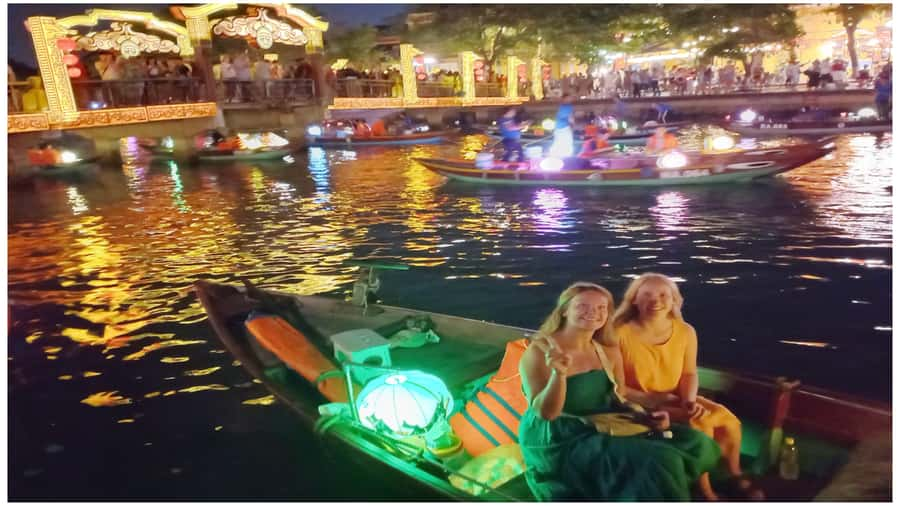
- Lantern boat ride with flower lantern drop is the calm payoff after the day’s walking.
- You must buy the Ancient Town/UNESCO ticket yourself to enter the area.
Why This Hoi An Walking Tour Ends With Lanterns
Hoi An at daybreak is pretty. Hoi An near sunset is something else. This tour is built around that shift: you start with quieter cultural stops, move through heritage landmarks and craftwork, then slow down for the Thu Bon River. That structure matters, because it prevents the classic problem of seeing Hoi An as a checklist.
Two parts especially help the experience feel real. First, you get the landmark stops that anchor the town’s history, like the Japanese Covered Bridge and the Cantonese Assembly Hall. Second, the river ending gives you a moment where you’re not negotiating narrow streets, vendors, or camera angles. You’re on calm water with glowing lanterns drifting after you’ve placed your flower lantern.
There’s also a practical bonus: the walking time is reasonable for most visitors, and the group stays small. That combination is why this kind of tour often feels more useful than doing everything on your own.
You can also read our reviews of more tours and experiences in Hoi An.



Meeting Point and How the 210-Minute Day Flows
The tour starts at 10 Đ. Phan Chu Trinh, and it runs about 210 minutes total. You spend around 3 hours on the Ancient Town walking portion, then you finish with a 20-minute boat cruise at sunset on the Thu Bon River.
You’ll end back in the area of Phố cổ Hội An (Hoi An Old Town). That’s good news if you plan to keep exploring after the tour ends. It’s also why you should keep some energy for wandering—your route won’t cover every lane in the historic quarter.
One more timing reality: the day includes transitions between stops on foot. So even if you see the “big attraction” minutes listed, the total time will still feel like a full half-day. If you’re arriving in Hoi An for the first time, this is a great way to get your bearings fast.
Temple Calm and Market Life: The First Taste of Hoi An
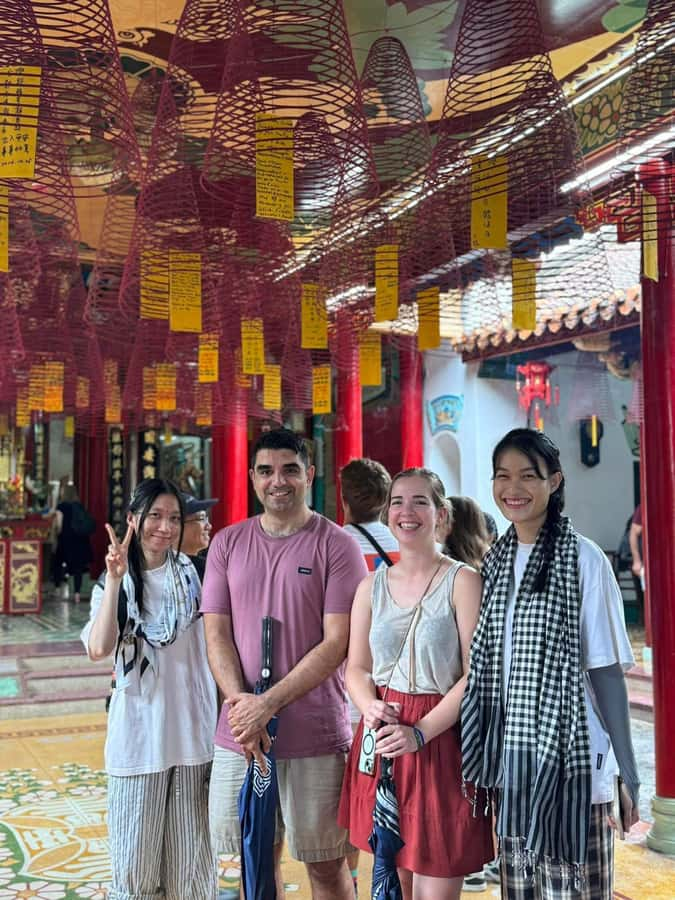
You begin with a visit to a local temple. The tone here is intentionally quiet. It’s the kind of stop that helps you understand that Hoi An isn’t only architecture and shopping—it’s living spiritual and community space.
After that, you move into a local market. This isn’t just a place to buy souvenirs. You get to see daily life in motion: fresh produce, snacks, and a mix of goods that reflect what people actually use and eat. Even if your goal is photos, I like that this section trains your eye. You start noticing details you’d otherwise skip, like the difference between tourist-facing items and what’s clearly aimed at everyday customers.
If you’re sensitive to crowds or noise, plan to take it slow in the market. In rain, the streets and covered areas can get crowded as people shelter and pack together. A guide’s job is to keep you moving, but you’ll still feel that human density.
Traditional Art Performance: Why It’s More Than Entertainment
A big reason people love this tour is that it includes a traditional art performance as part of the route. This isn’t just a random show tucked in at the end. It’s scheduled early enough that you can still connect it to the rest of the day.
The performance style focuses on traditional dance, music, and folk expressions passed down through generations. Even if you don’t know the cultural background yet, you’ll usually understand the structure and mood: rhythms, gestures, and the way performers communicate story through movement.
I also find that a performance like this gives you a better sense of why certain architectural and community spaces matter. You’re not only looking at old buildings—you’re getting a feel for the culture those spaces supported.
Ancient House and Cantonese Assembly Hall: History You Can Walk Through
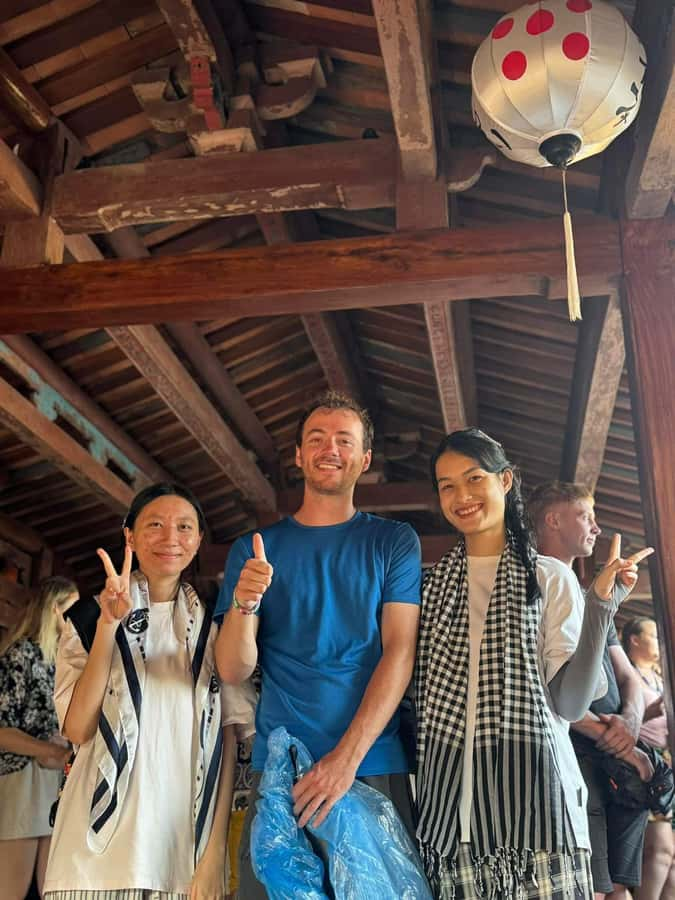
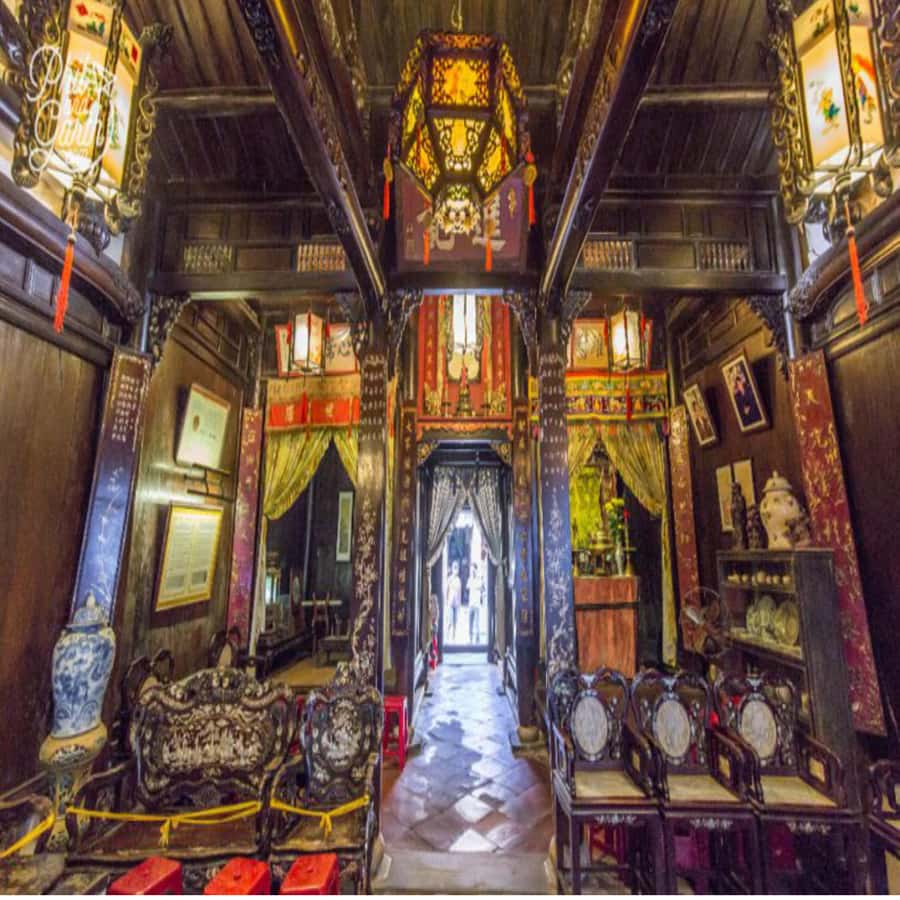
From there, you’ll see two stops that feel different in tone, but both help you understand Hoi An’s community structure.
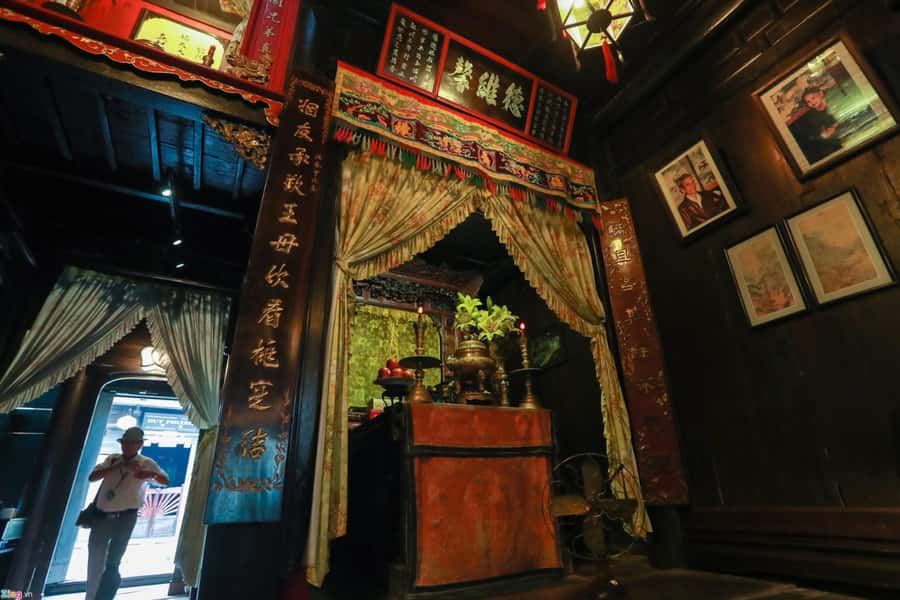
First up is the Ancient House, described as a roughly 200-year-old merchant’s house with antique furniture. This is the kind of place where small details matter: the layout, the objects kept from earlier generations, and the household scale compared to modern shops nearby. It’s a good reminder that “ancient town” doesn’t mean empty streets—it means people once lived their daily routines right here.
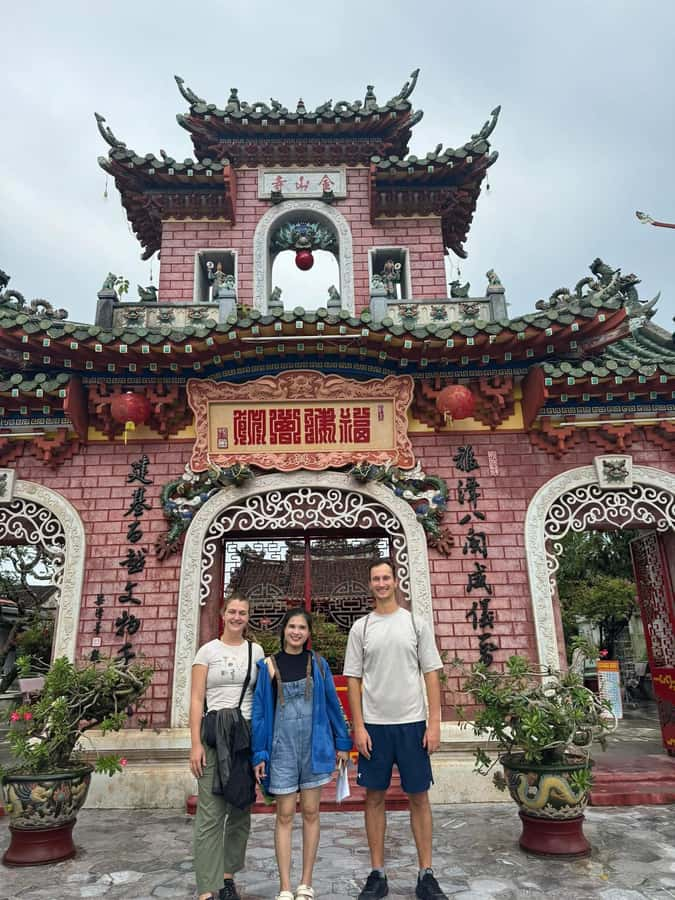
Then you visit a traditional assembly hall—the Cantonese Assembly Hall is the key one on this route. Assembly halls weren’t just for sightseeing. They were places where communities met and ceremonies took place. Standing in that kind of space is one of the fastest ways to grasp that this town formed around networks: families, traders, and shared cultural ties.
If you like architecture, you’ll also appreciate how the tour balances indoor and outdoor viewing. You get a breather from walking while still staying oriented in the historic quarter.






Craft Houses, Lantern Making, Pottery, and Weaving
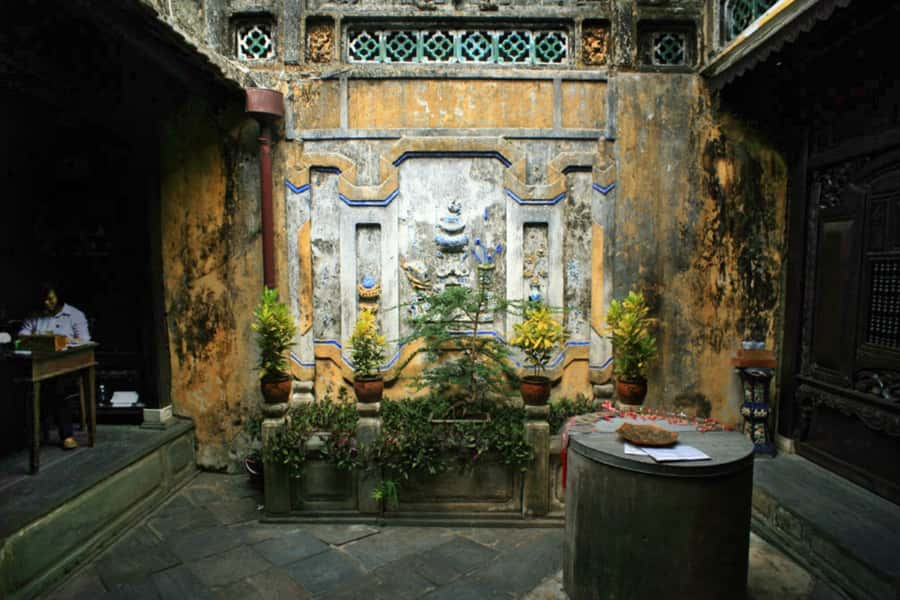
One of my favorite parts is the time spent at traditional craft houses, where artisans preserve handcrafts passed down across generations. The tour focuses on a few different trades—often including lantern making, and in the craft-house lineup you may also see pottery and weaving.
What makes this section valuable is that it’s not only “look, then leave.” You can usually watch craftsmen at work and even try something yourself. That matters, because Hoi An’s lantern theme can become a souvenir cliché. These craft stops help you connect lanterns to process, skill, and local trade rather than treating them as a single visual style.
There’s one caution from real-world experience: craft shops can be friendly, then become very pushy once you step inside. My advice is simple—don’t buy until you’ve seen everything along the route. If you want one special item, give yourself a comparison window.
Japanese Covered Bridge: The Cultural Crossroads Moment
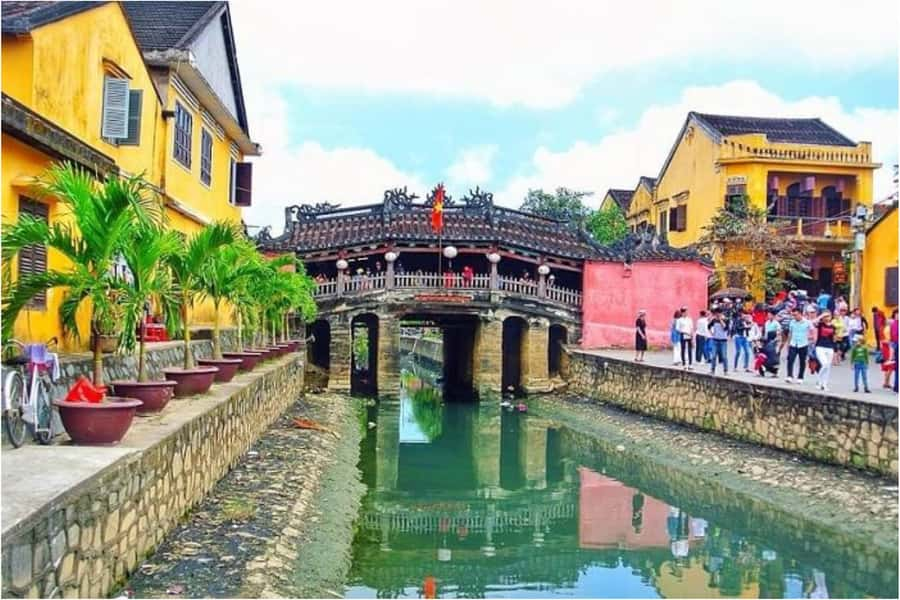
Next comes the Japanese Covered Bridge, one of Hoi An’s most recognizable landmarks. The bridge is famous for the way it reflects cultural exchange between Japanese visitors and local people centuries ago.
This stop works because the bridge is both visually striking and historically meaningful. Even if you’ve seen photos before, seeing it in person helps you understand the scale and how people used it in the past. It’s also an easy photo target without feeling like you’re standing in a theme-park queue.
If you want better photos, time your shots as the group moves. Small-group tours help here—you’re not constantly forced out of the frame by a big mass.
The Thu Bon River Lantern Boat Ride at Sunset
Now the best part: the lantern boat ride.
You board for a short 20-minute cruise as the light softens. The water view changes how the town feels—less like a street scene, more like a calm storytelling backdrop. Then you drop your flower lantern. That act matters. It’s not just a prop moment. It’s a quiet ritual that makes the end of the tour feel intentional.
In rain, the rest of the day can feel crowded. The lantern boat is where things often reset. The mood tends to turn spiritual and peaceful, even if earlier stops had you dodging umbrellas and tight alleyways.
When you plan your evening after this, keep in mind you’ll likely want some extra time for your own wandering in the Old Town. The ride gives you a calmer rhythm for the rest of your night.
Price and Value: Is $30 Fair for What You Get?
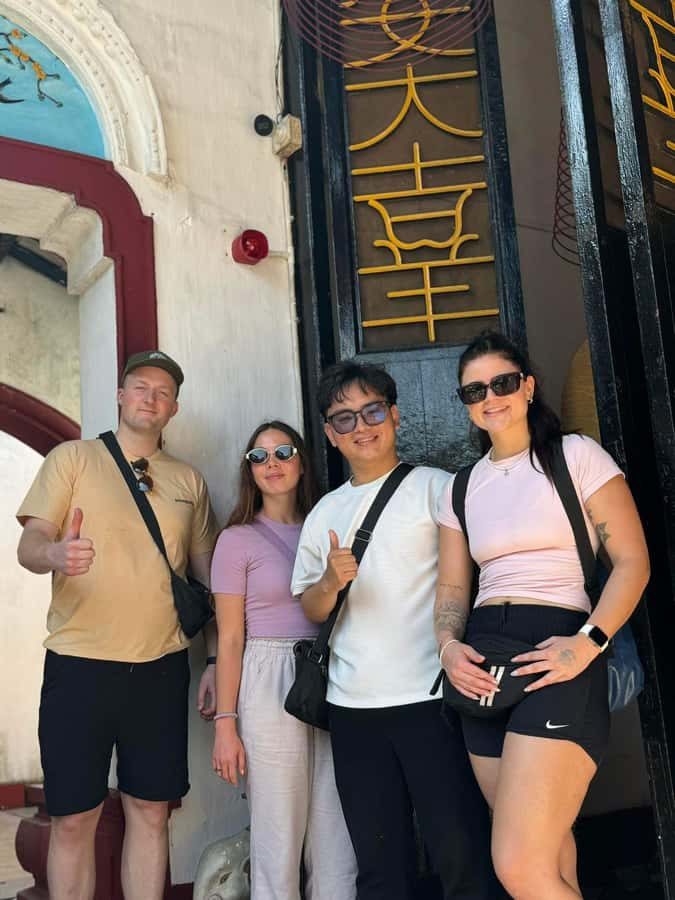
At $30 per person, this tour is priced like a solid “do-it-for-me” heritage experience. Here’s where the value comes from:
- You get an English-speaking local guide for the walking portion.
- You get the structured stops, including the Japanese Covered Bridge, an Ancient House visit, and the assembly hall.
- You get the traditional art performance included in the route.
- You get the lantern boat ride with a flower lantern to drop.
- Bottled mineral water is included.
The one cost you need to budget separately is the Hoi An UNESCO entrance ticket (120,000 VND per ticket). That’s the biggest “gotcha” for first-timers, because you must buy it yourself to enter the Ancient Town area.
So is it worth it? If you want a guided route that covers the main heritage points and ends with a calmer river moment, yes. If you plan to skip craft houses or already know you’ll only care about the bridge and a couple photos, it could feel like more structure than you want.
Practical Tips: Shoes, Cash, Rain, and Street Crossing
Bring comfortable shoes. The walking is described as moderate, and Hoi An’s streets demand good footing, especially when you’re moving between multiple stops.
Also bring cash. You’ll need it for the Ancient Town/UNESCO ticket. And if you do decide to buy from craft shops, cash can make the transaction simpler.
Photography: bring your camera. This tour gives you great variety—temple atmosphere, street scenes, indoor antique details, and lantern-on-water lighting.
One small but useful human tip: guides often help you manage the tricky parts of Vietnam street crossing. In particular, one guide named Nguyễn Trần Duy Vũ (Vu) was praised for being friendly and for practical coaching on how to cross safely. Even if you’re a confident walker, it’s worth accepting that kind of guidance once you’re in the flow of traffic.
Rain plan: if heavy downpours hit, some parts of the route can get crowded as people squeeze into the same covered areas. You can’t control the weather, but you can control your mindset—pack a light rain layer and accept that crowds will form around shelter.
Who This Tour Fits Best (and Who Might Skip It)
This tour is a strong fit if you:
- Want an English-led route with cultural context, not just sightseeing.
- Prefer small groups over big bus tours.
- Like a mix of landmarks, craftwork, and a calm ending.
- Want the lantern boat moment without having to figure out the logistics yourself.
It’s not a great match if you have mobility limitations or use a wheelchair. The experience involves a walking-focused route through areas that aren’t described as step-free.
Should You Book This Hoi An Lantern Tour?
If it’s your first time in Hoi An and you want a plan that balances history, culture, and a memorable sunset ending, I think this is a smart booking. The combination of the Japanese Covered Bridge, a merchant’s ancient house, the assembly hall, craft workshops, and then the Thu Bon lantern boat ride is a very efficient way to understand the town in one afternoon.
Book it especially if you like structure but still want room to explore after. And if you’re cautious about shopping pressure, go in with a simple rule: see everything first, then decide on one meaningful purchase.
FAQ
FAQ
Where does the tour start?
The tour starts at 10 Đ. Phan Chu Trinh.
How long is the tour?
The total duration is 210 minutes (about 3.5 hours), including around 3 hours in Hoi An Ancient Town and a 20-minute Thu Bon River boat cruise.
How big is the group?
The tour is a small group, limited to 10 participants.
Is there an English-speaking guide?
Yes. The tour includes an English-speaking local guide.
Does the price include the lantern boat ride?
Yes. The tour includes the lantern boat trip with a flower lantern for dropping.
Do I need to pay an entrance ticket to enter the Ancient Town?
Yes. You have to buy your Hoi An UNESCO entrance ticket separately. The cost listed is 120.000 VND/ticket.
Where do I finish the tour?
The tour ends in Phố cổ Hội An (Hoi An Old Town).
What should I bring?
Wear comfortable shoes and bring a camera and cash.
Is the tour suitable for wheelchair users?
No. It is not suitable for people with mobility impairments and wheelchair users.
Are alcohol and smoking allowed?
No. Smoking indoors is not allowed, and alcohol and drugs are also not allowed.