REVIEW · HOI AN
Hoi An Ancient Town Walking Tour with a Local
Book on Viator →Operated by Momo Travel · Bookable on Viator
Hoi An feels like a living map of traders and refugees. This walking tour pulls you through the old town’s UNESCO sights with a local guide, mixing architecture, art, and practical tips into a 3-hour route that stays easy to follow.
I love the small group size (max 10) and the relaxed pace. I also like that the tour doesn’t treat history like a museum label: you get cultural context, plus time to look closely at places like the Japanese Covered Bridge, the Cantonese Assembly Hall, and Quan Thang Ancient House.
One consideration: the tour price does not include the Hoi An UNESCO entrance ticket (120,000 VND per person), and some stops may have additional venue entry costs, so your final spend will depend on what you’re required to pay at each stop.
What I’d highlight before you go
- Local-guide storytelling that connects cultures (Japanese and Cantonese influences show up clearly in the key buildings).
- A tight route with time to slow down at each stop, not a rushed photo sprint.
- Tea included (a coffee or special herbal tea break) to reset your energy mid-walk.
- Built-in cultural variety: history buildings plus an art performance stop.
- Market time at the end for snacks, shopping, and figuring out what you want to try again later.
- Top-rated guides in the real world, with names like Kun, Trang, Nguyen, Anh, and Minh showing up repeatedly for engaging English and great pacing.
In This Review
- Hoi An On Foot: Why This 3-Hour Route Feels Worth It
- Price and Tickets: The Real Math Before You Go
- Meeting Point and How the Walk Is Structured
- Your Local Guide: How the Best Tours Actually Feel
- Stop 1: Japanese Culture Gallery and the Story You’ll Use All Day
- Stop 2: Japanese Covered Bridge (and What to Notice)
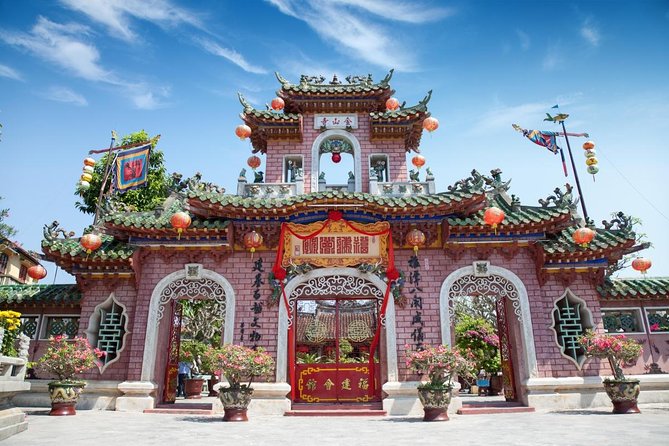
- Stop 3: Cantonese Assembly Hall for Color, Detail, and Meaning
- Stop 4: Quan Thang Ancient House and the Merchant-Life Perspective
- Stop 5: Traditional Art Performance House (Music and Storytelling)
- Stop 6: Central Market Time for Food, Shopping, and Longevity Lore
- What You’re Really Getting: Multicultural Hoi An in One Walk
- Tips to Make This Walk Easier (and More Fun)
- Who This Tour Suits Best
- Should You Book This Hoi An Walking Tour with a Local?
- FAQ
- Do I need to buy tickets for the UNESCO sites?
- How long is the walking tour?
- What’s included in the tour price?
- How big is the group?
- Where does the tour start and end?
- Is free cancellation available?
- Is the tour weather-dependent?
Hoi An On Foot: Why This 3-Hour Route Feels Worth It

Hoi An’s old town can be confusing in a good way. Streets twist, buildings look similar from a distance, and it’s easy to wander for hours without learning what you’re actually seeing. This tour is designed to keep you oriented while still letting you notice details.
The format helps: you’re in a small group (up to 10), and the tour is about 3 hours long. That’s long enough to cover the main historic anchors and still short enough that you don’t end up tired, sweaty, and cranky before dinner. It’s also a good choice if you’re staying only a day or two and want a strong first overview.
What makes this tour especially practical is that it includes both landmarks and daily-life context. You don’t just walk past architecture—you’re guided to understand why these buildings matter, how different communities shaped the town, and how Hoi An has been protected through tough times.
Price and Tickets: The Real Math Before You Go
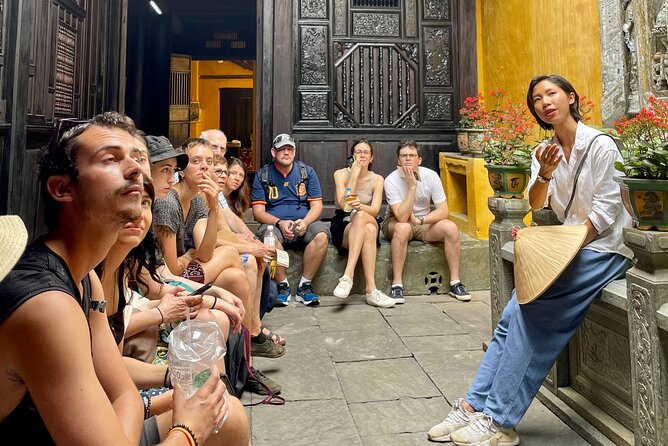
The headline price is $9.89 per person, which is excellent value for a guided walking experience. For me, the key question isn’t the low sticker price—it’s what you’ll pay on top.
Here’s what you should budget for:
- The tour includes coffee and/or tea, specifically a special herbal tea.
- The tour does not include the Hoi An UNESCO entrance ticket, listed at 120,000 VND per person.
- The stop list also indicates admission tickets are not included at several venues.
So, the “cheap tour” story becomes more accurate when you plan for the UNESCO ticket. If you’re deciding between skipping guided entry and just roaming on your own, this tour often wins because your guide is giving you the context you’d otherwise miss—especially in a town where multiple cultures left visible marks.
Also, the included tea break is not just a nice extra. When you’re walking in the heat, a planned pause keeps the pace enjoyable instead of turning into a long slog.
You can also read our reviews of more tours and experiences in Hoi An.



Meeting Point and How the Walk Is Structured
The tour meets at 125 Đ. Phan Chu Trinh, Phường Minh An, Hội An and ends at Hoi An Market, 19 Trần Phú, Cẩm Châu.
That matters more than it sounds. You start near the historic core and finish at the market zone, so you can transition from guided walking to your own exploring without having to backtrack. It also helps you see the old town’s flow: historic sites, then art and interpretation, then food and browsing.
Time-wise, you’ll spend roughly:
- 25 minutes at the Japanese Culture Gallery
- 20 minutes at the Japanese Covered Bridge
- 25 minutes at the Cantonese Assembly Hall
- 25 minutes at Quan Thang Ancient House
- 35 minutes at the traditional art performance theatre
- 35 minutes at the central market
The schedule is balanced. You’re not stuck inside all afternoon, but you also get real “look and learn” time rather than constant moving.
Your Local Guide: How the Best Tours Actually Feel
This is the part I care about most: guide quality can make or break a walking tour. The reviews for this experience are consistently positive, and multiple guide names show up as standouts—Kun, Trang, Nguyen, Anh, June, Sanh, and Minh.
Across those comments, a few themes repeat:
- Clear, friendly English
- A pace that keeps you moving without rushing
- A sense of humor and real affection for Hoi An
- Practical end-of-tour recommendations (food, shops, and what to book next)
Even better, some guides seem to add the kind of details that turn a photo stop into a story. One example from the experience: a guide can take you through a back-area look at an older house setup, including a working kitchen perspective and how the house survived major floods across multiple generations. That kind of specificity is what you can’t easily find by yourself.
Bottom line: you’re paying for more than access to buildings. You’re paying for interpretation, and in Hoi An that interpretation is the difference between seeing pretty façades and understanding what those façades were built to do.
Stop 1: Japanese Culture Gallery and the Story You’ll Use All Day
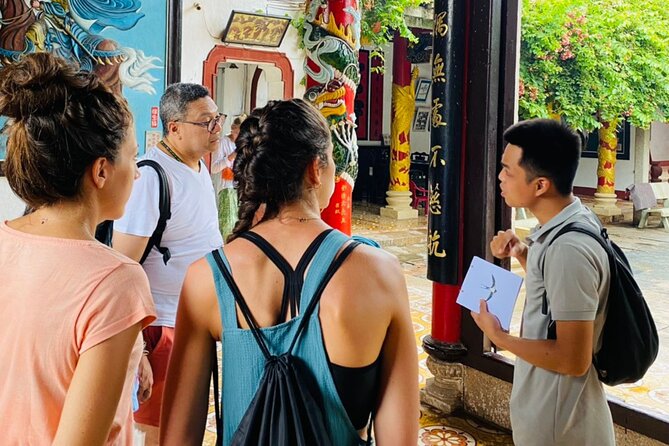
Your tour starts at the Japanese Culture Gallery, where you’ll get an overview timeline of Hoi An and why Japanese communities were present. This is a smart opening stop because it gives you a mental map before you start collecting sights.
You’ll typically spend about 25 minutes here. That short block of context helps you interpret what you see later, especially when you reach the Japanese Covered Bridge. Without this start, it’s easy to treat those Japanese-influenced details as decorative trivia. With the start, they become clues.
A practical note: because entry is not included, you’ll want to confirm the ticket situation when you book. If you already have your UNESCO entrance ticket planned, this start usually fits smoothly into the day.
Stop 2: Japanese Covered Bridge (and What to Notice)
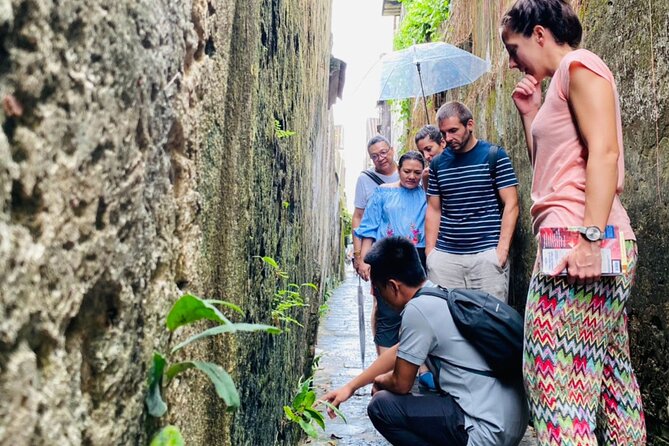
Next comes the Japanese Covered Bridge, about 20 minutes. It’s one of Hoi An’s most recognizable structures, but the tour value is in how you look at it.
You’re not just snapping a picture. You’re learning how Japanese architecture and community presence became part of Hoi An’s identity. That’s why the gallery stop matters—by the time you reach the bridge, you can connect the dots instead of staring at a landmark wondering what the significance is.
If you want to enjoy this stop, give yourself a moment to watch how people move around it. Bridges like this often act as cultural connectors, not just passageways. Your guide will point out what to pay attention to, and you’ll leave with a clearer sense of why this bridge became such a symbol.






Stop 3: Cantonese Assembly Hall for Color, Detail, and Meaning
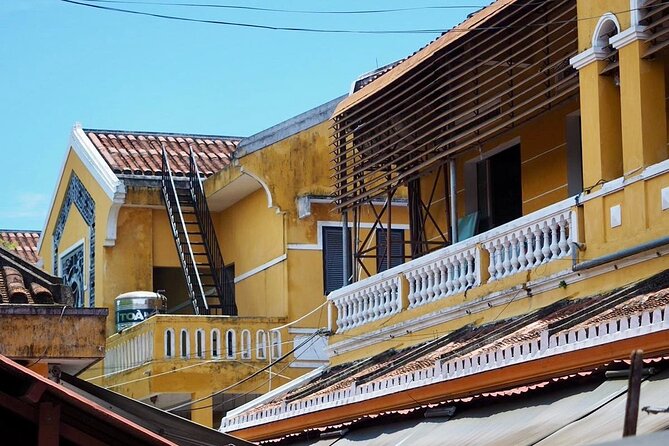
After the bridge, you’ll visit the Cantonese Assembly Hall. Expect about 25 minutes here.
This stop is one of the best examples of how Hoi An’s multicultural layers show up in everyday architecture. You’ll see the hall’s ornate design and learn about Cantonese cultural influence and its historical significance.
Here’s what I’d tell you to do: slow down when the details start to blur. Assembly halls are full of patterns and motifs, and a guide helps you avoid the common trap of seeing it as “pretty old building.” You’ll hear why it was built, who would have used it, and what the design was meant to communicate.
Again, entry isn’t included in the basic tour price, so your UNESCO ticket planning matters. If you’re budget-conscious, make sure you understand what you’re covered for before you reach this stop.
Stop 4: Quan Thang Ancient House and the Merchant-Life Perspective
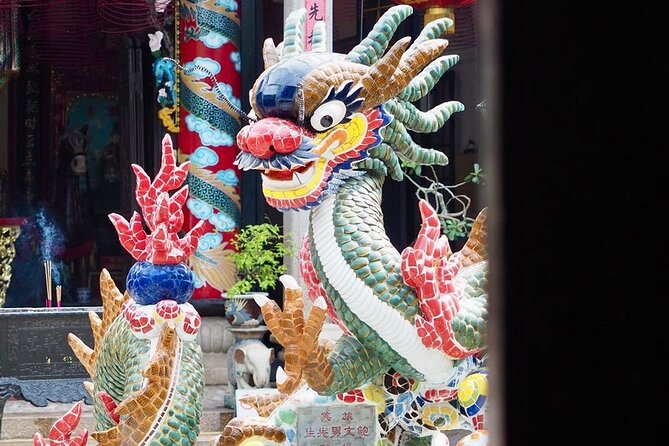
Then you step into the Quan Thang Ancient House for around 25 minutes.
This is where the tour shifts from community buildings to household wealth and daily life. You’ll get a glimpse of what a prosperous merchant family’s home was like, through a well-preserved architectural interior and layout.
In the reviews, one guide detail stood out: some guides can take you through a back-area look linked to a working kitchen, and explain how the house survived major floods across the lives of multiple generations. Even if your route doesn’t include that exact level of access, you should expect stories that make you feel how people actually lived, not just how they decorated.
This stop is also a good reminder: Hoi An is old, but it’s not frozen. Families adapted, rebuilt, and protected their spaces through difficult eras. That theme connects nicely with the later stop about preservation during the Vietnam War.
Stop 5: Traditional Art Performance House (Music and Storytelling)
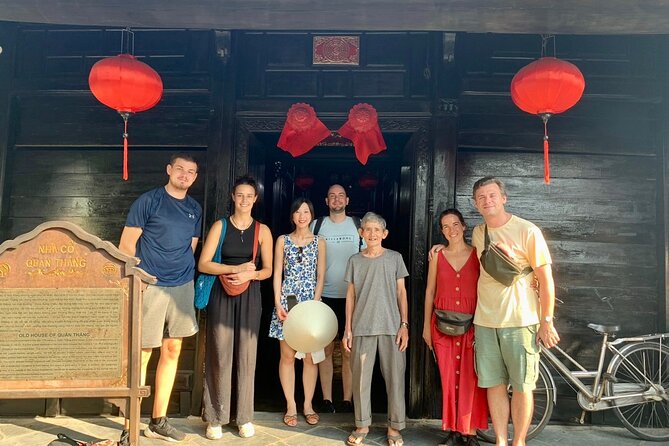
The next stop is the Hoi An Traditional Art Performance Theatre, about 35 minutes.
This part of the tour is a nice reset. After architecture, you get performance art—traditional music, dance, and theatrical performance—using traditional instruments. The value here is not only the show. It’s the shift from buildings-as-history to performance-as-culture.
If you’re trying to understand Hoi An beyond monuments, this is the stop that helps most. You get a sense of how traditions are kept alive, not just documented.
One practical point: since entry isn’t included, you’ll want your tickets ready. If you tend to carry only what you need, keep a small buffer for ticket purchases at each stop.
Stop 6: Central Market Time for Food, Shopping, and Longevity Lore
You finish at the Hoi An Central Market for about 35 minutes. This is where you can finally cash in on what you learned.
You’ll move from stall to stall, with time to try local delicacies, browse crafts, and pick up souvenirs. The tour also ties the market visit to an idea some Hoi An guides emphasize: the secret to Hoi An people’s longevity. The tour doesn’t turn that into a medical lecture—you’ll hear the cultural angle and what locals associate with long life.
Here’s how to make the most of this market finish:
- Taste first, ask questions second. If you’re unsure about ingredients, your guide can help you identify what you’re eating.
- Bring a small cash plan. Markets often reward quick decisions.
- Don’t over-buy. This is your last stop, so you’ll see everything and then can decide later what’s worth carrying.
At minimum, you’ll leave with a better idea of what Hoi An tastes like. And if you want to keep exploring after the tour, market knowledge helps you target your own second round.
What You’re Really Getting: Multicultural Hoi An in One Walk
A lot of tours cover sights. This one focuses on why those sights sit next to each other.
Across the route, you repeatedly see Japanese and Cantonese influences in architecture and cultural spaces. Then performance brings the story into something you can feel. And the tour also includes preservation tales from the Vietnam War era—stories that explain how the town’s identity has been protected, not just admired.
For you, that means you’ll leave with context you can use while wandering on your own. You’ll look at a façade and understand the cultural fingerprints. You’ll recognize which buildings are community hubs versus merchant spaces. And you’ll understand how the town’s heritage has survived because people chose to protect it.
Tips to Make This Walk Easier (and More Fun)
Hoi An can be warm and humid, especially in the middle of the day. Since this is an all-foot route, I’d plan like this:
- Wear comfortable shoes. Your schedule assumes walking time between stops.
- Bring sun protection. You’ll be outside for plenty of the route.
- Start with a good hydration habit. The tour includes tea, but it’s still not the same as full water intake.
- If you’re sensitive to crowds, remember the group max is 10, which helps more than large-tour chaos.
The included coffee or tea break is also worth treating like a real break. Use it to check your bearings for the next section.
Who This Tour Suits Best
This one fits best if you want:
- A guided way to see UNESCO-era Hoi An in a short time
- Cultural context, not just landmarks
- A mix of architecture, performance, and market life
- A small group experience that feels human-scale
It may be less ideal if you prefer ultra-flexible touring with no set stops. But even then, it can work as a strong foundation: go once on a guided route, then do your own repeat visits with better direction.
Should You Book This Hoi An Walking Tour with a Local?
If you’re trying to get your bearings fast and you like stories tied to what you’re looking at, I think this is a smart booking. The price is very reasonable, the group stays small, and the guide-led approach is the difference between seeing Hoi An and understanding it.
I’d say book it if:
- You want Japanese and Cantonese influences explained in plain language
- You’re interested in how heritage survived hard periods, including Vietnam War preservation stories
- You like ending with food and browsing at the market
I’d think twice if:
- You’re trying to keep costs ultra-low and hate paying separate entry fees (especially the UNESCO ticket)
- You’d rather wander independently with no structure at all
If your goal is a guided, culturally focused first pass through Hoi An’s old town, this tour is an easy yes.
FAQ
Do I need to buy tickets for the UNESCO sites?
Yes. The Hoi An UNESCO entrance ticket is not included, and it’s listed at 120,000 VND per person. Admission at multiple stops is also not included.
How long is the walking tour?
It’s about 3 hours.
What’s included in the tour price?
Coffee and/or tea is included, including a special herbal tea.
How big is the group?
The group is capped at a maximum of 10 travelers.
Where does the tour start and end?
It starts at 125 Đ. Phan Chu Trinh, Phường Minh An, Hội An, Quảng Nam 510000, Vietnam, and ends at Hoi An Market, 19 Trần Phú, Cẩm Châu, Hội An, Quảng Nam, Vietnam.
Is free cancellation available?
Yes. You can cancel for a full refund up to 24 hours in advance of the experience’s start time.
Is the tour weather-dependent?
Yes. The experience requires good weather, and if it’s canceled due to poor weather, you’ll be offered a different date or a full refund.